
Exhaust Cross Pipe
Understanding and Selecting the Right Exhaust Cross Pipe
Many drivers overlook the exhaust cross pipe, yet its role in your vehicle’s performance and exhaust flow can be significant. Whether you’re seeking improved efficiency, sound, or simply replacing a worn component, understanding what an exhaust cross pipe does—and how to select the right one—can make a real difference. This guide will walk you through key considerations, diagnostic steps, and the evidence behind effective exhaust cross pipe choices.
Showing 1–8 of 93 products


More Exhaust Cross Pipe options
Filtering for Exhaust Cross PipeBrowse nearby inventory for this category without leaving the page. Use search to filter by price, part number, or city.
No Data Available
Please check back soon when more inventory is available for this part.
Understanding and Selecting the Right Exhaust Cross Pipe
Why Exhaust Cross Pipes Deserve Your Attention
When thinking about vehicle performance or exhaust upgrades, most owners focus on mufflers, catalytic converters, or headers. However, the exhaust cross pipe—often called an H-pipe or X-pipe—plays a crucial, if less obvious, role in how gases flow through a V-type engine’s dual exhaust system. This component can influence everything from exhaust scavenging to the sound profile of your car. Many drivers may not realize that an improperly selected or failing cross pipe can lead to subtle performance losses or unwanted noise characteristics, making it an essential yet often overlooked part of the exhaust system.
The cross pipe’s function is not just about joining two pipes; it’s about balancing exhaust pulses between the two banks of cylinders. This balancing act can smooth out exhaust flow, reduce backpressure, and help maintain optimal engine breathing. Even if your vehicle seems to be running fine, a compromised or mismatched cross pipe can create inefficiencies that gradually affect power, fuel economy, or emissions. Recognizing the importance of this component is the first step toward making informed decisions about maintenance or upgrades.
Drivers who modify their vehicles for performance or sound often swap out the stock cross pipe for an aftermarket version. Yet, without understanding the technical implications, these changes can sometimes result in unexpected issues—such as check engine lights, altered emissions readings, or even premature wear on related components. Before making changes, it’s worth exploring how the exhaust cross pipe fits into your vehicle’s broader exhaust architecture and what factors should guide your selection or replacement process.

Understanding the Exhaust Cross Pipe’s Role and Potential Issues
The exhaust cross pipe is a key component in dual exhaust systems, especially those found in V6, V8, and larger V-type engines. Its primary role is to connect the left and right banks of the exhaust, allowing pressure pulses to balance and improving the efficiency of gas flow out of the engine. When the cross pipe is damaged, corroded, or improperly sized, it can disrupt this balance, leading to uneven exhaust flow, increased backpressure, and a noticeable change in exhaust tone. These issues might manifest as a drop in performance or efficiency, but they can also be subtle, making diagnosis challenging without a careful inspection.
A common sign of cross pipe trouble is a change in exhaust sound. For example, a failing or leaking cross pipe may introduce a raspy or hollow tone, or even a ticking noise that mimics an exhaust manifold leak. In some cases, drivers may notice a decrease in low-end torque or a slight hesitation during acceleration. These symptoms can be mistaken for other exhaust or engine issues, so it’s important to consider the cross pipe as a potential culprit when diagnosing exhaust-related problems, especially in vehicles with dual exhaust configurations.
Another overlooked aspect is how the cross pipe affects emissions and sensor readings. Modern vehicles rely on oxygen sensors placed before and after the cross pipe to monitor exhaust gases and adjust fuel delivery. If the cross pipe is leaking or has been replaced with an incorrect design, it can introduce false air or disrupt the expected flow pattern, potentially triggering a check engine light or causing the vehicle to fail an emissions test. This is particularly relevant for owners in regions with strict emissions regulations or annual inspections.
Corrosion is a frequent cause of cross pipe failure, especially in regions where road salt is used during winter months. Over time, moisture and salt can eat away at the pipe’s metal, leading to pinhole leaks or structural weakness. These issues may not be immediately visible from above, as the cross pipe is often located underneath the vehicle and exposed to road debris. Regular inspections and prompt attention to unusual exhaust noises can help catch problems before they escalate into more costly repairs.
Replacement or upgrade decisions are further complicated by the variety of cross pipe designs available. H-pipes and X-pipes, for instance, offer different benefits in terms of exhaust scavenging, sound, and performance. Choosing the wrong type or an ill-fitting aftermarket part can compromise the intended balance of your exhaust system. It’s essential to match the cross pipe not only to your engine configuration but also to your performance goals and local emissions requirements.
Finally, the process of diagnosing cross pipe issues can be complicated by the interconnectedness of the exhaust system. A problem with the cross pipe may present symptoms similar to those caused by failing mufflers, catalytic converters, or even engine misfires. This makes a systematic approach to diagnosis—one that includes visual inspection, listening for abnormal sounds, and checking for diagnostic trouble codes—critical to accurately identifying and resolving cross pipe-related problems.
Practical Steps for Diagnosing and Selecting an Exhaust Cross Pipe
Begin your diagnostic process with a thorough visual inspection of the exhaust system, focusing on the area where the cross pipe connects the two exhaust banks. Look for signs of corrosion, cracks, or black soot stains that may indicate a leak. If possible, use a lift or ramps to gain better access to the underside of your vehicle. Listen for unusual noises—such as hissing, ticking, or a change in exhaust tone—while the engine is running. These auditory clues can help pinpoint the location of a leak or restriction.
If you suspect cross pipe issues but can’t confirm them visually, consider performing a smoke test or using soapy water to check for leaks. With the engine running, apply soapy water to the suspected area and watch for bubbles, which indicate escaping exhaust gases. Alternatively, a professional smoke machine can introduce visible vapor into the exhaust system, revealing even small leaks at joints or welds. Document any findings with photographs or notes to help guide your repair or replacement decisions.
When selecting a replacement cross pipe, start by consulting your vehicle’s service manual or a reputable parts catalog to determine the correct part number and specifications. Pay attention to the diameter, length, and type of cross pipe (H-pipe or X-pipe) recommended for your engine and exhaust layout. If your vehicle is modified or has aftermarket headers, you may need to measure the existing setup and consult with a knowledgeable supplier to ensure compatibility. Avoid assuming that a part labeled as “universal” will fit without modification.
Consider the impact of your cross pipe choice on emissions and sensor function. If your vehicle is equipped with oxygen sensors near the cross pipe, ensure that the replacement part provides the correct sensor bungs and maintains the original routing of exhaust gases. Improper placement or omission of sensor ports can lead to inaccurate readings, drivability issues, or failed emissions tests. Always check local regulations to confirm that your chosen cross pipe meets legal requirements for emissions and noise.
For performance-oriented applications, research the differences between H-pipe and X-pipe designs. H-pipes tend to enhance low-end torque and produce a deeper exhaust note, while X-pipes are known for improving high-RPM flow and generating a smoother, higher-pitched sound. Your choice should reflect your driving preferences and the characteristics of your engine. Consult resources like the AutoPartEx guide on H-pipe vs. X-pipe configurations for more detailed comparisons and application advice. See H-Pipe vs. X-Pipe: Which Is Best for Your Build? for further insights.
Before purchasing, request a written estimate from your repair shop that details the part, labor, and any additional services required. The Federal Trade Commission recommends getting a second opinion for complex repairs and verifying that the technician has experience with your vehicle’s make and model. Ask whether the replacement cross pipe is new, remanufactured, or salvage, and clarify any warranty or return policies in writing. This protects you from unexpected costs and ensures that you receive a part that meets your expectations. See FTC: Auto Repair Basics for more advice.
After installation, review the completed repair order to confirm that the correct part was used and that all connections are secure. Test drive the vehicle and listen for any abnormal noises or performance changes. If your vehicle is equipped with an OBD-II system, use a scan tool to check for diagnostic trouble codes related to the exhaust or emissions system. Address any issues promptly to prevent further damage or regulatory complications.
Finally, keep detailed records of the repair, including part numbers, receipts, and photographs of the installed cross pipe. This documentation can be valuable for future maintenance, resale, or warranty claims. Regularly inspect your exhaust system as part of your preventive maintenance routine, especially if you drive in harsh conditions or notice changes in exhaust sound or performance. Staying proactive helps ensure that your exhaust cross pipe—and the entire exhaust system—continues to function as intended.
What the Evidence and Official Guidance Show
The National Highway Traffic Safety Administration (NHTSA) provides a comprehensive overview of how vehicle recalls are identified and managed, but it is important to note that a recall database search does not confirm a defect or compatibility for a specific exhaust cross pipe. According to the NHTSA, recall information is tied to a vehicle’s VIN and is specific to unrepaired safety-related defects. If a cross pipe were subject to a recall, owners would be notified by mail, and the manufacturer would be responsible for providing a remedy. However, the absence of a recall does not guarantee that a part is free from issues or that it is the best choice for your vehicle. See NHTSA: Vehicle Recalls for more details.
The NHTSA also clarifies that recall searches by year, make, and model yield general results, not specific part failures. This means that even if your vehicle appears in a recall database, it does not necessarily indicate a problem with your current exhaust cross pipe. For the most accurate information, always use your vehicle’s VIN to check for open recalls and consult with your manufacturer or dealer regarding any safety notices. This process is essential for identifying genuine safety issues but should be supplemented with regular inspections and maintenance.
The Federal Trade Commission (FTC) offers practical advice for consumers navigating auto repairs, emphasizing the importance of written estimates, clear documentation, and understanding the type of replacement parts used. The FTC distinguishes between new, remanufactured, and salvage parts, noting that salvage parts are taken from other vehicles without alteration. This distinction is critical when selecting an exhaust cross pipe, as the source and condition of the part can affect its longevity and performance. The FTC’s guidance does not specify technical requirements for cross pipes but underscores the value of transparency and informed decision-making. See FTC: Auto Repair Basics.
The FTC further advises consumers to compare shop recommendations with the manufacturer’s maintenance schedule and to ask for explanations when extra services are proposed. This is particularly relevant for exhaust cross pipe replacement, as some shops may suggest upgrades or modifications that go beyond what is necessary for safe and reliable operation. By understanding the manufacturer’s recommendations and seeking a second opinion when needed, you can avoid unnecessary expenses and ensure that your repair aligns with your vehicle’s needs.
Neither the NHTSA nor the FTC provides specific technical data, failure rates, or performance statistics for exhaust cross pipes. Instead, their guidance focuses on consumer rights, recall processes, and best practices for auto repairs. This means that buyers must rely on a combination of official recommendations, professional diagnostics, and reputable parts catalogs when selecting a replacement cross pipe. If technical evidence is unavailable, request detailed specifications and comparison data from your supplier to make an informed choice.
For those considering performance upgrades, internal guides such as Choosing the Right Exhaust Cross Pipe for Your Vehicle and Diagnosing Exhaust Flow Issues in V-Type Engines can provide additional context. These resources offer practical tips for matching cross pipe designs to engine configurations and diagnosing related exhaust flow problems. While these guides do not substitute for official recall or repair data, they can help you understand the practical implications of different cross pipe choices and avoid common pitfalls.
Ultimately, the most reliable approach combines evidence-based consumer guidance with hands-on inspection and consultation with experienced technicians. By following official recommendations, maintaining clear records, and seeking reputable parts and service providers, you can address exhaust cross pipe issues effectively and with confidence. Remember that no single source provides all the answers; a well-rounded approach is your best defense against unexpected problems and unnecessary expenses.
Take the Next Step Toward a Reliable Exhaust System
If you suspect your exhaust cross pipe needs attention or are considering an upgrade, start by gathering detailed information about your vehicle and consulting trusted resources. Use your VIN to check for open recalls, request written estimates, and compare part specifications before making a purchase. For further guidance on selecting the right cross pipe, explore our in-depth guides and consult with experienced technicians. Taking these steps ensures your vehicle’s exhaust system remains efficient, compliant, and tailored to your driving needs.
References
- NHTSA: Vehicle Recalls
- FTC: Auto Repair Basics
References
- NHTSA: Vehicle Recalls - NHTSA, accessed 2026-11-01
- FTC: Auto Repair Basics - FTC, accessed 2026-11-01
Related Guides & Articles

Choosing the Right Exhaust Cross Pipe for Your Vehicle
Selecting the correct exhaust cross pipe is one of the most effective ways to maximize exhaust flow, engine performance, and efficiency in V-type engine vehicles. The right cross pipe—whether an H-pipe, X-pipe, or custom crossover—can unlock horsepower, improve throttle response, and even enhance fuel economy, all while ensuring proper fitment and long-term reliability. But with so many options in design, diameter, and material, how do you make the optimal choice for your application?
View Guide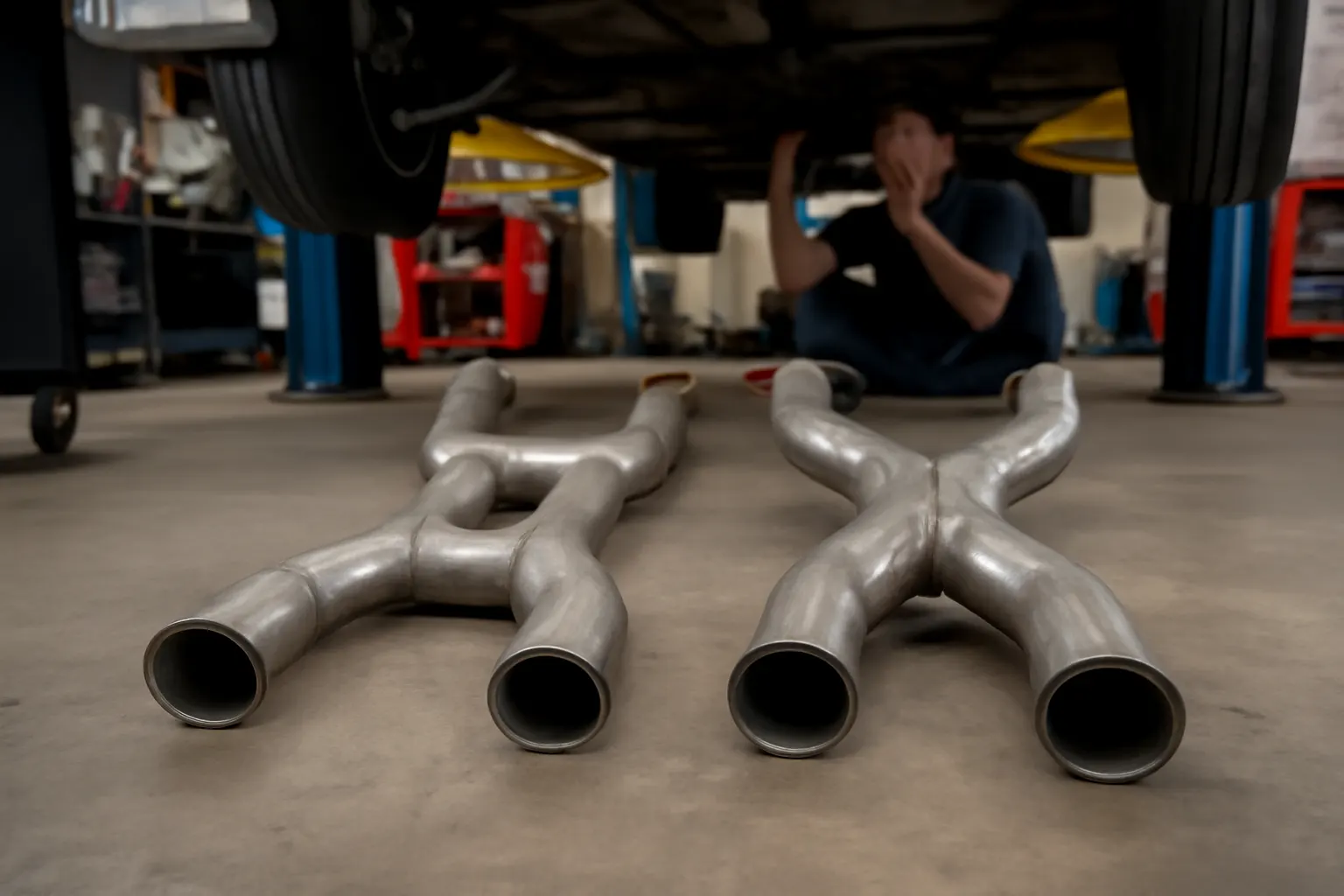
H-Pipe vs. X-Pipe: Which Is Best for Your Build?
Choosing the right exhaust cross pipe—H-pipe or X-pipe—can dramatically influence your vehicle’s sound, performance, and even drivability. While both designs serve the essential function of balancing exhaust pulses in dual-exhaust V-type engines, their differences go far beyond shape. The right choice depends on your build goals, engine characteristics, and driving preferences. This guide delivers a technical, practical comparison to help you select the optimal cross pipe for your project, backed by real-world engineering and industry standards.
Read More
Diagnosing Exhaust Flow Issues in V-Type Engines
V-type engines—such as V6, V8, and V12 configurations—utilize two separate exhaust banks, each handling the gases from one cylinder bank. Without a cross pipe, these banks operate independently, often resulting in uneven exhaust pulse timing, inefficient scavenging, and increased backpressure. Cross pipes (H-pipe, X-pipe, or Y-pipe) merge these flows, equalizing pressure and improving both sound and performance. Uneven Exhaust Note: A rough, lopsided exhaust sound is a hallmark of imbalanced flow.
View Guide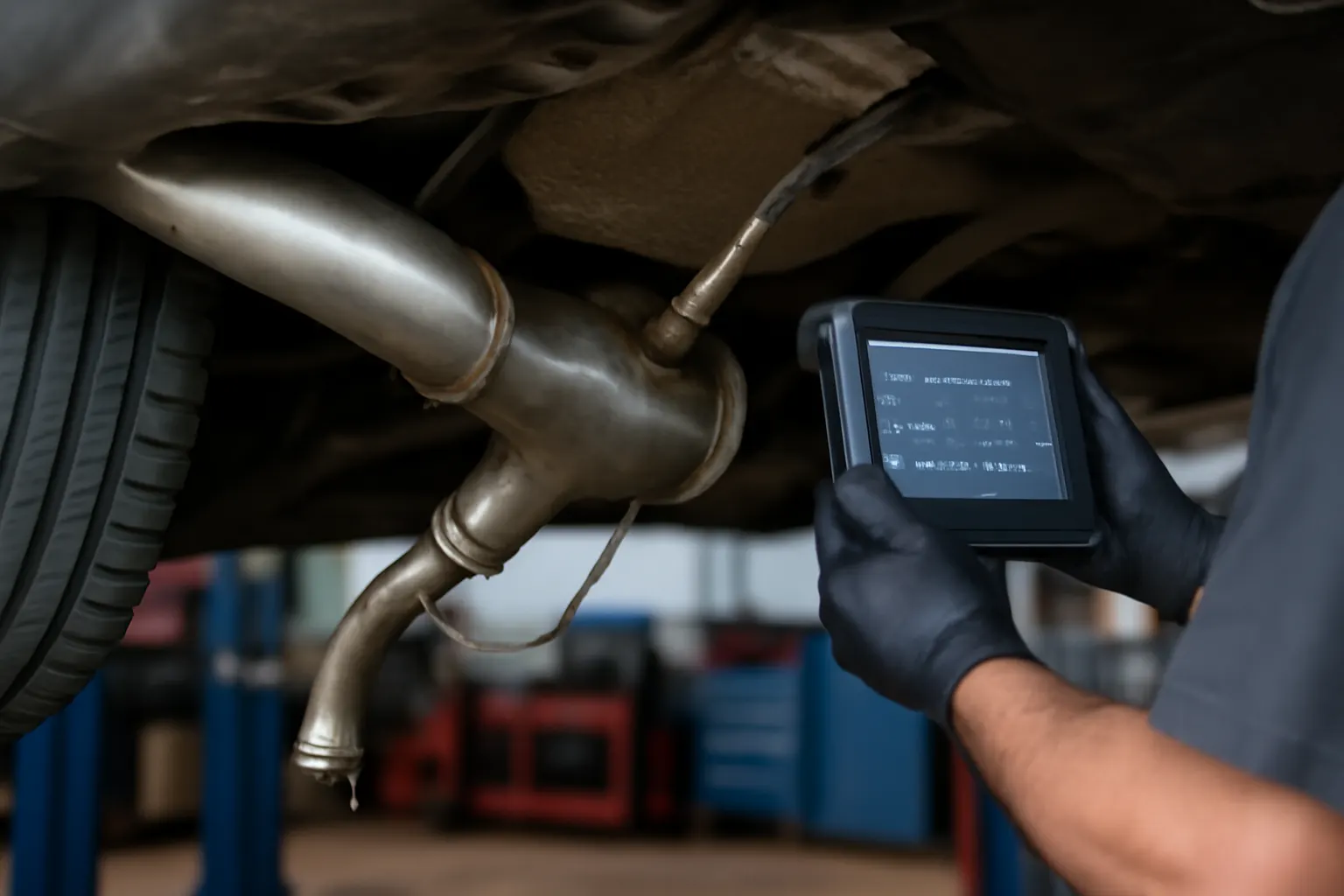
How Exhaust Upgrades Affect Emissions and Sensor Health
Exhaust upgrades—from cross pipes to high-flow cats and larger-diameter tubing—promise performance gains, but they can also impact emissions systems and oxygen sensor longevity in ways many enthusiasts overlook. If you’re considering modifying your exhaust system, it’s crucial to understand how these changes affect your vehicle’s compliance, diagnostics, and long-term reliability. This comprehensive guide will explain the technical relationship between exhaust modifications, emissions control, and sensor health, helping you make informed decisions for your build.
Read More