Advertisement
Understanding exhaust system compatibility is critical for Toyota owners and technicians aiming for effective repairs, optimized performance, and long-term reliability. This in-depth guide delivers the latest updates on Toyota exhaust system compatibility, part supersessions, and practical steps for ensuring a perfect fit—whether you’re sourcing a replacement lead pipe, troubleshooting a recurring exhaust leak, or navigating the complexities of OEM and aftermarket options. For those seeking an authoritative overview of Toyota exhaust lead pipes, their failure patterns, and expert sourcing, start with our Toyota Exhaust Lead Pipe: OEM Fitment, Failure Patterns, and Expert Sourcing resource.
The Immediate Answer: Why Exhaust System Compatibility Matters
When replacing any component in your Toyota’s exhaust system—especially the lead pipe—compatibility is non-negotiable. An incompatible exhaust component can cause exhaust leaks, check engine lights, failed emissions tests, and even damage to the engine or catalytic converter. Toyota’s exhaust systems are engineered to tight tolerances, so even small deviations in pipe diameter, flange orientation, or material can lead to fitment issues and operational problems.
Key Takeaway: Always confirm exhaust system compatibility before ordering or installing a new lead pipe or related component. This ensures proper fit, preserves fuel efficiency, and maintains compliance with safety and performance standards.
The Hidden Problem: Supersessions and Part Number Confusion
Beneath the surface, Toyota exhaust system compatibility is complicated by frequent part supersessions and ongoing changes in OEM part numbers. Toyota routinely updates part numbers to reflect engineering improvements, supplier changes, or regulatory requirements. As a result, the original part number listed in your owner’s manual or parts diagram may have been replaced by a newer, backward-compatible part—or, in some cases, a part with subtle dimensional changes.
Common scenario: A 2012 Camry owner orders a lead pipe using the original part number, only to discover it’s been superseded by a new number with a slightly different flange or bracket configuration. This can lead to confusion, delays, or the need for additional adapters.
Expanding the Problem: Technical Details of Exhaust Compatibility
Toyota exhaust systems are modular, but not universally interchangeable. Compatibility hinges on several technical factors:
- Pipe diameter and wall thickness: Even a 1mm difference can affect sealing and flow.
- Flange design and bolt pattern: Variations exist between model years and trim levels.
- Sensor ports and locations: Oxygen sensor bungs must match the original to avoid CELs and failed emissions.
- Material composition: Stainless steel vs. aluminized steel affects corrosion resistance and longevity.
- Mounting brackets and hanger locations: Misaligned hangers cause stress and premature failure.
Supersessions may change one or more of these parameters, so even a “compatible” part number may require careful scrutiny.
Solution Path: How to Confirm and Source Compatible Toyota Exhaust Parts
To ensure compatibility and avoid costly mistakes, follow this structured approach:
- Verify VIN and production date: Toyota often changes exhaust components mid-model year.
- Cross-reference OEM part numbers: Use Toyota’s EPC (Electronic Parts Catalog) or trusted databases. Always check for the latest supersession.
- Compare technical specifications: Confirm dimensions, flange shapes, sensor port locations, and material.
- Consult fitment guides: Many reputable suppliers publish detailed fitment charts.
- Ask for expert support: When in doubt, consult a Toyota parts specialist or reference our Genuine Toyota Exhaust Parts guide for additional clarity.
Understanding Toyota Exhaust Lead Pipe Fitment
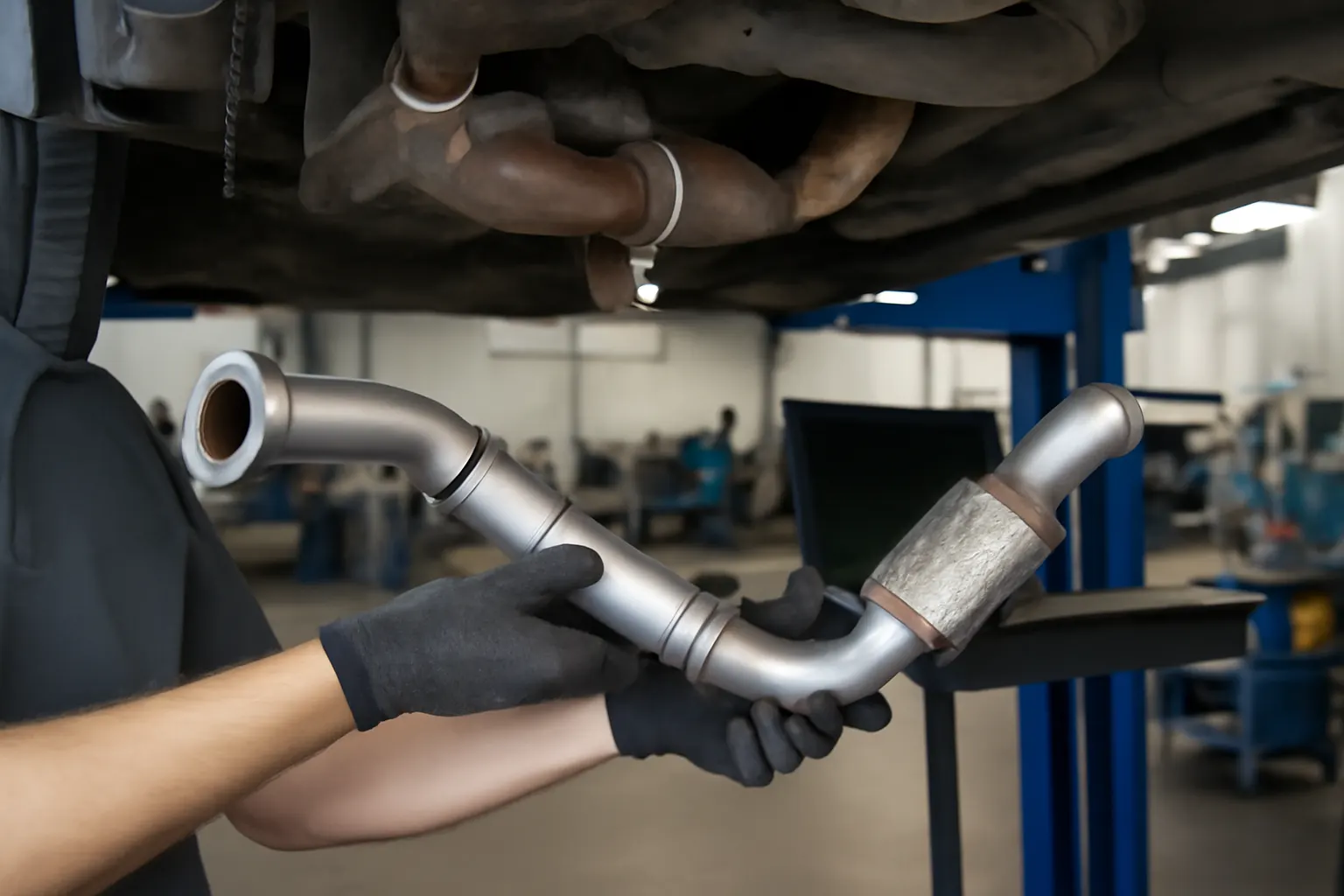
The exhaust lead pipe is the critical link between the exhaust manifold and the catalytic converter or mid-pipe. Its fitment is dictated by:
- Engine variant: Different engines (e.g., 2.5L vs. 3.5L) use unique lead pipes.
- Emissions package: Federal vs. California emissions systems may use different pipes.
- Chassis configuration: AWD vs. FWD layouts often have different routing and hanger positions.
A lead pipe that fits a 2015 Camry LE may not fit the XLE or SE trims due to underbody differences. Always verify sub-model and drivetrain specifics before ordering.
Advertisement
Diagnosing Exhaust System Compatibility Issues
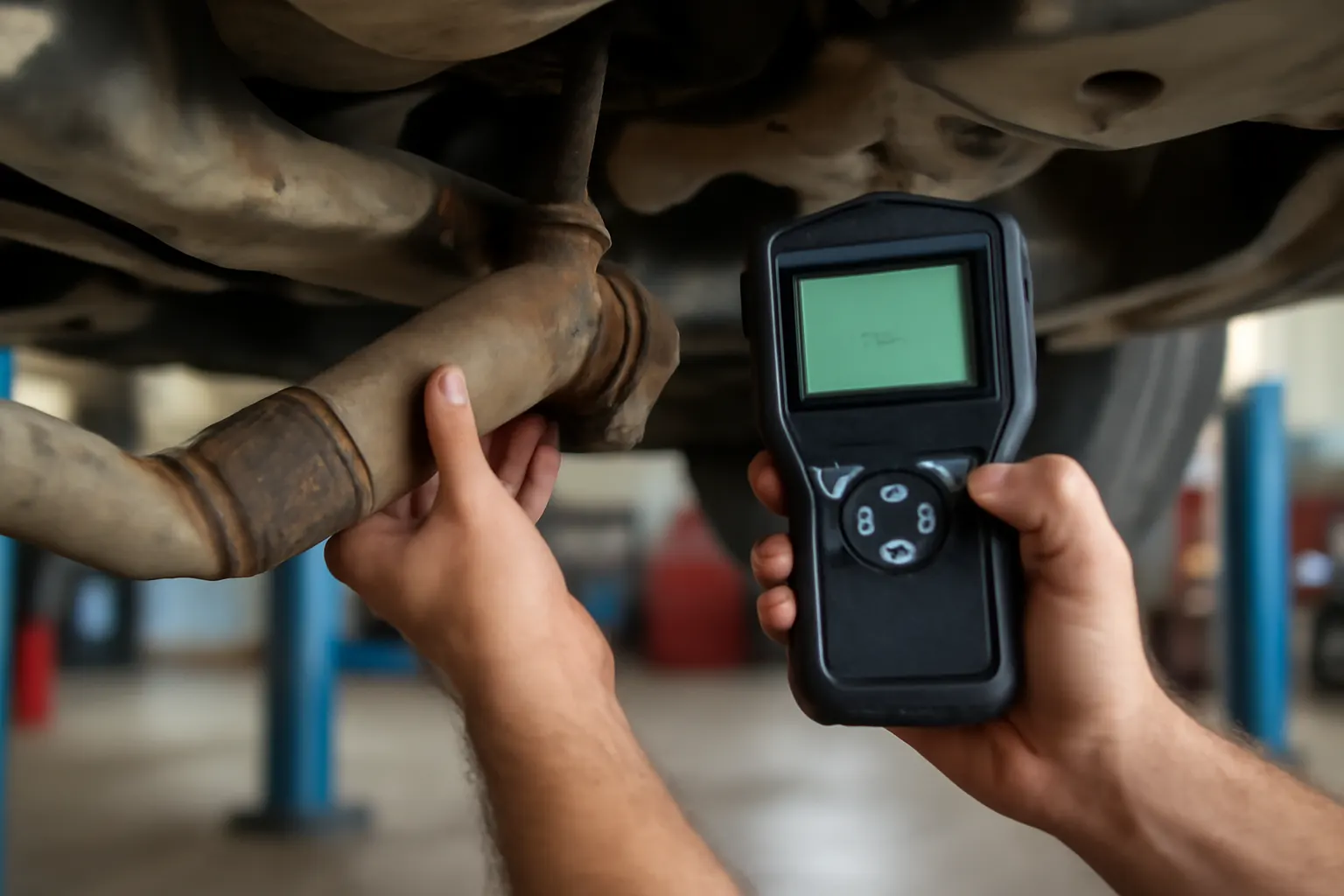
If you suspect an exhaust compatibility problem, look for these warning signs:
- Visible misalignment: Flanges don’t meet flush, or pipe sections are cocked at odd angles.
- Persistent exhaust leaks: Gasket replacement doesn’t resolve the issue.
- Check engine light: Codes P0420/P0430 (catalyst efficiency) or O2 sensor errors after installation.
- Rattling or vibration: Misplaced hangers or brackets causing physical contact with the chassis.
- Unusual noises: Whistling, hissing, or metallic tapping from the exhaust path.
Diagnostic Checklist:
- Inspect all flange connections for gaps or uneven mating.
- Confirm sensor threads are properly aligned and secure.
- Check for exhaust soot around joints (a sign of leaks).
- Measure pipe diameters and compare with OEM specs.
- Ensure all mounting brackets and hangers are engaged and tension-free.
The Role of Materials and Engineering Standards
Toyota exhaust components are designed according to strict standards for safety, durability, and performance. The United States Department of Energy highlights the importance of advanced materials in reducing weight and improving longevity, which directly affects exhaust system compatibility and replacement cycles [^1]. Stainless steel is preferred for its corrosion resistance, but some models use aluminized steel to balance cost and durability.
SAE International sets the engineering standards for exhaust system materials, joining methods, and testing procedures [^2]. When sourcing replacement parts, always look for components that meet or exceed these standards to ensure proper fitment and long-term reliability.
Navigating OEM vs. Aftermarket Exhaust Components
The question of OEM versus aftermarket exhaust parts is especially relevant for Toyota owners. Genuine Toyota parts guarantee original fit and finish, but may be more expensive or take longer to source. Quality aftermarket options can offer cost savings and performance upgrades, but compatibility is not always guaranteed.
Key Considerations:
- OEM parts are engineered for exact fit and compliance with Toyota’s safety and emissions standards.
- Aftermarket parts may offer universal fitment, but require careful cross-referencing and, in some cases, minor modifications.
- Some aftermarket lead pipes are designed to fit multiple models, potentially compromising optimal alignment or sensor placement.
For a deeper analysis, see our Oem Vs Aftermarket Toyota Exhaust Lead Pipes editorial.
Installation Best Practices for Compatible Exhaust Systems
Proper installation is essential, even when using a perfectly matched part. Follow these best practices:
- Pre-fit all components: Dry-fit the new lead pipe and related hardware before final assembly.
- Replace all gaskets and hardware: Old, compressed gaskets or rusted bolts can undermine a new installation.
- Torque to spec: Use a torque wrench and follow Toyota’s recommended specifications for all fasteners.
- Use anti-seize on threads: Prevents galling and future removal issues, especially on O2 sensor bungs.
- Verify hanger alignment: Ensure all hangers are correctly seated to avoid vibration and premature failure.
- Check for leaks: After installation, start the engine and inspect all joints for leaks using a smoke machine or soapy water.
For a step-by-step walkthrough, consult our Toyota Exhaust Lead Pipe Installation guide.
Maintenance and Longevity: Keeping Your Exhaust Compatible
Routine inspection and maintenance are vital to preserving exhaust system compatibility and performance. Over time, road salt, moisture, and vibration can cause corrosion, fatigue, and misalignment—even on high-quality OEM systems.
Preventive Maintenance Tips:
- Inspect exhaust hangers and brackets every oil change.
- Look for rust, cracks, or holes in pipes and flanges.
- Listen for new noises or changes in exhaust tone.
- Address minor leaks or loose fittings before they cause larger problems.
- Use high-quality replacement gaskets and hardware during any repair.
Staying proactive minimizes the risk of compatibility surprises during future repairs or upgrades.
Buying Guidance: Sourcing the Right Toyota Exhaust Parts
When sourcing a replacement Toyota exhaust lead pipe or related part, follow this buying checklist to maximize compatibility:
Advertisement
Exhaust System Compatibility Buying Checklist
| Step | Action | Details |
|---|---|---|
| 1 | Confirm Vehicle Details | VIN, model year, sub-model, engine, drivetrain |
| 2 | Cross-Reference Part Numbers | Use EPC, dealer, or trusted supplier database |
| 3 | Check for Supersessions | Identify any updated or replaced part numbers |
| 4 | Review Technical Specs | Pipe diameter, flange pattern, sensor port location |
| 5 | Assess Material Quality | Stainless vs. aluminized steel, corrosion resistance |
| 6 | Verify Supplier Reputation | Choose established sources with fitment guarantees |
| 7 | Review Return Policy | Ensure you can return or exchange if fitment is wrong |
| 8 | Consult Expert Resources | Reference guides like AutoPartEx or Toyota forums |
Following this checklist reduces the risk of costly returns, rework, or vehicle downtime.
The Impact of Exhaust Compatibility on Fuel Efficiency and Emissions
Proper exhaust system compatibility isn’t just about noise control—it directly impacts your vehicle’s fuel efficiency and emissions compliance. According to the U.S. Department of Energy, exhaust leaks or poorly fitted pipes can disrupt the engine’s air-fuel ratio, reducing fuel economy and increasing pollutant output 1. Misaligned or incompatible lead pipes can also cause the O2 sensors to read incorrectly, triggering the check engine light and failing emissions tests.
Practical Implications:
- A well-fitted exhaust system maintains optimal backpressure for engine efficiency.
- Properly placed sensor bungs ensure accurate emissions readings.
- High-quality materials reduce the risk of corrosion-related leaks, sustaining performance over time.
Safety and Regulatory Compliance: Beyond Fitment
Exhaust system compatibility is also a safety and legal concern. The National Highway Traffic Safety Administration (NHTSA) emphasizes that all replacement exhaust components must meet federal safety and equipment standards 2. Improperly fitted or non-compliant parts can increase the risk of carbon monoxide intrusion, fire hazards, or regulatory violations.
Safety Checklist:
- Ensure all exhaust gases are routed outside and away from the passenger compartment.
- Use heat shields and protective wraps as specified by Toyota.
- Confirm that all replacement parts are designed for your specific model and year.
Failure to comply can result in inspection failures, fines, or unsafe driving conditions.
Common Pitfalls: What Can Go Wrong with Incompatible Exhaust Parts
Despite best efforts, these are the most frequent issues encountered when compatibility is overlooked:
- Persistent leaks at flange joints: Often due to mismatched bolt patterns or uneven surfaces.
- Catalytic converter efficiency codes: Result from misaligned O2 sensor locations or incorrect pipe diameter.
- Excessive exhaust noise: Caused by gaps, cracks, or missing gaskets due to poor fitment.
- Premature rust or fatigue: Incompatible materials or missing heat shields accelerate wear.
- Failed state inspections: Due to check engine lights or visible exhaust modifications.
Avoiding these pitfalls starts with diligent cross-referencing, precise measurement, and expert installation.
AutoPartEx: Your Authority on Toyota Exhaust Compatibility
At AutoPartEx, we specialize in connecting Toyota owners and technicians with the most accurate, up-to-date information and the highest quality exhaust components. Our editorial team rigorously researches OEM fitment, failure patterns, and supersession histories, ensuring you have the resources needed for a successful repair every time.
Whether you’re tackling a lead pipe replacement, seeking guidance on Genuine Toyota Exhaust Parts, or comparing OEM vs. Aftermarket Toyota Exhaust Lead Pipes, our platform delivers the technical depth and practical insight you need. For model-specific fitment and sourcing, start with our Toyota Exhaust Lead Pipe: OEM Fitment, Failure Patterns, and Expert Sourcing page.
Expert Action: Steps to Take Now
- Gather your Toyota’s VIN and production details.
- Cross-reference your current part numbers with the latest supersessions.
- Consult trusted fitment guides and supplier databases.
- Inspect your current exhaust system for signs of incompatibility or wear.
- Source high-quality, compatible parts from reputable suppliers.
- Follow best installation practices and perform a post-installation inspection.
- Bookmark AutoPartEx for ongoing updates, expert guides, and sourcing support.
By following these steps, you’ll ensure your Toyota’s exhaust system delivers the performance, efficiency, and reliability you expect—now and in the miles ahead.
References
- Fuel Efficiency – United States Department of Energy
- Materials Technologies – United States Department of Energy
- Vehicle Safety and Equipment – National Highway Traffic Safety Administration
Footnotes
Advertisement