
Toyota Exhaust Lead Pipe
Toyota Exhaust Lead Pipe - Fitment, Failure, and OEM Solutions | AutoPartEx
The exhaust lead pipe is a critical part of the Toyota exhaust system, channeling exhaust gases from the exhaust manifold towards the catalytic converter and the rest of the exhaust assembly. For Toyota vehicles, the exhaust lead pipe must balance durability, precise fitment, and resistance to corrosion in order to maintain optimal engine performance, emissions compliance, and fuel efficiency. AutoPartEx provides a comprehensive overview of Toyota exhaust lead pipe applications, failure modes, and sourcing strategies to help owners and technicians achieve reliable, long-lasting repairs.
Many Toyota owners and even some independent shops are unaware of how exhaust lead pipe selection can impact vehicle performance, emissions, and long-term reliability. Fitment issues can arise from subtle model-year changes, regional emissions packages (such as California vs. Federal spec), and Toyota's mid-generation supersession of exhaust component part numbers. Scarcity of certain lead pipes, especially for older or less common Toyota models, can lead to delays and resorting to ill-fitting aftermarket solutions. Furthermore, hidden problems like stress cracks, weld separation, or unseen corrosion inside the lead pipe often escape basic visual inspections, leading to ongoing exhaust leaks or failed emissions tests. Diagnostic tools may not always flag a compromised lead pipe, and improperly sourced pipes can cause alignment issues with O2 sensors or downstream components.
Toyota exhaust lead pipes are subject to unique stress and wear patterns due to their placement and exposure to thermal cycling, road debris, and underbody moisture. Specific Toyota models, especially those built on the Camry, Corolla, Tacoma, and 4Runner platforms, have documented cases of premature exhaust lead pipe rust-through or flange separation, particularly in rust-belt regions. Installation challenges are common, with seized fasteners, distorted flanges, and variations in downstream pipe diameter leading to compatibility risks even when a part is nominally listed for a given VIN or engine family. Aftermarket and universal pipes often lack the precise bends and heat shielding found on OEM Toyota units, increasing the risk of rattles, exhaust leaks, and clearance issues. Technicians frequently report that generic or superseded part numbers may not accommodate all O2 sensor bungs or match the original pipe's crush gasket profile, resulting in persistent check engine lights or exhaust resonance.
The recommended approach for Toyota exhaust lead pipe replacement involves a thorough review of the vehicle's VIN, emissions label, and engine code to confirm exact fitment. Use of OEM-style pipes ensures correct flange angles, sensor locations, and mounting provisions—critical for emission control and long-term durability. AutoPartEx enables users to cross-reference Toyota's supersession history and locate hard-to-find lead pipes for both current and legacy models. For further guidance, see Toyota Exhaust Fitment Guide for a step-by-step diagnostic and installation walkthrough. For technical background, read Diagnosing Exhaust Leaks Blog, which details diagnostic strategies and service tips. Always employ anti-seize on all fasteners, verify torque specs, and check for proper alignment with the catalytic converter and downstream exhaust. If O2 sensor bungs differ from original equipment, use only Toyota-approved adapters to prevent sensor error codes and premature sensor failure.
Advertisement
No Toyota Exhaust Lead Pipe Found
We're currently updating our inventory for Toyota exhaust lead pipe.
Please check back soon or contact us for specific part availability.
Advertisement
More Toyota Exhaust Lead Pipe options
Filtering for Toyota • Exhaust Lead PipeScan nearby Toyota exhaust lead pipe inventory without leaving this page.
No Data Available
Please check back soon when more inventory is available for this part.
Advertisement
Expert Toyota Exhaust Lead Pipe Specs, Field Evidence, and How to Source the Right Part with AutoPartEx
For Toyota vehicles, critical specs to check include pipe diameter (typically 1.75–2.25 inches), flange bolt torque (32–45 ft-lbs), and O2 sensor thread pitch (M18x1.5, standard for most Toyota applications). Always verify that the replacement matches the original’s length and bracket orientation to avoid stress and premature failure. If you are navigating part number supersessions, use the AutoPartEx part number history tool to avoid obsolete or mismatched inventory.
For deeper technical detail, refer to Toyota Exhaust Fitment Guide for a full breakdown of OE vs. aftermarket lead pipe characteristics and step-by-step procedures. For a real-world service bay comparison and more evidence on performance differences, see Diagnosing Exhaust Leaks Blog. To minimize downtime and maximize reliability, use AutoPartEx to compare OE and proven aftermarket lead pipes, verify fitment by VIN, and access technical notes on Toyota-specific installation quirks.
One underappreciated issue is the tendency for mid-pipe flange distortion on older Toyotas, which can lead to persistent sealing problems even after replacing the lead pipe. Using high-quality gaskets, checking flange flatness, and applying recommended torque (typically 32-45 ft-lbs) are essential steps. Service advisories and NHTSA recall data have highlighted the importance of using correct hardware and ensuring no exhaust leaks upstream of the catalytic converter, as these can affect emissions compliance and fuel economy. According to the United States Department of Energy, even minor exhaust leaks can reduce overall fuel efficiency by up to 3% and contribute to increased emissions.
For vehicles in high-corrosion areas, it is advisable to inspect the entire exhaust system, as a failing lead pipe often signals advanced corrosion elsewhere. Toyota’s use of different materials and construction methods (e.g., double-walled vs. single-walled pipes) can affect not only longevity but also sound characteristics and heat management. When retrofitting or sourcing replacement pipes, always verify that the part matches the vehicle’s exact engine code, emissions label, and production month. AutoPartEx’s database enables users to cross-check Toyota’s supersession history, minimizing the risk of ordering obsolete or incompatible parts.
Toyota Exhaust Lead Pipe - Practical Service Information
Service Timeframe
Typical lead pipe replacement on a Toyota takes 1.5–3 hours, depending on access, rust, and fastener condition. Plan for additional time if working in high-corrosion regions.
Estimated Repair Costs
Expect total costs of $250–$750, with OEM lead pipes usually ranging from $120–$350 and labor from $150–$400. Additional parts (gaskets, hardware) may add $30–$60.
Installation Difficulty
Intermediate. Requires under-vehicle access, basic hand tools, and often heat or penetrating oil for seized fasteners. Familiarity with exhaust gasket seating and torque specs is important.
Technical Tips
Always use new OE-spec gaskets, apply anti-seize to fasteners, torque flange bolts to 32–45 ft-lbs, and compare old and new pipes for flange and O2 bung alignment before installation.
References
- Vehicle, Car Seat, Tire, and Equipment Recalls - National Highway Traffic Safety Administration, accessed 2024-06-01Used for recall, failure, and service advisory data on Toyota exhaust lead pipes.
- Fuel Efficiency - United States Department of Energy, accessed 2024-06-01Cited for impact of exhaust leaks on fuel economy and emissions.
- Materials Technologies - United States Department of Energy, accessed 2024-06-01Referenced for discussion of Toyota exhaust lead pipe materials, corrosion, and manufacturing processes.
Related Guides & Articles

Toyota Exhaust Fitment Guide
Mastering Toyota exhaust system repairs starts with understanding precise fitment, correct part numbers, and the unique challenges associated with different Toyota models. Whether you’re a professional technician or a hands-on owner, this comprehensive guide will walk you through the critical steps of Toyota exhaust fitment—from initial identification to final installation. We’ll address common pitfalls, model-specific tips, and real-world solutions, ensuring you achieve a durable, OEM-quality result every time.
View Guide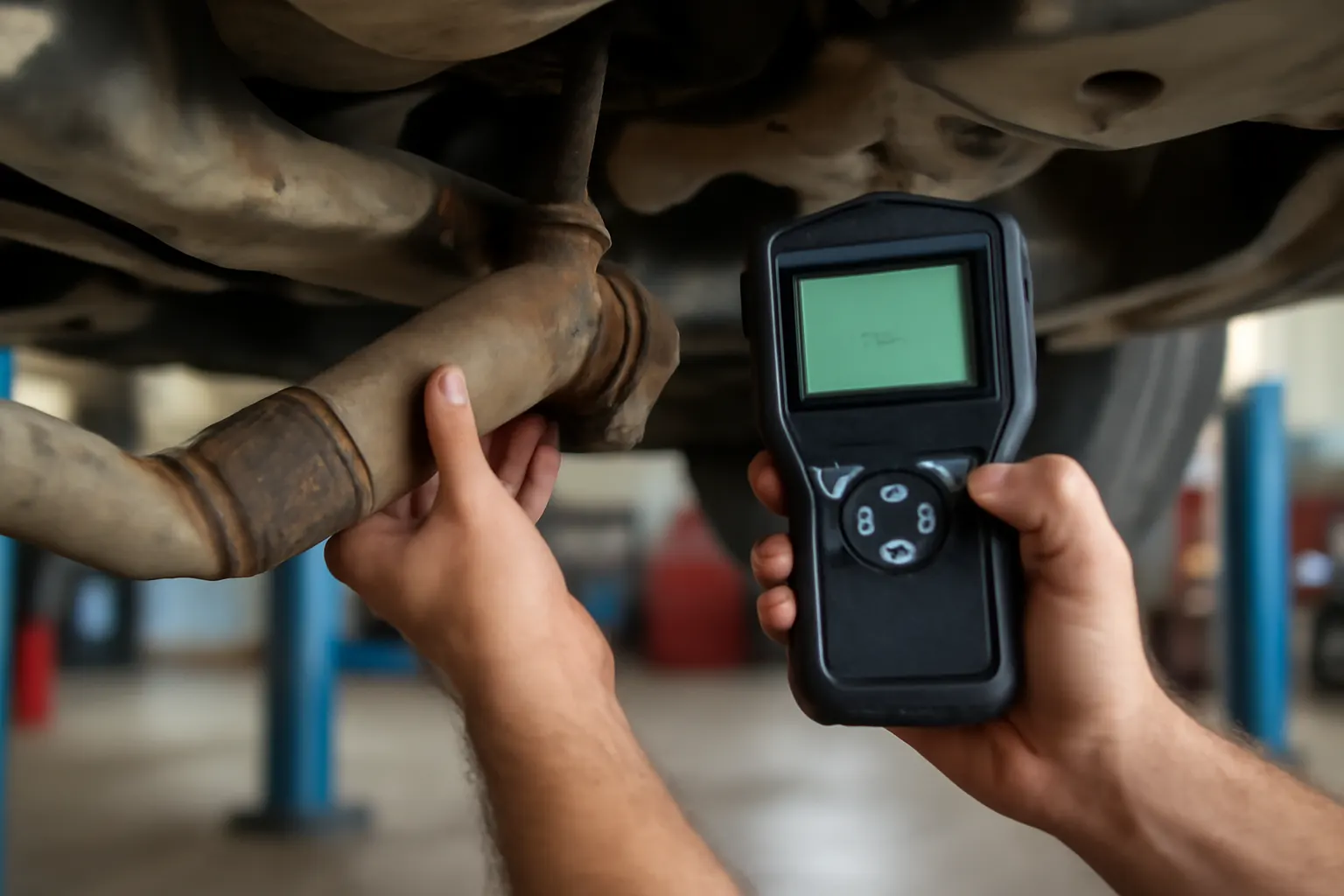
Diagnosing Exhaust Leaks Blog
The most reliable signs of an exhaust leak in your Toyota include: Unusual noises: Listen for ticking or tapping sounds, especially during cold starts or acceleration. Noticeable exhaust smell: Exhaust leaks often release fumes into the cabin or around the engine bay. Reduced fuel efficiency: Leaks can disrupt oxygen sensor readings, causing the engine to run rich. Check engine light: Fault codes related to oxygen sensors or emissions may appear.
Read More
Oem Vs Aftermarket Toyota Exhaust
When it comes to replacing or upgrading the exhaust system on your Toyota, the choice between OEM and aftermarket parts is more than just a matter of cost. OEM (Original Equipment Manufacturer) exhaust components are specifically engineered for Toyota models to ensure optimal fuel efficiency, emissions compliance, and long-term reliability. Aftermarket options, while often less expensive, can introduce hidden risks—affecting not only performance but also safety and legal compliance.
Read More
Toyota Part Supersession Explained
Toyota part supersession occurs when Toyota assigns a new part number to replace an existing one. This process is common in the automotive world, particularly for parts like exhaust lead pipes, gaskets, and hangers that may evolve due to improved engineering, updated safety standards, or changes in available materials. When you search for a Toyota exhaust lead pipe, you may encounter several part numbers for what appears to be the same component.
View Guide