Advertisement
Diagnosing Exhaust Leaks Blog
Exhaust leaks are among the most common—yet most misdiagnosed—issues affecting Toyota vehicles, especially those with aging exhaust lead pipes. If you suspect your Toyota is suffering from an exhaust leak, acting quickly can prevent further damage, restore fuel efficiency, and ensure your vehicle meets safety standards. This comprehensive guide will help you identify exhaust leak symptoms, understand Toyota-specific failure patterns, and select the best diagnostic tools for accurate, lasting repairs. For tailored solutions, see our Toyota Exhaust Lead Pipe - Fitment, Failure, and OEM Solutions | AutoPartEx resource.
Immediate Answer: How to Tell if Your Toyota Has an Exhaust Leak
The most reliable signs of an exhaust leak in your Toyota include:
- Unusual noises: Listen for ticking or tapping sounds, especially during cold starts or acceleration.
- Noticeable exhaust smell: Exhaust leaks often release fumes into the cabin or around the engine bay.
- Reduced fuel efficiency: Leaks can disrupt oxygen sensor readings, causing the engine to run rich.
- Check engine light: Fault codes related to oxygen sensors or emissions may appear.
- Visible soot or black marks: Inspect the exhaust lead pipe and joints for carbon deposits.
If you observe any combination of these symptoms, it’s time for a thorough inspection.
The Hidden Problem: Why Toyota Exhaust Leaks Are Often Overlooked
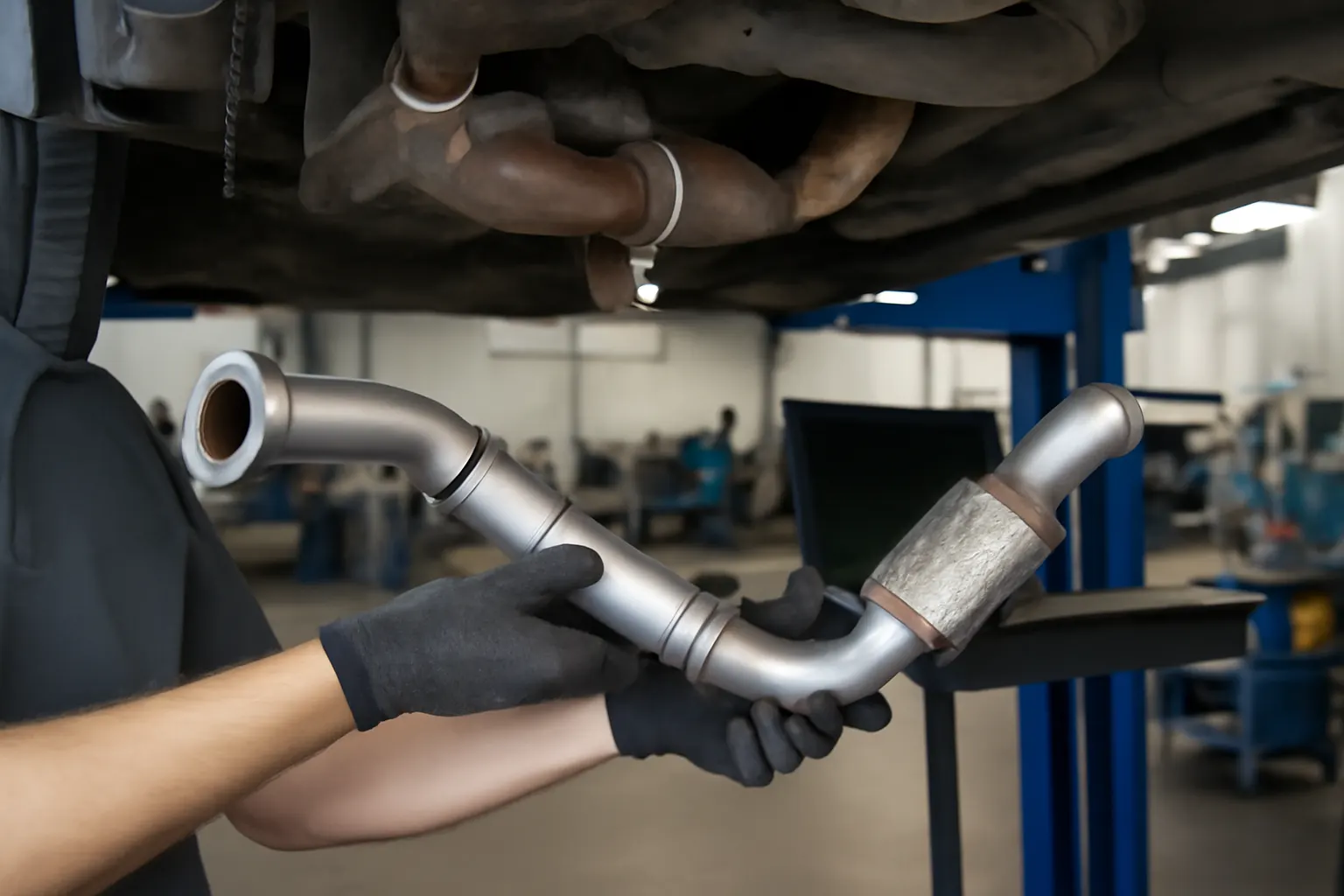
While exhaust leaks are easy to recognize once severe, early-stage leaks are commonly missed, especially in the lead pipe area of Toyota vehicles. The lead pipe, connecting the exhaust manifold to the catalytic converter, is exposed to extreme heat cycles, vibration, and environmental contaminants. The result: pinhole leaks, cracked flanges, and failed gaskets that may not trigger obvious symptoms until the leak worsens.
Owners and even some technicians may attribute subtle noise or minor fuel efficiency drops to normal wear, missing the opportunity to prevent further component damage. Additionally, Toyota’s use of varying materials and joint designs across model years complicates diagnosis and repair.
The Cost of Ignoring Exhaust Leaks
Failing to address an exhaust leak can have cascading effects:
- Compromised safety: Leaking exhaust gases can enter the cabin, exposing occupants to carbon monoxide.
- Reduced performance: Leaks upstream of oxygen sensors can cause erratic engine operation and increased fuel consumption.
- Failed emissions tests: Even minor leaks can cause your Toyota to fail state inspections.
- Accelerated component wear: Leaks near sensors or the catalytic converter can cause premature failure of expensive parts.
The longer a leak is ignored, the more expensive and complex the repair becomes.
Understanding Toyota Exhaust Lead Pipe Failure Patterns
Toyota exhaust systems are engineered for durability, but several failure patterns are well-known among technicians:
1. Flange Corrosion
Toyota lead pipes often use bolted flanges at the manifold and catalytic converter. These flanges are susceptible to rust, especially in regions using road salts. Corrosion leads to gasket failure and eventually to flange separation.
2. Pipe Cracking
Thermal cycling and vibration can cause the lead pipe itself to crack, particularly at bends or welds. Vehicles with higher mileage or exposure to frequent short trips are at increased risk.
3. Gasket Deterioration
The gaskets sealing the lead pipe flanges can harden, shrink, or burn through over time. Oil leaks from valve covers or head gaskets can accelerate this process by contaminating the gasket material.
4. Fastener Failure
Bolts and studs securing the lead pipe are prone to seizing, snapping, or backing out due to heat and corrosion, leading to incomplete sealing and leaks.
Exhaust Leak Symptoms: What to Listen, Smell, and Look For
Diagnosing an exhaust leak requires a multi-sensory approach. Here’s what to check:
Auditory Clues
- Ticking or popping noises: Most pronounced during cold starts or acceleration.
- Hissing or whooshing: Indicates a smaller or pinhole leak.
Advertisement
Olfactory Clues
- Sharp, acrid exhaust smell: Especially inside the cabin or near the engine bay.
Visual Clues
- Black soot marks: Around the lead pipe, flanges, or manifold joints.
- Rust or visible holes: On the pipe or mounting flanges.
- Moisture or white residue: May indicate coolant or condensation leaks mixing with exhaust gases.
The Best Diagnostic Tools for Toyota Exhaust Leaks
While a keen ear and eye are essential, specialized tools make diagnosis more accurate:
- Smoke machine: Introduces harmless smoke into the exhaust system to reveal leaks.
- Mechanic’s stethoscope: Pinpoints noises at specific joints or pipes.
- Soapy water spray: Bubbles will appear at leak sites when the engine is running.
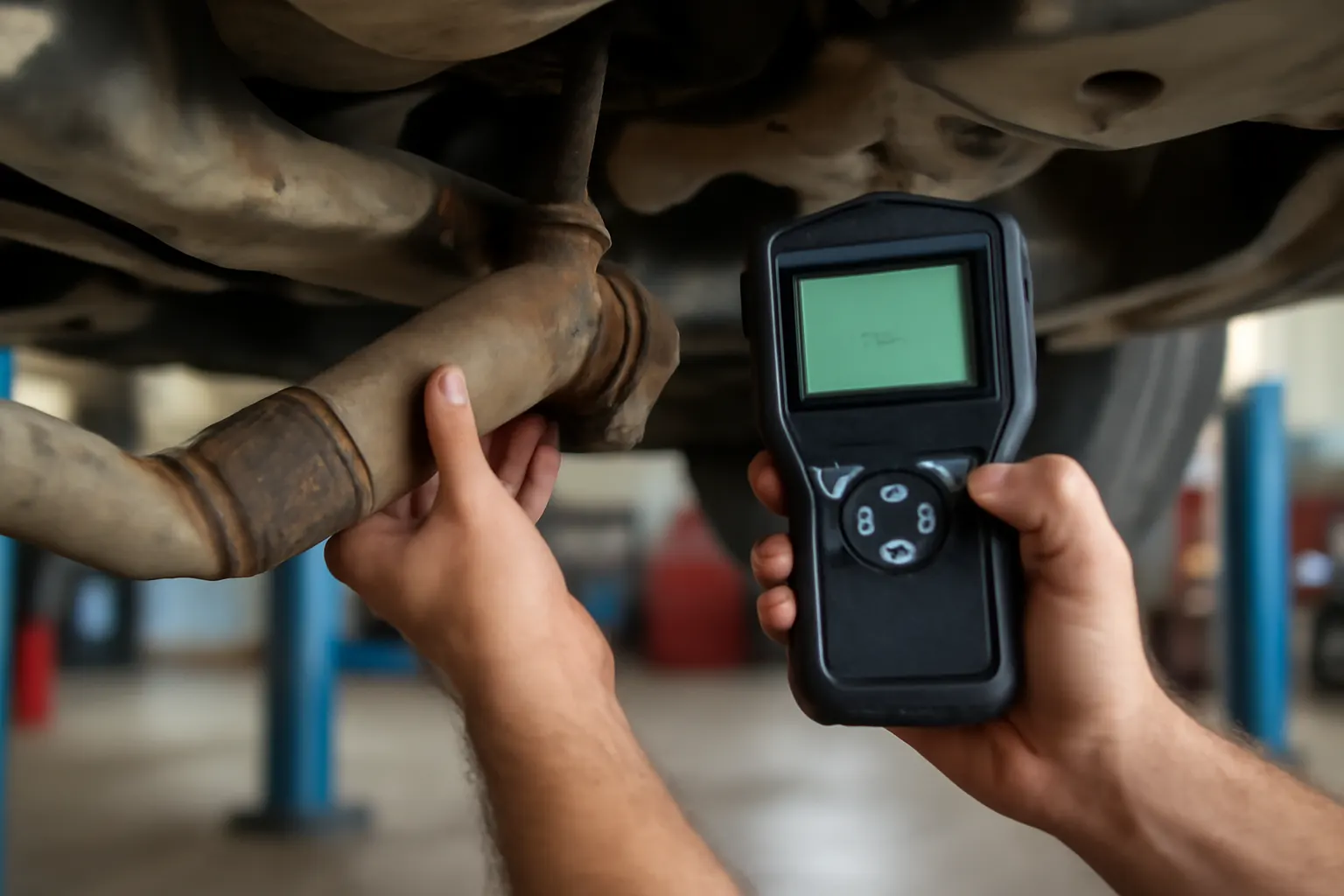
- OBD-II scan tool: Reads fault codes related to oxygen sensors, fuel trim, or emissions.
Checklist: Essential Tools for Exhaust Leak Diagnosis
| Tool | Purpose | Toyota-Specific Notes |
|---|---|---|
| Smoke machine | Visualizes leaks at joints and cracks | Crucial for detecting small leaks |
| Mechanic’s stethoscope | Pinpoints ticking/hissing sounds | Useful at manifold/lead pipe joints |
| Soapy water spray | Reveals leaks via bubbling | Simple, effective for small leaks |
| OBD-II scanner | Reads emissions/fuel trim codes | Especially helpful for newer models |
| Inspection mirror | Allows viewing hidden pipe sections | Needed for underbody inspections |
Step-by-Step Guide: Diagnosing a Toyota Exhaust Leak
- Perform a cold start: Listen for ticking or popping noises as the engine warms.
- Visual inspection: With the engine off and cool, inspect the lead pipe, flanges, and gaskets for soot, rust, or cracks.
- Spray soapy water: With the engine running, spray suspected areas and watch for bubbling.
- Use a smoke machine: If available, introduce smoke into the exhaust system and observe leak points.
- Scan for codes: Use an OBD-II tool to check for P0130–P0175 codes, which may indicate sensor or mixture issues related to leaks.
- Confirm with a stethoscope: Probe around the lead pipe and manifold for localized hissing or ticking.
Tip: Always perform inspections in a well-ventilated area and wear appropriate PPE.
Common Toyota Models and Years Prone to Exhaust Lead Pipe Leaks
Certain Toyota models and year ranges are more susceptible to exhaust lead pipe issues due to design and material choices:
- Toyota Camry (1997–2006): Prone to flange corrosion and gasket failure.
- Toyota Corolla (2003–2013): Lead pipe cracking at bends is common.
- Toyota Tacoma (2005–2015): Fastener and flange rust in northern climates.
- Toyota Highlander (2001–2007): Gasket and weld failures at the lead pipe.
- Toyota Sienna (2004–2010): Noted for exhaust leaks near the flex joint.
If your vehicle falls within these ranges, increase inspection frequency and consider preemptive maintenance.
Technical Deep Dive: Why Exhaust Leaks Harm Performance and Safety
Exhaust leaks upstream of the catalytic converter or oxygen sensors disrupt the air-fuel mixture by introducing extra oxygen, causing the engine to run rich. This not only reduces fuel efficiency but also increases emissions and risks damage to the catalytic converter.
From a safety perspective, leaks near the firewall or under the cabin can allow carbon monoxide and other hazardous gases to enter the passenger compartment—a serious health risk. The National Highway Traffic Safety Administration emphasizes that proper maintenance of exhaust equipment is critical for occupant safety.
Furthermore, modern Toyota vehicles rely on precise oxygen sensor readings for engine management. Even minor leaks can trigger check engine lights and result in failed emissions tests.
Repair Solutions: OEM vs Aftermarket Toyota Exhaust Lead Pipes
When repairing a Toyota exhaust leak, choosing the right replacement part is critical for longevity and fitment:
Advertisement
- OEM Lead Pipes: Designed to original Toyota specifications, ensuring correct fit and material quality. OEM parts often include upgraded gaskets and hardware.
- Aftermarket Lead Pipes: May offer cost savings but can vary in material thickness, flange design, and weld quality. Some require modification to fit properly.
For a comprehensive comparison, see Oem Vs Aftermarket Toyota Exhaust.
Installation Tips:
- Always use new gaskets and fasteners.
- Clean flange surfaces thoroughly before assembly.
- Apply anti-seize to bolts to prevent future seizing.
- Torque fasteners to Toyota specifications to ensure proper sealing.
Preventive Maintenance: Extending the Life of Your Toyota Exhaust System
Proactive maintenance can dramatically reduce the risk of exhaust leaks:
- Regular underbody inspections: Especially after winter or exposure to road salts.
- Address oil leaks promptly: Oil contamination accelerates gasket and pipe deterioration.
- Replace worn rubber hangers: Prevents excess movement and stress on the lead pipe.
- Wash the undercarriage: Removes salt and debris that accelerate corrosion.
- Monitor for new noises or smells: Early intervention prevents major repairs.
If you’re unsure about your vehicle’s exhaust health, consult our Toyota Exhaust Fitment Guide for inspection intervals and tips.
Sourcing Quality Parts: What to Look for in a Replacement Lead Pipe
When searching for a replacement Toyota exhaust lead pipe, consider:
- Material quality: Stainless steel or aluminized steel resists rust and corrosion.
- Weld integrity: Smooth, full-penetration welds last longer.
- OEM-style flanges and gaskets: Ensure a leak-free, direct-fit installation.
- Manufacturer reputation: Choose brands with proven Toyota fitment and performance.
For a deeper dive into part compatibility and Toyota’s part numbering system, see Toyota Part Supersession Explained.
Fitment Challenges: Avoiding Common Installation Pitfalls
Even the best replacement part can leak if not installed correctly. Common installation challenges include:
- Misaligned flanges: Can cause gasket blowout and persistent leaks.
- Over- or under-tightening bolts: Risks warping flanges or inadequate sealing.
- Reusing old gaskets: Leads to immediate or rapid leak recurrence.
- Ignoring companion components: Worn hangers or supports can stress new pipes.
Fitment Checklist
- Confirm part number and compatibility for your Toyota model and year.
- Inspect flange surfaces for flatness and cleanliness.
- Use new, high-quality gaskets and hardware.
- Torque all fasteners to spec in a cross-pattern sequence.
- Test for leaks post-installation using soapy water or a smoke machine.
When to Seek Professional Help
While many Toyota exhaust lead pipe leaks can be diagnosed and repaired by skilled DIYers, certain situations warrant professional intervention:
- Severely rusted or seized fasteners: May require torching or extraction tools.
- Complex emissions systems: Incorrect repairs can trigger persistent check engine lights.
- Warranty or emissions compliance: Some repairs require certified documentation.
- Recurring leaks: Suggest underlying alignment or support issues.
A professional technician will have access to advanced diagnostic equipment and ensure repairs meet safety and emissions standards.
AutoPartEx: Your Partner for Toyota Exhaust Solutions
At AutoPartEx, we specialize in fitment, diagnosis, and sourcing solutions for Toyota exhaust systems. Our curated inventory includes OEM and premium aftermarket lead pipes, gaskets, and hardware, all backed by engineering expertise. Whether you’re a DIYer or a professional, our resources—like the Toyota Exhaust Lead Pipe - Fitment, Failure, and OEM Solutions | AutoPartEx—provide the guidance and parts you need for a reliable, leak-free repair.
We support you through every stage:
- Expert fitment advice for your specific Toyota model.
- Technical articles and diagnostic guides written by seasoned professionals.
- Access to the latest OEM supersession data and compatibility insights.
Conclusion: Take Action on Exhaust Leaks—Don’t Wait
Exhaust leaks are more than a nuisance—they impact safety, performance, and long-term reliability. With the right diagnostic approach, quality parts, and attention to Toyota-specific failure patterns, you can restore your vehicle’s exhaust integrity and ensure peace of mind.
Don’t let a minor leak turn into a major repair. Use the checklists and guidance in this blog to inspect, diagnose, and repair your Toyota’s exhaust lead pipe. For personalized help and high-quality parts, trust AutoPartEx as your go-to resource for all things Toyota exhaust.
References
Advertisement