
Advertisement
Exhaust system maintenance is essential for Toyota owners who want to maximize vehicle efficiency, safety, and long-term reliability. This comprehensive blog delivers actionable tips for corrosion prevention, material selection, and service intervals—helping you avoid the most common and costly Toyota exhaust issues. Whether you’re a DIY enthusiast or a maintenance-minded driver, understanding the unique challenges of Toyota exhaust systems, especially cross pipes, is key to keeping your vehicle running at peak performance.
Early attention to exhaust maintenance not only prevents breakdowns but also preserves fuel economy and ensures compliance with safety standards. If you’re looking for technical guidance, fitment risks, or expert sourcing advice, refer to our Toyota Exhaust Cross Pipe: Technical Guide, Fitment Risks, and Expert Sourcing in parallel with this blog.
Why Toyota Exhaust System Maintenance Matters Immediately
A healthy exhaust system is more than a noise suppressor—it’s a critical component for engine efficiency, emissions control, and occupant safety. For Toyota owners, especially those with aging vehicles or those operating in harsh climates, neglecting exhaust maintenance can lead to rapid corrosion, poor fuel economy, and even hazardous exhaust leaks.
Routine attention to exhaust hardware—pipes, cross pipes, clamps, hangers, and gaskets—ensures that your vehicle operates as designed, maintains optimal fuel efficiency, and avoids the risk of dangerous carbon monoxide intrusion. The United States Department of Energy confirms that a compromised exhaust can directly impact fuel economy and overall drivetrain performance [^1].
The Hidden Problem: Corrosion and Material Degradation
While exhaust systems are engineered for durability, they are constantly exposed to high heat, moisture, road salts, and debris. For Toyota models, cross pipes and connecting hardware are often the first to show signs of corrosion due to their location and material composition.
Corrosion is not always externally visible. Internal rust, especially at welds, flanges, and inside cross pipes, can silently eat away at the metal, leading to leaks or even catastrophic failure. In regions with heavy road salt usage or high humidity, these processes accelerate, shortening the effective life of even OEM-grade Toyota exhaust components.
Understanding the Risks: Technical and Safety Implications
A compromised exhaust cross pipe or related system component can have cascading effects:
- Fuel Efficiency Loss: Leaks or restrictions in the exhaust system can disrupt backpressure, causing the engine to work harder and burn more fuel. This directly impacts your miles per gallon, as documented by the Department of Energy [^1].
- Emission Failures: Faulty exhausts increase harmful emissions, jeopardizing your vehicle’s ability to pass inspection.
- Safety Hazards: Exhaust leaks—especially upstream of the cabin—can introduce carbon monoxide, posing a serious health risk.
- Noise and Performance: A failing exhaust can result in excessive noise and reduced engine performance.
- Component Damage: Unaddressed leaks can lead to overheating or damage to adjacent components, including sensors and wiring.
The National Highway Traffic Safety Administration (NHTSA) highlights the importance of exhaust integrity as a core aspect of vehicle safety and equipment standards [^2].
Material Selection: Why It’s a Game-Changer for Toyota Exhaust Longevity
Not all exhaust components are created equal. Toyota exhaust systems, especially cross pipes and connectors, are typically made from aluminized steel or stainless steel. The choice of material dramatically affects resistance to corrosion and overall durability.
- Aluminized Steel: Offers basic corrosion resistance at a lower cost but is vulnerable to road salt and moisture over time.
- 409 Stainless Steel: Common in OEM Toyota systems, provides improved corrosion resistance and durability.
- 304 Stainless Steel: Premium aftermarket option, highly resistant to rust and corrosion, ideal for harsh climates or performance builds.
The United States Department of Energy underscores the role of advanced materials in enhancing both vehicle performance and component lifespan [^3]. When selecting replacement parts, always confirm the grade of steel and any coatings applied.
Advertisement
Recognizing Early Warning Signs of Exhaust System Trouble
Timely detection of exhaust issues is crucial. Watch for these warning signs in your Toyota:
- Increased Engine Noise: Rattling, hissing, or loud rumbling from beneath the vehicle.
- Visible Rust or Holes: Especially around welds, flanges, or the cross pipe.
- Vibration: Unusual vibration in the floor or seats, often due to loose or misaligned pipes.
- Decreased Fuel Economy: A sudden drop in miles per gallon, sometimes accompanied by a check engine light.
- Exhaust Smell in Cabin: Any exhaust odor inside the vehicle is a serious red flag.
- Failed Emissions Test: Unexpected test failures often point to leaks or catalytic converter issues.
If you notice any of these symptoms, a detailed inspection is warranted. For model-specific fitment and diagnostic guidance, consult our Toyota Exhaust Cross Pipe Fitment Guide.
Exhaust System Inspection Checklist for Toyota Owners
Performing regular visual and hands-on inspections is the cornerstone of exhaust system longevity. Use this detailed checklist every 6-12 months, or more frequently in harsh climates:
Toyota Exhaust System Inspection Checklist
| Step | Component | What to Look For | Action if Issue Found |
|---|---|---|---|
| 1 | Cross Pipe | Rust, cracks, holes, leaks | Replace or repair as needed |
| 2 | Flanges & Welds | Corrosion, separation | Clean, weld, or replace |
| 3 | Hangers & Mounts | Broken, loose, missing | Replace hangers or mounting hardware |
| 4 | Gaskets & Seals | Black soot, leaks | Replace gaskets/seals |
| 5 | Heat Shields | Loose, rattling, missing | Reattach or replace |
| 6 | Catalytic Converter | Rattling, discoloration | Inspect for internal damage |
| 7 | Oxygen Sensors | Wiring damage, corrosion | Replace sensor as required |
| 8 | Pipe Surfaces | Pitting, flaking, excessive rust | Sand, treat, or replace |
| 9 | Underbody | Signs of exhaust impact | Inspect for hidden cracks |
| 10 | Cabin Smell | Exhaust odor inside vehicle | Immediate professional inspection |
Perform inspections on a cool vehicle and, if possible, on a lift for full underbody access.
Service Intervals: When Should Toyota Exhaust Components Be Replaced?
Unlike oil or filters, exhaust system service intervals are not always mileage-based. Instead, replacement depends on use conditions, climate, and material quality. As a general guideline:
- OEM Toyota Cross Pipes: Inspect every 30,000 miles or 2 years, replace at first sign of major corrosion or leak.
- Aftermarket Stainless Steel Pipes: May last 80,000+ miles, but still require annual inspection.
- Gaskets and Hangers: Replace whenever exhaust work is performed, or if they show signs of wear or failure.
Vehicles operated in northern climates or near the ocean should be inspected more frequently due to increased corrosion risk. Reference your Toyota service manual for model-specific recommendations and always use parts compliant with NHTSA safety standards [^2].
Corrosion Prevention: Practical Strategies for Toyota Owners
Preventing exhaust system corrosion is far easier and less costly than repairing or replacing failed components. Here’s how to extend the life of your Toyota’s exhaust:
- Regular Washing: Rinse the undercarriage frequently, especially after driving on salted roads.
- Rust Treatments: Apply high-temperature exhaust paint or rust inhibitors to pipes and flanges.
- Garage Parking: Store your vehicle indoors during wet or snowy weather, reducing moisture exposure.
- Drainage Checks: Ensure that drain holes in mufflers and pipes are clear to prevent moisture accumulation.
- Professional Inspections: Have your exhaust system checked during routine service appointments.
For those in high-risk environments, consider upgrading to 304 stainless steel cross pipes and connectors for maximum corrosion resistance.
Diagnosing Toyota Exhaust Cross Pipe Failures
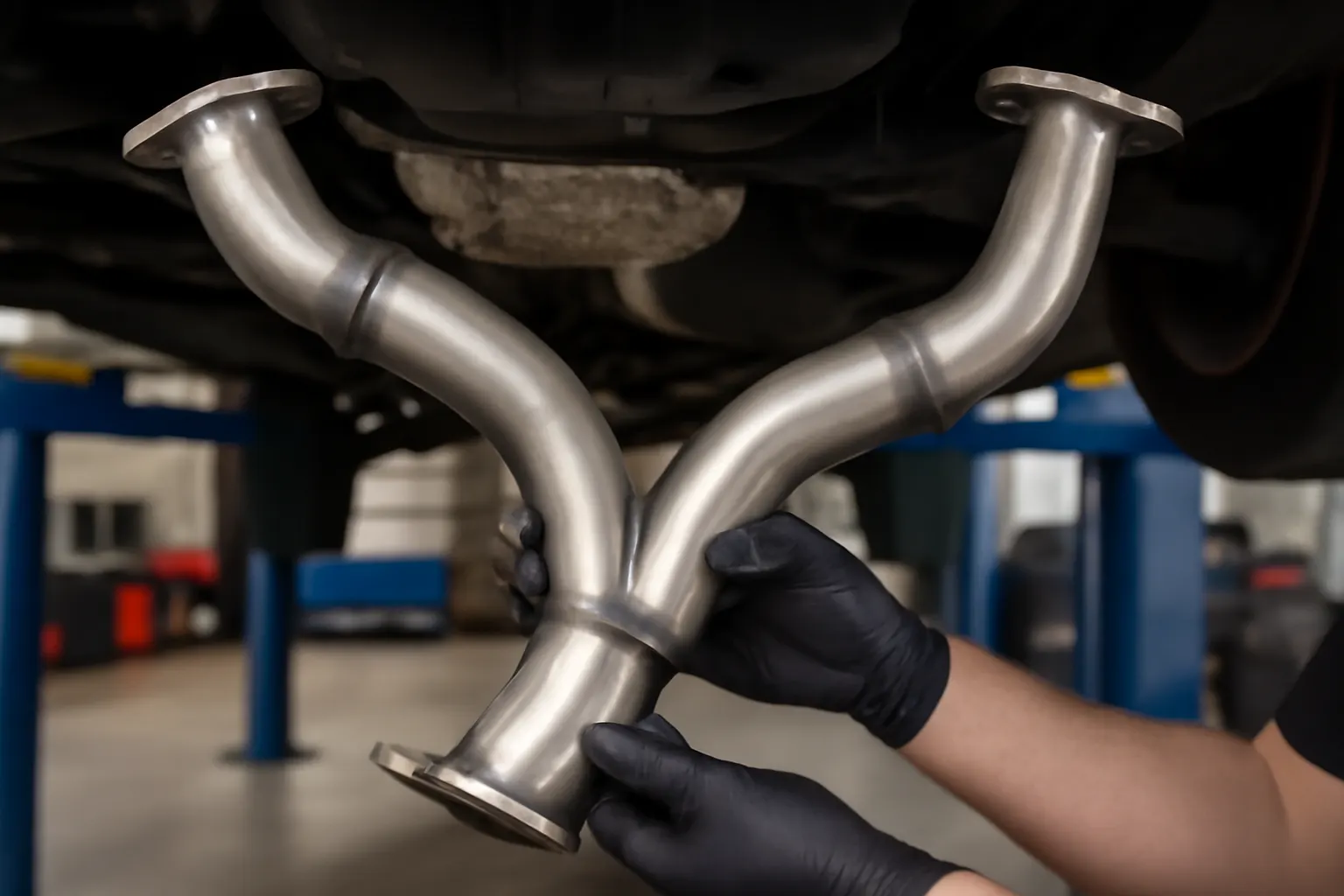
Cross pipe failures are a common source of Toyota exhaust issues, often misdiagnosed as muffler or catalytic converter problems. Here’s how to pinpoint cross pipe trouble:
- Visual Inspection: Look for rust, cracks, or holes, especially at bends and welds.
- Leak Test: With the engine running (in a well-ventilated area), listen for hissing or popping sounds near the cross pipe.
- Feel for Leaks: Carefully (with gloves), feel along the pipe for escaping exhaust gases.
- Check for Soot: Black streaks around joints indicate leaks.
- Monitor Performance: Reduced low-end torque or increased engine noise can point to cross pipe restriction or failure.
Advertisement
If in doubt, consult a professional or refer to our Toyota Exhaust Cross Pipe: Technical Guide, Fitment Risks, and Expert Sourcing for in-depth diagnostic procedures.
Choosing the Right Replacement Parts: OEM vs. Aftermarket
When it’s time to replace a Toyota exhaust cross pipe or related component, the decision between OEM and aftermarket parts can be complex:
- OEM (Original Equipment Manufacturer): Guaranteed fitment, meets Toyota’s material and engineering standards, often comes with a warranty, but may be more expensive.
- Aftermarket: Wider range of materials (including premium stainless options), possible performance enhancements, but requires careful selection to ensure fitment and compliance.
For a detailed comparison, see our Toyota Oem Vs Aftermarket Exhaust guide. Always verify that aftermarket parts meet or exceed OEM specifications and comply with NHTSA safety standards [^2].
Installation Best Practices for Toyota Exhaust Systems
Proper installation is crucial to exhaust system longevity and safety. Follow these best practices:
- Use New Gaskets and Hardware: Always replace gaskets, clamps, and hangers during installation.
- Clean Mating Surfaces: Remove all old gasket material and rust before assembly.
- Torque to Specification: Use a torque wrench to tighten bolts to manufacturer specifications, preventing leaks and distortion.
- Check Alignment: Ensure pipes are properly aligned and clear of bodywork to prevent rattles and vibration.
- Double-Check Hanger Position: Hangers must support the system without stress or sagging.
- Test for Leaks: After installation, run the engine and check for leaks at all joints.
For complex jobs or if welding is required, professional installation is recommended.
Fitment Risks: Avoiding Common Toyota Exhaust Pitfalls
Improper fitment is a leading cause of premature exhaust failure. Risks include:
- Incorrect Pipe Diameter: Can cause leaks, poor performance, or interference with underbody components.
- Wrong Hanger Location: Leads to stress fractures or excessive vibration.
- Misaligned Flanges: Causes sealing problems and rapid gasket failure.
- Poor Welds: Increases risk of cracks and corrosion.
Always match replacement parts to your specific Toyota model, year, and engine configuration. For guidance, check our Toyota Exhaust Part Supersession resource, which explains how Toyota supersedes part numbers and ensures correct cross-referencing.
Advanced Materials: How They Impact Performance and Durability
Material technology is advancing rapidly, offering Toyota owners new options for exhaust upgrades. According to the U.S. Department of Energy, advanced materials such as high-grade stainless steel and corrosion-resistant coatings deliver dramatic improvements in both performance and lifespan [^3].
Key considerations for Toyota exhaust upgrades:
- Weight Reduction: Lighter materials reduce vehicle mass, improving fuel economy and handling.
- Thermal Management: High-quality alloys withstand extreme temperatures, reducing the risk of warping or cracking.
- Corrosion Resistance: Advanced coatings and alloys extend service intervals and reduce maintenance costs.
When sourcing replacement pipes or cross pipes, always inquire about material specifications and manufacturer testing standards.
AutoPartEx: Your Partner in Toyota Exhaust Expertise
AutoPartEx stands as a trusted resource for Toyota owners seeking technical guidance, fitment verification, and expert part sourcing. Our editorial team draws on industry standards, government safety data, and real-world installation experience to keep your Toyota’s exhaust system performing at its best.
Whether you need a cross pipe for a classic Land Cruiser or a full stainless upgrade for your Tacoma, our curated parts database and technical guides ensure you get the right fit the first time. For model-specific support and the latest fitment updates, visit our Toyota Exhaust Cross Pipe: Technical Guide, Fitment Risks, and Expert Sourcing page.
Take Action: Maintain, Inspect, and Upgrade Your Toyota Exhaust
Don’t wait for a failed emissions test or an unexpected breakdown. Schedule regular exhaust inspections, invest in quality materials, and follow best practices for installation and maintenance. By staying proactive, you’ll protect your Toyota’s value, safety, and efficiency for years to come.
For further reading or to explore our full range of technical guides, check out our Toyota Exhaust Cross Pipe Fitment Guide and Toyota Oem Vs Aftermarket Exhaust articles.
References
Advertisement
