
Toyota Exhaust Cross Pipe
Toyota Exhaust Cross Pipe: Technical Guide, Fitment Risks, and Expert Sourcing
The exhaust cross pipe is a critical component in Toyota’s exhaust architecture, responsible for balancing exhaust flow between engine banks, optimizing emissions, and sustaining engine performance. In Toyota vehicles—especially V6 and V8 engine families—the cross pipe’s function is not only to reduce backpressure but also to ensure compliance with emission standards while maintaining engine efficiency. For Toyota owners, sourcing a precise-fit exhaust cross pipe is vital to vehicle longevity, fuel economy, and regulatory compliance. This page delivers detailed technical and fitment guidance for Toyota exhaust cross pipes, including model-family compatibility, failure diagnostics, and expert sourcing strategies.
Many Toyota owners and technicians overlook the intricacies of exhaust cross pipe fitment, supersession, and scarcity. The cross pipe’s location—often tucked deep within the undercarriage or above major drivetrain components—means its wear or failure can go undiagnosed, leading to escalating symptoms such as loss of power, reduced fuel efficiency, and increased emissions. Toyota has issued multiple part supersessions and revisions for certain models, making it difficult to match the correct cross pipe to a specific VIN or engine code. Further, aftermarket and OEM cross pipes vary sharply in material quality, corrosion resistance, and weld integrity. Scarcity of genuine parts for older Toyota models increases the risk of sourcing incompatible or substandard components, which can result in costly rework or compromised emissions compliance.
Toyota exhaust cross pipes are subject to unique failure patterns and installation challenges, especially in high-mileage vehicles and regions with aggressive road salt use. Common technical failures include weld seam cracking, advanced corrosion at flange interfaces, and deformation from improper jacking or off-road impacts. Installation risks stem from tight clearances, seized fasteners, and the potential for exhaust leaks if flange gaskets are not replaced or torqued to specification. Model-family compatibility is another major concern: Toyota V6 (e.g., 3.5L 2GR-FE/3MZ-FE) and V8 (e.g., 4.7L 2UZ-FE) engines have distinct cross pipe geometries and bracket positions, and even minor year-to-year changes can affect fitment. Misidentifying interchange or supersession numbers can result in labor-intensive returns or emission system failures.
Addressing Toyota exhaust cross pipe replacement requires a precise OEM fitment strategy, guided by VIN-specific research and robust technical documentation. Start by consulting authoritative Toyota part diagrams and supersession charts to confirm the correct cross pipe for your model year, engine, and trim. Use diagnostic methods—such as smoke testing and backpressure measurement—to identify hidden leaks or restrictions before removal. For installation, reference Toyota’s torque specifications and use anti-seize on all fasteners to minimize future serviceability issues. When sourcing, prioritize platforms with verified OEM and high-quality aftermarket options, such as Toyota Exhaust Cross Pipe Fitment Guide and Exhaust System Maintenance Blog, to avoid compatibility pitfalls. Finally, leverage AutoPartEx’s expert cross-referencing and technical support to ensure you receive a part that meets Toyota’s stringent engineering standards.
Advertisement
No Toyota Exhaust Cross Pipe Found
We're currently updating our inventory for Toyota exhaust cross pipe.
Please check back soon or contact us for specific part availability.
Advertisement
More Toyota Exhaust Cross Pipe options
Filtering for Toyota • Exhaust Cross PipeScan nearby Toyota exhaust cross pipe inventory without leaving this page.
No Data Available
Please check back soon when more inventory is available for this part.
Advertisement
Expert Specs, Technical Proof, and Your Next Steps with AutoPartEx
For Toyota Exhaust Cross Pipe, long-term reliability depends on verified fitment, periodic inspection of wear components, and disciplined preventive maintenance. Confirm part numbers by VIN, check supersession notes, and compare mounting points before installation. Review service bulletins and historical failure patterns to prioritize high-risk systems, especially electrical connectors, seals, cooling components, and drivetrain interfaces.
Practical Toyota Exhaust Cross Pipe Facts
Typical Replacement Cost
Expect to pay $420–$900 for Toyota exhaust cross pipe replacement, including parts and labor. Costs are higher for AWD/4WD models due to increased installation time.
Service Timeframe
Professional replacement requires 2.5–4.5 hours depending on model and drivetrain. DIYers should allocate additional time for rusted fasteners and heat shield removal.
Common Fitment Issues
Fitment errors often occur due to part supersessions, VIN mismatches, or year-to-year changes in pipe geometry. Always confirm compatibility before purchase.
Material and Quality Differences
Toyota OEM cross pipes use corrosion-resistant 409 stainless or aluminized steel. Inferior aftermarket pipes may corrode prematurely—verify specs before installation.
References
- Vehicle, Car Seat, Tire, and Equipment Recalls - National Highway Traffic Safety Administration, accessed 2024-06-01Contains recall and equipment information relevant to Toyota exhaust components.
- Fuel Efficiency - United States Department of Energy, accessed 2024-06-01Provides authoritative data on the relationship between exhaust system condition and vehicle fuel economy.
- Materials Technologies - United States Department of Energy, accessed 2024-06-01Describes the impact of material and welding choices on exhaust durability and performance.
Related Guides & Articles

Toyota Exhaust Cross Pipe Fitment Guide
The Toyota exhaust cross pipe is a vital component in your vehicle’s exhaust system, directly impacting engine performance, emissions, and fuel efficiency. This guide delivers step-by-step instructions for diagnosing, removing, and replacing Toyota exhaust cross pipes. We’ll detail recommended tools, torque specifications, and safety precautions, ensuring both DIY and professional technicians can achieve a reliable fitment. For deeper technical background and sourcing strategies, see the Toyota Exhaust Cross Pipe: Technical Guide, Fitment Risks, and Expert Sourcing.
View Guide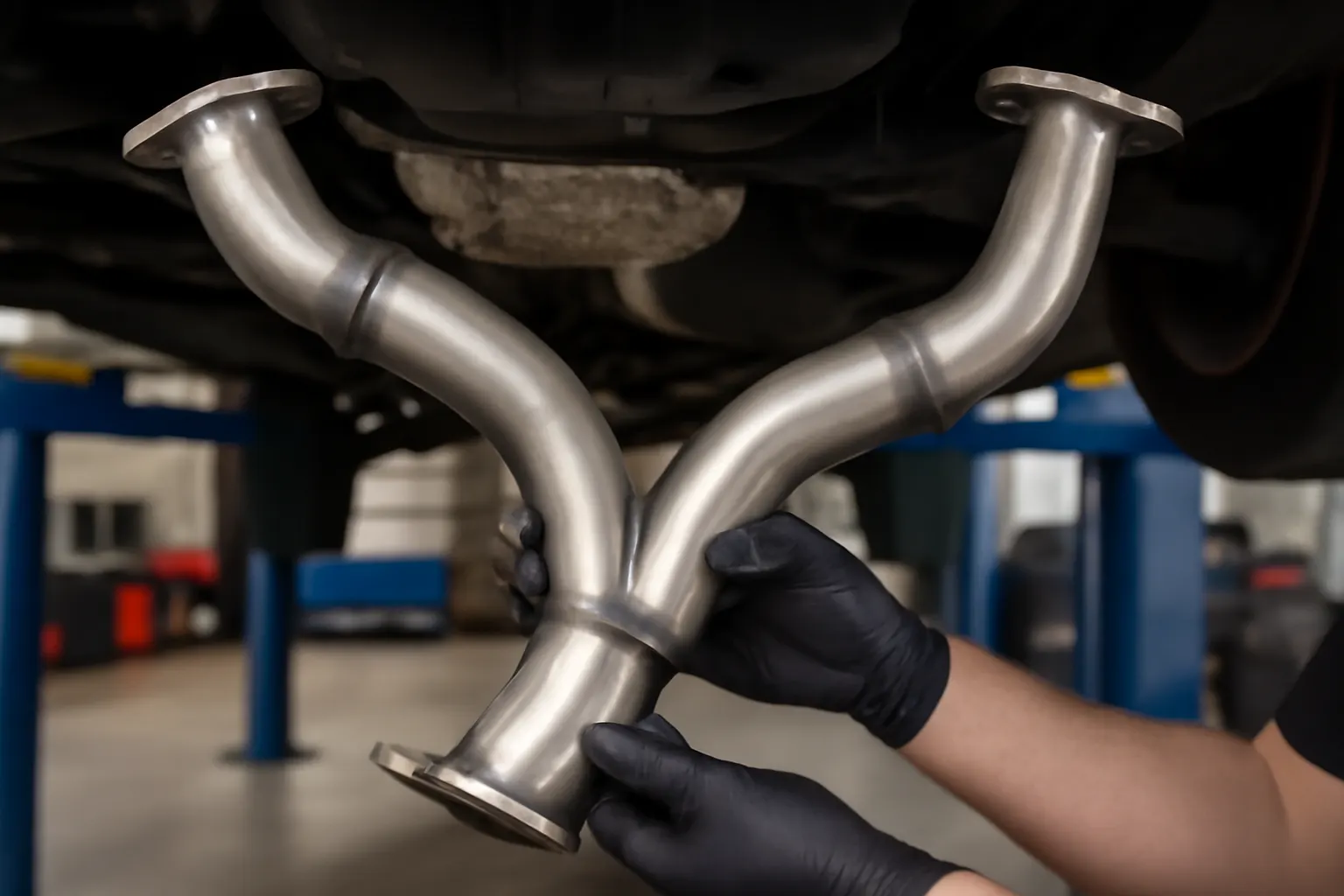
Exhaust System Blog
Exhaust system maintenance is essential for Toyota owners who want to maximize vehicle efficiency, safety, and long-term reliability. This comprehensive blog delivers actionable tips for corrosion prevention, material selection, and service intervals—helping you avoid the most common and costly Toyota exhaust issues. Whether you’re a DIY enthusiast or a maintenance-minded driver, understanding the unique challenges of Toyota exhaust systems, especially cross pipes, is key to keeping your vehicle running at peak performance.
Read More
Toyota Oem Vs Aftermarket Exhaust
Toyota OEM exhaust parts are engineered and manufactured to Toyota’s precise specifications, using materials, coatings, and geometries validated for each vehicle model. Aftermarket exhaust components range from direct-replacement parts to high-performance upgrades, produced by third-party manufacturers with varying adherence to original designs and material standards. The primary differences manifest in material quality, corrosion resistance, fitment accuracy, quality control, and the degree of engineering validation. OEM exhausts: Guaranteed fit, consistent material quality, and compliance with Toyota’s safety and emissions targets.
Read More
Toyota Exhaust Part Supersession
Supersession in Toyota exhaust parts is the manufacturer’s process of updating, replacing, or consolidating part numbers—often due to design changes, material upgrades, or cross-compatibility improvements. To accurately identify and cross-reference superseded Toyota exhaust part numbers for your specific model-year, use Toyota’s official part databases, validated cross-reference charts, and expert fitment guides. This ensures correct installation, optimal performance, and safety compliance, especially when dealing with critical components like the Toyota exhaust cross pipe.
View Guide