
Advertisement
Exhaust system corrosion is a pervasive challenge for Toyota vehicle owners, often leading to unexpected leaks, noise, and even safety concerns. In this comprehensive guide, the AutoPartEx Technical Editorial Team delivers immediate, actionable advice on how to diagnose, prevent, and repair exhaust system corrosion—especially as it pertains to the Toyota exhaust tail pipe and related components. Whether you’re a DIY enthusiast, a professional technician, or simply a Toyota owner seeking to protect your investment, this blog will help you recognize early warning signs, understand the science behind corrosion, and implement proven maintenance and repair strategies.
For detailed fitment and OEM replacement insights specific to your Toyota model, refer to our Toyota Exhaust Tail Pipe: OEM Fitment, Failure Patterns, and Replacement Strategy resource.
Understanding the Immediate Risks of Exhaust Corrosion
Corrosion in the exhaust system—especially the tail pipe, muffler, and connecting pipes—can rapidly compromise vehicle performance and safety. The most pressing risks include:
- Exhaust leaks: Allowing harmful gases like carbon monoxide to enter the cabin.
- Increased noise: Resulting from perforated or rusted sections.
- Failed emissions tests: Due to leaks and improper exhaust flow.
- Reduced fuel efficiency: As exhaust restrictions or leaks disrupt engine management.
Many Toyota owners first notice a louder exhaust note or a metallic rattling under the vehicle. These symptoms often indicate advanced corrosion, which may have been developing unnoticed for years.
The Hidden Problem: Why Exhaust Corrosion Is Often Overlooked
Exhaust system corrosion typically progresses out of sight, beneath the vehicle, where moisture, road salt, and debris accumulate. Because exhaust pipes are exposed, they are prime targets for oxidation—especially in climates with winter road treatments or high humidity.
Key hidden factors:
- Moisture Trapping: Short trips prevent the exhaust system from reaching temperatures that evaporate accumulated condensation, accelerating internal rust.
- Road Salt: In snowy regions, salt hastens the electrochemical reactions that cause steel to corrode.
- Material Quality: While Toyota uses corrosion-resistant alloys, not all exhaust components are stainless steel. Welds, clamps, and hangers are often more susceptible.
- Age and Mileage: Even well-maintained vehicles can develop corrosion after 5–10 years, especially if driven in harsh environments.
Owners may delay inspection or repairs because early corrosion rarely triggers a check engine light or obvious drivability symptoms. By the time external rust is visible, internal thinning or perforation may already be advanced.
Technical Deep Dive: How Exhaust Corrosion Develops in Toyota Vehicles
Corrosion in exhaust systems is fundamentally an electrochemical process—iron in steel reacts with oxygen and water to form iron oxide (rust). This process is exacerbated by:
- Thermal Cycling: Repeated heating and cooling causes metal expansion and contraction, leading to microcracks where corrosion starts.
- Chemical Exposure: Sulfur compounds in fuel, road de-icers, and even acidic condensation from combustion byproducts accelerate metal degradation.
- Material Variance: Toyota exhaust systems may use aluminized or stainless steel for main pipes, but flanges, hangers, and welds are sometimes plain steel or lower-grade alloys.
- Design Considerations: Bends, welds, and shielded areas tend to trap moisture, increasing localized corrosion risk.
Common corrosion points:
- Tail pipe tips and ends
- Muffler seams and hangers
- Flange connections and gaskets
- Welded joints and heat shields
Recognizing the Early Signs of Exhaust Corrosion
Early detection is critical for minimizing repair costs and preventing more severe damage. Here’s what to look for:
- Visual Inspection: Look for orange-brown rust, flaking metal, blistering, or wet spots (indicating pinhole leaks) on the tail pipe and muffler.
- Auditory Cues: Listen for increased exhaust noise, especially a hollow or raspy tone, which may indicate a breach.
- Smell: A sharp, acrid odor near the rear of the vehicle or inside the cabin may signal exhaust leaks.
- Performance Changes: Reduced fuel efficiency, engine hesitation, or failed emissions testing can be secondary signs.
Checklist: Early Corrosion Detection
Advertisement
| Symptom | Inspection Point | Action Needed |
|---|---|---|
| Rust flakes | Pipe exterior/interior | Clean and monitor |
| Pinhole leaks | Muffler, tail pipe | Seal or replace section |
| Rattling sounds | Hangers, shields | Tighten or replace hangers |
| Wet spots | Pipe seams/flanges | Inspect for leaks |
| Foul odor | Cabin, tailpipe area | Check for exhaust entry |
Diagnosing Exhaust Corrosion: Step-by-Step Inspection Guide
A thorough inspection is the foundation of effective exhaust maintenance. Follow this structured approach:
1. Safety First
- Ensure the vehicle is parked on a level surface.
- Allow the exhaust system to cool completely before inspection.
- Use jack stands if raising the vehicle.
2. Visual and Physical Inspection
- Start at the tail pipe and work forward, checking for rust, holes, or weak spots.
- Tap lightly with a rubber mallet; a dull sound may indicate internal corrosion.
- Inspect welds and flanges for cracks or separation.
- Wiggle the exhaust tail pipe and muffler—excessive movement suggests weakened hangers or rusted connections.
3. Leak Detection
- With the engine running (in a well-ventilated area), listen for hissing, popping, or whistling sounds.
- Use a smoke machine (or soapy water) to detect leaks—bubbles will form at leak points.
4. Internal Corrosion
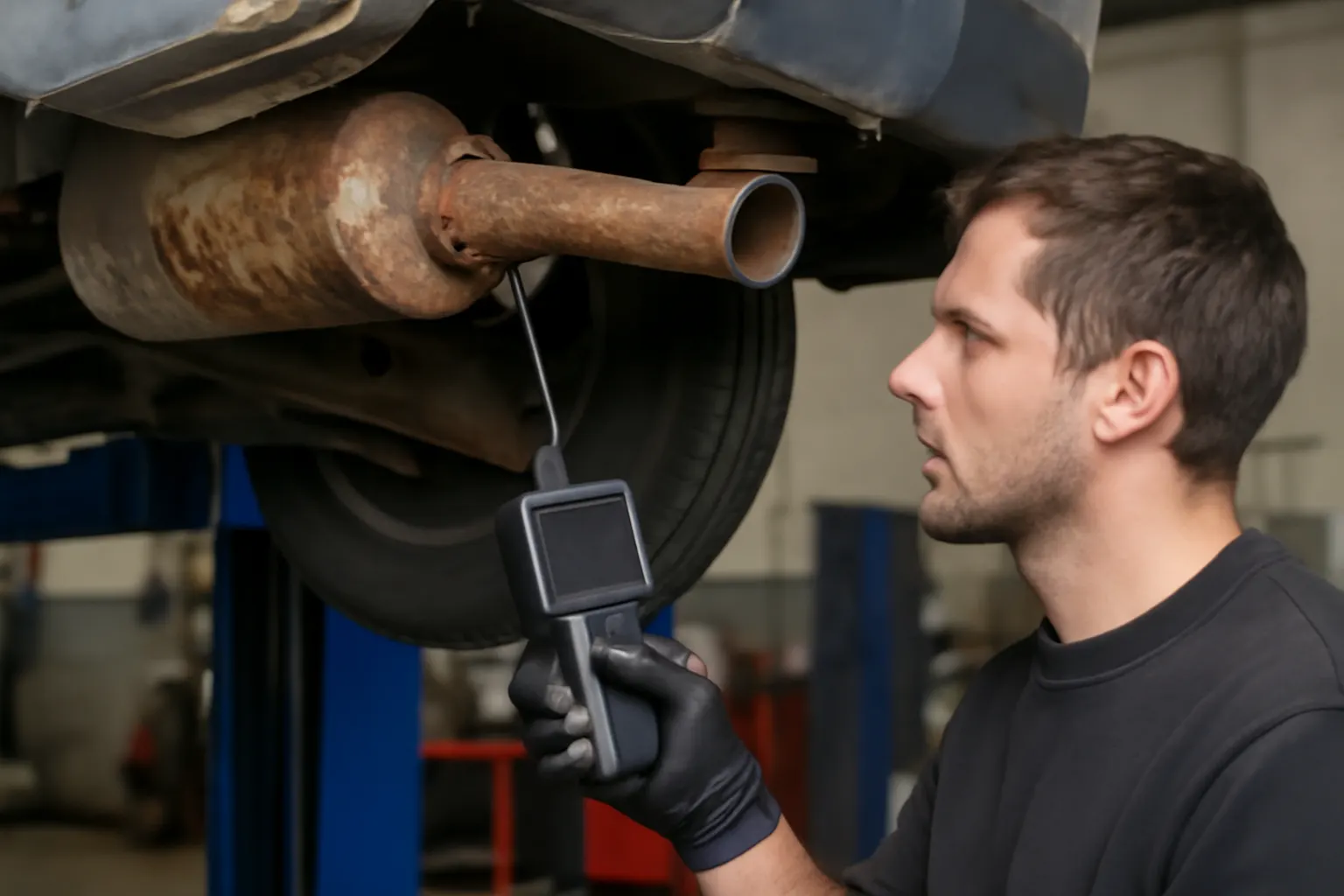
- If possible, use a borescope to check inside the tail pipe and muffler for internal rust or pitting.
- Pay special attention to the top side of pipes, where moisture collects but is less visible.
The Impact of Corrosion on Vehicle Safety and Performance
Exhaust corrosion is more than a cosmetic issue—it directly affects vehicle safety, emissions, and efficiency:
- Safety: Leaks can allow carbon monoxide to enter the cabin, posing a serious health hazard (NHTSA Equipment).
- Emissions: Corroded pipes and mufflers can disrupt the flow of exhaust gases, leading to increased emissions and failed inspections.
- Fuel Efficiency: Even minor leaks can cause the engine control system to misinterpret oxygen sensor readings, reducing fuel economy (DOE Fuel Efficiency).
- Structural Integrity: Advanced corrosion can cause sections of the exhaust system to detach, creating road hazards.
Toyota vehicles are engineered for longevity, but neglecting the exhaust system undermines their reputation for reliability.
Common Toyota Exhaust Corrosion Failure Patterns
Every Toyota model has unique exhaust system layouts, but certain failure patterns are seen across the lineup:
- Tail Pipe End Rot: The exposed tip of the tail pipe is prone to rusting from the outside in, especially if water or mud accumulates.
- Muffler Seam Separation: Moisture collects at the welded seams of the muffler, leading to seam failure.
- Flange and Gasket Deterioration: Flange connections between pipes often rust, especially where gaskets trap moisture.
- Heat Shield Rust: Thin metal heat shields around the exhaust system corrode quickly, sometimes causing rattles or falling off.
Refer to the Toyota Exhaust Fitment Guide for model-specific layouts and vulnerable points.
Material Science: Why Some Exhausts Corrode Faster
According to the Department of Energy’s Materials Technologies research, material choice is a primary factor in exhaust system longevity:
- Mild Steel: Inexpensive, but highly susceptible to rust. Used mostly in older or entry-level vehicles.
- Aluminized Steel: Coated to resist corrosion, but vulnerable at welds and edges.
- Stainless Steel (304/409): Highly resistant to corrosion, but more expensive. Many Toyota OEM and premium aftermarket exhausts use stainless for key sections.
- Protective Coatings: High-temperature ceramic or zinc coatings can extend life, but may wear off over time.
Toyota generally balances cost and durability, but even stainless systems can fail at welds or mounting points where dissimilar metals meet.
Preventing Exhaust Corrosion: Practical Strategies
Proactive maintenance is the best defense against exhaust corrosion. Here’s how to maximize the life of your Toyota’s exhaust system:
1. Regular Washing
- Rinse the undercarriage, especially after driving on salted roads.
- Pay attention to the tail pipe and muffler area.
2. Drive Longer Distances
- Short trips promote condensation buildup. Longer drives allow the system to reach temperatures that evaporate moisture.
Advertisement
3. Inspect Annually
- Add exhaust system checks to your annual maintenance routine.
- Look for new rust, leaks, or loose hangers.
4. Apply Protective Coatings
- Consider high-temp exhaust paint or rust inhibitors on exposed pipes and welds.
5. Prompt Repairs
- Address small leaks or rust spots immediately before they expand.
6. Garage Storage
- If possible, park indoors during wet or winter months to reduce exposure.
Repairing Exhaust Corrosion: Options and Techniques
When corrosion is detected, timely repair is essential. The right strategy depends on damage severity:
Minor Surface Rust
- Clean with a wire brush and apply a high-temp rust inhibitor or exhaust paint.
- Monitor regularly for progression.
Pinholes or Small Leaks
- High-temp exhaust patch kits can temporarily seal small holes.
- Professional welding provides a longer-lasting repair.
Advanced Corrosion or Perforation
- Replace the affected section—tail pipe, muffler, or connecting pipe.
- Use OEM or high-quality aftermarket parts for best fit and durability.
- Inspect and replace gaskets, hangers, and clamps as needed.
Complete System Replacement
- For vehicles with widespread corrosion, a full system replacement may be more cost-effective long-term.
- Confirm fitment using VIN or model-specific guides, such as the Toyota Exhaust Fitment Guide.
Sourcing Quality Replacement Parts for Toyota Exhaust Systems
Choosing the right replacement parts is critical to long-term durability and vehicle performance:
- OEM Parts: Ensure precise fitment and material quality. Toyota OEM exhaust components are engineered for corrosion resistance and performance.
- Aftermarket Options: Many reputable brands offer stainless or aluminized steel replacements, often with improved design or thicker materials.
- Fitment Verification: Always cross-check part numbers and compatibility with your Toyota’s year, model, and engine code.
- Component Quality: Inspect welds, flanges, and hangers on new parts—these are common failure points in lower-quality products.
AutoPartEx recommends consulting our Toyota Exhaust Tail Pipe: OEM Fitment, Failure Patterns, and Replacement Strategy page for detailed fitment and sourcing guidance.
Installation Tips: Ensuring a Long-Lasting Repair
Proper installation is as important as part selection. Follow these best practices:
- Preparation: Clean all mating surfaces and remove rust from adjoining pipes and flanges.
- Gasket Replacement: Always use new gaskets and hardware—old parts may not seal properly.
- Torque Specifications: Tighten bolts and clamps to manufacturer specs to prevent leaks or overstressing connections.
- Alignment: Ensure the exhaust system is properly aligned and supported to avoid premature stress or contact with the underbody.
- Anti-Seize Compound: Apply high-temp anti-seize to bolts and threads for future serviceability.
For DIYers, always refer to model-specific service manuals or professional guides.
Maintenance Schedule: Keeping Corrosion at Bay
A structured maintenance schedule can dramatically extend the life of your Toyota’s exhaust system. Here’s a suggested timeline:
| Interval | Maintenance Task |
|---|---|
| Every 6 months | Visual inspection for rust, leaks, or loose parts |
| Annually | Undercarriage wash (especially after winter) |
| Every 2 years | Touch up exposed metal with rust inhibitor |
| As needed | Replace gaskets, clamps, and hangers |
| At repair | Inspect and replace adjacent corroded components |
Pair exhaust checks with oil changes or tire rotations for convenience.
When to Seek Professional Help
While many exhaust inspections and minor repairs can be handled by experienced DIYers, certain scenarios require professional attention:
- Widespread or structural corrosion
- Leaking welds or flanges
- Complex exhaust routing (AWD models, hybrid systems)
- Persistent emissions or drivability issues after repair
Certified shops have the tools to perform precise diagnostics, welding, and emissions testing. If in doubt, prioritize safety and consult a professional.
AutoPartEx: Your Trusted Source for Toyota Exhaust Solutions
AutoPartEx is committed to providing Toyota owners and service professionals with the most accurate, actionable exhaust system guidance. Our editorial team leverages industry standards, manufacturer data, and real-world repair experience to help you:
- Identify failure patterns unique to Toyota exhaust systems
- Select the best OEM or aftermarket replacement parts
- Implement effective, lasting repairs
- Maintain your vehicle’s safety, efficiency, and value
For more in-depth maintenance strategies, see our Toyota Exhaust System Maintenance guide, and explore the parent Toyota Exhaust Tail Pipe: OEM Fitment, Failure Patterns, and Replacement Strategy category for a complete overview.
References
Advertisement
