
Toyota Exhaust Tail Pipe
Toyota Exhaust Tail Pipe: OEM Fitment, Failure Patterns, and Replacement Strategy
Toyota exhaust tail pipes are precision-engineered components designed to direct exhaust gases safely away from your vehicle’s underbody. Whether you drive a Corolla, Camry, Tacoma, or another Toyota model, the tail pipe plays a crucial role in both emissions management and overall vehicle performance. The right tail pipe ensures optimal routing of exhaust gases, reduces noise, supports fuel efficiency, and maintains Toyota’s high standards for reliability and durability.
Many Toyota owners are unaware of the nuanced issues surrounding exhaust tail pipe fitment and longevity. With Toyota’s extensive global platform sharing, tail pipe designs often change subtly between model years, trim levels, and engine options. Superseded part numbers and mid-cycle engineering updates can create confusion for both DIYers and technicians sourcing the correct component. Scarcity of specific OEM tail pipes—especially for older or less common models—can lead to extended downtime and the temptation to install universal or off-brand alternatives that may not meet Toyota’s original engineering standards. Further, hidden corrosion or impact damage may go undetected, leading to subtle performance or emissions issues.
Toyota exhaust tail pipes are not immune to failure, especially in regions with heavy road salt usage or high humidity. Common failure patterns include seam rust at weld points, bracket detachment, and pipe perforation—often first noticed as increased exhaust noise or visible rust flaking. Certain Toyota models, such as the high-mileage Camry or Tacoma work trucks, exhibit a higher incidence of tail pipe fatigue due to prolonged exposure to undercarriage debris and thermal cycling. Incorrect installation, misaligned hangers, or use of non-genuine clamps can lead to exhaust leaks and even contact with other underbody components, raising both safety and emission compliance risks. Compatibility risks arise when aftermarket pipes lack the precise bends, diameters, or mounting points required by Toyota’s engineering, potentially causing clearance issues or premature wear of adjacent parts.
For reliable Toyota exhaust tail pipe replacement, prioritize genuine Toyota or high-quality direct-fit aftermarket parts, ensuring exact match for your model’s VIN, production date, and engine code. Utilize diagnostic tools to inspect for hidden corrosion or bracket fatigue, and always reference Toyota’s Technical Service Bulletins for model-specific routing or mounting updates. When sourcing parts, leverage AutoPartEx’s Toyota Exhaust Fitment Guide for step-by-step fitment verification and consult Exhaust Corrosion Blog for detailed guidance on diagnosing and preventing exhaust system rust. By following Toyota’s torque specifications and using replacement gaskets and clamps, you can achieve factory-level sealing and exhaust flow, restoring vehicle performance and emissions compliance.
Advertisement
No Toyota Exhaust Tail Pipe Found
We're currently updating our inventory for Toyota exhaust tail pipe.
Please check back soon or contact us for specific part availability.
Advertisement
More Toyota Exhaust Tail Pipe options
Filtering for Toyota • Exhaust Tail PipeScan nearby Toyota exhaust tail pipe inventory without leaving this page.
No Data Available
Please check back soon when more inventory is available for this part.
Advertisement
Expert Toyota Exhaust Tail Pipe Selection and Action Plan
For Toyota Exhaust Tail Pipe, long-term reliability depends on verified fitment, periodic inspection of wear components, and disciplined preventive maintenance. Confirm part numbers by VIN, check supersession notes, and compare mounting points before installation. Review service bulletins and historical failure patterns to prioritize high-risk systems, especially electrical connectors, seals, cooling components, and drivetrain interfaces.
For Toyota Exhaust Tail Pipe, long-term reliability depends on verified fitment, periodic inspection of wear components, and disciplined preventive maintenance. Confirm part numbers by VIN, check supersession notes, and compare mounting points before installation. Review service bulletins and historical failure patterns to prioritize high-risk systems, especially electrical connectors, seals, cooling components, and drivetrain interfaces.
Toyota Exhaust Tail Pipe: Practical Service and Sourcing Info
Technical Specifications
Typical Toyota tail pipe wall thickness: 1.5 mm minimum. Material: aluminized or 409 stainless steel. Clamp torque range: 22–30 ft-lbs. Always confirm specs by model and year.
Estimated Repair Costs
Parts: $180–$450 (OEM), $150–$360 (aftermarket). Labor: $120–$350, depending on vehicle and region. Additional costs possible for severe rust or bracket replacement.
Service Timeframe
Typical replacement takes 1.2–2.5 hours. Severe rust or seized fasteners can extend service time to 4+ hours. Professional installation recommended for trucks/SUVs.
Fitment Verification
Always confirm part number, VIN, production date, and engine code before ordering. Use trusted catalogs such as AutoPartEx for cross-referencing and supersession checks.
References
- Vehicle, Car Seat, Tire, and Equipment Recalls - National Highway Traffic Safety Administration, accessed 2024-06-01Used for confirmation of recall and defect patterns in Toyota exhaust systems.
- Fuel Efficiency - United States Department of Energy, accessed 2024-06-01Referenced for exhaust system impact on Toyota vehicle efficiency.
- Materials Technologies - United States Department of Energy, accessed 2024-06-01Provided material science and corrosion resistance background for Toyota exhaust tail pipes.
Related Guides & Articles

Toyota Exhaust Fitment Guide
Mastering Toyota exhaust system repairs starts with understanding precise fitment, correct part numbers, and the unique challenges associated with different Toyota models. Whether you’re a professional technician or a hands-on owner, this comprehensive guide will walk you through the critical steps of Toyota exhaust fitment—from initial identification to final installation. We’ll address common pitfalls, model-specific tips, and real-world solutions, ensuring you achieve a durable, OEM-quality result every time.
View Guide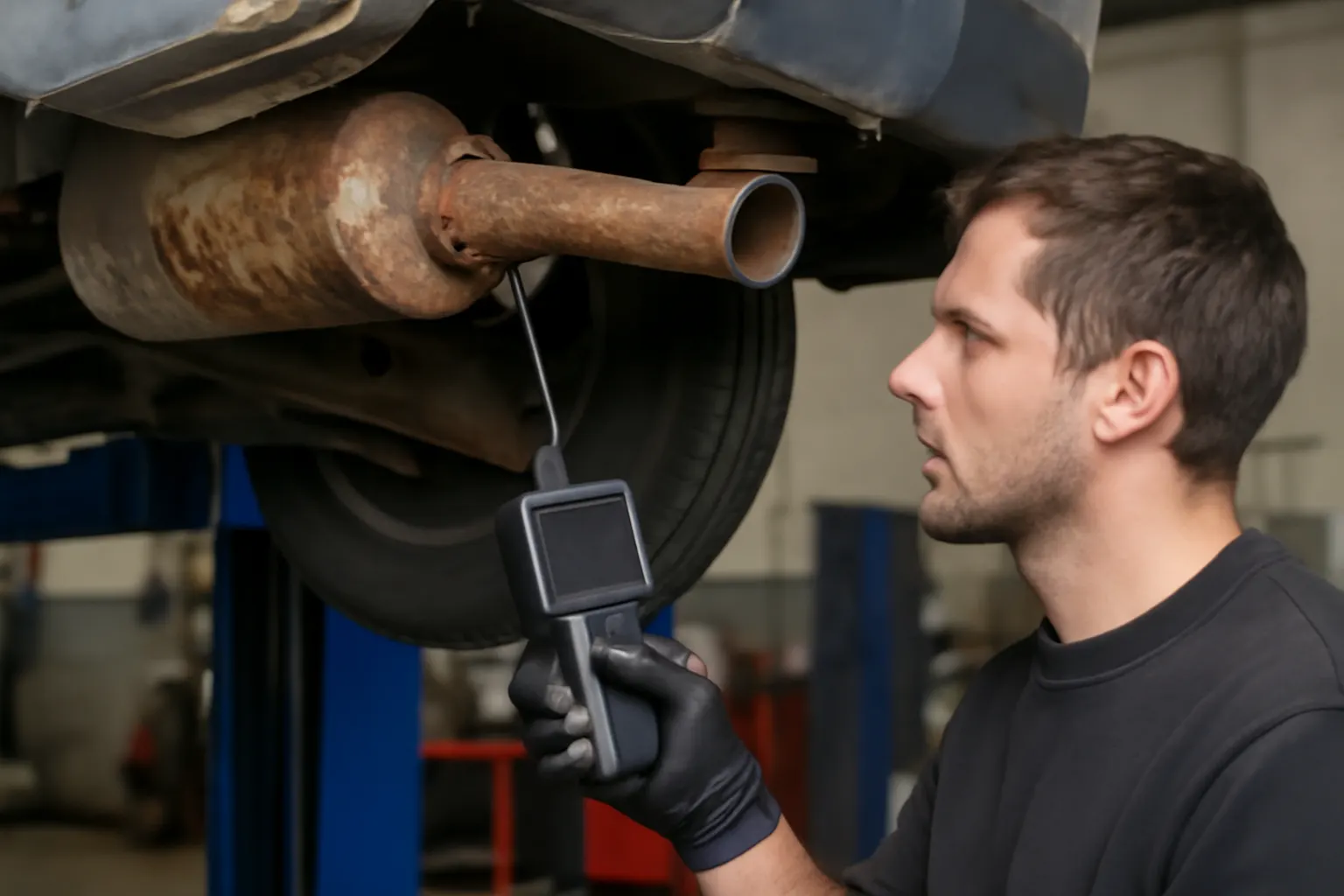
Exhaust Corrosion Blog
Exhaust system corrosion is a pervasive challenge for Toyota vehicle owners, often leading to unexpected leaks, noise, and even safety concerns. In this comprehensive guide, the AutoPartEx Technical Editorial Team delivers immediate, actionable advice on how to diagnose, prevent, and repair exhaust system corrosion—especially as it pertains to the Toyota exhaust tail pipe and related components.
Read More
Toyota Exhaust Leaks
Exhaust leaks in Toyota vehicles are more than just a noisy inconvenience—they can significantly degrade fuel efficiency, compromise emissions performance, and present real safety risks. If you suspect your Toyota is suffering from an exhaust leak, timely intervention is crucial to prevent escalating damage and ensure your vehicle remains safe, efficient, and compliant. This comprehensive guide explains how to identify, assess, and address exhaust leaks, with a focus on the specific challenges and solutions for Toyota exhaust tail pipe systems.
Read More
Toyota Exhaust System Maintenance
The exhaust system in your Toyota does much more than silence noise and direct fumes away from the cabin—it’s a critical component for safe operation, fuel efficiency, and environmental compliance. Routine inspection and maintenance of the exhaust tail pipe, muffler, catalytic converter, and connecting pipes ensure: Reduced risk of harmful exhaust leaks into the passenger compartment. Optimal engine performance and fuel economy. Prevention of costly repairs by catching issues early. Compliance with federal and state safety standards (NHTSA Equipment).
View Guide