Advertisement
Electronic Ignition Conversion: Is It Worth It?
Upgrading your classic vehicle’s distributor from a traditional points-based system to an electronic ignition system is one of the most popular modifications among classic car owners. The immediate answer: yes, electronic ignition conversion is often worth it—provided you understand the benefits, challenges, and what’s involved in the process. For many, the upgrade means improved reliability, performance, and reduced maintenance. But is it the right move for your specific vehicle and driving habits?
This comprehensive guide explores the practical benefits, hidden challenges, and technical nuances of electronic ignition conversion. Whether you drive a classic AMC, Acura, Alfa, or any other vintage model, understanding this upgrade can help you make an informed decision. For further insights into related parts and systems, visit our Distributor Systems: The Heartbeat of Classic Ignition category page.
The Immediate Benefits of Electronic Ignition Conversion
Switching to electronic ignition offers tangible, everyday advantages over traditional points-based distributors. Here’s what you can expect right away:
Improved Reliability and Consistency
Mechanical points wear out, drift, and degrade over time, causing misfires and hard starts. Electronic ignition modules replace these moving parts with solid-state electronics, dramatically reducing the frequency of tune-ups and breakdowns. Your engine starts more reliably, runs smoother, and stays in tune longer.
Enhanced Performance and Efficiency
With precise spark timing, electronic ignition systems maximize combustion efficiency. This can translate to better throttle response, smoother idling, and even modest gains in fuel economy (as referenced by the U.S. Department of Energy’s fuel efficiency guidance). While the differences may be subtle in daily driving, they’re noticeable over the long haul, especially if your classic is a regular driver.
Reduced Maintenance Hassles
No more setting point gaps, replacing condensers, or adjusting dwell angles every few thousand miles. Electronic systems are largely “install and forget,” requiring only occasional checks to ensure connections remain secure.
The Hidden Problem: What’s Lurking Behind Your Points-Based Distributor
If your classic still runs a points-based distributor, you may already be fighting a losing battle against wear, corrosion, and performance inconsistency. Here’s why:
Mechanical Wear and Drift
Points are designed to open and close thousands of times per minute, and their contact surfaces gradually pit and erode. This leads to spark timing drift, weaker spark, and eventual misfiring. Even high-quality replacement points can’t escape the laws of physics.
Impact on Fuel Efficiency and Emissions
Poor ignition timing doesn’t just rob your engine of power—it can also decrease fuel efficiency and increase unburned hydrocarbon emissions. As noted in the DOE’s fuel efficiency resources, ignition and combustion efficiency are critical for optimal engine operation.
Increasing Scarcity of Quality Parts
OEM-quality points, condensers, and rotors for certain classic models are becoming harder to source. Counterfeit or low-grade aftermarket parts can introduce new reliability issues, making long-term ownership more challenging.
Why Points-Based Ignition Systems Fall Short in Modern Conditions
Classic distributors were designed for an era of lower-revving engines, leaded fuels, and less traffic congestion. Today’s driving realities expose their limitations:
- Higher Underhood Temperatures: Modern fuels and traffic conditions can stress old ignition components, leading to vapor lock and heat-related failures.
- Ethanol-Blended Fuels: These can exacerbate corrosion on points and condenser contacts.
- Demand for Consistent Performance: Whether you’re taking your classic to a show or using it for weekend cruises, inconsistent ignition performance can spoil the experience.
The Technical Bottleneck
Points-based ignition systems fundamentally limit the energy delivered to the spark plugs, especially at higher RPMs. This leads to weaker sparks, incomplete combustion, and “spark scatter”—an unpredictable variation in ignition timing that can cause rough running or even engine damage.
How Electronic Ignition Systems Solve the Problem
Electronic ignition modules, such as Hall-effect or optical trigger systems, eliminate the mechanical wear points inside the distributor. Here’s how they do it:
Solid-State Switching
Instead of relying on a mechanical cam to open and close points, electronic ignitions use sensors to detect the distributor shaft’s position. This signal is sent to a control module, which precisely triggers the ignition coil at the optimum moment.
Advertisement
Consistent Spark Energy
Solid-state modules can saturate the ignition coil more effectively, ensuring a strong, consistent spark even at high engine speeds. This is especially beneficial if your classic engine has been upgraded for more power or runs at higher RPMs.
Reduced Maintenance and Diagnostics
With fewer moving parts, there’s less to adjust, replace, or troubleshoot. Many electronic ignition kits even include built-in diagnostic LEDs or fault codes, making troubleshooting easier if problems do arise. For more on troubleshooting ignition systems, see our Diagnosing Ignition System Failures guide.
What’s Involved: The Anatomy of an Electronic Ignition Conversion
Before you dive in, it’s important to understand what an electronic ignition conversion entails. Here’s a breakdown of the typical components and steps:
Key Components
- Ignition Module: The heart of the system, responsible for switching the coil on and off.
- Trigger Sensor: Usually a Hall-effect or optical sensor that replaces the mechanical breaker points.
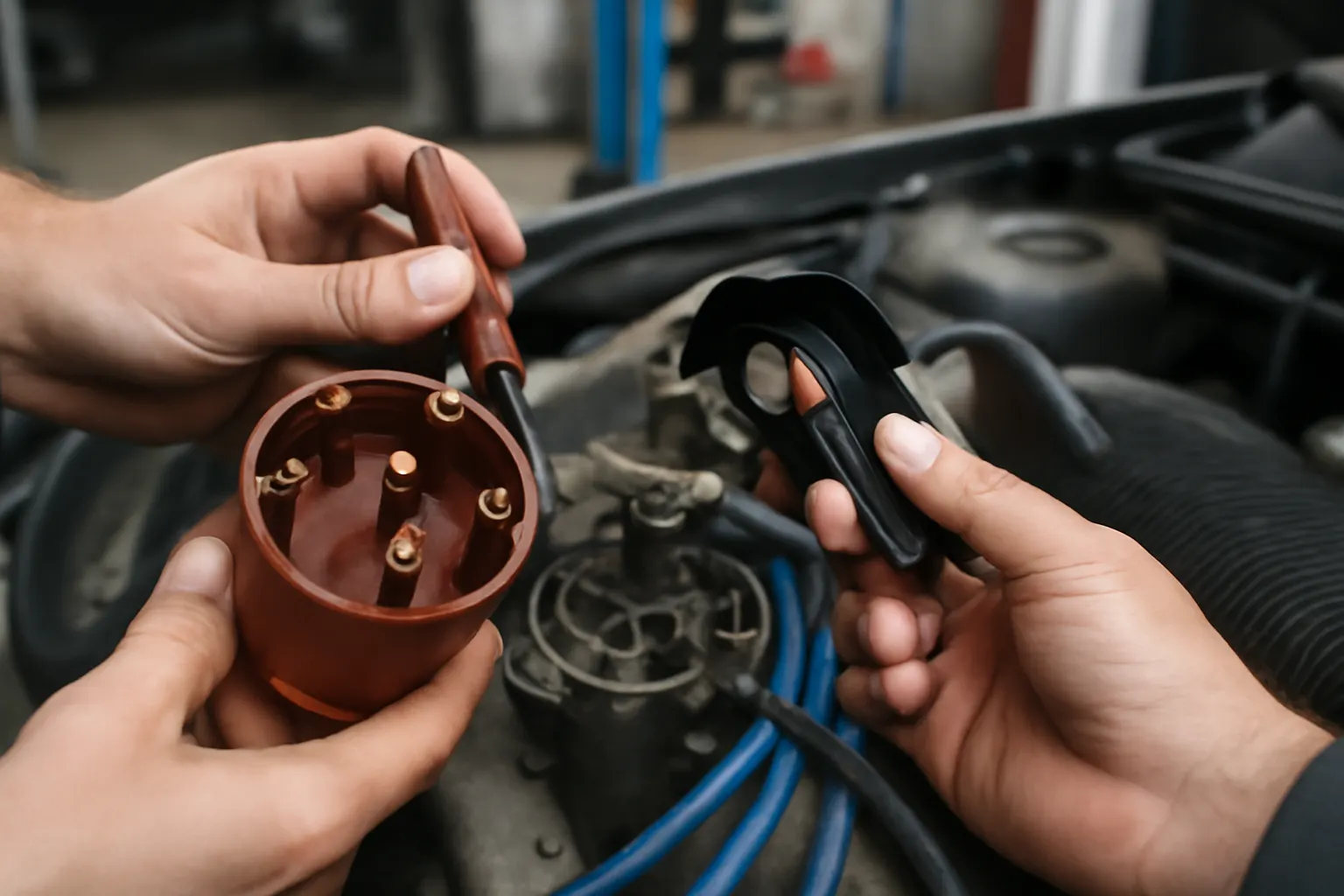
- Modified or Replacement Distributor Cap/Rotor: Some kits require a new cap or rotor; others work with your existing hardware.
- Wiring Harness: Connects the module to the coil and vehicle’s power supply.
Installation Steps Overview
- Remove Old Points and Condenser: Disassemble the distributor to access and remove mechanical points and condenser.
- Install Trigger Sensor: Bolt or snap the sensor into place, aligning it with the distributor cam or shaft.
- Mount Ignition Module: Secure the module in an appropriate location, ensuring adequate cooling and protection from vibration.
- Wire the System: Connect power, ground, and coil wires per the manufacturer’s instructions.
- Test and Time the Engine: Start the engine, set base timing, and verify operation.
Conversion Kit Selection: What to Look For
Not all electronic ignition kits are created equal. Here’s what to consider when choosing a kit for your classic:
Compatibility
- Distributor Model: Ensure the kit is designed for your specific distributor make and model (e.g., Delco, Bosch, Lucas, Denso).
- Engine Application: Check that the kit supports your engine’s cylinder count and firing order.
Quality and Reliability
- Brand Reputation: Stick to reputable brands with positive user feedback and documented reliability.
- Component Quality: Look for solid-state modules with robust heat sinks and weatherproofing.
Installation Support
- Clear Instructions: Kits should include detailed, illustrated instructions specific to your distributor.
- Technical Support: Manufacturer or reseller should offer responsive support for troubleshooting.
Regulatory and Safety Compliance
- Equipment Standards: While most conversions are straightforward, ensure your kit meets basic safety standards for automotive electrical equipment. For more on safety and equipment, reference the NHTSA’s Vehicle Safety and Equipment guidelines.
Diagnostic Checklist: Is Your Classic a Good Candidate for Electronic Ignition?
Before committing to a conversion, evaluate your vehicle and usage:
| Diagnostic Question | Yes | No |
|---|---|---|
| Are you experiencing frequent misfires or hard starts? | ||
| Do you drive your classic more than 1,000 miles per year? | ||
| Is your distributor cap/rotor/points showing visible wear or corrosion? | ||
| Do you want to reduce routine maintenance (points adjustment, etc.)? | ||
| Are replacement points and condensers becoming hard to source locally? | ||
| Is originality (show judging) less important than reliability? |
If you answered “Yes” to three or more, your classic is an excellent candidate for electronic ignition conversion.
Common Challenges and How to Overcome Them
While the benefits are significant, some challenges can arise during and after conversion:
Electrical Noise and Interference
Electronic modules are sensitive to voltage spikes and poor grounds. Ensure all wiring connections are clean, tight, and protected from abrasion. Route wires away from high-voltage sources when possible.
Distributor Shaft Wear
A worn distributor shaft or excessive end play can cause erratic trigger signals, even with electronic ignition. Inspect and, if necessary, rebuild or replace your distributor before installation.
Charging System Compatibility
Some older vehicles use generators or low-output alternators that may not provide stable voltage for electronic modules. Consider upgrading your charging system if voltage drops or instability are observed.
Heat Management
Mount the ignition module away from exhaust manifolds and other high-heat sources. Overheating can cause premature module failure.
Advertisement
Installation Guide: Step-by-Step for a Smooth Conversion
A successful electronic ignition conversion hinges on careful preparation and methodical installation. Here’s a step-by-step approach:
Preparation
- Disconnect the battery to avoid accidental shorts.
- Mark distributor position to preserve timing.
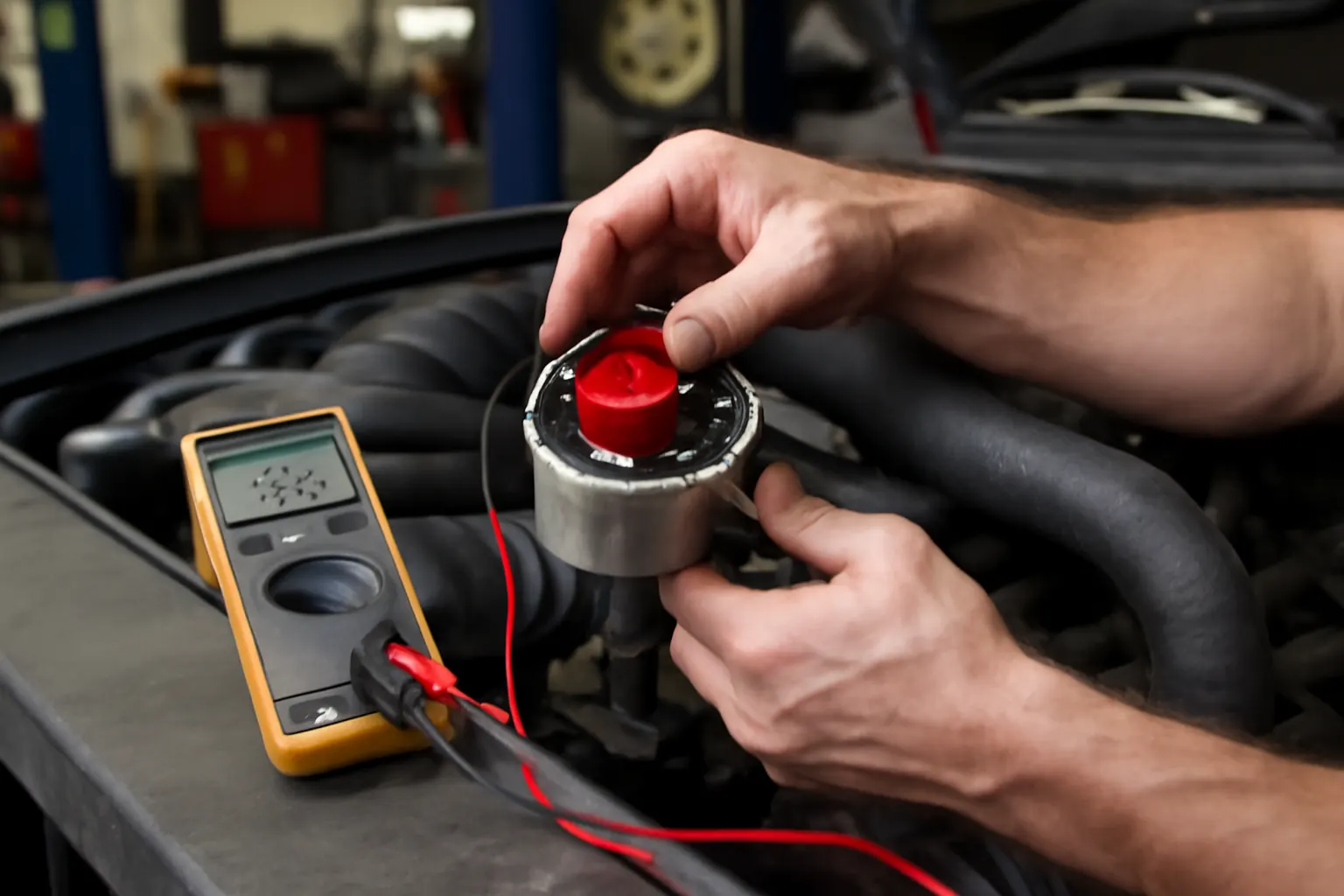
- Gather tools: screwdrivers, wrenches, feeler gauges, timing light, multimeter.
Removal of Old Components
- Remove distributor cap and rotor.
- Extract points and condenser.
- Clean the distributor interior thoroughly.
Installation of New Components
- Install the trigger sensor, ensuring correct alignment with the distributor cam.
- Mount the ignition module in a cool, dry location.
- Route and secure wiring harness, using grommets and zip ties as needed.
Final Setup
- Reinstall distributor rotor and cap.
- Reconnect battery.
- Start engine and set ignition timing per the manufacturer’s specification.
- Verify smooth idle and throttle response.
Maintenance After Conversion: What Changes?
Post-conversion, your maintenance schedule will look different:
- No More Points Adjustment: The days of fiddling with dwell meters are over.
- Distributor Cap and Rotor: Still inspect and replace as needed, as these parts remain wear items.
- Wiring Checks: Periodically inspect all wiring connections for corrosion or looseness.
- Ignition Timing: While less prone to drift, check timing annually or after any major engine work.
For more on keeping your distributor system in peak shape, see Distributor Cap and Rotor: Maintenance Myths Debunked.
Potential Drawbacks: When to Keep Your Points
While electronic ignition conversion is a win for most classic owners, there are scenarios where keeping points may be preferable:
- Concours Restoration: If you’re building a show car for originality, judges may deduct points for non-original ignition.
- Field Repairs: Mechanical points can often be repaired or replaced roadside with basic tools—electronic modules generally cannot.
- Ultra-Low Mileage Cars: For vehicles driven only a few times per year, points may require little maintenance.
In these cases, maintaining your points-based system and sourcing high-quality parts may be the better route. For classic AMC, Acura, Alfa, and other rare models, see our Restoring Classic AMC, Acura, and Alfa Ignition Systems editorial.
Sourcing the Right Parts: Where to Buy and What to Avoid
When selecting an electronic ignition conversion kit, buy from reputable automotive suppliers. Avoid generic, unbranded kits from unknown online sellers—these often skimp on component quality and technical support.
What to Look For
- Detailed application charts listing compatible distributor models.
- Positive reviews from classic car forums and communities.
- Clear warranty and return policies.
Red Flags
- Vague or incomplete installation instructions.
- No technical support or contact information.
- Reports of premature module failure or poor fitment.
AutoPartEx offers a curated selection of distributor and ignition system components, with expert technical support and fast shipping. Explore our Distributor Systems: The Heartbeat of Classic Ignition page for more.
Real-World Results: What Classic Owners Report
Feedback from classic car owners who’ve converted to electronic ignition is overwhelmingly positive:
- Easier Starting: No more “crank and pray” on cold mornings.
- Smoother Idle: Engines run more smoothly at all RPMs.
- Fewer Breakdowns: The most common roadside failure—points burnout—is eliminated.
Some report minor radio interference or initial installation hiccups, but these are usually resolved with proper grounding and careful wiring.
The AutoPartEx Approach: Why Trust Our Guidance?
At AutoPartEx, we combine decades of hands-on experience with rigorous technical standards. Our editorial team tests and reviews conversion kits, maintains a database of compatible distributors, and offers support for classic AMC, Acura, Alfa, and dozens of other makes.
We believe in keeping classics on the road—reliably, safely, and enjoyably. Whether you’re upgrading ignition, restoring an air box, or sourcing an AC compressor, our guides and parts selection help you get the job done right.
Expert Call to Action: Upgrade Your Classic for the Modern Road
If you’re ready to enjoy the benefits of modern ignition technology without sacrificing the character of your classic, an electronic ignition conversion is a smart, proven upgrade. Review your vehicle’s needs, choose a reputable kit, and follow installation best practices for years of trouble-free driving.
For deeper technical insights, parts sourcing, and diagnostic tips, explore our Distributor Systems: The Heartbeat of Classic Ignition hub and related editorial content. Keep your classic’s heartbeat strong—and enjoy every mile.
References
Advertisement