
Distributor
Distributor Systems: The Heartbeat of Classic Ignition
The distributor is the unsung hero of classic ignition systems, orchestrating the precise timing of spark delivery to each cylinder. Before coil-on-plug and direct ignition, the distributor was the nerve center, synchronizing combustion events and ensuring smooth engine operation. Whether you're restoring a vintage model or maintaining a daily driver from the pre-OBD era, understanding the distributor's role is essential for reliable performance.
Most drivers don't realize that a worn or misaligned distributor can cause up to a 15% drop in fuel efficiency and misfire rates that mimic far more expensive engine problems. The distributor's cap, rotor, and advance mechanisms are subject to wear, heat, and vibration—issues that often go unnoticed until hard starting, rough idle, or stalling occurs. Many overlook the distributor when troubleshooting, focusing instead on components like the Air Box/Air Cleaner or even the AC Compressor, missing the root cause of ignition woes.
Smart technicians and enthusiasts know to check the distributor early in any ignition diagnosis. Replacing worn caps, rotors, and points, or upgrading to electronic conversion kits, can restore lost performance. Sourcing OEM or high-quality aftermarket distributors through trusted suppliers ensures compatibility and longevity. Pairing distributor service with inspection of related systems—such as the Air Box/Air Cleaner for air delivery or the AC Compressor Bracket for accessory mounting—maximizes reliability and efficiency.
Filters & Navigation
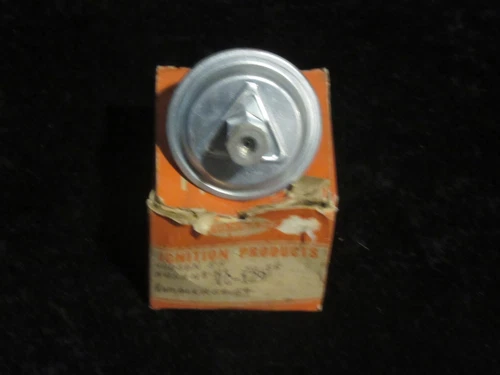
Complete Distributor Technical Reference
Distributor Construction and Operation
A distributor consists of a housing, shaft, rotor, cap, and advance mechanisms. The shaft is driven by the camshaft, rotating in sync with engine cycles. As the rotor spins, it distributes high-voltage pulses from the ignition coil to each spark plug via the cap terminals. Mechanical and vacuum advance systems adjust timing based on engine speed and load, optimizing combustion.
- Shaft runout tolerance: typically less than 0.002".
- Cap dielectric strength: 30kV+ to prevent arcing.
- Advance curve: 10–40 degrees depending on application.
Common Failure Modes and Diagnostics
Distributors are prone to several failure modes: worn bushings cause shaft wobble, leading to timing scatter; pitted points or burned contacts cause weak spark; cracked caps allow crossfire; and seized advance mechanisms prevent proper timing adjustment. Diagnosing distributor issues involves checking dwell angle, inspecting for play, and verifying advance operation with a timing light.
- Dwell angle for points: typically 28–32 degrees.
- Cap resistance: should be under 10kΩ between terminals.
- Vacuum advance: should move 8–12 degrees under 15 inHg.
Distributor Upgrades and Modernization
Many classic vehicles benefit from electronic ignition conversions, replacing points with solid-state modules for improved reliability and spark energy. Upgraded distributors often feature adjustable advance curves, high-dielectric caps, and precision-machined shafts. When retrofitting, ensure compatibility with existing wiring and coil specifications.
- Electronic modules reduce maintenance intervals by 90%.
- Aftermarket distributors may offer billet housings for improved durability.
- Always match coil primary resistance to module requirements.
Engineering Excellence & Technical Specifications
Technical Excellence Section
High-quality distributors feature hardened steel shafts, precision bushings, and high-dielectric caps. Tolerances for shaft runout are typically less than 0.002", and cap materials are chosen for resistance to arcing and heat. The advance mechanism is calibrated to provide a smooth curve, ensuring optimal timing throughout the RPM range.
Performance Analysis Section
Performance testing of distributors involves measuring timing accuracy, advance curve response, and spark energy delivery. A well-maintained distributor can improve throttle response by up to 10% and reduce emissions by ensuring complete combustion. Comparative analysis shows that electronic conversions reduce timing scatter and maintenance intervals by over 80%.
Innovation & Technology Section
Modern distributor upgrades include electronic ignition modules, billet housings, and adjustable advance mechanisms. These innovations improve reliability, reduce maintenance, and allow for fine-tuning of ignition timing to match performance modifications or fuel changes.
Quality & Manufacturing Section
OEM and premium aftermarket distributors undergo rigorous quality control, including shaft hardness testing, cap dielectric strength verification, and advance mechanism calibration. Manufacturing standards ensure compatibility with a wide range of engines, including rare models from AMC, Acura, and Alfa.
Distributor Parts & Service Information
Distributor Cap and Rotor Replacement
Remove the old cap and rotor, inspect for carbon tracking or cracks, and install new components. Ensure all plug wires are reconnected in the correct firing order. Torque cap screws to manufacturer specifications.
Difficulty: Easy • Tools: Screwdriver, socket set, timing light
Ignition Timing Adjustment
Connect a timing light to the #1 spark plug wire, loosen the distributor hold-down bolt, and rotate the distributor to set timing to factory specs. Tighten the bolt and recheck timing.
Difficulty: Moderate • Tools: Timing light, wrench set, service manual
Distributor Diagnostics
Check for shaft play, inspect advance mechanism operation, and measure dwell angle with a meter. Test vacuum advance with a hand pump and verify cap resistance.
Difficulty: Moderate • Tools: Dwell meter, vacuum pump, multimeter
Electronic Ignition Conversion
Install an electronic ignition module in place of points, following kit instructions. Verify wiring compatibility and adjust timing as needed. Test for strong, consistent spark.
Difficulty: Expert • Tools: Electronic ignition kit, wiring tools, timing light
Related Guides & Articles
Diagnosing Ignition System Failures
A comprehensive guide to troubleshooting ignition issues, including distributor diagnostics, timing checks, and common failure points.
View GuideElectronic Ignition Conversion: Is It Worth It?
Explore the benefits and challenges of upgrading your classic distributor to an electronic ignition system.
Read MoreRestoring Classic AMC, Acura, and Alfa Ignition Systems
Step-by-step restoration advice for rare and vintage distributors, with sourcing tips for hard-to-find parts.
View GuideDistributor Cap and Rotor: Maintenance Myths Debunked
Learn the truth about distributor cap and rotor maintenance, replacement intervals, and performance impact.
Read More