
Wiring Harness (Dash)
Wiring Harness (Dash): Inspection and Replacement Essentials
A dash wiring harness is rarely top-of-mind until electrical issues arise, but its role is critical to vehicle safety and function. Overlooked harness faults can lead to persistent electrical problems, misdiagnosis, or even safety risks. This guide explores what owners and technicians should know about dash wiring harnesses, from identifying subtle symptoms to making informed repair and replacement decisions, all grounded in published consumer and regulatory guidance.
Showing 9–16 of 207 products


More Wiring Harness (Dash) options
Filtering for Wiring Harness (Dash)Browse nearby inventory for this category without leaving the page. Use search to filter by price, part number, or city.
No Data Available
Please check back soon when more inventory is available for this part.
Wiring Harness (Dash): Inspection and Replacement Essentials
Why Dash Wiring Harnesses Deserve More Attention
Many vehicle owners focus on visible or high-profile components when considering maintenance, but the dash wiring harness often escapes notice. This intricate network of wires and connectors is responsible for routing power and signals to vital dashboard systems, from instrument clusters to safety features. If a dash harness begins to fail, the symptoms may appear as minor annoyances—flickering lights, intermittent warning indicators, or malfunctioning controls—rather than dramatic breakdowns. Because these issues can be sporadic and hard to reproduce, they’re sometimes dismissed as quirks or blamed on unrelated parts.
Ignoring the dash wiring harness can have real consequences. Over time, heat, vibration, and accidental damage during unrelated repairs can degrade insulation or loosen connections. When these faults remain undiagnosed, they may lead to more significant electrical failures or even compromise critical safety systems like airbags or anti-lock brakes. Many drivers and even some technicians may overlook the harness as a root cause, opting instead to replace switches, bulbs, or modules without resolving the underlying wiring issue.
What makes the dash wiring harness particularly challenging is its hidden location and complex routing behind panels and the dashboard. Accessing it for inspection or replacement often requires significant disassembly, which can deter thorough diagnostics. As a result, owners may not realize the importance of a healthy dash harness until minor electrical glitches escalate. Recognizing the harness’s role early can prevent unnecessary repairs and ensure both safety and reliability for the long term.

Understanding Common Dash Harness Issues and Their Impact
Electrical problems originating from the dash wiring harness can be deceptively complex. Unlike a blown fuse or a visibly corroded terminal, harness faults may present as intermittent issues that come and go with temperature changes, vibration, or even simple use of certain controls. For example, a loose connector within the dash harness might cause the radio to cut out occasionally, or a chafed wire could intermittently trigger warning lights. These symptoms often overlap with those of failing electronic modules or switches, making accurate diagnosis more difficult.
Complicating matters further, modern vehicles integrate more electronics into the dashboard area than ever before. The dash harness must support not only traditional gauges and controls but also infotainment systems, advanced driver assistance features, and complex sensor networks. With each added system, the potential points of failure increase, and the consequences of a harness fault can become more severe. A single damaged wire could disrupt communication between safety-critical modules or cause cascading faults across multiple systems.
Owners and technicians may also encounter challenges when attempting to trace electrical problems back to the dash harness. Service manuals often provide wiring diagrams, but accessing the harness itself may require removing trim panels, airbags, or even the entire dashboard. This level of disassembly increases labor time and the risk of accidental damage to other components. As a result, some shops may be reluctant to pursue harness inspection unless all simpler causes have been ruled out.
Another overlooked aspect is the potential for harness-related recalls or manufacturer communications. While not every vehicle or harness is subject to a recall, safety agencies like the National Highway Traffic Safety Administration (NHTSA) track complaints and investigations related to wiring defects. If a pattern of harness failures emerges for a specific make or model, it may prompt a recall or technical service bulletin. However, the absence of a recall does not guarantee the harness is fault-free, so proactive inspection remains important.
The consequences of neglecting dash harness issues can extend beyond inconvenience. Persistent electrical faults may drain the battery, disable safety systems, or even increase the risk of electrical fires in rare cases. For vehicles equipped with advanced safety features, a compromised harness could prevent airbags from deploying or interfere with stability control functions. These risks underscore the importance of treating dash harness problems with the same urgency as more obvious mechanical failures.
Finally, the complexity of modern dash harnesses means that replacement or repair is not a simple DIY task for most owners. Harnesses are often vehicle-specific, with unique connectors, wire colors, and routing paths. Attempting to substitute a harness from another model or improvising repairs can introduce new problems or void warranties. Understanding the unique challenges posed by dash harness faults is the first step toward effective diagnosis and resolution.
Practical Steps for Diagnosing and Addressing Dash Harness Faults
When faced with electrical issues that could stem from the dash wiring harness, a methodical approach is essential. Start by documenting all symptoms, noting when and how they occur. Are certain functions affected only when the vehicle is cold, after hitting a bump, or when using specific controls? Detailed symptom tracking can help narrow down the possible causes and guide a technician’s diagnostic process. This step also provides valuable information if you need to seek a second opinion or escalate the issue to a manufacturer or regulatory agency.
Next, consult the vehicle’s owner manual and any available service documentation. Many manufacturers provide troubleshooting guides for common electrical faults, along with wiring diagrams that illustrate harness routing and connector locations. While these resources may not pinpoint the exact problem, they can help you or your technician identify likely harness segments to inspect. If the manual references technical service bulletins (TSBs) related to wiring or dash harnesses, review these for model-specific guidance.
Before authorizing any major repairs, consider the Federal Trade Commission’s (FTC) advice to obtain a written estimate detailing the condition to be repaired, required parts, and expected labor charges. For complicated or expensive repairs—such as dash harness replacement—request a second opinion from a shop experienced with your vehicle make and model. Ask whether the technician has previously addressed similar wiring issues and what diagnostic steps will be taken before replacing the harness. This helps ensure that the harness is the true source of the problem and not a misdiagnosed module or switch failure. FTC: Auto Repair Basics
If a dash harness replacement is recommended, verify the part’s compatibility with your vehicle. Harnesses are typically specific to the year, make, model, and sometimes even trim level or optional equipment. Salvage parts may be available, but as the FTC notes, these come from another vehicle without alteration and may carry unknown wear or damage. New or remanufactured harnesses offer greater reliability but may be more expensive. Always request documentation confirming the harness’s origin and compatibility before proceeding with installation.
During the repair process, ensure that the shop provides a completed repair order listing the work performed, parts installed, costs, and odometer readings. This documentation is valuable for warranty claims and future diagnostics. If the shop recommends additional services beyond the harness replacement, compare these suggestions with the manufacturer’s maintenance schedule and ask for justification. Some shops may propose extra work that is not strictly necessary, so it’s important to understand what is required for your specific situation.
For owners interested in understanding the repair process, familiarize yourself with the steps involved in dash harness replacement. This typically includes disconnecting the battery, removing trim panels and the dashboard, labeling connectors, and carefully routing the new harness to match the original path. While some guides, such as the Complete Dash Harness Replacement Guide, offer step-by-step instructions, most owners will benefit from professional installation due to the complexity and potential for error.
After replacement, thoroughly test all affected systems before reassembling the dashboard. This includes checking instrument cluster functions, climate controls, infotainment systems, and any advanced safety features. If any issues persist, re-examine connectors and grounds for proper attachment. Document any remaining symptoms and communicate them promptly to the repair shop. In rare cases, additional faults may exist in related wiring or modules, so persistent problems may require further diagnosis.
Finally, stay proactive by registering your vehicle with the manufacturer and checking for recalls or service bulletins related to wiring harnesses. The NHTSA provides a searchable database for recalls, complaints, and investigations. While a recall is not proof of a defect in your specific vehicle, it can alert you to known issues and available remedies. Regularly reviewing these resources helps you stay informed and ensures that any safety-related defects are addressed promptly. NHTSA: Vehicle Recalls
Evidence and Guidance from Regulatory and Consumer Resources
The National Highway Traffic Safety Administration (NHTSA) serves as a key resource for understanding the broader context of vehicle wiring harness issues. According to NHTSA’s official recall and defect investigation process, owners can use their vehicle identification number (VIN) to check for open recalls involving dash harnesses or related electrical systems. While searching by VIN provides recall status for a specific vehicle, searching by year, make, and model yields general results for recalls, investigations, and complaints. It is important to note that the presence of a recall in the database does not guarantee your vehicle is affected, nor does the absence of a recall prove the harness is without fault. The NHTSA process underscores the importance of proactive owner engagement and regular recall checks. NHTSA: Vehicle Recalls
NHTSA’s recall management system also highlights the roles of manufacturers and owners in addressing wiring harness defects. When a recall is announced, manufacturers must notify registered owners and provide a remedy, typically at no cost. Owners are advised to follow interim safety guidance and contact their local dealership for repairs. However, NHTSA makes clear that recalls are generally limited to safety-related defects and may not cover all wiring harness issues, especially those that do not pose an immediate safety risk. This means that some dash harness problems may fall outside the scope of official recalls, reinforcing the need for individual vigilance and maintenance.
The Federal Trade Commission (FTC) offers consumer-focused guidance on auto repairs, emphasizing the importance of written estimates, second opinions, and clear documentation. The FTC distinguishes between new, remanufactured, and salvage parts, noting that salvage parts are sourced from other vehicles without alteration and may carry unknown risks. While the FTC does not provide vehicle-specific technical specifications, its recommendations are directly relevant when considering dash harness repairs. Obtaining a detailed repair order and understanding part origins are essential steps to ensure transparency and accountability in the repair process. FTC: Auto Repair Basics
The FTC also advises consumers to compare shop recommendations with the manufacturer’s maintenance schedule and to question the necessity of extra services. This is particularly relevant for dash harness replacement, which can be labor-intensive and costly. By understanding the difference between recommended and required repairs, owners can avoid unnecessary expenses and focus on resolving the true source of electrical problems. The FTC’s guidance supports a methodical, informed approach to repair decisions, especially for complex components like the dash wiring harness.
Neither NHTSA nor the FTC provides specific technical procedures or failure rates for dash harnesses in particular vehicles. Instead, their guidance focuses on the process of identifying, documenting, and addressing potential defects. Owners are encouraged to file complaints with NHTSA if they experience persistent electrical issues that may indicate a safety defect. Multiple complaints about similar problems can prompt investigations and, in some cases, lead to recalls. This process empowers owners to contribute to broader vehicle safety efforts, even when individual repair outcomes vary.
When considering replacement parts, the FTC’s distinction between new, remanufactured, and salvage harnesses is particularly relevant. New harnesses are typically manufactured to original specifications and offer the greatest reliability, while remanufactured units are restored from used parts. Salvage harnesses, though potentially less expensive, may have hidden wear or damage and lack warranties. The FTC’s advice to request documentation and understand part origins helps buyers make informed choices and avoid future complications. This is especially important for dash harnesses, where compatibility and condition are critical to successful repairs.
In summary, published evidence from NHTSA and the FTC establishes a framework for addressing dash wiring harness issues: check for recalls, document symptoms, obtain written estimates, and understand part origins. These resources do not provide vehicle-specific repair outcomes or statistics but offer clear, actionable steps for consumers and technicians. By following this guidance, owners can navigate the complexities of dash harness diagnosis and replacement with greater confidence and transparency.
Take the Next Step Toward Reliable Dash Electrical Repairs
If you’re experiencing persistent electrical issues or suspect a dash wiring harness problem, don’t wait for minor glitches to escalate. Start by documenting symptoms, reviewing your vehicle’s recall status, and seeking a qualified technician’s opinion. Request written estimates, verify part compatibility, and insist on clear documentation for any repairs performed. For more detailed guidance on dash harness replacement, visit our Complete Dash Harness Replacement Guide or explore related resources to ensure a safe, effective solution tailored to your vehicle’s needs.
References
- NHTSA: Vehicle Recalls
- FTC: Auto Repair Basics
References
- NHTSA: Vehicle Recalls - NHTSA, accessed 2026-11-01
- FTC: Auto Repair Basics - FTC, accessed 2026-11-01
Related Guides & Articles

Complete Dash Harness Replacement Guide
Replacing your vehicle’s dash wiring harness is a transformative repair—restoring electrical reliability and safety while future-proofing your dashboard for years of trouble-free operation. This comprehensive guide from AutoPartEx delivers step-by-step instructions for safely removing and installing a new dash harness, with expert tips on connector mapping, diagnostic procedures, and post-installation testing. Whether you’re addressing chronic electrical faults, upgrading for OEM-grade reliability, or responding to a recall, this is your essential resource for dash harness replacement.
View Guide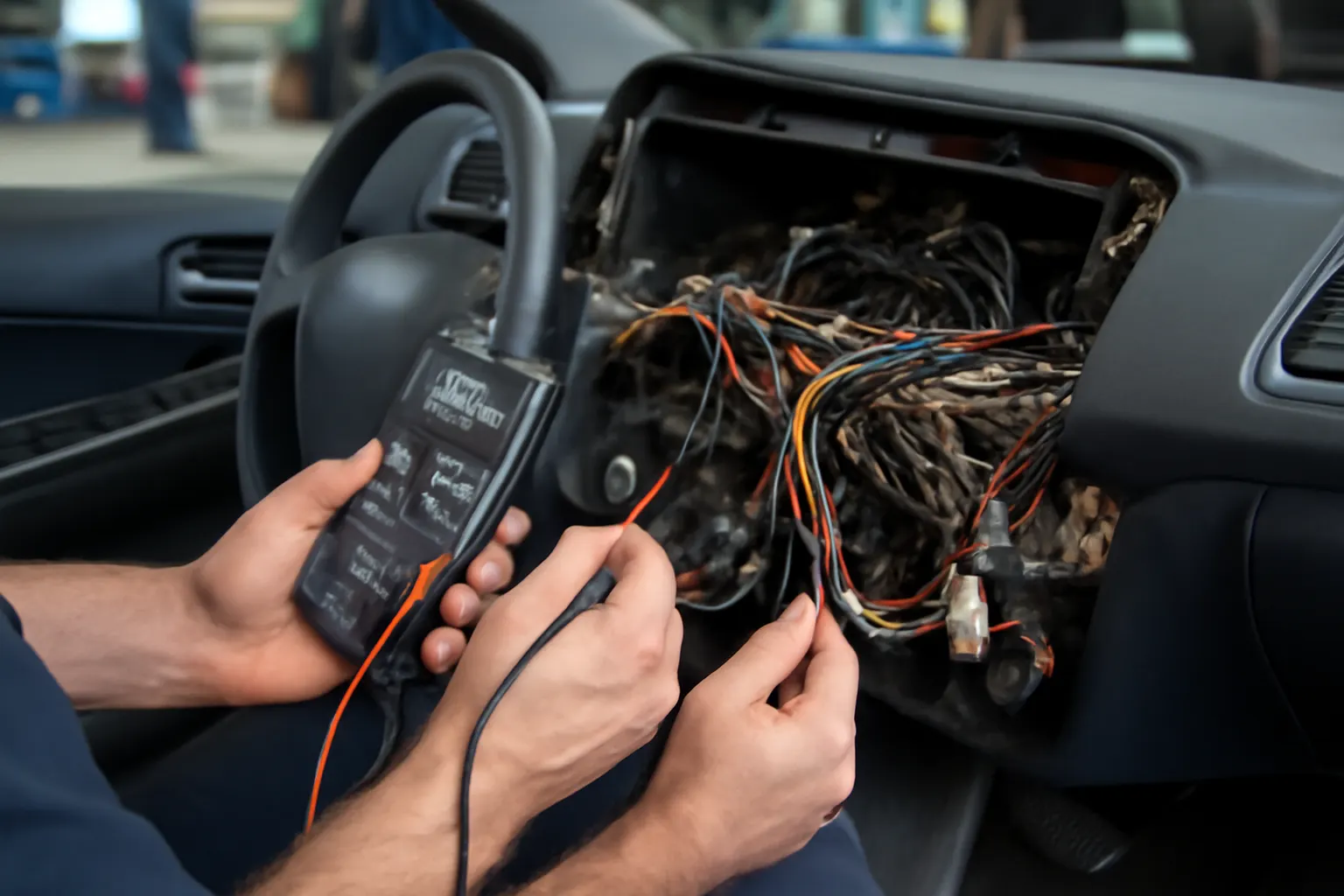
Diagnosing Hidden Electrical Faults in Dash Harnesses
Dash harnesses are the silent backbone of your vehicle’s electrical system, connecting critical controls, safety features, and instrumentation. When hidden faults develop behind the dashboard, they can trigger a cascade of problems—from intermittent warning lights to total system failures. Diagnosing these elusive wiring issues is essential for maintaining vehicle safety, reliability, and compliance with regulatory standards.
Read More
Mastering Dash Electrical Connections
Dash electrical connectors are the backbone of modern automotive dashboards, joining switches, sensors, infotainment modules, HVAC controls, and safety systems into a unified, reliable electrical network. The most common connector types include multi-pin plugs, blade terminals, and specialized locking connectors, each designed for a specific application and environment. Proper identification and selection of these connectors—by pin count, locking style, and material—directly impacts system reliability, ease of installation, and long-term serviceability.
View Guide
When to Replace Your Wiring Harness (Dash)
The dash wiring harness is the central nervous system of your vehicle’s dashboard, connecting critical electrical systems and safety features. Knowing when to replace your dash wiring harness is essential to avoid costly electrical failures, maintain vehicle safety, and ensure modern electronics perform as designed. This guide from the AutoPartEx Technical Editorial Team will show you the clear warning signs, hidden dangers, and best practices for dash harness replacement—arming you with the expertise to make the right call for your vehicle.
Read More