
Locks
Understanding and Selecting Automotive Locks: What Matters Most
Automotive locks are often taken for granted—until a failure or security concern arises. Whether you’re dealing with a sticky door lock, a worn ignition cylinder, or considering an upgrade to smart locks, understanding the options and evidence behind replacement decisions is crucial. This guide unpacks overlooked aspects of lock selection, diagnosis, and replacement, helping you make informed choices for your vehicle’s security and convenience.
Showing 89–96 of 549 products


More Locks options
Filtering for LocksBrowse nearby inventory for this category without leaving the page. Use search to filter by price, part number, or city.
No Data Available
Please check back soon when more inventory is available for this part.
Understanding and Selecting Automotive Locks: What Matters Most
Why Lock Selection Deserves a Closer Look
Most vehicle owners rarely think about their car’s locks until something goes wrong. Yet, the choice and condition of locks play a crucial role in both everyday convenience and long-term security. Many drivers focus on visible features like key fobs or remote entry, overlooking the mechanical and electronic systems behind the scenes. It’s easy to assume that all locks are created equal, but subtle differences in design, compatibility, and wear can have a significant impact on your vehicle’s reliability and safety.
A common misconception is that any replacement lock or actuator will restore full function without issue. In reality, the interplay between mechanical tumblers, electronic sensors, and the vehicle’s security system means that even minor mismatches or overlooked wear can lead to persistent problems. For example, a lock cylinder that fits physically may not communicate properly with an immobilizer, or a salvage actuator might introduce intermittent faults if its internal contacts are worn. These nuances often go unnoticed until after installation, when symptoms persist or worsen.
Taking time to understand the specific needs of your vehicle’s lock system can prevent frustration and additional expense. Whether you’re considering a direct replacement, an upgrade to a smart lock, or troubleshooting an intermittent fault, a thoughtful approach pays dividends. This guide highlights what many owners miss when evaluating automotive locks, setting the stage for a more secure and reliable vehicle experience.

What Can Go Wrong With Automotive Locks?
Automotive locks are subject to constant use and exposure, making them vulnerable to a range of issues over time. Mechanical wear is a leading culprit, as repeated key insertion and turning gradually erode tumblers and springs within the lock cylinder. This can result in keys that stick, refuse to turn, or require jiggling to operate. In some cases, the key may even break off inside the lock, necessitating more extensive repairs. These problems are not limited to older vehicles; modern cars with electronic locks can also experience failures due to worn contacts or corroded wiring.
Electronic lock systems introduce additional complexity. Door lock actuators, which convert electronic signals into mechanical movement, can fail due to moisture intrusion, worn gears, or electrical faults. Symptoms may include doors that refuse to lock or unlock, intermittent operation, or strange noises from within the door panel. Because these actuators are often integrated with alarm and keyless entry systems, a single failure can compromise both convenience and security. Diagnosing the root cause requires careful inspection and sometimes specialized tools.
Security vulnerabilities are another concern. As vehicles age, lock cylinders and housings can become loose or misaligned, making them easier targets for theft or vandalism. Aftermarket or salvage locks, if not matched precisely to the vehicle’s original specifications, may introduce fitment issues or reduce the effectiveness of anti-theft features. In some cases, a poorly matched lock can even trigger false alarms or prevent the vehicle from starting due to immobilizer conflicts.
Owners may also encounter problems when attempting to upgrade to smart locks or keyless entry systems. These advanced features offer convenience but often require precise integration with the vehicle’s existing wiring and control modules. Incompatibility between components can lead to system errors, battery drain, or a complete loss of locking function. Without proper research and installation, an upgrade intended to enhance security may inadvertently create new vulnerabilities.
Environmental factors play a significant role in lock longevity. Exposure to moisture, road salt, and temperature extremes can accelerate corrosion and wear, particularly in door and trunk locks. Regular maintenance, such as lubrication and inspection, can mitigate some of these effects, but neglect often leads to premature failure. Owners in harsh climates should be especially vigilant, as small problems can escalate quickly under adverse conditions.
Finally, recall and safety campaigns occasionally target lock-related defects. While not every vehicle or lock model is subject to recall, it’s important for owners to stay informed about potential safety issues. According to the National Highway Traffic Safety Administration, recalls are typically issued when a defect poses an unreasonable safety risk or violates minimum safety standards. However, a recall lookup does not guarantee that a specific vehicle or part is affected, so owners should verify details using their vehicle identification number (VIN) and consult official resources for updates (NHTSA: Vehicle Recalls).
Practical Steps for Diagnosing and Replacing Locks
When faced with a lock issue, the first step is to accurately identify the source of the problem. Begin by observing the symptoms: Does the key turn smoothly, or is there resistance? Do all doors respond to the remote, or is one door unresponsive? Is the problem intermittent or constant? These observations can help narrow down whether the fault lies with the mechanical cylinder, the electronic actuator, or the vehicle’s security system. In some cases, a simple cleaning or lubrication may resolve minor sticking, but persistent issues warrant further investigation.
For mechanical lock problems, remove the affected cylinder and inspect for visible wear, broken springs, or debris. Compare the old lock to a replacement—whether new, remanufactured, or salvage—to ensure all tumblers and mounting points match precisely. If you’re considering a salvage lock, remember that these parts are sourced from other vehicles without alteration, so inspect for signs of previous wear or damage (FTC: Auto Repair Basics). Always request a written repair estimate and clarify whether the part is new or used, as this can affect both price and expected lifespan.
Electronic lock issues often require a different approach. Use a scan tool or multimeter to check for power at the actuator and continuity in the wiring harness. Listen for the actuator’s operation when pressing the remote or switch; a lack of sound may indicate a failed motor, while clicking without movement suggests worn gears or internal binding. If replacing an actuator, verify compatibility with your vehicle’s year, make, and model, as even minor differences can affect fitment and function. Consult your owner’s manual or a trusted parts catalog for reference.
When upgrading to keyless entry or smart lock systems, research is critical. Not all vehicles are easily retrofitted, and some aftermarket kits require splicing into factory wiring or reprogramming control modules. Before purchasing, confirm that the kit is designed for your specific vehicle and that installation instructions are clear. If in doubt, seek professional installation to avoid damaging sensitive electronics or voiding warranties. Consider the long-term implications of smart locks, including battery life, software updates, and potential cybersecurity risks (Smart Locks and the Future of Automotive Security).
If you suspect your vehicle may be subject to a recall related to locks or security systems, use your VIN to check official databases. The National Highway Traffic Safety Administration provides a free lookup tool to identify open recalls, but results are only definitive for unrepaired recalls associated with your specific VIN. Recall campaigns may require the manufacturer to repair, replace, or refund the affected part, but not all vehicles or lock types are included. Always follow up with your dealer or the manufacturer if you receive a recall notice (NHTSA: Vehicle Recalls).
When selecting a replacement lock, weigh the pros and cons of new, remanufactured, and salvage options. New locks offer the greatest assurance of longevity and compatibility but may be more expensive. Remanufactured or rebuilt locks are reconditioned to restore function, often at a lower cost, but quality can vary. Salvage locks are the most affordable but come with unknown wear history. Ask your supplier for details about the part’s origin and condition, and request documentation of any warranties or return policies.
Document all repairs and replacements thoroughly. The Federal Trade Commission recommends obtaining a completed repair order listing the work performed, parts used, costs, and odometer readings. This documentation is valuable for future maintenance, resale, and warranty claims. If you receive recommendations for additional services, compare them with your manufacturer’s maintenance schedule and ask for justification. A transparent repair process builds trust and helps avoid unnecessary expenses (FTC: Auto Repair Basics).
Finally, maintain your locks proactively. Regularly lubricate mechanical cylinders with a suitable graphite or silicone-based lubricant, and inspect for signs of corrosion or wear. Test electronic locks and remotes periodically to catch issues early. If you notice changes in operation, address them promptly to prevent more costly repairs. Staying attentive to your vehicle’s locks not only preserves convenience but also enhances overall security.
What the Evidence and Published Guidance Shows
The National Highway Traffic Safety Administration (NHTSA) provides comprehensive guidance on vehicle recalls, including those related to locks and security systems. According to their official documentation, a recall is issued when a defect creates an unreasonable safety risk or fails to meet minimum safety standards. Importantly, searching by VIN reveals only unrepaired recalls specific to your vehicle. General searches by make and model show broader recall trends but do not confirm that your car or lock is affected. This means that while recalls are a valuable resource for identifying known issues, they are not a substitute for individual diagnosis or proof of a particular defect (NHTSA: Vehicle Recalls).
NHTSA’s recall process is driven by consumer complaints and manufacturer reports. If enough owners report similar lock failures or security concerns, NHTSA may open an investigation and, if warranted, initiate a recall. However, not all lock-related problems result in recalls, and some issues—such as intermittent actuator failures—may not meet the threshold for official action. Owners are encouraged to file complaints if they experience safety-related lock problems, as this can help build a case for future investigations. The recall process is transparent, but owners must remain proactive in monitoring updates and responding to manufacturer notifications (NHTSA: Vehicle Recalls).
The Federal Trade Commission (FTC) offers detailed consumer advice on auto repairs, including the selection and use of replacement parts. Their guidance distinguishes between new, remanufactured, and salvage parts, noting that salvage locks come from other vehicles without alteration. The FTC recommends obtaining a written repair estimate, clarifying the type of part being used, and requesting a completed repair order after service. While these recommendations are not specific to any one vehicle or lock type, they provide a framework for making informed decisions and avoiding disputes over quality or fitment (FTC: Auto Repair Basics).
It is important to note that neither NHTSA nor FTC documentation provides technical specifications, service intervals, or failure rates for specific lock models or vehicle years. Instead, they emphasize consumer rights, documentation, and the importance of matching replacement parts to the vehicle’s requirements. This means that while official sources can guide your approach, they do not replace the need for hands-on inspection and consultation with experienced technicians. Owners should use these resources as a starting point, supplementing them with vehicle-specific information from manuals or trusted suppliers.
When comparing new, remanufactured, and salvage locks, the FTC’s advice to request documentation and clarify warranties is especially relevant. There is no standard warranty on repairs or replacement parts, so buyers should ask for written terms and understand the coverage before committing. This is particularly important for salvage locks, where prior wear may not be immediately apparent. The FTC’s emphasis on transparency and documentation helps protect consumers from unexpected costs or disputes (FTC: Auto Repair Basics).
NHTSA’s recall lookup tool is a valuable asset but has limitations. It does not show recalls that have already been repaired, recently announced recalls for which not all VINs are identified, or recalls more than 15 years old (except in rare cases). Additionally, recalls conducted by small manufacturers or involving international vehicles may not appear in the database. Owners should check regularly and use multiple resources to stay informed about potential safety issues. If a recall is found, manufacturers are required to notify owners and offer a remedy, but the process may take time (NHTSA: Vehicle Recalls).
Ultimately, the evidence underscores the importance of a methodical approach to lock diagnosis and replacement. While official guidance provides structure and consumer protection, it does not substitute for careful inspection and compatibility checks. Owners should combine published advice with hands-on evaluation, clear documentation, and regular maintenance to ensure their vehicle’s locks remain secure and functional.
Take the Next Step for Secure, Reliable Locks
Don’t wait for a lock failure to compromise your vehicle’s security or convenience. Start by reviewing your owner’s manual and checking for open recalls using your VIN. If you notice symptoms of lock wear or malfunction, document the issue and consult a trusted technician or parts supplier. Compare new, remanufactured, and salvage options, and ask for written estimates and warranties. For more guidance, explore our Locks catalog and related resources to make the best choice for your vehicle’s needs.
References
- NHTSA: Vehicle Recalls
- FTC: Auto Repair Basics
References
- NHTSA: Vehicle Recalls - NHTSA, accessed 2026-11-01
- FTC: Auto Repair Basics - FTC, accessed 2026-11-01
Related Guides & Articles

Diagnosing Door Lock Actuator Failures
When your vehicle's power door locks stop working, act intermittently, or make unusual noises, the actuator is often to blame. The most common symptoms of a failing door lock actuator include: Unresponsive locks (from the key fob, interior switch, or both) Grinding, clicking, or buzzing noises from inside the door Locks that work manually but not electrically Intermittent operation or only some doors affected Many drivers overlook the complex interplay between electronics, mechanical parts, and environmental exposure within door lock systems.
View Guide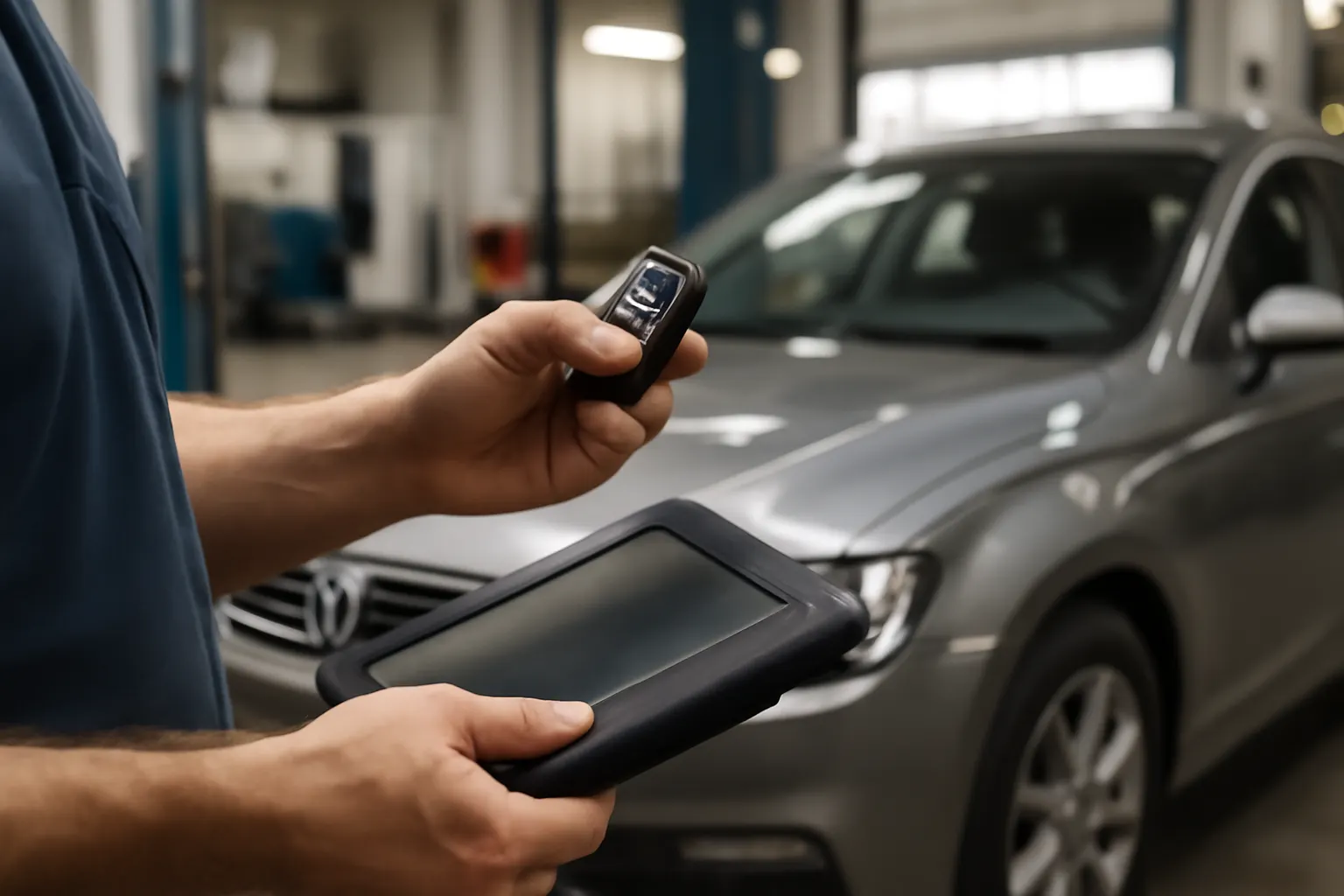
How Keyless Entry Systems Have Changed Vehicle Security
Keyless entry systems have revolutionized automotive security, offering a powerful combination of theft deterrence and user convenience. By replacing traditional mechanical keys with radio frequency (RF) fobs, smart cards, or even smartphone integration, these systems have changed how drivers interact with their vehicles and how criminals attempt to bypass security. For car owners and automotive professionals, understanding the evolution, strengths, vulnerabilities, and maintenance needs of keyless entry is essential for maximizing both protection and ease of use.
Read More
Replacing Ignition and Trunk Locks: What You Need to Know
Replacing an ignition or trunk lock involves removing the original lock cylinder, sourcing a compatible replacement, transferring or programming keys, and reassembling the lock system. For most vehicles, the process includes: Disconnecting the battery for safety. Removing interior trim or trunk liners. Extracting the old lock cylinder (may require a working key or lock-picking tools). Installing the new cylinder, ensuring proper alignment. Programming new transponder keys if necessary. Verifying operation and reassembling all panels.
View Guide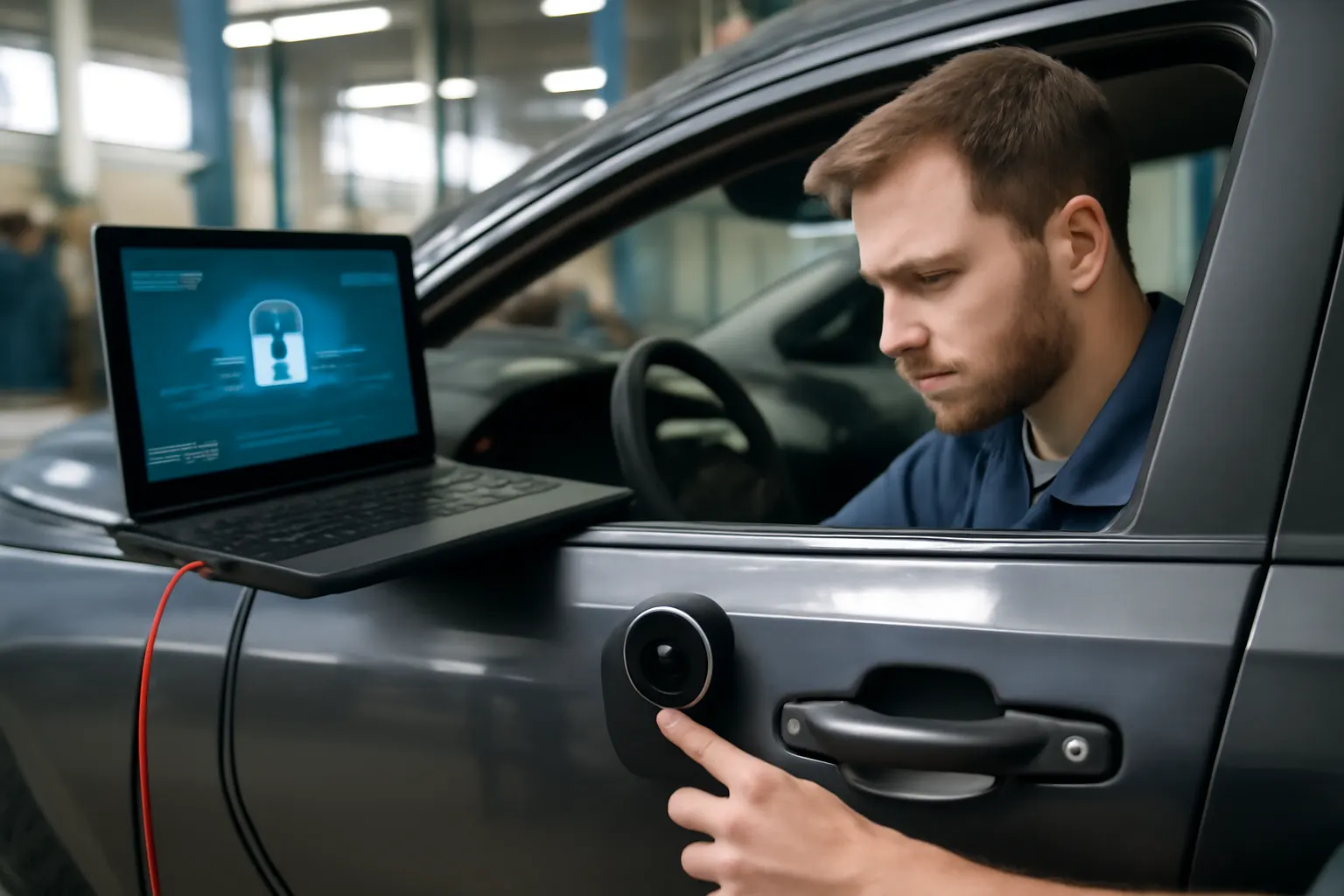
Smart Locks and the Future of Automotive Security
Smart locks have transitioned from luxury features to mainstream automotive security solutions. Modern vehicles often come equipped with keyless entry, push-button start, and even mobile phone-based access, all managed by sophisticated electronic control units (ECUs). These systems leverage encrypted radio signals, proximity sensors, and, increasingly, biometrics such as fingerprint or facial recognition. The benefits are clear: Enhanced Convenience: No more fumbling for keys—owners can unlock, start, and secure their vehicles with a touch or a tap on their smartphone.
Read More