
Intake Manifold
Intake Manifold: Inspection, Issues, and Replacement Guide
Many drivers overlook the intake manifold until engine performance drops or a leak appears. Understanding this component’s role and knowing how to assess its condition can prevent costly repairs. This guide explains what to watch for, how to compare replacement options, and which steps to take if you suspect an intake manifold issue. With the right knowledge, you can make informed decisions and keep your engine running smoothly.
Showing 81–88 of 517 products


More Intake Manifold options
Filtering for Intake ManifoldBrowse nearby inventory for this category without leaving the page. Use search to filter by price, part number, or city.
No Data Available
Please check back soon when more inventory is available for this part.
Intake Manifold: Inspection, Issues, and Replacement Guide
Why Intake Manifolds Deserve Closer Attention
While many car owners focus on obvious maintenance items like oil changes and brakes, the intake manifold often escapes notice until a problem arises. This component quietly manages the distribution of air—or air-fuel mixture—to the engine’s cylinders, directly influencing performance and efficiency. Its importance is often underestimated, making it an overlooked source of engine trouble when symptoms appear. By understanding the intake manifold’s role, drivers can better anticipate and prevent issues that might otherwise go undiagnosed.
A healthy intake manifold is essential for optimal engine operation, yet its symptoms of failure can mimic other issues. Drivers might notice rough idling, reduced power, or even increased fuel consumption, but rarely suspect the manifold at first. This lack of awareness can lead to unnecessary part replacements or misdiagnosed repairs. Recognizing intake manifold problems early can save time, money, and frustration, especially as vehicles age or accumulate mileage.
With modern engines becoming more complex, the intake manifold’s design and condition have a greater impact than ever. Materials, shape, and integration with sensors all affect performance and reliability. Ignoring this component can result in missed opportunities for improved efficiency or even expose the engine to avoidable damage. Taking a proactive approach to intake manifold inspection and maintenance can help keep your vehicle running smoothly and efficiently for years to come.

Recognizing Intake Manifold Problems and Their Impact
Intake manifold problems can manifest in subtle ways, making them difficult to distinguish from other engine issues. For example, a vacuum leak at the manifold may cause the engine to idle roughly, hesitate during acceleration, or trigger a check engine light. These symptoms are not unique to the intake manifold, which is why they are often misattributed to ignition or fuel system faults. Understanding the specific signs of manifold trouble is crucial for accurate diagnosis and repair.
One common issue is a cracked or warped intake manifold, which can allow unmetered air to enter the engine. This disrupts the air-fuel mixture, leading to poor combustion and reduced performance. In some cases, coolant passages integrated into the manifold may leak, causing coolant loss and potential overheating. These problems can escalate quickly if not addressed, resulting in more extensive engine damage or costly repairs down the line.
Another challenge is that intake manifold gaskets, which seal the component to the engine, can deteriorate over time. When these gaskets fail, air or coolant leaks may develop, further complicating the diagnostic process. Owners might notice a sweet smell from leaking coolant, visible residue around the manifold, or unexplained coolant loss. Such symptoms warrant immediate attention to prevent further engine problems and ensure safe operation.
The complexity of modern intake manifolds, which may include integrated sensors or actuators, adds another layer of potential failure points. Electronic components can malfunction, causing erratic engine behavior or diagnostic trouble codes. In these cases, simply replacing the manifold may not resolve the issue if underlying electrical faults are present. Accurate diagnosis requires a careful inspection and sometimes specialized equipment to pinpoint the root cause.
Environmental factors also play a role in intake manifold longevity. Repeated heat cycles, exposure to road salt, and extended periods of high engine load can accelerate wear or corrosion. Vehicles operated in harsh climates or those with high mileage are particularly susceptible to manifold-related problems. Regular inspection and maintenance can help identify vulnerabilities before they lead to breakdowns or more severe engine damage.
Because intake manifold symptoms overlap with other engine issues, it’s essential to approach diagnosis methodically. Consulting a qualified technician, especially one familiar with your vehicle’s make and model, can help avoid unnecessary part replacements. A thorough inspection—including checking for vacuum leaks, gasket integrity, and sensor function—provides a solid foundation for deciding whether repair or replacement is necessary.
Practical Steps for Intake Manifold Diagnosis and Replacement
If you suspect an intake manifold issue, the first step is to conduct a visual inspection. Look for signs of coolant or oil leaks around the manifold, as well as any visible cracks or warping. Check for residue or staining that might indicate a slow leak. A flashlight and mirror can help you see hard-to-reach areas, especially on transverse-mounted engines. Document any findings with photographs to assist in discussions with a technician or parts supplier.
Next, listen for unusual engine noises. A hissing sound during idle or acceleration may indicate a vacuum leak at the intake manifold or its gaskets. This can be confirmed by spraying a small amount of carburetor cleaner or soapy water around the suspected area while the engine runs—if the idle speed changes, a leak is likely present. Always exercise caution and follow safety procedures when working near a running engine.
Check for diagnostic trouble codes using an OBD-II scanner. Codes related to fuel trim, misfires, or intake air temperature sensors can point toward manifold issues. However, these codes are not definitive proof of a manifold problem, so they should be interpreted alongside physical inspection results. If codes persist after addressing obvious issues, further investigation may be necessary.
Consult your vehicle’s service manual or a reputable repair database for intake manifold removal and installation procedures. Each engine design has specific torque sequences, fastener types, and gasket requirements. Following the correct procedure helps prevent damage to the new manifold or engine block. If you’re unsure, consider seeking a second opinion from a certified technician to confirm the diagnosis and recommended repairs.
When selecting a replacement intake manifold, compare options carefully. New, remanufactured, and salvage parts each have advantages and trade-offs. New manifolds offer the latest design and materials but may be more expensive. Remanufactured units are rebuilt to meet original specifications and can be a cost-effective alternative. Salvage parts come from donor vehicles and may provide savings, but their condition can vary. Always ask for a written estimate and clarify the part’s origin before committing to a purchase, as recommended by the FTC FTC: Auto Repair Basics.
Ensure compatibility by matching the replacement manifold to your vehicle’s year, make, model, and engine code. Some manifolds are specific to certain engine variants or trim levels. Providing your VIN to the supplier can help confirm fitment. If possible, inspect the replacement part before installation to check for damage or missing components. Keep all documentation, including receipts and warranty information, for future reference.
After installation, perform a thorough system check. Start the engine and look for leaks, abnormal noises, or warning lights. Monitor coolant and oil levels over the next few days to ensure no new issues develop. If problems persist, recheck all connections and consult a professional for further diagnosis. Proper installation and post-repair inspection are key to ensuring long-term reliability and performance.
Regular maintenance can extend the life of your intake manifold and prevent future issues. Follow the manufacturer’s recommended service intervals, and address any engine performance concerns promptly. Periodic inspection of hoses, gaskets, and sensors connected to the manifold can help catch problems early. Staying proactive with maintenance not only protects your investment but also keeps your vehicle running at its best. For more detailed steps, see our Diagnosing Intake Manifold Leaks: Step-by-Step Guide.
What the Experts and Official Sources Say
The Federal Trade Commission (FTC) provides general guidance for consumers facing auto repairs, emphasizing the importance of obtaining a written repair estimate and understanding the origin of replacement parts. According to their advice, it’s wise to clarify whether a part is new, remanufactured, or salvage, as each type offers different benefits and potential risks. Salvage intake manifolds, for example, come from other vehicles and may show signs of previous use, while new or remanufactured options are more likely to meet current quality standards. The FTC also recommends comparing shop recommendations with the manufacturer’s maintenance schedule and seeking a second opinion for complex repairs FTC: Auto Repair Basics. This advice is not specific to intake manifolds but is particularly relevant given the component’s critical role and the range of available replacement options.
The FTC guidance further distinguishes between repair types and stresses the importance of getting a completed repair order listing all work performed, parts used, and costs incurred. This documentation is essential for intake manifold replacements, especially if warranty coverage or future troubleshooting is needed. The FTC does not provide technical specifications or endorse specific brands, but their consumer protection advice helps ensure transparency and accountability throughout the repair process FTC: Auto Repair Basics.
The National Highway Traffic Safety Administration (NHTSA) offers a recall lookup tool that enables vehicle owners to check for open recalls related to their specific VIN. While this resource is invaluable for identifying known safety defects—including those that may involve the intake manifold—it does not confirm that every vehicle or part is subject to a recall. The NHTSA database provides general recall information and tracks manufacturer actions to remedy safety-related defects, but not all intake manifold problems result in recalls. Owners should use this tool as part of a broader diagnostic and research process NHTSA: Vehicle Recalls.
NHTSA’s recall process involves several steps, beginning with consumer complaints and progressing through investigations, analysis, and potential recall actions. If a safety-related defect is identified, manufacturers are required to notify owners and provide a remedy, typically at no cost. However, many intake manifold issues—such as minor leaks or non-safety-related failures—may not meet the threshold for a formal recall. Therefore, even if your vehicle is not currently subject to a recall, intake manifold inspection and maintenance remain essential for safe operation NHTSA: Vehicle Recalls.
Neither the FTC nor NHTSA documents establish specific failure rates, service intervals, or repair outcomes for intake manifolds. Instead, they provide frameworks for consumer protection and safety monitoring. This means that, in the absence of a recall or manufacturer communication, owners must rely on careful inspection, reputable repair shops, and informed part selection. Comparing multiple sources of information and seeking professional advice can help ensure a successful intake manifold repair or replacement.
For buyers considering a used or salvage intake manifold, the FTC’s advice to request detailed documentation and clarify part history is especially relevant. Salvage parts can offer significant savings, but their condition and compatibility may vary. Always inspect the part for visible damage and ask the seller about return policies or limited warranties. This approach helps minimize risk and ensures you receive a component that meets your needs FTC: Auto Repair Basics.
While official sources do not provide technical repair procedures, they reinforce the importance of methodical diagnosis and transparent communication. By following these principles—obtaining written estimates, confirming part compatibility, and checking for recalls—owners can navigate intake manifold repairs with confidence. For further reading on intake manifold function and performance, see our articles on How Intake Manifold Design Impacts Engine Performance and Common Intake Manifold Failures and How to Prevent Them.
Take the Next Step Toward Reliable Engine Performance
Whether you’re addressing a suspected intake manifold issue or planning a proactive replacement, informed decision-making is your best tool. Start by gathering documentation, inspecting your vehicle, and consulting trusted resources. Check for recalls using your VIN, and compare part options with care. If you need further guidance, explore our Intake Manifold catalog or contact a qualified technician. Taking these steps now can help you avoid costly repairs and ensure your engine operates at its best for years to come.
References
- NHTSA: Vehicle Recalls
- FTC: Auto Repair Basics
References
- NHTSA: Vehicle Recalls - NHTSA, accessed 2026-11-01
- FTC: Auto Repair Basics - FTC, accessed 2026-11-01
Related Guides & Articles

Diagnosing Intake Manifold Leaks: Step-by-Step Guide
The intake manifold is responsible for distributing air (and sometimes air-fuel mixture) evenly to each engine cylinder. It is engineered for precise airflow, structural integrity, and thermal management, often constructed from advanced materials such as aluminum alloys or high-performance composites (DOE: Materials Technologies). Any breach in the manifold or its gaskets allows unmetered air to enter the engine, disrupting the delicate balance between fuel and air.
View Guide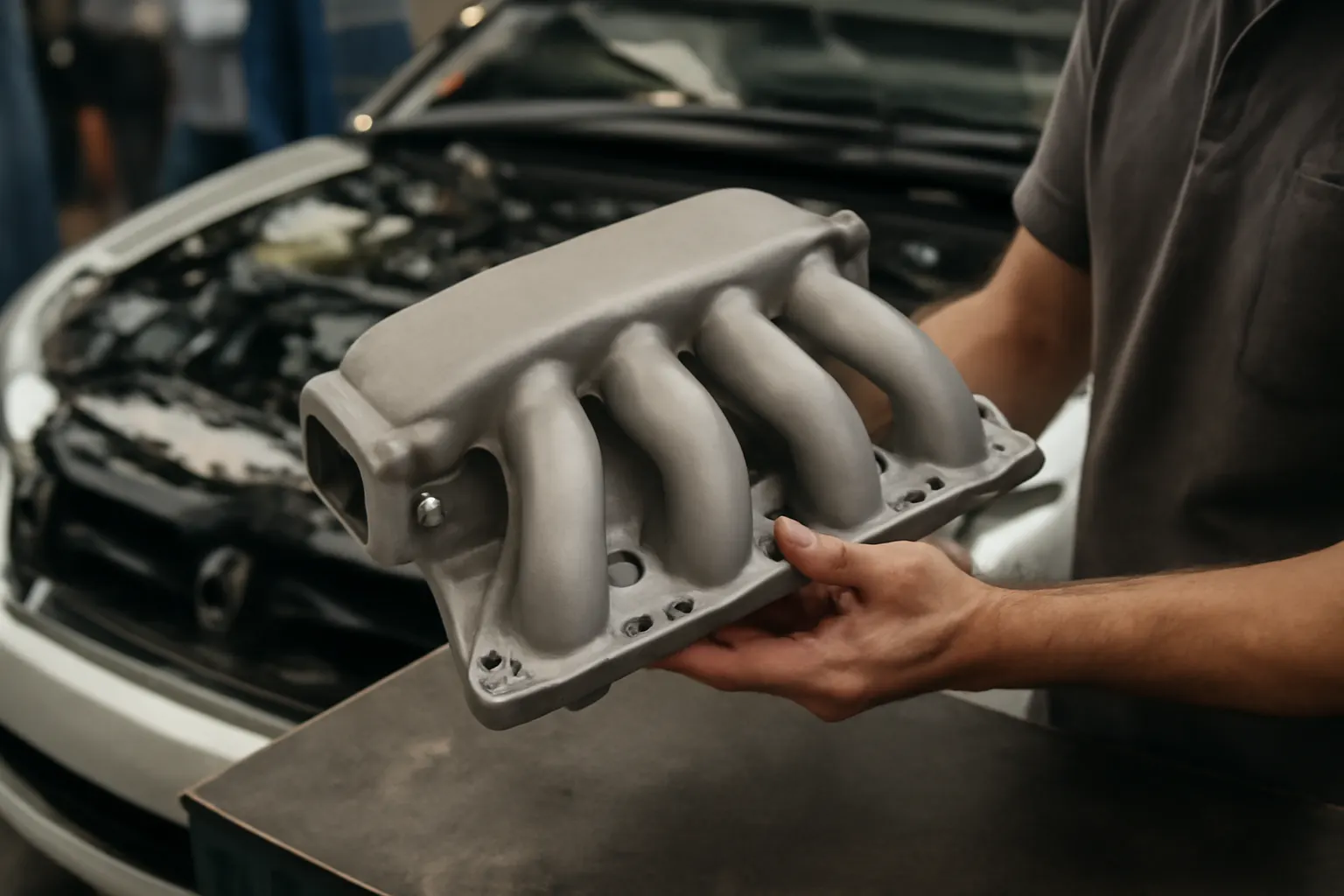
How Intake Manifold Design Impacts Engine Performance
The intake manifold is far more than a simple air channel—it's a critical engine component that directly shapes horsepower, torque, throttle response, and overall fuel efficiency. Whether you’re an enthusiast looking to extract every ounce of performance or a daily driver focused on reliability, understanding intake manifold design is essential. In this comprehensive guide, we break down the science of manifold geometry, unveil the hidden pitfalls of poor design, and equip you with actionable steps for diagnostics, upgrades, and maintenance.
Read More
Upgrading to a Performance Intake Manifold
Upgrading to a performance intake manifold is one of the most effective ways to unlock additional horsepower, torque, and throttle response from your engine—especially when paired with other supporting modifications. Whether you’re building a dedicated track machine or seeking more spirited driving from your daily, this guide delivers a comprehensive, step-by-step approach to selecting, installing, and optimizing an aftermarket intake manifold for maximum gains.
View Guide
Common Intake Manifold Failures and How to Prevent Them
Intake manifold failures are a frequent cause of engine performance issues, loss of efficiency, and even significant engine damage if left unaddressed. Understanding the most common intake manifold problems—and, more importantly, how to prevent them—can save you time, money, and frustration, whether you’re a DIY enthusiast or a professional technician.
Read More