
Engine Cradle
Engine Cradle: Key Considerations for Replacement and Inspection
Many vehicle owners overlook the engine cradle until a major issue arises. This component, supporting both the engine and suspension, plays a crucial role in vehicle stability and safety. Understanding when and how to inspect or replace an engine cradle can prevent costly repairs and ensure a smoother ride. This guide covers practical steps, technical context, and evidence-backed advice for anyone considering an engine cradle replacement or inspection. For more focused reading, explore Diagnosing Engine Cradle Failures: Step-by-Step Guide and Why Engine Cradle Alignment Matters for Suspension and Steering.
When considering vehicle maintenance, most drivers focus on visible components like brakes, tires, or even the engine itself. Yet, the engine cradle—sometimes called a subframe—remains an essential but often overlooked part. It serves as the structural support for the engine and front suspension, absorbing road impacts and maintaining alignment. Over time, this hidden workhorse can develop issues that affect ride quality, safety, and even the lifespan of other components. Ignoring the engine cradle may lead to subtle problems that escalate into significant repairs.
Many owners are unaware of the engine cradle’s role until a mechanic points out corrosion, misalignment, or damage during a routine inspection. Unlike more obvious parts, the cradle’s problems often develop out of sight. For vehicles driven in regions with harsh winters or frequent exposure to road salt, engine cradle deterioration can be especially insidious. The result may be odd noises, alignment issues, or even compromised safety in the event of a collision. Early attention to this component can save both money and trouble down the road.
The challenge lies in knowing when to consider engine cradle inspection or replacement. Symptoms can mimic other suspension or steering problems, making diagnosis tricky for the uninitiated. Owners may not realize that a deteriorating cradle can cause persistent alignment issues, uneven tire wear, or strange handling characteristics. By understanding the subtle signs and the importance of the engine cradle, drivers can take proactive steps to maintain vehicle integrity and safety.
The engine cradle’s primary job is to anchor the engine, transmission, and front suspension components securely to the vehicle’s chassis. When this structure becomes compromised—whether through rust, physical damage, or fatigue—the entire vehicle system can be affected. Problems may start small but can quickly escalate if left unchecked. Early warning signs might include unusual vibrations, clunking noises from the front end, or steering that feels off-center. These symptoms are not exclusive to the engine cradle but often indicate a need for closer inspection.
Showing 17–24 of 732 products


More Engine Cradle options
Filtering for Engine CradleBrowse nearby inventory for this category without leaving the page. Use search to filter by price, part number, or city.
No Data Available
Please check back soon when more inventory is available for this part.
Engine Cradle: Key Considerations for Replacement and Inspection
Why Engine Cradles Deserve More Attention
When considering vehicle maintenance, most drivers focus on visible components like brakes, tires, or even the engine itself. Yet, the engine cradle—sometimes called a subframe—remains an essential but often overlooked part. It serves as the structural support for the engine and front suspension, absorbing road impacts and maintaining alignment. Over time, this hidden workhorse can develop issues that affect ride quality, safety, and even the lifespan of other components. Ignoring the engine cradle may lead to subtle problems that escalate into significant repairs.
Many owners are unaware of the engine cradle’s role until a mechanic points out corrosion, misalignment, or damage during a routine inspection. Unlike more obvious parts, the cradle’s problems often develop out of sight. For vehicles driven in regions with harsh winters or frequent exposure to road salt, engine cradle deterioration can be especially insidious. The result may be odd noises, alignment issues, or even compromised safety in the event of a collision. Early attention to this component can save both money and trouble down the road.
The challenge lies in knowing when to consider engine cradle inspection or replacement. Symptoms can mimic other suspension or steering problems, making diagnosis tricky for the uninitiated. Owners may not realize that a deteriorating cradle can cause persistent alignment issues, uneven tire wear, or strange handling characteristics. By understanding the subtle signs and the importance of the engine cradle, drivers can take proactive steps to maintain vehicle integrity and safety.

Understanding Engine Cradle Issues and Their Impact
The engine cradle’s primary job is to anchor the engine, transmission, and front suspension components securely to the vehicle’s chassis. When this structure becomes compromised—whether through rust, physical damage, or fatigue—the entire vehicle system can be affected. Problems may start small but can quickly escalate if left unchecked. Early warning signs might include unusual vibrations, clunking noises from the front end, or steering that feels off-center. These symptoms are not exclusive to the engine cradle but often indicate a need for closer inspection.
One of the most common threats to engine cradles is corrosion, particularly in areas known as the “Rust Belt.” Road salt, moisture, and temperature fluctuations accelerate metal deterioration, weakening the cradle’s structural integrity. In some cases, rust can become so severe that it leads to visible holes, cracks, or even complete separation from mounting points. Such degradation not only compromises the cradle itself but also puts stress on connected components, potentially leading to costly collateral damage.
Physical impacts, such as hitting a curb or debris, can also bend or crack the engine cradle. Even minor accidents may cause misalignment that affects suspension geometry, steering response, and tire wear. In vehicles with unibody construction, the cradle’s alignment is critical for maintaining the factory-specified relationship between the engine, transmission, and wheels. Any deviation can result in persistent drivability issues that are difficult to correct without addressing the cradle itself.
Diagnosing engine cradle problems is complicated by the fact that many symptoms overlap with other front-end issues. For example, a worn ball joint or control arm bushing can produce similar noises and handling quirks. This makes it essential to conduct a thorough inspection and rule out other causes before concluding that the cradle is at fault. Mechanics often use a combination of visual examination, measurement tools, and test drives to pinpoint the source of the problem.
The consequences of ignoring engine cradle issues can be severe. In extreme cases, a failed cradle may allow the engine or suspension to shift unexpectedly, creating a serious safety hazard. Even less dramatic failures can lead to chronic alignment problems, accelerated tire wear, and increased stress on related components. Over time, these issues can add up to significant repair bills and diminished vehicle value. Proactive inspection and timely intervention are key to avoiding such outcomes.
Owners should also be aware that engine cradle problems may not always be obvious, especially if the vehicle has not been recently inspected by a qualified technician. Because the cradle is located beneath the engine and often shielded by splash guards or underbody panels, damage or corrosion can go unnoticed for years. Regular maintenance and targeted inspections are the best defense against unexpected failures, particularly for vehicles exposed to harsh conditions or high mileage.
Practical Steps for Engine Cradle Inspection and Replacement
If you suspect an issue with your engine cradle, the first step is a thorough inspection. Begin by safely lifting the vehicle and removing any underbody panels or splash shields that may obstruct your view. Look for visible signs of rust, cracks, or deformation along the cradle’s structure, especially near mounting points and welds. Pay close attention to areas where road salt and moisture can accumulate, as these are prime spots for corrosion. Use a flashlight and inspection mirror to check hard-to-reach sections.
Next, assess the cradle’s alignment and attachment to the chassis. Any gaps, shifted mounting bolts, or witness marks indicating movement suggest possible misalignment. Compare both sides of the cradle for symmetry and look for evidence of previous repairs or welds. If you notice any bent or broken brackets, further investigation is warranted. It’s also important to check for fluid leaks, as oil or coolant can accelerate corrosion and mask damage.
Testing for movement is another key diagnostic step. With the vehicle securely supported, use a pry bar to gently apply pressure to the cradle at various points. Any noticeable flex, movement, or creaking sounds may indicate weakened metal or loose fasteners. Check that all bolts are tightened to the manufacturer’s specifications and inspect bushings for excessive wear or deterioration. If you’re unsure about any findings, consult a professional for a second opinion.
If significant rust, cracks, or structural damage are found, replacement is often the safest and most effective solution. When selecting a replacement engine cradle, consider the source: new, remanufactured, or salvage. Each option has its pros and cons. New cradles offer the highest assurance of quality and fitment but tend to be the most expensive. Remanufactured units are rebuilt to original specifications and may offer a balance between cost and reliability. Salvage cradles are the most budget-friendly but require careful inspection to ensure they are free from hidden damage or excessive wear.
Before purchasing a replacement, verify compatibility with your specific vehicle year, make, and model. Use your vehicle identification number (VIN) to confirm fitment, as subtle differences in design can affect installation and performance. Ask the seller for detailed photographs and, if possible, a written guarantee of condition. If you’re sourcing a salvage cradle, request information about the donor vehicle’s mileage, accident history, and whether the part has been inspected for cracks or rust.
Installation of an engine cradle is a complex task best left to experienced technicians, as it involves supporting the engine and suspension while removing and replacing the cradle. Specialized tools, such as engine support bars and torque wrenches, are required to ensure proper alignment and secure attachment. After installation, a professional alignment is necessary to restore correct suspension geometry and prevent premature tire wear. Be sure to obtain a detailed repair order listing all work performed, parts used, and final alignment specifications.
Throughout the process, communication with your repair shop is crucial. Request a written estimate outlining the condition to be repaired, the parts needed, and anticipated labor charges. If the repair is particularly expensive or complicated, consider seeking a second opinion. Ask whether the technician has experience with your vehicle make and model, as familiarity can make a significant difference in the quality of the repair. Always compare the shop’s recommendations with your vehicle’s manufacturer maintenance schedule and ask for justification if additional services are proposed.
Finally, document everything. Keep copies of estimates, invoices, and any correspondence with the seller or repair shop. This not only helps in case of disputes but also provides a maintenance history that can enhance your vehicle’s resale value. If you encounter any issues with the replacement part, such as fitment problems or unexpected wear, address them promptly with the supplier or installer. Taking these practical steps ensures a smoother, safer, and more reliable outcome for your engine cradle replacement or inspection.
What the Evidence and Official Guidance Reveal
The National Highway Traffic Safety Administration (NHTSA) provides a valuable resource for consumers concerned about vehicle safety and recalls. According to the NHTSA, each vehicle has a unique VIN that can be used to check for open recalls, including those related to structural components like the engine cradle. However, searching by year, make, and model yields only general recall information, not evidence that a specific vehicle or part is affected. The NHTSA emphasizes the importance of using the VIN for the most accurate results, as this identifies whether a particular vehicle has an unrepaired recall. This process helps owners stay informed about potential safety defects but does not confirm the presence of a problem in every case. NHTSA: Vehicle Recalls
The NHTSA also outlines the recall process, highlighting that most recalls are initiated voluntarily by manufacturers before any agency involvement. When a safety-related defect is identified, manufacturers are required to notify owners and provide a remedy, which may include repair, replacement, or refund. For engine cradle concerns, this means that if a widespread defect is found, affected owners will be contacted directly. The NHTSA monitors recall effectiveness and ensures that remedies are provided at no cost to the owner. However, the presence of a recall does not guarantee that your particular vehicle or engine cradle is affected; always verify using your VIN and consult official channels for the latest updates. NHTSA: Vehicle Recalls
The Federal Trade Commission (FTC) offers general guidance for auto repairs, emphasizing the importance of obtaining a written repair estimate and understanding the type of parts being used. The FTC distinguishes between new, remanufactured, and salvage parts, noting that salvage parts come from another vehicle without alteration. This is particularly relevant when considering a replacement engine cradle, as buyers must weigh the benefits and risks of each option. The FTC advises comparing shop recommendations with the manufacturer’s maintenance schedule and seeking a second opinion for expensive or complicated repairs. This approach helps ensure that consumers make informed decisions and avoid unnecessary expenses. FTC: Auto Repair Basics
The FTC further recommends that consumers ask whether technicians have experience with their specific make and model. This is crucial for engine cradle replacement, as improper installation or misdiagnosis can lead to persistent issues. The FTC also stresses the importance of getting a completed repair order listing the work performed, parts used, and associated costs. While these guidelines are not specific to engine cradles, they provide a solid framework for navigating any major automotive repair, including structural component replacement. FTC: Auto Repair Basics
Neither the NHTSA nor FTC sources provide technical specifications, service intervals, or documented failure rates for engine cradles. They do not establish that all vehicles of a certain make or model are prone to cradle failure, nor do they guarantee that a particular replacement part will fit or perform as intended. Instead, these agencies focus on consumer protection, transparency, and the importance of due diligence. This means that buyers should rely on detailed inspection, compatibility checks, and reputable sellers when sourcing engine cradle replacements, rather than assuming universal fitment or failure patterns.
For buyers comparing replacement options, the FTC’s guidance on part types is particularly relevant. New engine cradles offer the greatest assurance of reliability, while remanufactured units may provide a cost-effective alternative if rebuilt to high standards. Salvage cradles, while budget-friendly, require careful scrutiny for hidden damage or corrosion. The FTC does not endorse any particular part type but encourages consumers to understand the origin and condition of the part before purchase. This underscores the need for thorough inspection and documentation when selecting a replacement engine cradle.
Finally, both the NHTSA and FTC stress the importance of documentation and communication throughout the repair process. Keeping records of inspections, estimates, and completed repairs not only protects consumers in case of disputes but also provides a valuable maintenance history for future reference. If a safety issue is suspected, the NHTSA encourages owners to file a complaint, which may contribute to broader investigations and potential recalls. These evidence-based recommendations support a proactive, informed approach to engine cradle inspection and replacement, prioritizing safety and transparency.
Take the Next Step: Protect Your Vehicle’s Foundation
Don’t wait for subtle symptoms to become costly repairs. If you suspect an issue with your engine cradle or simply want peace of mind, schedule a thorough inspection with a trusted technician. Use your VIN to check for recalls, request written estimates, and compare replacement options carefully. For more detailed guidance on diagnosing or replacing your engine cradle, explore our step-by-step guides and expert articles linked below. Protect your vehicle’s foundation—start your engine cradle assessment today.
References
- NHTSA: Vehicle Recalls
- FTC: Auto Repair Basics
References
- NHTSA: Vehicle Recalls - NHTSA, accessed 2026-11-01
- FTC: Auto Repair Basics - FTC, accessed 2026-11-01
Related Guides & Articles

Diagnosing Engine Cradle Failures: Step-by-Step Guide
When your vehicle exhibits unusual noises, poor handling, or visible underbody rust, the engine cradle may be to blame. Diagnosing engine cradle failures is essential for safety, structural integrity, and long-term vehicle performance. This comprehensive AutoPartEx guide walks you through step-by-step diagnostics—covering everything from corrosion and accident damage to mounting failures and alignment issues—so you can confidently determine the root cause and chart the safest repair path.
View Guide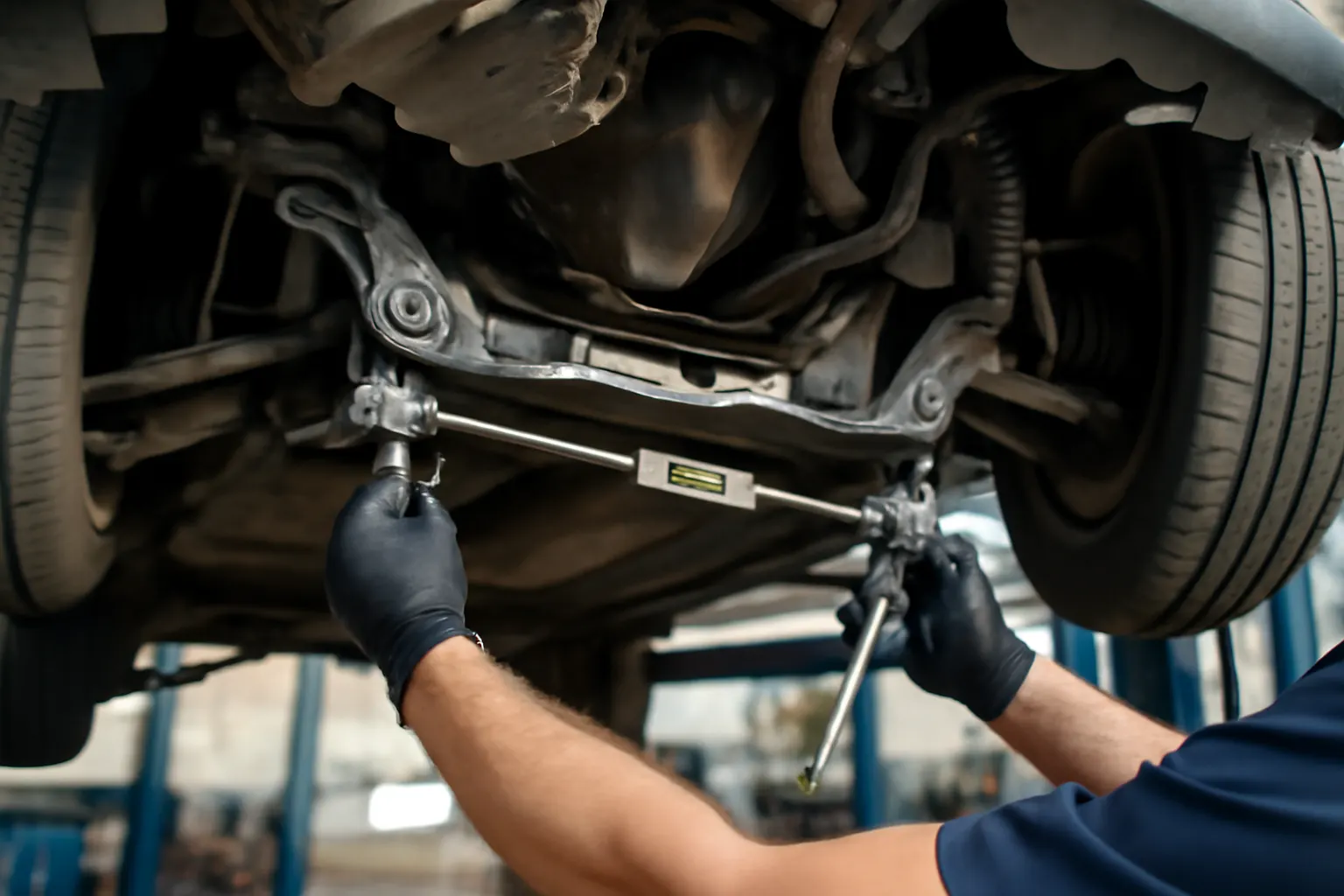
Why Engine Cradle Alignment Matters for Suspension and Steering
Engine cradle alignment is not just a technical detail—it’s a foundational element for maintaining precise suspension geometry and responsive steering in modern vehicles. When the engine cradle (or subframe) is properly aligned, it ensures that all connected suspension and steering components operate as designed, delivering optimal handling, safety, and tire wear. Conversely, misalignment can unleash a cascade of issues, from poor steering response to accelerated component wear and compromised safety.
Read More
Engine Cradle Replacement: Tools, Tips, and Best Practices
Replacing your engine cradle is a critical repair that restores structural integrity, driveline alignment, and safety to your vehicle. This comprehensive AutoPartEx guide details everything you need to know about engine cradle replacement—including required tools, torque specs, installation tips, and best practices. Whether you’re a seasoned technician or an advanced DIYer, this reference will help you approach the job with confidence and precision. Immediate answer: Engine cradle replacement is not just another bolt-on repair.
View Guide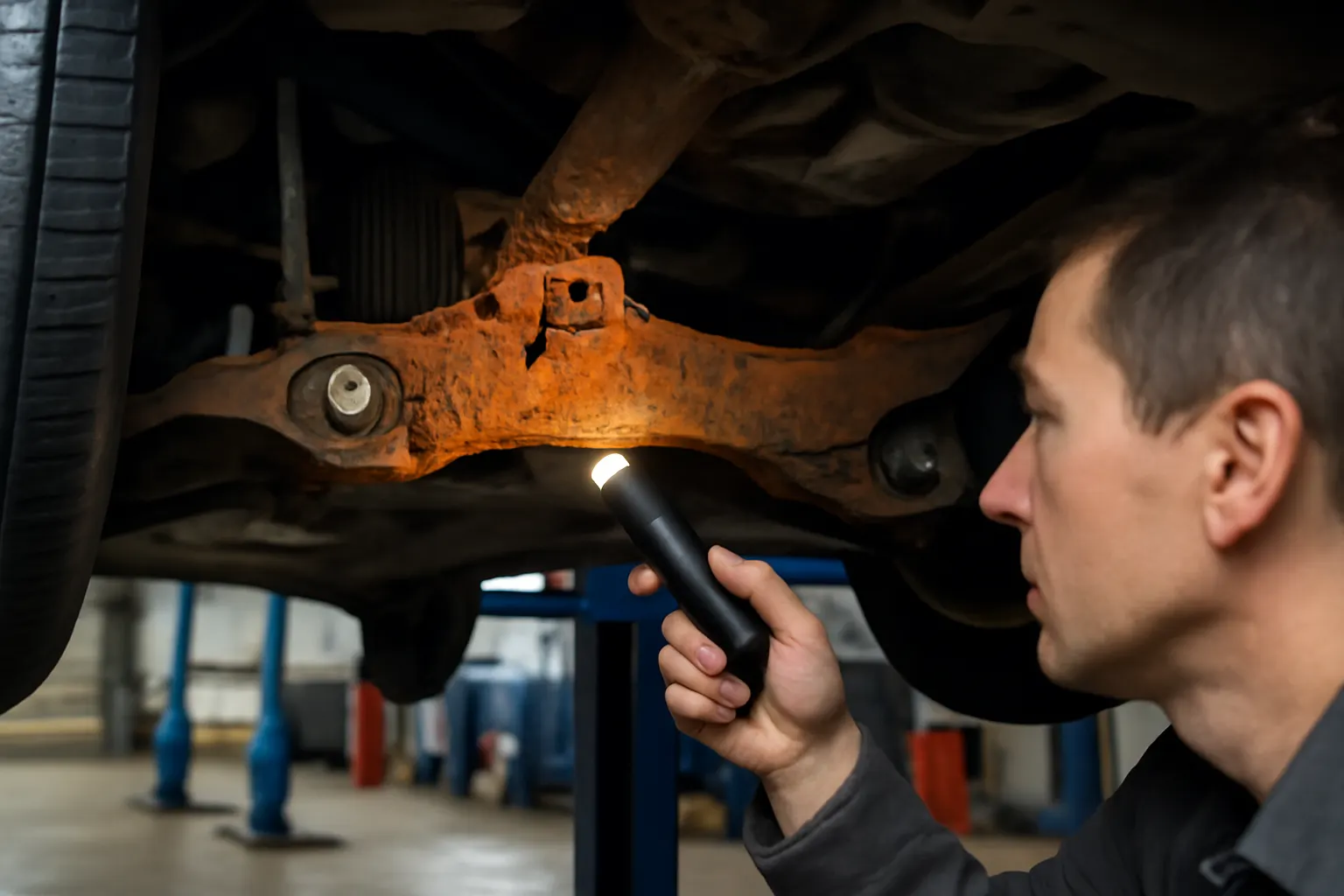
Rust Belt Realities: Protecting Your Engine Cradle from Corrosion
If you live in an area where winter roads are routinely salted, your engine cradle is at elevated risk for corrosion. The most effective strategies for protection are: Regular undercarriage washing—especially after snow or ice events. Annual inspections for early signs of rust, cracks, or flaking. Application of rust inhibitors or coatings designed for automotive subframes. Prompt treatment of any surface rust before it can penetrate deeper. Replacement of compromised cradles with quality, corrosion-resistant parts.
Read More