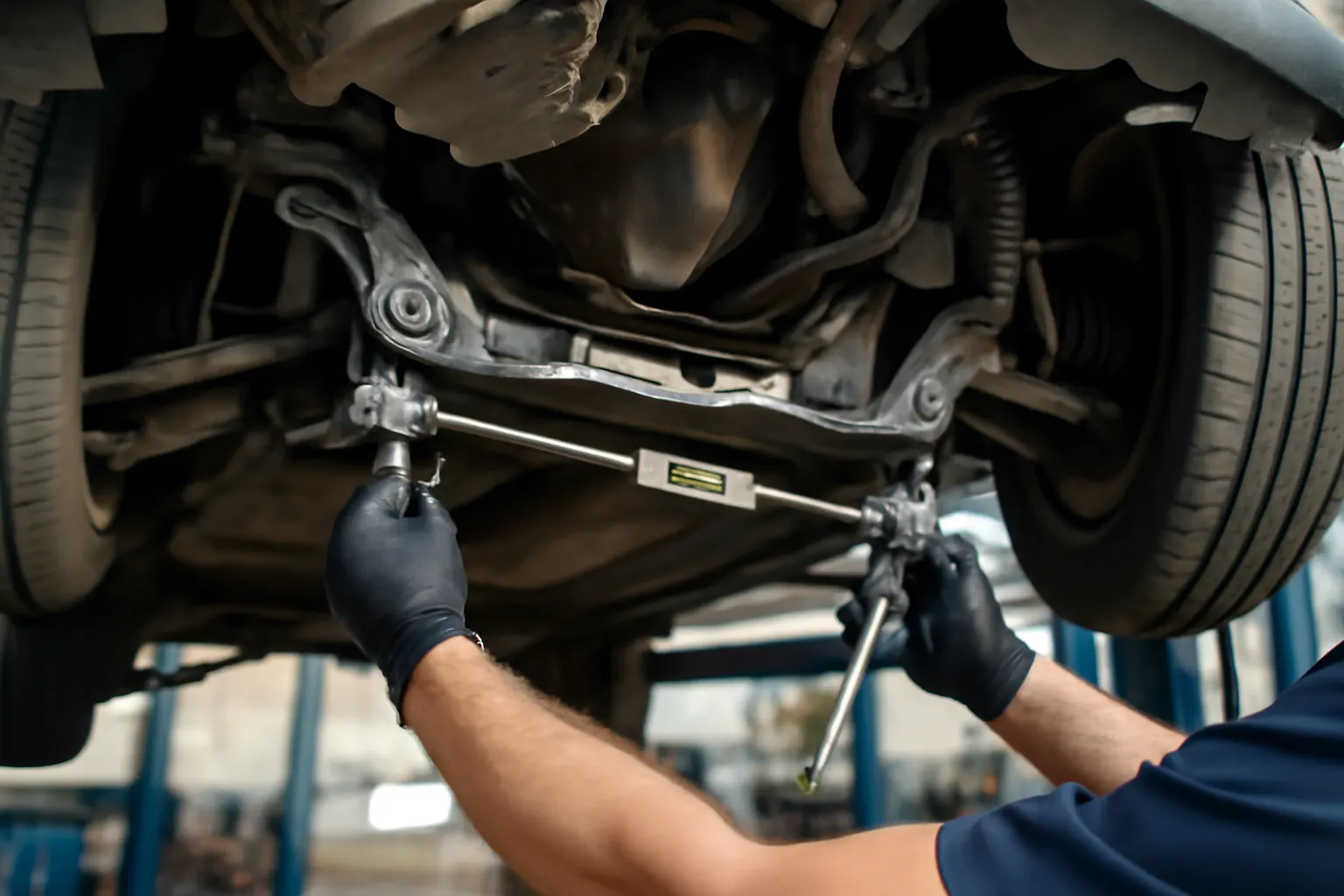
Rust Belt Realities: Protecting Your Engine Cradle from Corrosion
The engine cradle is the unsung hero of your vehicle’s powertrain—a structural backbone that supports not just the engine, but the entire front subframe and, by extension, your vehicle's safety and performance. For drivers in the Rust Belt and other salt-prone regions, corrosion is an ever-present threat to this critical component. Immediate action is essential: understanding, identifying, and preventing engine cradle rust can save you thousands in repairs and safeguard your vehicle’s integrity. This comprehensive guide details everything you need to know to keep your engine cradle in top condition, with practical steps and expert insight tailored to harsh climates. For a broader look at this essential component, see our Engine Cradle: The Structural Backbone of Modern Powertrains category overview.
The Immediate Answer: How to Protect Your Engine Cradle from Rust
If you live in an area where winter roads are routinely salted, your engine cradle is at elevated risk for corrosion. The most effective strategies for protection are:
- Regular undercarriage washing—especially after snow or ice events.
- Annual inspections for early signs of rust, cracks, or flaking.
- Application of rust inhibitors or coatings designed for automotive subframes.
- Prompt treatment of any surface rust before it can penetrate deeper.
- Replacement of compromised cradles with quality, corrosion-resistant parts.
These steps, when followed diligently, significantly extend the life of your engine cradle and help maintain vehicle safety and performance.
The Hidden Problem: Why Engine Cradles Fail in the Rust Belt
Many vehicle owners underestimate the severity of corrosion beneath their cars. Unlike surface panels, the engine cradle is less visible and more exposed to continuous moisture, salt, and debris. This hidden environment allows rust to develop unchecked, sometimes for years, until structural failure or catastrophic engine mount issues arise.
The real threat is not just cosmetic: corroded engine cradles can lead to:
- Engine misalignment or shifting
- Suspension instability
- Compromised crash safety
- Costly repairs or total vehicle loss
These failures often occur with little warning, making proactive inspection and maintenance crucial.
Expanding the Problem: How Salt, Moisture, and Materials Combine
The Science of Corrosion in Engine Cradles
Engine cradles, also known as subframes or crossmembers, are typically constructed from stamped steel or, in some newer models, lightweight alloys. According to the U.S. Department of Energy’s Materials Technologies research, the choice of material directly impacts both weight and corrosion resistance.
Salt, used for de-icing roads, accelerates the electrochemical reaction that causes steel to oxidize. When combined with moisture and road debris trapped against the cradle, this process can rapidly breach protective coatings and initiate deep rusting.
Why the Rust Belt Is the Epicenter
The “Rust Belt”—stretching from the Midwest through the Northeast U.S.—is notorious for its harsh winters and heavy road salt usage. Vehicles in these regions experience:
- Frequent freeze-thaw cycles that open and close micro-cracks in coatings.
- Persistent dampness that keeps metal wet for extended periods.
- High road salt concentrations that linger long after snow melts.
This unique convergence of environmental factors turns the engine cradle into a corrosion hotspot.
Recognizing the Warning Signs: Diagnostic Checklist
Early detection is key to preventing catastrophic engine cradle failure. Use this checklist to assess the condition of your cradle, especially after winter or if you notice changes in handling:
Engine Cradle Corrosion Diagnostic Checklist
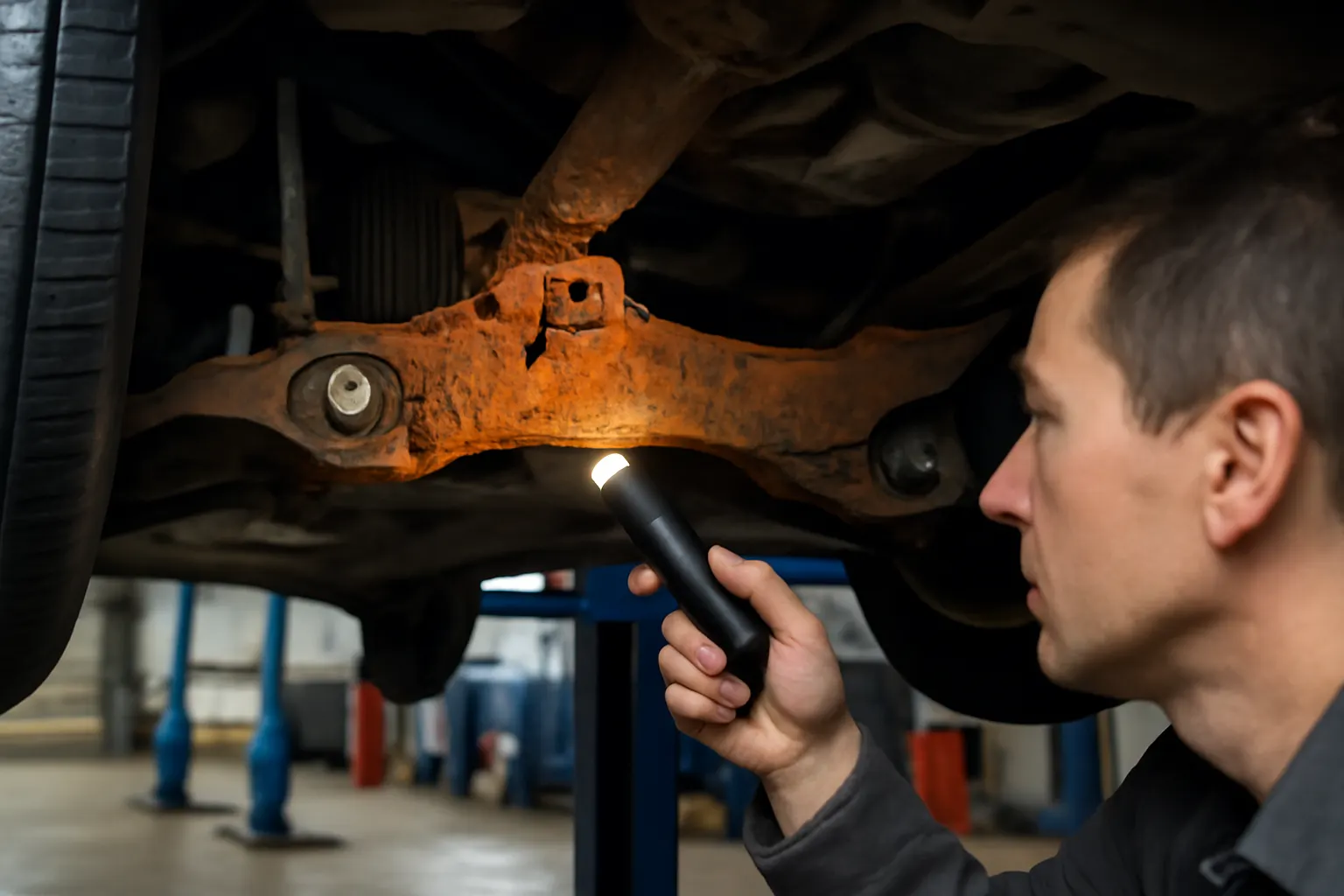
- Visual Inspection: Look for reddish-brown flaking, bubbling paint, or visible holes on the cradle and surrounding subframe.
- Physical Probe: Gently tap questionable areas with a screwdriver—if the metal crumbles or sounds hollow, rust has penetrated.
- Check Engine Mounts: Inspect for sagging or shifting mounts, which may indicate underlying cradle weakness.
- Suspension/Steering Feel: Note any new clunks, creaks, or instability in the front end, especially over bumps.
- Fluid Leaks: Unexplained leaks near the cradle may signal failed protective coatings or rust-through.
- Alignment Issues: Sudden misalignment or uneven tire wear can point to subframe movement due to corrosion.
If you find evidence of advanced rust, consult our Diagnosing Engine Cradle Failures: Step-by-Step Guide for a detailed troubleshooting process.
Technical Deep Dive: How Corrosion Progresses in Modern Engine Cradles
Material Vulnerabilities
Most engine cradles are made from high-strength steel, which balances cost, weight, and structural performance. While modern coatings and galvanization have improved resistance, even the best-protected steel can succumb to prolonged salt exposure. Aluminum and composite cradles, increasingly common in late-model vehicles, offer better corrosion resistance but are not immune to road salt-induced pitting or galvanic corrosion at mounting points.
Protective Coatings and Their Limits
Automakers employ several methods to protect engine cradles:
- E-coating (electrophoretic painting): An electrically charged paint bath that adheres to all surfaces, providing uniform coverage.
- Powder coating: A tough, baked-on finish used for additional durability.
- Galvanization: A zinc-rich coating that sacrifices itself to protect underlying steel.
However, chips from road debris, manufacturing flaws, or aging can breach these protective layers, allowing salt and moisture to attack bare metal.
How Rust Spreads
Once rust starts, it can:
- Undermine mounting points for the engine, transmission, and suspension
- Weaken welds and seams
- Spread to adjacent components (control arms, sway bars, etc.)
Unchecked, this process can lead to catastrophic failure, especially during a collision or heavy braking.
Preventive Maintenance: Strategies for Rust Belt Owners
Routine maintenance is your first and best defense against engine cradle corrosion. Here’s how to build a robust corrosion prevention program:
1. Regular Undercarriage Washing
- Frequency: After every snowstorm, ice event, or road salting.
- Method: Use a high-pressure washer or visit a car wash with underbody spray. Pay special attention to the cradle, crossmembers, and mounting points.
- Tip: Avoid washing when temperatures are below freezing, as trapped water can freeze and expand in cracks.
2. Annual Inspections
- When: At the end of winter and before each new season.
- How: Use a flashlight and inspection mirror to check all sides of the cradle, especially hidden corners and welds.
- What to Look For: Surface rust, peeling coatings, or signs of moisture retention.
3. Application of Rust Inhibitors
- Products: Use automotive-grade rustproofing sprays, such as oil-based inhibitors or wax coatings.
- Application: After cleaning and drying, apply directly to vulnerable areas using a spray can or brush.
- Frequency: Annually, or more often in severe climates.
4. Prompt Repair of Minor Damage
- Surface Rust: Sand down rust spots, treat with rust converter, and reapply coating.
- Chipped Coatings: Touch up immediately to prevent water ingress.
Advanced Solutions: Professional Treatments and Aftermarket Upgrades
While DIY maintenance is crucial, professional services and aftermarket solutions can offer enhanced protection:
Professional Rustproofing
- Process: Shops may offer undercoating, electronic rust inhibitors, or specialized sealants.
- Benefits: Uniform application and access to hard-to-reach areas.
- Drawbacks: Cost and the need for annual reapplication.
Aftermarket Engine Cradles
- Materials: Consider replacing severely corroded cradles with upgraded, corrosion-resistant parts (e.g., powder-coated steel, aluminum, or composites).
- Fitment: Always check compatibility with your make and model—see our Engine Cradle Replacement: Tools, Tips, and Best Practices for guidance.
Upgraded Fasteners and Mounts
- Stainless steel hardware resists rust at attachment points, which are often the first to degrade.
The Safety Imperative: Why Engine Cradle Integrity Matters
Your engine cradle is not just a mounting bracket—it’s a structural component that absorbs and distributes crash forces. According to the National Highway Traffic Safety Administration (NHTSA), subframe integrity is critical for:
- Crashworthiness: Protects occupants by maintaining vehicle structure during impacts.
- Suspension Geometry: Ensures predictable handling and braking.
- Engine and Drivetrain Security: Prevents catastrophic movement during collisions.
Corroded cradles can fail these functions, putting lives at risk. In severe cases, manufacturers have issued recalls for cradle rust—see the NHTSA Recalls Database for known affected models.
Recognizing When Replacement Is Necessary
No amount of surface treatment can save a cradle that has suffered deep, structural rust. Warning signs that replacement is needed include:
- Holes or flaking metal you can push through with a screwdriver
- Severe misalignment of engine or suspension
- Failed safety inspection due to subframe corrosion
- Noticeable sagging or instability in the front end
If you encounter these symptoms, immediate replacement is essential for safety and vehicle longevity.
Sourcing Quality Replacement Engine Cradles
When replacement is necessary, sourcing a high-quality, corrosion-resistant engine cradle is paramount. Here’s what to consider:
Material and Coating
- Look for: E-coated or powder-coated steel, galvanized finishes, or aluminum construction.
- Avoid: Bare steel or parts with visible damage to protective coatings.
Fitment and Compatibility
- Check: Manufacturer, model, year, and engine type.
- Consult: OE part numbers and cross-reference with reputable suppliers.
- Internal Resource: For model-specific guidance, visit our Engine Cradle: The Structural Backbone of Modern Powertrains category page.
Supplier Reputation
- Choose: Reputable aftermarket or OE suppliers with strong customer reviews.
- Beware: Salvage yards in the Rust Belt, as donor cradles may already be compromised.
Installation Tips: Ensuring a Safe and Effective Engine Cradle Swap
Replacing the engine cradle is a complex job that often requires engine and suspension support. Key installation tips include:
- Support the engine and transmission with a hoist or jack before removing the old cradle.
- Mark all mounting points to ensure precise alignment of the new cradle.
- Torque all fasteners to manufacturer specifications—refer to service manuals or SAE Standards.
- Inspect adjacent components (control arms, bushings, mounts) for rust or wear—replace as needed.
- Reapply rust inhibitors to all exposed metal and fasteners during reassembly.
For detailed procedures, see our Engine Cradle Replacement: Tools, Tips, and Best Practices.
Post-Installation: Maintaining Your New Engine Cradle
After installation, ongoing maintenance is essential to maximize the lifespan of your new engine cradle:
- Repeat annual inspections and rustproofing treatments.
- Keep drainage holes clear to prevent water accumulation.
- Monitor for unusual noises or handling changes—early signs of mounting or alignment issues.
By treating your new cradle proactively, you avoid repeating the cycle of premature corrosion.
Beyond the Cradle: Related Systems and Preventive Care
Corrosion doesn’t respect boundaries—if your engine cradle is affected, adjacent systems may also be at risk. Areas to monitor include:
- Air Box/Air Cleaner: Rust or debris in the cradle area can clog or contaminate air intake components. See our Air Box/Air Cleaner guide for maintenance tips.
- AC Compressor Bracket and Mounts: These metal brackets are often bolted to or near the cradle and can suffer similar corrosion.
- Suspension and Steering Subframes: If the cradle is rusted, inspect these parts as well.
A holistic approach to undercarriage care pays dividends in reliability and safety.
AutoPartEx: Your Partner in Engine Cradle Protection
At AutoPartEx, we understand the unique challenges faced by Rust Belt drivers. Our curated selection of engine cradles, rustproofing products, and expert guides ensures you have access to the best solutions for your vehicle and climate. With detailed fitment data, technical support, and a commitment to quality, we help you protect your investment and drive with confidence year-round.
Whether you’re seeking replacement parts, diagnostic guidance, or preventive maintenance strategies, AutoPartEx is your go-to resource for all things engine cradle—and beyond.
Taking Action: Expert Recommendations
- Inspect your engine cradle at least once per year, ideally after winter.
- Act immediately on any signs of rust—early intervention is always cheaper and safer.
- Invest in professional rustproofing if you live in a high-salt region.
- Replace compromised cradles promptly—don’t gamble with safety.
- Consult AutoPartEx for model-specific advice, quality parts, and the latest technical updates.
For more about why proper engine cradle alignment matters for suspension and steering, see our Why Engine Cradle Alignment Matters for Suspension and Steering editorial.