
Engine Computer
Understanding and Selecting the Right Engine Computer (ECU)
Engine computers, also known as ECUs, quietly govern your vehicle’s performance, yet their role is often overlooked until a problem arises. Understanding how to approach ECU issues—whether diagnosing a fault or choosing a replacement—can save time, money, and frustration. This guide explores key considerations, practical steps, and evidence-based advice to help you make informed decisions about your vehicle’s engine computer.
Showing 57–64 of 1286 products


More Engine Computer options
Filtering for Engine ComputerBrowse nearby inventory for this category without leaving the page. Use search to filter by price, part number, or city.
No Data Available
Please check back soon when more inventory is available for this part.
Understanding and Selecting the Right Engine Computer (ECU)
Why Engine Computers Deserve Your Attention
Most drivers rarely think about their vehicle’s engine computer, or ECU, until something goes wrong. Yet this component is central to how modern engines function, controlling everything from fuel injection to emissions. When the ECU malfunctions, the symptoms can mimic other problems, leading to confusion and unnecessary repairs. Recognizing the importance of the ECU is the first step toward smarter vehicle maintenance and repair decisions.
Many owners assume that any engine trouble must stem from mechanical issues like spark plugs or sensors, overlooking the possibility of an ECU fault. This can result in repeated part replacements without solving the underlying problem. By considering the ECU early in your diagnostic process, you may avoid wasted time and expense. Understanding how the ECU interacts with other systems is crucial for efficient troubleshooting.
Another overlooked aspect is the diversity of replacement options for ECUs. Not all engine computers are created equal—differences in programming, compatibility, and condition can significantly affect your vehicle’s performance and reliability. Knowing what to look for in a replacement ECU, and how to verify its suitability, is essential for a successful repair. This guide will help you navigate these considerations with confidence.

Common Challenges with Engine Computers
Engine computers are sophisticated devices, but their failures are not always obvious. Symptoms of a faulty ECU can include intermittent stalling, poor fuel economy, hard starting, or even a complete no-start condition. These issues often overlap with other component failures, making it difficult to pinpoint the ECU as the source without a systematic approach. Misdiagnosis can lead to unnecessary part replacements and persistent vehicle problems.
The complexity of modern vehicles means that an ECU fault may trigger a range of warning lights or diagnostic trouble codes. However, these codes do not always indicate a direct ECU failure. Instead, they may reflect issues with sensors, wiring, or other modules communicating with the ECU. This interconnectedness can make troubleshooting challenging, especially for owners or technicians unfamiliar with the specific vehicle make and model.
Another challenge lies in the variety of ECUs available on the market. New, remanufactured, and salvage units each come with their own risks and benefits. Salvage ECUs, for example, may be more affordable but could lack the latest software updates or have hidden damage. Remanufactured units are often tested and restored, but quality can vary between suppliers. Understanding these differences is key to making an informed purchase.
Compatibility is a significant concern when replacing an engine computer. Even within the same vehicle model and year, ECUs may differ based on engine type, transmission, or regional emissions standards. Installing an incorrect ECU can lead to drivability issues, failed emissions tests, or even damage to the vehicle’s electrical system. Verifying compatibility before purchase is essential to avoid these pitfalls.
Programming and adaptation are often required when installing a replacement ECU. Many modern vehicles require the ECU to be programmed to match the vehicle’s immobilizer system, keys, and other modules. Failure to perform this step correctly can result in a non-start condition or limited functionality. Not all repair shops have the necessary tools or expertise, so it’s important to plan for this step when replacing an ECU.
Finally, the lack of clear warranty or return policies for used or remanufactured ECUs can leave buyers at risk. Unlike new parts, which may come with manufacturer warranties, salvage or rebuilt ECUs often have limited or no coverage. Understanding the terms of sale and getting all promises in writing can protect you from unexpected costs if the replacement ECU fails to resolve your issue.
Practical Steps for Diagnosing and Replacing an ECU
Begin by documenting all symptoms and any warning lights displayed on your vehicle’s dashboard. Use a diagnostic scan tool to retrieve any stored trouble codes. This information can help differentiate between sensor, wiring, or ECU-related faults. If possible, consult a technician experienced with your vehicle’s make and model, as recommended by the FTC, to interpret the results and avoid common misdiagnoses FTC: Auto Repair Basics.
Before replacing the ECU, inspect related components such as sensors, wiring harnesses, and grounds. Many apparent ECU failures are actually caused by issues elsewhere in the system. A thorough visual inspection and continuity testing can reveal damaged wires or corroded connectors that might otherwise be overlooked. Only proceed to ECU replacement after ruling out these more common faults.
If ECU replacement is necessary, gather your vehicle’s VIN, engine type, transmission, and any relevant option codes. Use this information to verify compatibility with potential replacement units. Consult manufacturer parts catalogs or reputable sellers who can cross-reference your details. Never assume a unit will fit based solely on model year or appearance—subtle differences can have significant consequences.
Consider your options: new, remanufactured, or salvage ECUs. New units offer the greatest assurance of reliability and support, but may be costly. Remanufactured ECUs are typically tested and restored to function, providing a balance between cost and reliability. Salvage units are the most affordable, but carry the highest risk of unknown history or outdated software. Ask sellers for details about testing, updates, and return policies before purchasing.
Programming and adaptation are critical steps in the installation process. Many ECUs must be programmed to match your vehicle’s immobilizer, keys, and other modules. Some sellers offer pre-programmed units, while others require you to visit a dealership or qualified shop for this service. Confirm what is included with your purchase and budget for any additional programming fees. For more details, see Programming and Adapting Replacement ECUs.
Request a written repair estimate before authorizing any work, as advised by the FTC. This should include the condition to be repaired, parts needed, and anticipated labor charges. If the repair is complex or expensive, consider getting a second opinion. After the repair, obtain a completed repair order listing all work performed, parts used, costs, and odometer readings. This documentation is valuable for warranty claims and future reference.
Test drive the vehicle after installation to verify that all symptoms have been resolved and no new warning lights appear. Use a scan tool to confirm that all systems are communicating properly and that no new trouble codes are present. If issues persist, recheck installation steps and consult with a specialist if needed. Keep all documentation and receipts in case further support or warranty service is required.
Finally, register your vehicle and check for any open recalls related to the ECU or other components. The NHTSA provides a free VIN lookup tool to help you identify outstanding recalls that may affect your vehicle’s safety or performance NHTSA: Vehicle Recalls. Addressing recalls promptly can prevent future problems and may entitle you to free repairs or replacements from the manufacturer.
What the Evidence Shows About ECU Replacement and Repair
The Federal Trade Commission (FTC) provides general guidance for all auto repairs, emphasizing the importance of obtaining written estimates and understanding the difference between new, remanufactured, and salvage parts. According to the FTC, salvage parts are removed from other vehicles without alteration, while remanufactured or rebuilt parts have been restored and tested. This distinction is crucial when selecting an ECU, as the condition and history of the part can affect reliability and support. The FTC also advises consumers to get all promises in writing, as there is no standard warranty on repairs or replacement parts FTC: Auto Repair Basics.
The FTC guidance further notes that for complicated repairs—like ECU replacement—it is wise to seek a second opinion and to ask whether the technician has experience with your specific make and model. This is particularly relevant for ECUs, as programming and compatibility can vary widely between vehicles. The FTC’s recommendation to compare shop suggestions with the manufacturer’s maintenance schedule can help you avoid unnecessary or premature replacements. However, the FTC does not provide technical specifications or guarantee that a particular ECU will resolve your issue.
The National Highway Traffic Safety Administration (NHTSA) offers a recall lookup tool that allows consumers to check for open recalls by VIN or license plate. This tool is valuable for identifying whether your vehicle’s ECU, or related components, are subject to manufacturer recalls. However, the NHTSA explicitly states that a recall lookup does not prove a defect in any particular vehicle, nor does it confirm compatibility of a replacement part. It is a resource for general safety information and recall status, not a diagnostic or fitment guarantee NHTSA: Vehicle Recalls.
NHTSA also explains the recall process: complaints from owners can lead to investigations, and if a safety defect is found, a recall is issued. Manufacturers are then required to notify owners and provide a remedy, which may include ECU repair or replacement. However, not all ECU issues are subject to recalls, and many failures may fall outside the scope of manufacturer responsibility. Checking for recalls is a prudent step, but it should be combined with thorough diagnostics and compatibility checks.
Neither the FTC nor NHTSA provides specific technical data on ECU failure rates, repair outcomes, or cost comparisons between new, remanufactured, and salvage units. Instead, they offer frameworks for making informed decisions: get written estimates, verify compatibility, understand warranty terms, and check for recalls. Buyers should use these steps to gather evidence and compare options, rather than relying on unsupported claims or assumptions about part quality or fitment.
When evaluating replacement ECUs, it is important to ask sellers for documentation of testing, programming status, and return policies. The FTC highlights the lack of standard warranties on repairs and replacement parts, so consumers should insist on clear, written terms before purchasing. Salvage ECUs may be more affordable but carry higher risks; remanufactured units offer a balance of cost and reliability if sourced from reputable suppliers. Always verify that the part matches your vehicle’s specifications before installation.
In summary, the evidence supports a cautious, methodical approach to ECU replacement. Use diagnostic tools to confirm the need for replacement, verify compatibility using your vehicle’s VIN and option codes, and insist on clear documentation from sellers and repair shops. Check for recalls to identify any manufacturer-supported remedies. By following these steps and relying on published guidance, you can reduce the risk of misdiagnosis, unnecessary expense, and future problems.
Take the Next Step Toward Reliable ECU Replacement
If you suspect an ECU issue or are considering a replacement, start by gathering your vehicle’s information and documenting all symptoms. Consult a qualified technician and use reputable resources to verify compatibility and recall status. Insist on written estimates and clear warranty terms before authorizing any work. For more in-depth guidance, explore our articles on Engine Computer, How to Diagnose ECU and Sensor Failures, and Programming and Adapting Replacement ECUs. Taking these steps will help ensure a smooth, reliable repair and restore your vehicle’s performance with confidence.
References
- NHTSA: Vehicle Recalls
- FTC: Auto Repair Basics
References
- NHTSA: Vehicle Recalls - NHTSA, accessed 2026-11-01
- FTC: Auto Repair Basics - FTC, accessed 2026-11-01
Related Guides & Articles

How to Diagnose ECU and Sensor Failures
When your check engine light (CEL) illuminates, or you experience erratic engine performance, the root cause often lies with the ECU or its network of sensors. The most effective way to diagnose these issues is to: Use an OBD-II scanner to retrieve diagnostic trouble codes (DTCs). Interpret the codes with a reliable reference or database. Visually inspect and test sensors and wiring for faults. Verify ECU operation by checking power, ground, and communication lines.
View Guide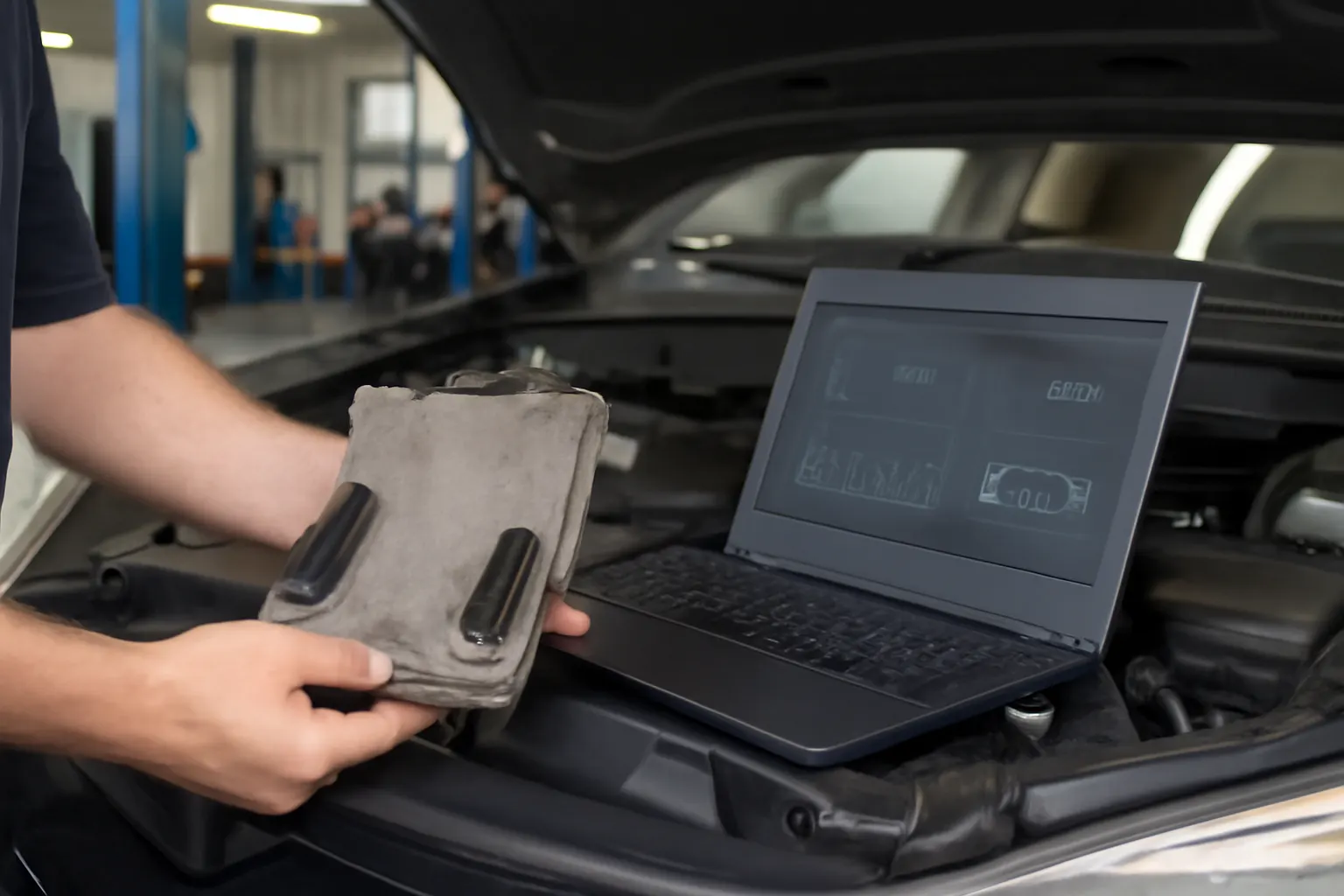
The Evolution of Engine Computers: From Analog to Digital
Modern vehicles rely on sophisticated electronic control units (ECUs) to deliver optimal performance, fuel efficiency, and safety. The journey from rudimentary analog controls to today’s advanced digital engine computers has revolutionized automotive design and diagnostics. Whether you’re a vehicle owner, technician, or enthusiast, understanding the evolution of engine computers is crucial for making informed decisions about diagnostics, replacement, and upgrades. For those seeking in-depth technical guidance, the Engine Computer (ECU/ECM) Technical Guide: Diagnostics, Replacement, and Performance Insights offers comprehensive resources.
Read More
Programming and Adapting Replacement ECUs
Replacing an engine control unit (ECU) or engine control module (ECM) is not as simple as swapping out a failed part. Modern vehicles require precise programming and adaptation of the replacement ECU to ensure proper engine operation, compatibility with security systems, and compliance with safety standards. This guide delivers a step-by-step technical overview of programming and adapting replacement ECUs across various makes and models—empowering automotive professionals and advanced enthusiasts to avoid common pitfalls and restore full vehicle functionality.
View Guide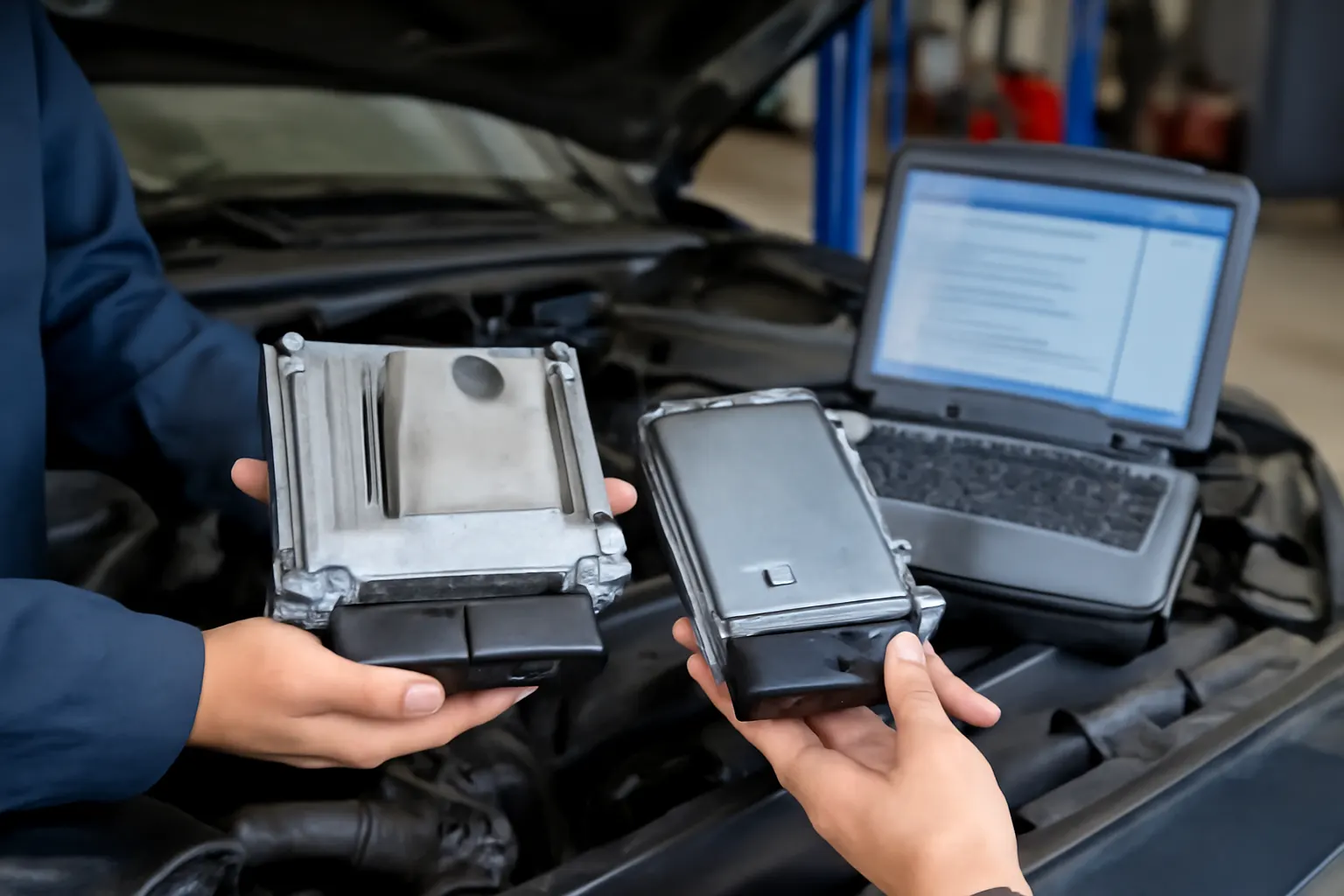
OEM vs. Aftermarket ECUs: What You Need to Know
When it comes to replacing or upgrading your vehicle’s engine computer (ECU/ECM), one of the most crucial decisions you’ll face is whether to choose an Original Equipment Manufacturer (OEM) unit or an aftermarket alternative. The right choice can mean the difference between seamless performance and ongoing headaches. This guide provides a clear, practical comparison of OEM and aftermarket ECUs, focusing on quality, compatibility, diagnostics, and performance, so you can make an informed decision for your vehicle.
Read More