The Evolution of Engine Computers: From Analog to Digital
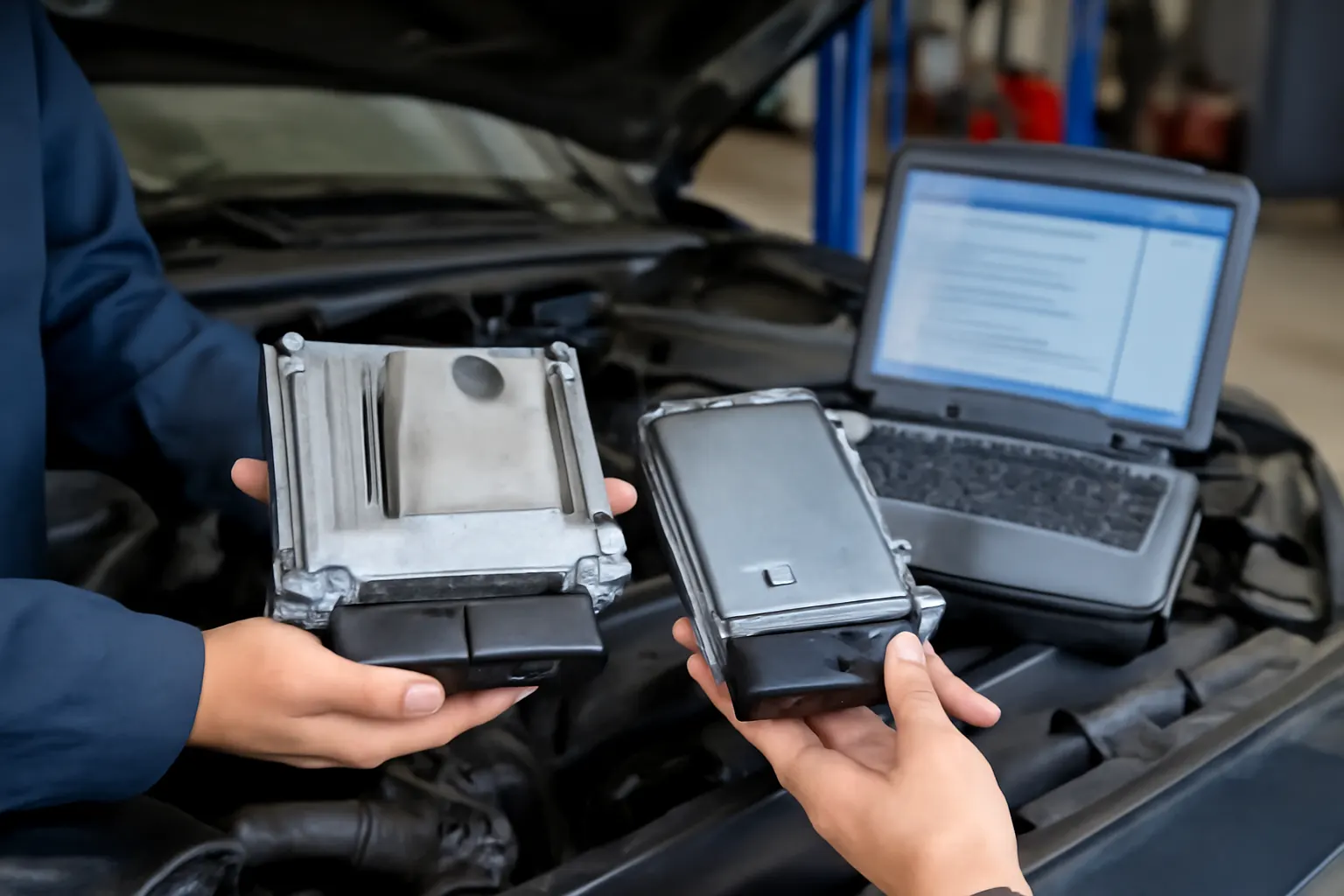
Modern vehicles rely on sophisticated electronic control units (ECUs) to deliver optimal performance, fuel efficiency, and safety. The journey from rudimentary analog controls to today’s advanced digital engine computers has revolutionized automotive design and diagnostics. Whether you’re a vehicle owner, technician, or enthusiast, understanding the evolution of engine computers is crucial for making informed decisions about diagnostics, replacement, and upgrades. For those seeking in-depth technical guidance, the Engine Computer (ECU/ECM) Technical Guide: Diagnostics, Replacement, and Performance Insights offers comprehensive resources.
The Immediate Answer: How Engine Computers Have Transformed Vehicles
Engine computers have moved from simple analog devices managing basic engine timing to complex digital systems controlling every aspect of powertrain operation. This evolution has enabled:
- Real-time fuel and ignition management for improved fuel economy
- Enhanced diagnostics and fault detection
- Advanced safety features such as traction and stability control
- Integration with emissions control technologies
- Customizable performance tuning
These advancements are not just technical milestones—they are foundational to the reliability, efficiency, and compliance of every modern vehicle.
The Hidden Problem: Why Understanding ECU Evolution Matters
Most drivers and even some technicians underestimate how much modern vehicles depend on digital engine computers. As a result, issues like misdiagnosed faults, improper part replacements, and suboptimal upgrades are common. The complexity of today’s ECUs means that even minor mistakes during diagnostics, programming, or installation can lead to expensive repairs, reduced performance, and safety risks.
From Relays to Microprocessors: The Expansion of Engine Computer Complexity
To appreciate the challenges and opportunities posed by modern ECUs, it’s vital to understand how we got here. The evolution from analog to digital engine computers did not happen overnight. Each technological leap addressed specific problems but introduced new complexities:
- Analog controls were simple but limited in precision and adaptability.
- Early digital ECUs improved control but required specialized diagnostics.
- The integration of onboard diagnostics (OBD) transformed maintenance but demanded new skills and tools.
- Modern networked ECUs communicate with dozens of sensors and modules, making troubleshooting both more powerful and more intricate.
This expansion affects not just repair strategies but also parts sourcing, replacement procedures, and compliance with safety and efficiency standards.
A Timeline of Engine Computer Evolution
1. The Analog Era: Mechanical and Electrical Beginnings (1950s–1970s)
The first "engine computers" were not computers at all. Early vehicles relied on mechanical linkages, vacuum-operated advance systems, and basic electrical relays to control ignition and fuel delivery. These systems:
- Offered limited adaptability to changing conditions
- Required frequent manual adjustments
- Were prone to wear and drift over time
While robust in their simplicity, these analog systems could not meet the demands of emerging emissions and fuel efficiency standards.
2. The Dawn of Digital: Electronically Controlled Carburetors and Early ECUs (Late 1970s–1980s)
As emissions regulations tightened, automakers began integrating basic electronic control units. The earliest ECUs:
- Used analog circuitry with digital logic components
- Controlled functions like idle speed and mixture adjustment
- Relied on basic sensor inputs (oxygen, temperature, throttle position)
These early digital systems marked the first step toward computer-managed engines, but diagnostics were limited and often proprietary.
3. OBD-I and OBD-II: The Rise of Standardized Diagnostics (1990s–2000s)
The introduction of On-Board Diagnostics (OBD) standards was a game changer. OBD-I provided basic fault detection, while OBD-II (mandated in the US from 1996 onward) standardized diagnostic connectors and codes. Key impacts included:
- Easier troubleshooting for technicians using scan tools
- Enhanced emissions monitoring and compliance
- The ability to pinpoint sensor and actuator faults
This era saw the proliferation of microprocessor-based ECUs, often managing multiple engine and transmission functions.
4. The Networked Vehicle: CAN Bus and Multiplexed ECUs (2000s–Present)
Modern vehicles use Controller Area Network (CAN) bus and similar communication protocols to link dozens of ECUs. Today’s engine computers:
- Process vast amounts of real-time data from sensors and other modules
- Enable advanced features like variable valve timing, direct injection, and adaptive cruise control
- Allow for software updates and reprogramming
This interconnectedness brings new capabilities but also new diagnostic challenges and security concerns.
Technical Deep Dive: What Makes Digital ECUs Superior?
Precision and Adaptability
Digital ECUs use microprocessors and complex algorithms to calculate optimal fuel and ignition timing for every engine cycle. This precision means:
- Better fuel efficiency, as noted by the U.S. Department of Energy
- Lower emissions through accurate air-fuel ratio control
- Improved power and drivability under varying conditions
Advanced Diagnostics
Modern ECUs monitor dozens of operating parameters, continuously checking for faults. They can:
- Store diagnostic trouble codes (DTCs) for later retrieval
- Trigger warning lights before a minor issue becomes a major failure
- Interface with professional scan tools for in-depth troubleshooting
Integration with Safety and Emissions Systems
Engine computers now play a critical role in:
- Traction and stability control
- Adaptive cruise and collision avoidance systems
- Managing emissions hardware like EGR valves and catalytic converters
These integrations are essential for compliance with NHTSA safety and equipment standards.
Common Pitfalls: What Can Go Wrong with Modern ECUs?
While digital ECUs offer many advantages, their complexity introduces several common issues:
- Misdiagnosis: Fault codes may point to a symptom, not the root cause. For example, a lean condition code could be caused by a faulty sensor, vacuum leak, or software glitch.
- Improper Replacement: Installing the wrong ECU or failing to program it correctly can disable a vehicle or trigger new faults.
- Sensor and Actuator Failures: Modern ECUs depend on accurate signals from dozens of sensors. A single bad input can cause cascading issues.
- Software Corruption: Power surges, improper jump-starting, or failed updates can corrupt ECU firmware.
Technicians and DIYers must use proper diagnostic protocols and tools to avoid these pitfalls. For more on this, refer to How to Diagnose ECU and Sensor Failures.
Diagnosing ECU Issues: A Practical Checklist
Proper diagnosis is essential before replacing or reprogramming an ECU. Use this checklist to guide your troubleshooting:
| Step | Action | Details |
|---|---|---|
| 1 | Scan for Codes | Use an OBD-II scanner to retrieve all stored and pending trouble codes. |
| 2 | Check Power and Grounds | Verify all ECU power supply and ground connections using a multimeter. |
| 3 | Inspect Connectors | Look for loose, corroded, or damaged ECU connectors and pins. |
| 4 | Test Sensors and Actuators | Confirm sensor outputs and actuator responses match specifications. |
| 5 | Check for Software Updates | Consult service information for relevant ECU firmware updates or recalls. |
| 6 | Rule Out External Causes | Eliminate wiring faults, blown fuses, or unrelated module failures. |
| 7 | Confirm with Known Good ECU | If possible, swap in a known good ECU to validate diagnosis before replacement. |
Following this structured approach minimizes unnecessary replacements and ensures accurate repairs.
Sourcing and Replacing Engine Computers: What to Look For
When replacement is required, selecting the correct ECU is critical. Consider the following:
- Compatibility: Verify part numbers, software versions, and vehicle fitment. Even minor differences can cause major issues.
- OEM vs. Aftermarket: OEM units offer guaranteed compatibility but may be more expensive. Quality aftermarket ECUs can be a cost-effective alternative—see our guide OEM vs. Aftermarket ECUs: What You Need to Know.
- Programming Requirements: Many modern ECUs require programming or adaptation using manufacturer-specific tools. Failure to do so can result in immobilizer lockout or operational faults.
- Supplier Reputation: Purchase from reputable sources that offer technical support and warranty coverage.
For a wide selection of quality ECUs and technical support, AutoPartEx is a trusted partner for both professionals and DIYers.
Programming and Adapting Replacement ECUs
Replacing an ECU is rarely a simple plug-and-play affair. Most modern units require:
- VIN matching to the vehicle
- Immobilizer and key programming
- Software and parameter updates
Specialized scan tools or dealer equipment are often necessary. For step-by-step guidance, visit Programming and Adapting Replacement ECUs.
Maintenance and Longevity of Digital ECUs
ECUs are designed for long service life, but certain practices can maximize reliability:
- Protect from Voltage Spikes: Use proper jump-start procedures and avoid disconnecting the battery with the ignition on.
- Keep Connectors Clean: Moisture and corrosion are leading causes of ECU failure.
- Check for Recalls: Stay informed about manufacturer recalls that may affect ECU software or hardware. The NHTSA recalls database is a valuable resource.
- Monitor for Software Updates: Periodic software updates can address bugs, improve performance, and enhance safety.
Preventive maintenance of the ECU and its supporting systems is as important as traditional mechanical upkeep.
The Impact of ECU Evolution on Fuel Efficiency and Performance
The transition from analog to digital engine computers has delivered measurable gains in fuel efficiency and vehicle performance. According to the U.S. Department of Energy:
- Advanced ECUs enable precise fuel metering and ignition timing, extracting maximum energy from every drop of fuel.
- Adaptive strategies adjust for engine wear, fuel quality, and environmental conditions.
- Integration with lightweight materials and advanced powertrains further improves efficiency and emissions compliance.
These advancements contribute to both consumer savings and environmental sustainability.
Safety, Standards, and Regulatory Compliance
Engine computers are central to vehicle safety and regulatory compliance. Their evolution aligns with stringent standards enforced by agencies such as the National Highway Traffic Safety Administration and engineering bodies like SAE International.
- Safety Integration: ECUs communicate with ABS, airbags, and stability control systems to prevent accidents.
- Emissions Compliance: Automated monitoring and control ensure vehicles meet federal and state emissions requirements.
- Standardization: Protocols like OBD-II and CAN bus facilitate universal diagnostics and interoperability.
Staying current with standards and recalls is essential for safe, legal, and reliable vehicle operation.
Retrofitting and Performance Upgrades: Opportunities and Challenges
Enthusiasts and performance tuners often seek to upgrade or retrofit ECUs to unlock additional power or support engine swaps. Key considerations include:
- Custom Tuning: Aftermarket ECUs allow for precise adjustment of fuel, ignition, and boost parameters but require expert calibration.
- Sensor Compatibility: Swapping ECUs may necessitate sensor and wiring upgrades.
- Emissions and Safety: Modifications can affect compliance and safety systems—always verify local regulations.
- Support and Documentation: Select ECUs with robust community and technical support.
AutoPartEx provides access to performance ECUs, tuning accessories, and expert advice for a wide range of applications.
Future Trends: The Next Generation of Engine Computers
The evolution of engine computers is ongoing. Emerging trends include:
- Integration with Hybrid and Electric Powertrains: ECUs are central to managing multiple power sources, regenerative braking, and energy storage.
- Over-the-Air Updates: Remote software updates allow for continuous improvement and bug fixes.
- Cybersecurity: As vehicles become more connected, protecting ECUs from hacking is a growing concern.
- Artificial Intelligence: Machine learning algorithms may soon enable predictive diagnostics and adaptive performance tuning.
Staying informed about these trends ensures you’re prepared for the vehicles of tomorrow.
AutoPartEx Positioning: Your Partner in ECU Diagnostics, Replacement, and Upgrades
Navigating the evolution of engine computers requires up-to-date knowledge, quality parts, and reliable support. AutoPartEx stands at the intersection of technical expertise and practical solutions:
- Comprehensive Selection: From OEM replacements to performance ECUs, we stock parts for all major makes and models, including Acura and more.
- Technical Resources: Our guides, such as the Engine Computer (ECU/ECM) Technical Guide: Diagnostics, Replacement, and Performance Insights, empower you to diagnose, select, and install with confidence.
- Expert Support: Our technical team is available to assist with diagnostics, programming, and troubleshooting.
Whether you are maintaining a daily driver or building a high-performance project, AutoPartEx delivers the products and expertise you need.
Conclusion: Mastering the Digital Engine Computer Era
The journey from analog to digital engine computers has reshaped the automotive landscape. Today’s ECUs are more than just controllers—they are the brains of modern vehicles, responsible for efficiency, safety, and performance. Understanding their evolution, capabilities, and requirements is essential for anyone involved in vehicle maintenance, diagnostics, or upgrades.
By following best practices in diagnosis, sourcing, installation, and maintenance, you can ensure your vehicle benefits from the full potential of digital engine control. For trusted parts, technical guidance, and ongoing support, AutoPartEx is your go-to resource in the ever-evolving world of automotive electronics.