
Seat Auto Parts
Genuine SEAT Auto Parts: Expert Fitment, Heritage & Sourcing Guide | AutoPartEx
SEAT, a Spanish automotive manufacturer with deep roots in innovative engineering and European design, has earned a reputation for producing vehicles that blend spirited performance, reliability, and distinctive style. Now part of the Volkswagen Group, SEAT combines its Mediterranean heritage with advanced German engineering, offering a diverse range of models from compact hatchbacks to sporty SUVs. Whether you're maintaining a classic Ibiza or upgrading a modern Ateca, understanding the nuances of SEAT parts is crucial for performance, longevity, and value.
Many SEAT owners are unaware that the brand’s integration with the Volkswagen Group creates unique supply chain complexities. Genuine SEAT parts may appear interchangeable with Volkswagen or Skoda counterparts, but subtle differences in calibration, software, or material specs can lead to fitment issues or premature wear. The rise of counterfeit or non-OEM parts—sometimes indistinguishable to the untrained eye—poses real risks to safety, performance, and long-term reliability. Additionally, platform aging and model discontinuation can create unexpected scarcity and higher prices for critical components.
SEAT vehicles, especially those based on shared VW Group platforms like MQB or A0, demand precise part selection. Engineering tolerances, electronic control module variations, and even region-specific emissions equipment mean that a part matching by appearance or base part number may still be incompatible due to variant-specific coding or mounting hardware. For example, Leon and Ibiza models may share suspension layouts, but bushing compounds or sensor connectors often differ, complicating cross-model part swaps. Without careful VIN-based compatibility checks, owners risk costly returns or suboptimal repairs.
To address these challenges, rigorous OEM fitment research is essential. Start by decoding your SEAT’s VIN to confirm trim, market, and production batch. Use trusted resources to match part numbers and verify updates or supercessions, especially for wear items or electronic modules. Leverage our SEAT parts category for curated fitment data and access our in-depth SEAT maintenance guide, which covers model-specific service intervals, diagnostics, and parts sourcing pitfalls. When in doubt, consult our editorial SEAT parts blog for shop-tested advice and real-world examples.
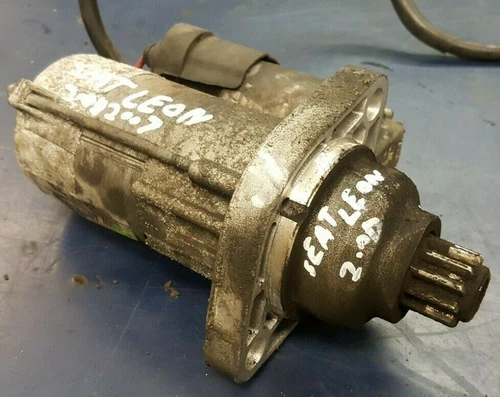
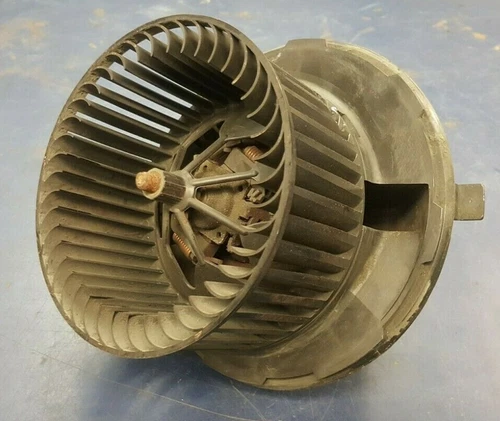
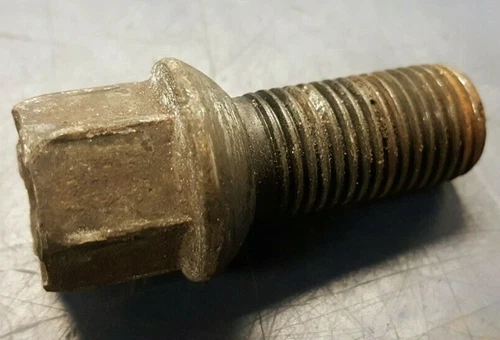
Showing 3 of 3 products
More Seat parts
Filtering for SeatBrowse nearby Seat inventory without leaving this page. Use search to filter by price, part number, or city.
No Data Available
Please check back soon when more inventory is available for this part.
Engineering Excellence & Technical Specifications
SEAT’s engineering philosophy is defined by an emphasis on spirited driving dynamics, efficiency, and safety. The brand is known for integrating lightweight, high-strength materials—such as advanced steels and modern composites—into its chassis and bodywork, supporting both performance and fuel economy. SEAT models often feature proprietary tuning for suspension, steering, and electronic systems, even when sharing core architecture with Volkswagen or Skoda siblings. This bespoke calibration means that many SEAT parts, while visually similar to other VW Group components, are engineered to distinct standards and tolerances, necessitating careful selection during maintenance or upgrades.
Parts availability for SEAT vehicles is generally robust for current model lines, thanks to the global reach of the Volkswagen Group. However, as models age or production ends, sourcing certain components—like control modules, trim pieces, or region-specific emissions gear—can become increasingly difficult. Owners of older Ibizas or discontinued models may face long lead times or higher costs for genuine parts. In these situations, working with suppliers that maintain direct relationships with SEAT’s central parts warehouses is critical to ensure reliability and minimize downtime.
Authenticity and quality control are essential considerations when sourcing SEAT parts, especially given the rise of counterfeit components in the aftermarket. Genuine SEAT parts are produced under strict quality management systems, often undergoing corrosion resistance, fatigue, and material integrity testing according to Volkswagen Group protocols. Indicators of authenticity include holographic security labels, precise part markings, and traceable batch codes. Counterfeit parts may fit initially but often fail prematurely due to inferior materials or substandard manufacturing, jeopardizing vehicle performance and occupant safety.
Effective sourcing strategy for SEAT parts involves more than just matching part numbers. Technicians and enthusiasts should always start by decoding the VIN to confirm build specification, then cross-check part numbers using official SEAT or VW Group databases. For complex systems—such as infotainment modules, adaptive lighting, or emissions equipment—only OE or OEM-certified parts should be considered. Utilizing resources like AutoPartEx allows for side-by-side specification comparison, fitment verification, and access to a community of real-world service reports, ensuring that every part installed meets SEAT’s intended performance and reliability standards.
SEAT Parts & Service Information
VIN-Based Part Lookup
Retrieve your SEAT’s 17-digit VIN and use it to confirm exact part compatibility before ordering. This step avoids costly returns and ensures proper function.
Genuine Oil and Filter Change
Replace engine oil and filter every 10,000 miles or 12 months with SEAT-approved fluids and OEM filters for maximum engine protection and efficiency.
Timing Belt Replacement
Change the timing belt and tensioners at 60,000–75,000 mile intervals to prevent catastrophic engine damage. Use only genuine SEAT kits with updated tensioners.
Electronic Module Programming
When replacing major electronic modules, dealer-level diagnostic tools may be needed for coding and adaptation. Confirm part and software compatibility prior to installation.
References
- Vehicle, Car Seat, Tire, and Equipment Recalls - National Highway Traffic Safety Administration, accessed 2024-06-01Supports parts recall context and safety standards for SEAT and VW Group models.
- Fuel Efficiency - United States Department of Energy, accessed 2024-06-01Provides information on fuel efficiency, lightweight engineering, and platform technology.
- Materials Technologies - United States Department of Energy, accessed 2024-06-01Supports content on lightweight materials, manufacturing quality, and engineering standards.
Related Guides & Articles

SEAT Maintenance and Service Intervals Explained
A detailed guide to SEAT model service intervals, critical wear items, and how to schedule proactive maintenance for reliability. Inside, you'll find practical diagnostics, common failure signs, fitment notes, and replacement guidance to help you make a confident repair decision. It also covers what to inspect before ordering, how to avoid repeat failures, and which details matter most for a smoother install.
View Guide
Identifying Genuine SEAT Parts: A Visual Guide
Learn how to distinguish genuine SEAT parts from high-quality imitations and counterfeits with our expert inspection tips. Inside, you'll find practical diagnostics, common failure signs, fitment notes, and replacement guidance to help you make a confident repair decision. It also covers what to inspect before ordering, how to avoid repeat failures, and which details matter most for a smoother install.
Read More
Volkswagen Group Platform Compatibility: SEAT, Skoda, VW
Explore the intricacies of platform sharing between SEAT, Skoda, and VW, and learn how to source compatible parts across brands. Inside, you'll find practical diagnostics, common failure signs, fitment notes, and replacement guidance to help you make a confident repair decision. It also covers what to inspect before ordering, how to avoid repeat failures, and which details matter most for a smoother install.
View Guide
Common SEAT Fault Codes and Diagnostic Solutions
An expert breakdown of frequently encountered SEAT diagnostic codes, their root causes, and effective repair strategies. Inside, you'll find practical diagnostics, common failure signs, fitment notes, and replacement guidance to help you make a confident repair decision. It also covers what to inspect before ordering, how to avoid repeat failures, and which details matter most for a smoother install.
Read More