
Toyota RAV4 Auto Parts
What to Know Before Buying Toyota RAV4 AC Compressors
Many Toyota RAV4 owners overlook the importance of thoroughly verifying air conditioning compressor compatibility and condition before purchase or replacement. This guide helps you navigate the process, from understanding potential issues to using trusted sources and evidence-based steps for a confident repair or upgrade.
Advertisement
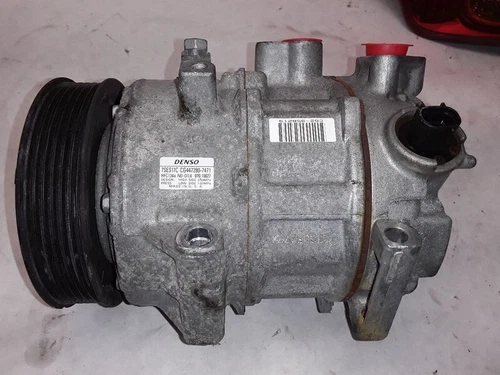
More Toyota RAV4 options
Filtering for Toyota RAV4Browse nearby inventory for this model without leaving the page. Use search to filter by price, part number, or city.
No Data Available
Please check back soon when more inventory is available for this part.
Advertisement
Why AC Compressor Selection Deserves Closer Attention
When it comes to maintaining your Toyota RAV4, the air conditioning system often escapes notice until it fails. Yet, the AC compressor is a complex, high-value component that directly affects comfort and, in some cases, safety. Many owners only start thinking about their compressor when the cabin stops cooling, but there are important considerations before reaching that point. Overlooking these details can lead to unnecessary expenses, wasted time, or even repeat failures. Understanding what to check before buying or replacing an AC compressor can make a significant difference in your experience and satisfaction.
One commonly overlooked aspect is the variety of compressor assemblies available for the RAV4 across different years and engine types. Not all compressors are interchangeable, and subtle differences in mounting points, electrical connectors, or internal design can affect fit and function. Relying solely on a generic part listing or a seller’s assurance may result in purchasing an incompatible unit. This is especially true for models spanning several generations, where updates or mid-cycle changes are common. Taking the time to verify specifics can help avoid costly returns or installation issues.
Another factor often missed is the role of recalls and service bulletins in identifying known AC system issues. While many owners assume that a new or used compressor automatically resolves their problem, underlying design or manufacturing defects may persist if not properly addressed. Checking for outstanding recalls or technical service bulletins relevant to your RAV4’s year and engine is a proactive step that can prevent recurring failures. This guide will walk you through the process of making an informed, evidence-based decision when selecting or replacing your Toyota RAV4’s AC compressor.
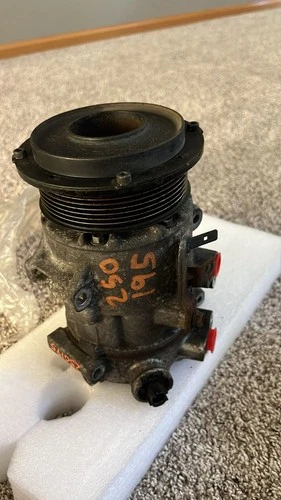
Understanding AC Compressor Issues in the Toyota RAV4
The air conditioning compressor in your Toyota RAV4 is responsible for pressurizing and circulating refrigerant throughout the system. When it fails, symptoms can range from weak or warm air to loud noises or complete system shutdown. However, not all cooling issues stem from the compressor itself. Problems may originate from related components such as the condenser, expansion valve, or even electrical controls. Misdiagnosis is common, leading to unnecessary compressor replacements and wasted resources. It’s crucial to accurately identify the root cause before proceeding with a costly repair or part purchase.
For the Toyota RAV4, especially in model years 2006–2008, there are multiple AC compressor variants depending on engine size and trim. A mismatch between the compressor and the vehicle’s specifications can result in improper fitment, electrical incompatibility, or suboptimal performance. This complexity is compounded by the availability of new, remanufactured, and salvage compressors on the secondary market. Each option has its pros and cons, and selecting the wrong type can affect both reliability and warranty coverage. Owners should be aware of these distinctions when shopping for replacement parts.
Another challenge is the lack of standardized part numbers across aftermarket sellers. Some listings may use OEM numbers, while others rely on internal catalog references or generic descriptions. This inconsistency can make it difficult to verify compatibility, especially when purchasing from online marketplaces or salvage yards. Without clear documentation or a physical side-by-side comparison, the risk of receiving an incorrect or incompatible compressor increases. Ensuring that you have the correct part for your specific RAV4 requires diligence and, in some cases, direct communication with the seller or manufacturer.
Service history and recall status also play a significant role in the decision-making process. According to the National Highway Traffic Safety Administration (NHTSA), recalls are initiated when a manufacturer or the agency determines that a vehicle or component poses an unreasonable safety risk or fails to meet minimum safety standards. While not all RAV4 AC compressors are subject to recalls, checking your vehicle’s VIN against the NHTSA database can reveal open campaigns that may entitle you to a free repair or replacement. Ignoring this step could mean paying out of pocket for a problem that should be addressed by the manufacturer NHTSA: Vehicle Recalls.
The complexity of modern AC systems means that even experienced technicians can overlook underlying issues. For example, a failed compressor may be the result of contamination, improper lubrication, or a malfunctioning pressure switch elsewhere in the system. Replacing the compressor alone, without addressing these root causes, can lead to repeat failures. This is why the Federal Trade Commission (FTC) recommends obtaining a written repair estimate, understanding the parts needed, and asking whether the technician has experience with your specific make and model FTC: Auto Repair Basics.
Finally, the cost and labor involved in replacing an AC compressor are significant. Beyond the price of the part itself, the job often requires specialized tools, refrigerant recovery and recharge, and precise torque specifications. Mistakes during installation can damage the new compressor or other system components, leading to further expense. For these reasons, it’s essential to approach AC compressor replacement with a clear understanding of the challenges and to follow evidence-based steps for diagnosis and part selection.
Practical Steps for Selecting and Verifying a RAV4 AC Compressor
Begin your AC compressor replacement process by confirming the exact year, engine size, and trim of your Toyota RAV4. These details are critical because compressor assemblies can vary even within the same model year. Locate your vehicle identification number (VIN), typically found on the lower left of the windshield or on your registration card. This number is your key to unlocking precise compatibility information, as it uniquely identifies your vehicle’s build and equipment. Use the VIN to cross-reference part numbers and ensure you’re searching for the correct compressor variant.
Next, consult the NHTSA recall database using your VIN. This step is essential for uncovering any open recalls or safety campaigns related to the AC system. If a recall exists, it may entitle you to a free repair or replacement through an authorized Toyota dealership. The NHTSA database also provides information on past investigations, complaints, and manufacturer communications that may be relevant to your RAV4’s AC system. Regularly checking this resource can help you stay informed about potential issues and avoid unnecessary out-of-pocket expenses NHTSA: Vehicle Recalls.
If no recalls apply, proceed to gather written repair estimates from reputable shops. The FTC advises that these estimates should clearly identify the condition to be repaired, the specific parts needed, and anticipated labor charges. For complex repairs like AC compressor replacement, consider seeking a second opinion—especially if the diagnosis is uncertain or the cost is high. Ask each shop whether their technicians have experience with Toyota RAV4 AC systems, as model-specific knowledge can reduce the risk of improper installation or misdiagnosis FTC: Auto Repair Basics.
When comparing replacement compressors, distinguish between new, remanufactured, and salvage options. New compressors typically offer the highest reliability but come at a premium price. Remanufactured units are rebuilt to meet or exceed OEM specifications and may include updated components, while salvage compressors are used parts removed from another vehicle. Each type has its own warranty and risk profile, so be sure to understand the terms before making a purchase. Request documentation verifying the compressor’s origin, condition, and compatibility with your RAV4’s year and engine.
Before finalizing your purchase, verify the part number on the replacement compressor matches your original unit or the manufacturer’s specification for your VIN. This step is especially important when buying from online sellers or salvage yards, where errors in listings are more common. If possible, request detailed photographs of the compressor, including mounting points, electrical connectors, and labeling. Compare these images to your existing compressor or to official Toyota documentation to ensure a proper match. A mismatch at this stage can save you from significant installation headaches later on.
Once you have the correct part, review the installation process with your chosen repair shop. The FTC recommends obtaining a completed repair order that lists the work performed, parts installed, total cost, and odometer readings. This documentation is important for warranty claims and future service records. Ask the shop to inspect related components—such as the condenser, expansion valve, and refrigerant lines—for signs of contamination or wear. Addressing these issues during compressor replacement can prevent repeat failures and ensure long-term system reliability.
After installation, test the AC system thoroughly to confirm proper operation. Look for consistent cooling performance, absence of unusual noises, and correct cycling of the compressor clutch. If any issues arise, refer to your repair order and consult with the shop promptly. Retain all documentation, as it may be required for warranty support or further troubleshooting. Periodically recheck the NHTSA database for new recalls or service bulletins that could affect your RAV4’s AC system, especially if you experience recurring problems.
Finally, familiarize yourself with the manufacturer’s recommended maintenance schedule for your RAV4’s climate control system. While the FTC notes that there is no standard warranty on repairs, following Toyota’s guidelines for service intervals and refrigerant checks can help maximize the lifespan of your new compressor. Compare any shop recommendations for extra services with the owner’s manual and ask for justification before authorizing additional work. This evidence-based approach ensures that your investment in a replacement compressor delivers reliable comfort for years to come.
Published Guidance on AC Compressor Replacement and Verification
The National Highway Traffic Safety Administration (NHTSA) provides a comprehensive recall lookup tool that allows consumers to check for open recalls using their vehicle’s VIN. This resource is particularly valuable for Toyota RAV4 owners considering AC compressor replacement, as it can reveal manufacturer-initiated campaigns addressing known defects or safety issues. According to the NHTSA, a recall is issued when a vehicle or component is found to create an unreasonable safety risk or fails to meet minimum safety standards. If your RAV4’s AC compressor is subject to a recall, the manufacturer is required to provide a free remedy, which may include repair, replacement, or refund NHTSA: Vehicle Recalls.
However, the NHTSA also notes that searching by make, model, and year provides only general recall information. To determine if your specific vehicle is affected, you must use the VIN. This distinction is crucial because not all RAV4s from a given year or engine type will be included in a recall. The database is updated continuously, so regular checks are recommended, especially before investing in a major repair like AC compressor replacement. The NHTSA does not guarantee that every compressor or RAV4 model is recalled; it simply provides a tool for owners to verify their individual vehicle’s status.
The NHTSA’s recall process begins with consumer complaints, which are screened and analyzed to determine if an investigation is warranted. If a pattern of defects is identified, the agency may initiate an investigation and, if necessary, recommend a recall to the manufacturer. Manufacturers are then required to notify registered owners and offer a remedy. This process underscores the importance of reporting AC system issues, as collective owner feedback can prompt action that benefits all RAV4 drivers. It also means that not all compressor failures are covered by a recall—some may be isolated incidents rather than evidence of a widespread defect NHTSA: Vehicle Recalls.
The Federal Trade Commission’s (FTC) guidance on auto repair emphasizes the importance of obtaining written estimates and repair orders. The FTC distinguishes between new, remanufactured, and salvage parts, advising consumers to understand the source and warranty of each. For expensive or complicated repairs, such as AC compressor replacement, the FTC recommends seeking a second opinion and confirming the technician’s experience with your make and model. This advice is not specific to the Toyota RAV4 but applies broadly to all vehicle repairs FTC: Auto Repair Basics.
The FTC also highlights the need to compare shop recommendations with the manufacturer’s maintenance schedule. This step helps owners avoid unnecessary or premature repairs and ensures that only required services are performed. For the RAV4, this means consulting the owner’s manual for recommended AC system maintenance intervals and procedures. The FTC does not provide technical specifications or endorse any particular part or seller; rather, it offers a framework for making informed decisions and protecting consumer rights during the repair process.
Neither the NHTSA nor the FTC provides specific failure rates, repair outcomes, or cost estimates for Toyota RAV4 AC compressors. Instead, their guidance focuses on the steps owners should take to verify compatibility, check for recalls, and document repairs. This evidence-based approach is designed to empower consumers to make informed choices and to hold manufacturers and repair shops accountable for the quality of their work. Owners seeking more detailed technical information should consult Toyota service literature or a qualified technician with experience in RAV4 AC systems.
In summary, published evidence from both the NHTSA and FTC supports a methodical, documentation-driven approach to AC compressor replacement. By leveraging recall databases, obtaining written estimates, and verifying part compatibility, RAV4 owners can reduce the risk of installation errors, unnecessary expenses, and repeat failures. While no source guarantees a perfect outcome, following these steps provides the best chance of a successful and lasting repair. Owners are encouraged to stay informed and proactive, using official resources to guide their decisions and protect their investment.
Take the Next Step: Verify, Compare, and Document
If you’re considering an AC compressor replacement for your Toyota RAV4, start by gathering your VIN and checking for open recalls using the NHTSA database. Obtain written repair estimates from experienced shops, verify part compatibility with your specific model and year, and retain all documentation. By following these evidence-based steps and consulting trusted resources, you can ensure a smoother repair process and lasting comfort in your RAV4. For more specific parts information, visit our dedicated Toyota RAV4 catalog page.
References
- NHTSA: Vehicle Recalls
- FTC: Auto Repair Basics
References
- NHTSA: Vehicle Recalls - NHTSA, accessed 2026-11-01
- FTC: Auto Repair Basics - FTC, accessed 2026-11-01
Related Guides & Articles

Blog Choosing Oem Vs Aftermarket Toyota Fender Flares
Selecting between OEM (original equipment manufacturer) and aftermarket fender flares for your Toyota is a decision that impacts not only the appearance of your vehicle but also its protection, value, and long-term maintenance needs. The primary engineering differences between these options—spanning material composition, fitment accuracy, and expected longevity—can influence your Toyota’s performance and maintenance costs for years to come.
Read More
Oem Vs Aftermarket Fog Lamps
Toyota’s OE fog lamps are designed to meet or exceed National Highway Traffic Safety Administration (NHTSA) and SAE International standards for road illumination, beam cut-off, and impact resistance. These lamps undergo rigorous testing for weather sealing, UV resistance, vibration, and thermal cycling. Aftermarket lamps, unless specifically labeled as OE-equivalent or SAE/DOT-approved, may not follow these protocols, leading to unpredictable performance and legal issues. OE lamps typically use high-grade polycarbonate lenses, robust ABS or aluminum housings, and factory-matched connectors.
Read More
Oem Vs Aftermarket Headlight Covers
Genuine Toyota headlight covers are engineered to precise standards for optical clarity, UV resistance, and impact durability. OEM covers are manufactured from advanced polycarbonate blends, tested for compliance with federal safety and lighting regulations, and designed to integrate perfectly with your vehicle’s headlight assembly. Aftermarket covers vary widely in material quality, fitment precision, and regulatory compliance—potentially leading to compromised lighting performance and even legal issues if they fail to meet DOT and SAE standards.
Read More
Oem Vs Aftermarket Toyota Bumper Covers
When it comes to replacing a Toyota front bumper cover, the most immediate question is whether to choose an OEM (Original Equipment Manufacturer) part or an aftermarket alternative. For Toyota owners and repair professionals, the answer is rarely simple: both options have distinct advantages and drawbacks regarding material quality, fitment precision, long-term durability, safety compliance, and overall value. This comprehensive AutoPartEx guide delivers a technical, practical, and unbiased comparison to help you make an informed decision for your Toyota vehicle.
Read More