Subaru Chaser Auto Parts
Subaru Chaser: Key Considerations for Replacement Auto Parts
When maintaining or repairing your Subaru Chaser, it’s easy to overlook the importance of verifying part compatibility and recall status. Many owners focus on immediate symptoms, but a careful approach to part selection and vehicle history can prevent unnecessary costs and safety issues. This guide walks you through the essential steps for identifying, comparing, and sourcing the right auto parts for your Subaru Chaser, supported by trusted industry resources.
Advertisement
0 Subaru Chaser Auto Parts
No Products Found
We're currently updating our inventory for Subaru Chaser parts.
Please check back soon or contact us for specific part availability.
More Subaru Chaser options
Filtering for Subaru ChaserBrowse nearby inventory for this model without leaving the page. Use search to filter by price, part number, or city.
No Data Available
Please check back soon when more inventory is available for this part.
Advertisement
Why Subaru Chaser Owners Should Look Beyond Obvious Repairs
Most Subaru Chaser owners approach maintenance and repairs with a focus on resolving immediate symptoms—perhaps a warning light, a strange noise, or a part that’s visibly worn. However, one often-overlooked consideration is the broader context of part compatibility and vehicle safety history. Even if a replacement part seems to match at first glance, subtle differences in production years, trim levels, or regional specifications can lead to unexpected fitment or performance issues. This is especially relevant for vehicles like the Subaru Chaser, which may have variations not always captured in basic catalog listings.
Another area that can escape notice is the vehicle’s recall status. Owners may assume that if their Subaru Chaser hasn’t exhibited major problems, it’s free from manufacturer concerns. In reality, recalls can be issued for issues that aren’t immediately apparent—such as software glitches, hidden corrosion, or component failures that only manifest under specific conditions. These recalls may affect safety-critical systems, and missing them can have serious consequences. Checking recall status is a step that should not be skipped, even for owners who keep up with regular maintenance.
Finally, the process of sourcing replacement parts is often treated as a simple transaction. Yet, the decision between new, remanufactured, or salvage components can impact not only the longevity of your repair but also the value and safety of your Subaru Chaser. Understanding the distinctions and verifying the origin and condition of parts before installation can save time, money, and frustration down the line. This guide aims to help Subaru Chaser owners make informed, evidence-based decisions at every stage of the repair process.
Understanding the Real Challenges in Subaru Chaser Parts Replacement
The first challenge many Subaru Chaser owners face is uncertainty about which replacement parts will truly fit their vehicle. Catalogs and online listings often provide general compatibility information, but these sources may not account for mid-year production changes, market-specific differences, or prior modifications. As a result, relying solely on model names or years can sometimes lead to the purchase of parts that don’t quite match the original specifications of your Chaser. This mismatch can result in installation difficulties, compromised performance, or even safety hazards if critical systems are affected.
Another significant issue is the risk of missing out on manufacturer recalls. Recalls are issued when a safety-related defect is identified, but not all owners receive notifications, especially if the vehicle has changed hands or was imported from another market. According to the National Highway Traffic Safety Administration (NHTSA), recall information is tied to the vehicle identification number (VIN), and not all recalls are immediately visible through general model searches. This means that even diligent owners may overlook outstanding recalls unless they specifically check their vehicle’s VIN in the appropriate database NHTSA: Vehicle Recalls.
Compounding these challenges is the complexity of modern automotive systems. The Subaru Chaser, like many vehicles, integrates electronic controls, safety features, and emissions systems that require precise component matching. Using an incorrect or substandard part can trigger warning lights, affect drivability, or interfere with onboard diagnostics. In some cases, it may even void manufacturer warranties or create new safety risks. This makes the process of sourcing and verifying parts more critical than ever.
There’s also the question of part quality and provenance. The Federal Trade Commission (FTC) distinguishes between new, remanufactured, and salvage parts, each with its own advantages and drawbacks. New parts typically offer the highest reliability but may come at a premium price. Remanufactured or rebuilt parts can provide a balance of cost and quality, provided they meet industry standards. Salvage parts, sourced from other vehicles, may be economical but carry risks related to unknown wear or previous damage FTC: Auto Repair Basics.
Owners sometimes encounter pressure from repair shops to accept extra services or parts beyond what’s recommended in the manufacturer’s maintenance schedule. Without a clear understanding of what’s truly necessary, it’s easy to agree to additional work that may not benefit the vehicle or could even introduce new complications. Comparing shop recommendations with the official schedule and asking for written estimates can help clarify what’s essential and what’s optional FTC: Auto Repair Basics.
Finally, documentation and transparency are often overlooked in the repair process. A complete repair order should list the work performed, parts used, costs, and odometer readings. This documentation not only protects you in the event of a dispute but also provides a valuable service record for future maintenance or resale. Incomplete or inaccurate records can lead to confusion, missed maintenance, or difficulties in verifying recall compliance. Taking the time to review and retain this paperwork is a small step that pays dividends over the life of your Subaru Chaser.
Practical Steps for Selecting and Verifying Subaru Chaser Parts
Begin your parts replacement process by gathering key vehicle information. Locate your Subaru Chaser’s vehicle identification number (VIN), usually found on the lower left corner of the windshield or on your registration card. The VIN is essential for verifying exact model specifications, production year, and any unique features that may affect part compatibility. Before making any purchase, use this VIN to cross-check parts listings and ensure you’re selecting components designed for your specific vehicle configuration.
Next, check for outstanding recalls using the NHTSA recall lookup tool or equivalent resources in your region. Enter your VIN to see if your Subaru Chaser is subject to any unrepaired safety recalls. This step is crucial because recalls may not be communicated directly to all owners, especially if the vehicle was purchased used or imported. Addressing open recalls before performing other repairs ensures that your vehicle meets current safety standards and avoids redundant work NHTSA: Vehicle Recalls.
When sourcing replacement parts, compare options from multiple suppliers. Pay attention to whether parts are listed as new, remanufactured, or salvage. New parts generally offer the best reliability, but remanufactured components can be a cost-effective alternative if they come from reputable sources. For salvage parts, inquire about the donor vehicle’s history and inspect for signs of wear, corrosion, or prior damage. Ask for photographs and documentation to verify the part’s condition before purchase FTC: Auto Repair Basics.
Request a written repair estimate from your chosen shop or supplier. The estimate should clearly identify the part to be replaced, the reason for replacement, anticipated labor charges, and any associated fees. For complex or expensive repairs, consider obtaining a second opinion, especially if the recommended work exceeds what’s outlined in your Subaru Chaser’s official maintenance schedule. This approach helps you avoid unnecessary expenses and ensures that the proposed repair is justified.
Ask the technician or supplier about their experience with Subaru Chaser models. Familiarity with your specific vehicle can make a significant difference in diagnosing issues and selecting the correct parts. If possible, choose a shop or supplier that specializes in Subaru vehicles or has a proven track record with similar models. This expertise reduces the risk of installation errors and increases the likelihood of a successful repair.
After the repair is completed, request a detailed repair order. This document should list the work performed, parts installed (including part numbers and origin), total costs, and the vehicle’s odometer reading at the time of service. Retain this paperwork for your records, as it serves as proof of maintenance, supports warranty claims, and helps track future service needs. If any parts come with a manufacturer or supplier warranty, ensure you receive the terms in writing.
If you’re considering do-it-yourself repairs, consult the Subaru Chaser’s owner manual and reputable service guides. Follow the recommended procedures for part removal and installation, and use the correct tools and safety equipment. Double-check part numbers and specifications before beginning work, and keep all receipts and documentation for any components you purchase. This careful approach minimizes the risk of errors and supports future troubleshooting.
Finally, stay proactive about ongoing maintenance. Register your Subaru Chaser with the manufacturer or through official channels to receive recall notifications and service updates. Set reminders to check for recalls and review your maintenance schedule at least twice a year. By combining diligent record-keeping with careful part selection and verification, you can keep your Subaru Chaser running safely and reliably for years to come.
What the Evidence Shows About Subaru Chaser Parts and Recalls
The National Highway Traffic Safety Administration (NHTSA) provides a robust framework for vehicle owners to check for recalls and safety issues. According to their guidance, every vehicle has a unique VIN that can be used to search for unrepaired recalls specific to that car. NHTSA emphasizes that searching by VIN yields the most accurate results, as model-year or make searches only provide general recall information. This means Subaru Chaser owners should not rely solely on generic model listings when checking for recalls—using the actual VIN is essential for discovering any outstanding safety actions NHTSA: Vehicle Recalls.
NHTSA also clarifies that recall searches by VIN will not display recalls that have already been repaired, nor will they show very recent or international recalls not yet entered into the system. This limitation is particularly relevant for Subaru Chaser owners who have imported their vehicles or purchased them secondhand. Regularly checking the recall database and registering your vehicle with the manufacturer increases the likelihood of staying informed about new or unresolved safety issues. NHTSA recommends checking for recalls at least twice a year to ensure ongoing vehicle safety NHTSA: Vehicle Recalls.
The recall process itself involves several stages, starting with owner complaints and progressing through investigation, recall initiation, and remedy. NHTSA monitors the effectiveness of recalls and requires manufacturers to notify registered owners by mail. However, if your Subaru Chaser was previously owned or imported, you may not receive these notifications directly. This underscores the importance of proactive VIN-based recall checks and maintaining up-to-date contact information with both the manufacturer and local authorities NHTSA: Vehicle Recalls.
On the topic of replacement parts, the Federal Trade Commission (FTC) offers clear guidance for consumers. The FTC distinguishes between new, remanufactured, and salvage parts, noting that each category has different implications for reliability, cost, and warranty. Salvage parts, for example, come from other vehicles without alteration and may not offer the same performance or longevity as new or remanufactured components. The FTC advises consumers to ask for detailed information about the origin and condition of any part before agreeing to its use in a repair FTC: Auto Repair Basics.
The FTC also highlights the importance of obtaining a written repair estimate and a completed repair order. These documents should specify the condition to be repaired, the parts used, labor charges, and odometer readings. This level of documentation protects consumers in the event of disputes and supports future maintenance or warranty claims. While the FTC’s guidance is general and not specific to the Subaru Chaser, it establishes best practices that are directly applicable to any vehicle repair scenario FTC: Auto Repair Basics.
It’s important to note that neither NHTSA nor the FTC provides technical specifications or guarantees for individual Subaru Chaser parts. Their guidance is focused on consumer rights, safety, and process transparency. This means that while these resources can help you avoid common pitfalls and ensure compliance with safety standards, they do not replace the need for vehicle-specific research and careful part verification. Owners should use official catalogs, VIN checks, and reputable suppliers to confirm compatibility before making a purchase.
In summary, the evidence from NHTSA and the FTC supports a methodical approach to Subaru Chaser parts replacement. By leveraging VIN-based recall checks, understanding the distinctions between part types, and insisting on thorough documentation, owners can reduce the risk of errors and improve the long-term reliability of their vehicle. While these resources do not address every technical detail, they provide a solid foundation for making informed, safe, and cost-effective repair decisions.
Take Control of Your Subaru Chaser’s Maintenance Today
Don’t leave your Subaru Chaser’s safety and reliability to chance. Start by locating your VIN and checking for outstanding recalls using trusted resources. Compare parts carefully, ask for documentation, and insist on clear communication from your repair shop or supplier. By following these evidence-based steps, you’ll protect your investment and ensure your Subaru Chaser continues to deliver dependable performance for years to come. For more model-specific guidance, visit the official Subaru Chaser parts catalog and stay proactive about your vehicle’s care.
References
- NHTSA: Vehicle Recalls
- FTC: Auto Repair Basics
References
- NHTSA: Vehicle Recalls - NHTSA, accessed 2026-11-01
- FTC: Auto Repair Basics - FTC, accessed 2026-11-01
Related Guides & Articles

Subaru AWD System Maintenance Checklist
Subaru’s symmetrical all-wheel drive (AWD) system is renowned for delivering outstanding traction, balanced handling, and safety across a variety of driving conditions. If you own or service a Subaru, following a structured AWD system maintenance checklist is essential for preserving these benefits and maximizing vehicle longevity. This comprehensive guide walks you through fluid checks, component inspections, and troubleshooting steps—ensuring your Subaru’s AWD system remains reliable and efficient for years to come.
View Guide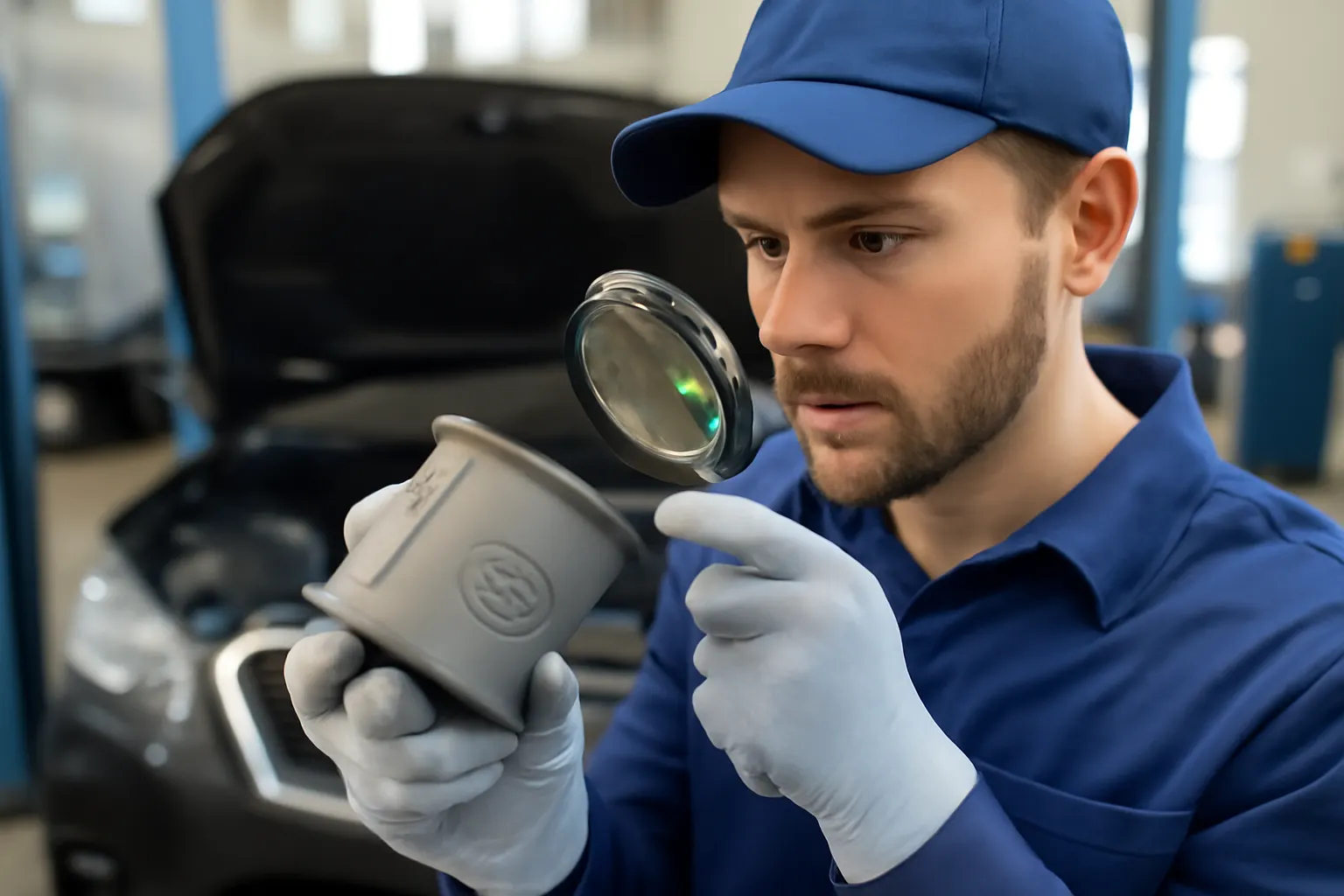
How to Spot Genuine Subaru Parts
The risks of installing non-genuine or counterfeit Subaru parts go far beyond aesthetics or minor fitment issues. Here’s what’s at stake: Safety Hazards: Counterfeit brake pads, airbags, or suspension components may fail in critical situations, putting occupants at risk. Performance Loss: Non-genuine filters, sensors, or drivetrain parts can degrade engine response, fuel efficiency, and handling. Premature Wear: Inferior materials and manufacturing shortcuts often lead to faster wear, requiring more frequent repairs and replacements.
Read More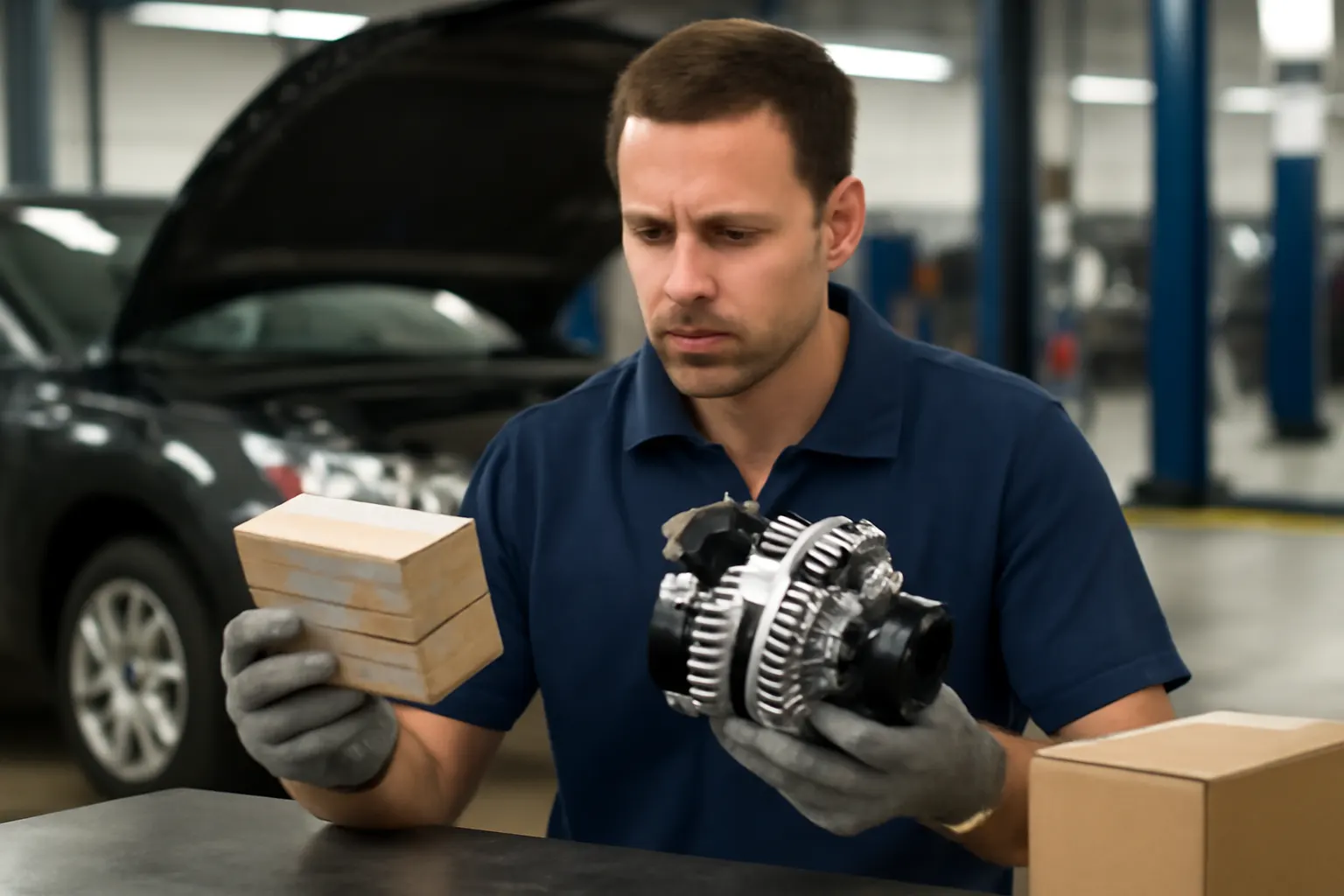
How to Spot Counterfeit Subaru Parts
At first glance, a counterfeit Subaru oil filter or brake pad might look almost identical to the real thing. Many buyers—including experienced mechanics—have been fooled by convincing packaging, fake part numbers, and even forged Subaru logos. The problem runs deeper than aesthetics: counterfeit parts rarely meet Subaru’s stringent engineering and safety standards. They can compromise vehicle systems, void insurance claims, or even trigger costly failures that put occupants at risk.
Read More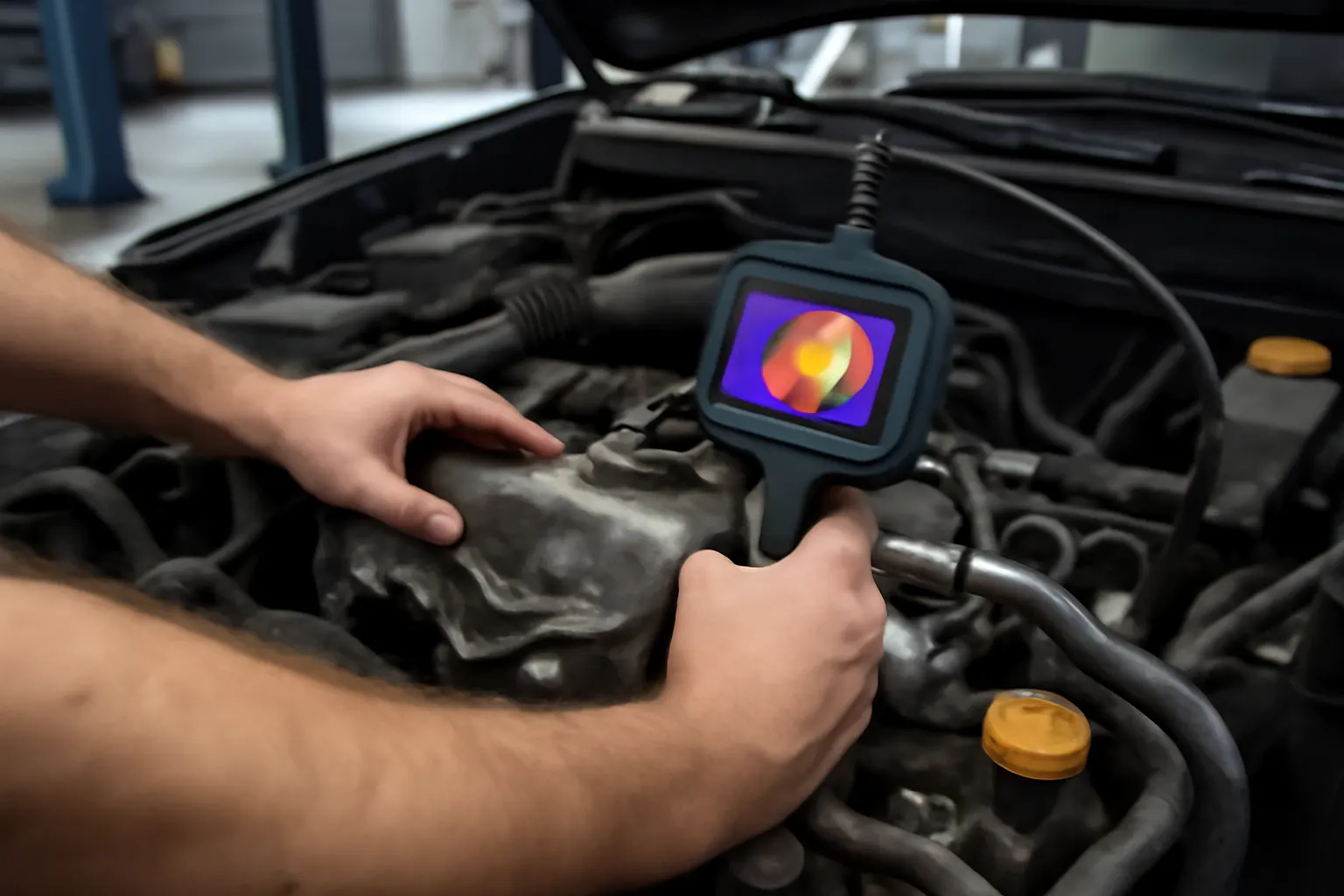
Subaru Boxer Engine Oil Leak Solutions
Subaru’s horizontally-opposed “boxer” engines are renowned for their unique engineering, smoothness, and reliability. However, one persistent issue that Subaru owners and technicians encounter is engine oil leaks. If you’ve spotted oil stains under your Subaru, noticed a burning oil smell, or found yourself topping off oil between changes, you’re not alone.
Read More