
Hyundai Veloster Auto Parts
What Hyundai Veloster Owners Should Know Before Buying Parts
Hyundai Veloster owners often focus on performance or style upgrades, but one crucial step is frequently overlooked: verifying the latest recall and repair information before purchasing auto parts. This guide explains why it matters, how to check your vehicle’s status, and practical steps for safe, effective repairs. By understanding the process, you can make informed decisions and maintain your Veloster’s reliability and value.
Advertisement
0 Hyundai Veloster Auto Parts
No Products Found
We're currently updating our inventory for Hyundai Veloster parts.
Please check back soon or contact us for specific part availability.
More Hyundai Veloster options
Filtering for Hyundai VelosterBrowse nearby inventory for this model without leaving the page. Use search to filter by price, part number, or city.
No Data Available
Please check back soon when more inventory is available for this part.
Advertisement
Why Checking Recall and Repair Details Matters for Veloster Owners
Many Hyundai Veloster owners are eager to personalize or maintain their vehicles, but it’s easy to miss a critical first step: confirming current recall and repair details. Even if your Veloster seems to run smoothly, hidden issues or manufacturer recalls can affect safety, reliability, and the fitment of replacement parts. Overlooking these details may lead to wasted time, unnecessary expenses, or even safety hazards if a recalled component is unknowingly replaced with a similar part. Staying informed about your vehicle’s status is a proactive way to protect your investment and ensure peace of mind.
A common misconception is that only older or heavily used vehicles are subject to recalls or technical service bulletins. In reality, recalls can affect vehicles of any age or mileage, and sometimes the issue is not immediately apparent. For Hyundai Veloster drivers, this means that even a recent model or a car with low miles could be subject to manufacturer campaigns. Checking for open recalls or known issues before purchasing parts is not just a formality—it’s an essential part of responsible ownership.
Another overlooked aspect is how recall status and repair history can influence which replacement parts are appropriate for your Veloster. If a recall has been issued for a specific component, installing a standard aftermarket part might not address the underlying problem. In some cases, only manufacturer-approved remedies will ensure compliance with safety standards. By understanding these nuances, Veloster owners can avoid missteps and make choices that support both safety and long-term vehicle performance.
Understanding the Risks: Recalls, Repairs, and Parts Compatibility
The Hyundai Veloster, like many modern vehicles, is subject to ongoing manufacturer updates, recalls, and service campaigns. These measures are designed to address safety defects or performance issues that may not be obvious during everyday driving. However, if you’re unaware of these updates, you might inadvertently install parts that are incompatible with your vehicle’s current configuration or miss out on free repairs offered by the manufacturer. This oversight can lead to repeated failures, voided warranties, or even safety risks for you and your passengers.
Recalls are not always publicized widely, and owners may not receive notification if their contact information is outdated or if the vehicle was purchased used. The National Highway Traffic Safety Administration (NHTSA) provides a centralized resource for checking recall status using your vehicle’s VIN, but many owners are unaware of this tool or how to use it effectively. This gap in awareness can result in missed opportunities for free repairs, or worse, driving a vehicle with an unresolved safety defect.
Another risk is assuming that all aftermarket or salvage parts are suitable replacements for original equipment. In reality, recalls and manufacturer updates can change the specifications for certain components, meaning that a part listed as compatible with a Veloster may not actually address a known defect. For example, if a recall affects the airbag system or braking components, only specific replacement parts provided under the recall campaign will restore full safety compliance. Using non-approved parts could leave the underlying issue unresolved.
Even routine maintenance can be affected by recall and service campaign status. For instance, if your Veloster’s engine or transmission has been the subject of a technical service bulletin, following standard maintenance procedures without reference to the latest manufacturer guidance could result in suboptimal repairs or missed updates. This is particularly important for owners who perform their own maintenance or use independent repair shops, as they may not receive the same level of manufacturer communication as dealership customers.
Documentation is another critical factor. Without a clear record of completed recalls and repairs, it can be difficult to determine which parts are appropriate for your Veloster. This lack of documentation can also complicate future repairs, resale value, and warranty claims. Ensuring that all service is properly recorded and that you have access to your vehicle’s full repair history is an often-overlooked but essential step in the parts selection process.
Finally, the complexity of modern vehicle systems means that even experienced DIYers can overlook important compatibility or safety considerations. Hyundai Veloster models may share components with other Hyundai vehicles, but recall campaigns and technical specifications can vary by year, trim, and even production date. Relying solely on generic parts catalogs or visual inspection is not enough to guarantee a proper fit or safe operation. Taking the time to verify recall status and repair documentation is a small investment that can prevent significant problems down the road.
Practical Steps for Safe and Effective Hyundai Veloster Repairs
Before purchasing any replacement part for your Hyundai Veloster, begin by gathering your vehicle’s essential identification details. Locate your 17-character Vehicle Identification Number (VIN), typically found on the lower left of your windshield, your registration card, or your insurance documents. Having your VIN on hand allows you to access the most accurate and up-to-date information about your specific vehicle, including any open recalls or manufacturer service campaigns that could affect parts compatibility or repair procedures.
Next, use the National Highway Traffic Safety Administration’s (NHTSA) online recall lookup tool to check your Veloster’s recall status. Entering your VIN will reveal whether your vehicle is subject to any unrepaired recalls or safety campaigns. This step is crucial, as it provides vehicle-specific information rather than general recall lists, ensuring that you are aware of any outstanding issues that need to be addressed before proceeding with repairs or parts purchases. If the search returns “0 unrepaired recalls associated with this VIN,” your vehicle is not currently subject to any open recalls, but it’s wise to check periodically for updates.
If a recall or service campaign is identified, follow the manufacturer’s instructions and contact your local Hyundai dealership to arrange for the necessary repairs or part replacements. Recall repairs are performed free of charge by authorized dealers and may involve specific parts or procedures not available through independent shops or aftermarket suppliers. Completing these repairs before purchasing additional parts ensures that your Veloster remains compliant with safety standards and that any subsequent repairs are based on the most current vehicle configuration.
When selecting replacement parts, consult both your owner’s manual and the latest manufacturer service bulletins relevant to your Veloster’s year, trim, and production date. This information helps you identify the correct part numbers and specifications, reducing the risk of installing an incompatible or outdated component. If you are considering aftermarket or salvage parts, verify that they meet or exceed the original equipment standards and are not affected by any outstanding recalls or technical service bulletins.
Request a written repair estimate from your chosen repair facility, as recommended by the Federal Trade Commission (FTC). The estimate should clearly identify the condition to be repaired, the parts required, and the anticipated labor charges. For complex or expensive repairs, consider seeking a second opinion or confirming that the technician has experience with Hyundai Veloster models. This step helps ensure that the proposed repairs are necessary, appropriately priced, and performed by qualified personnel.
After the repair is completed, obtain a detailed repair order that lists the work performed, the parts installed, the total cost, and the vehicle’s odometer reading. This documentation is essential for maintaining an accurate service history, supporting future warranty claims, and verifying that all recall-related repairs have been completed. Keep these records in a safe place and provide them to future owners if you sell your Veloster, as a well-documented repair history can enhance resale value and buyer confidence.
For ongoing maintenance, follow the manufacturer’s recommended schedule as outlined in your owner’s manual, taking into account your typical driving conditions. Compare any additional service recommendations from your repair shop with the official schedule, and ask for an explanation if extra work is proposed. This approach helps you avoid unnecessary expenses and ensures that your Veloster receives the care it needs to remain reliable and safe.
Finally, stay informed about new recalls, service campaigns, and maintenance recommendations by registering your Veloster with NHTSA’s SaferCar app or signing up for recall alerts by email. These tools provide timely notifications about issues that may affect your vehicle, allowing you to address them promptly and make informed decisions about parts and repairs. By following these practical steps, you can confidently select the right parts, maintain your Veloster’s safety and performance, and avoid common pitfalls in the repair process.
What the Evidence Shows About Recalls, Repairs, and Consumer Protection
The National Highway Traffic Safety Administration (NHTSA) provides a comprehensive framework for vehicle recall management and consumer safety. According to the NHTSA, every vehicle is assigned a unique VIN, which is used to track recall status and repair history. When a recall is issued, manufacturers are required to notify registered owners by first-class mail within 60 days and offer a remedy, which may include repair, replacement, refund, or, in rare cases, repurchase. The NHTSA monitors recall effectiveness and ensures that owners receive free and effective remedies in compliance with federal regulations. This process is designed to protect consumers from safety-related defects and to ensure that vehicles like the Hyundai Veloster are maintained to the highest safety standards NHTSA: Vehicle Recalls.
Importantly, the NHTSA recall lookup tool allows consumers to search for open recalls by entering their VIN or license plate number. This search provides vehicle-specific information, revealing whether a particular Veloster has unrepaired recalls. If no open recalls are found, the tool will display “0 unrepaired recalls associated with this VIN.” However, it is important to note that the tool does not show recalls that have already been repaired, recently announced recalls for which not all VINs have been identified, or recalls more than 15 years old unless extended by the manufacturer. Therefore, regular checks are recommended to stay current on recall status NHTSA: Vehicle Recalls.
The NHTSA also outlines the roles of manufacturers, the agency itself, and vehicle owners in the recall process. Manufacturers are responsible for notifying owners and providing remedies, while NHTSA monitors compliance and recall completion rates. Owners are advised to register their vehicles and check for recalls at least twice a year. This collaborative approach ensures that safety defects are addressed promptly and that owners have access to the latest information about their vehicles. For Hyundai Veloster owners, this means that proactive engagement with the recall process is essential for maintaining vehicle safety and compliance NHTSA: Vehicle Recalls.
The Federal Trade Commission (FTC) provides additional guidance on auto repair best practices, emphasizing the importance of written repair estimates, clear documentation, and informed parts selection. The FTC advises consumers to obtain a written estimate that identifies the condition to be repaired, the parts needed, and anticipated labor charges. For complicated or expensive repairs, a second opinion is recommended, as well as confirming the technician’s experience with the specific make and model. These recommendations help consumers avoid unnecessary repairs and ensure that work is performed correctly FTC: Auto Repair Basics.
The FTC further distinguishes between new, remanufactured, and salvage parts, noting that salvage parts come from other vehicles without alteration. The agency advises consumers to follow the manufacturer’s maintenance schedule and to compare shop recommendations with official guidelines. There is no standard warranty on repairs, so understanding the coverage and getting it in writing is essential. While these are general consumer recommendations, they provide a useful framework for Hyundai Veloster owners to navigate the repair process and make informed decisions about parts and service providers FTC: Auto Repair Basics.
Neither the NHTSA nor the FTC provides vehicle-specific technical specifications, failure rates, or repair outcomes for the Hyundai Veloster. Instead, their guidance focuses on the processes and best practices that apply to all vehicle owners. For Veloster owners, this means that while official sources can help identify recalls and provide consumer protection advice, additional research and consultation with qualified technicians are necessary to select the correct parts and ensure proper repairs. Comparing multiple sources and seeking professional input can help bridge the gap between general guidance and vehicle-specific needs.
In summary, the evidence from NHTSA and FTC establishes a clear process for managing recalls, selecting parts, and documenting repairs. While these sources do not provide Hyundai Veloster-specific failure statistics or technical service bulletins, they offer a reliable framework for safe and effective vehicle maintenance. By following the recommended steps—checking recall status, obtaining written estimates, and maintaining detailed records—Veloster owners can minimize risks, ensure compliance with safety standards, and protect their investment. Staying proactive and informed is the best way to navigate the complexities of modern vehicle ownership.
Take Charge of Your Veloster’s Safety and Reliability
Before you purchase your next part or schedule a repair for your Hyundai Veloster, take a few minutes to check your vehicle’s recall status and gather your service documentation. Use your VIN to access the latest information from NHTSA, and follow the FTC’s advice for repair estimates and records. These small steps can help you choose the right parts, avoid unnecessary expenses, and keep your Veloster performing at its best. For more model-specific resources and parts selection guidance, visit our Hyundai Veloster page.
References
- NHTSA: Vehicle Recalls
- FTC: Auto Repair Basics
References
- NHTSA: Vehicle Recalls - NHTSA, accessed 2026-11-01
- FTC: Auto Repair Basics - FTC, accessed 2026-11-01
Related Guides & Articles
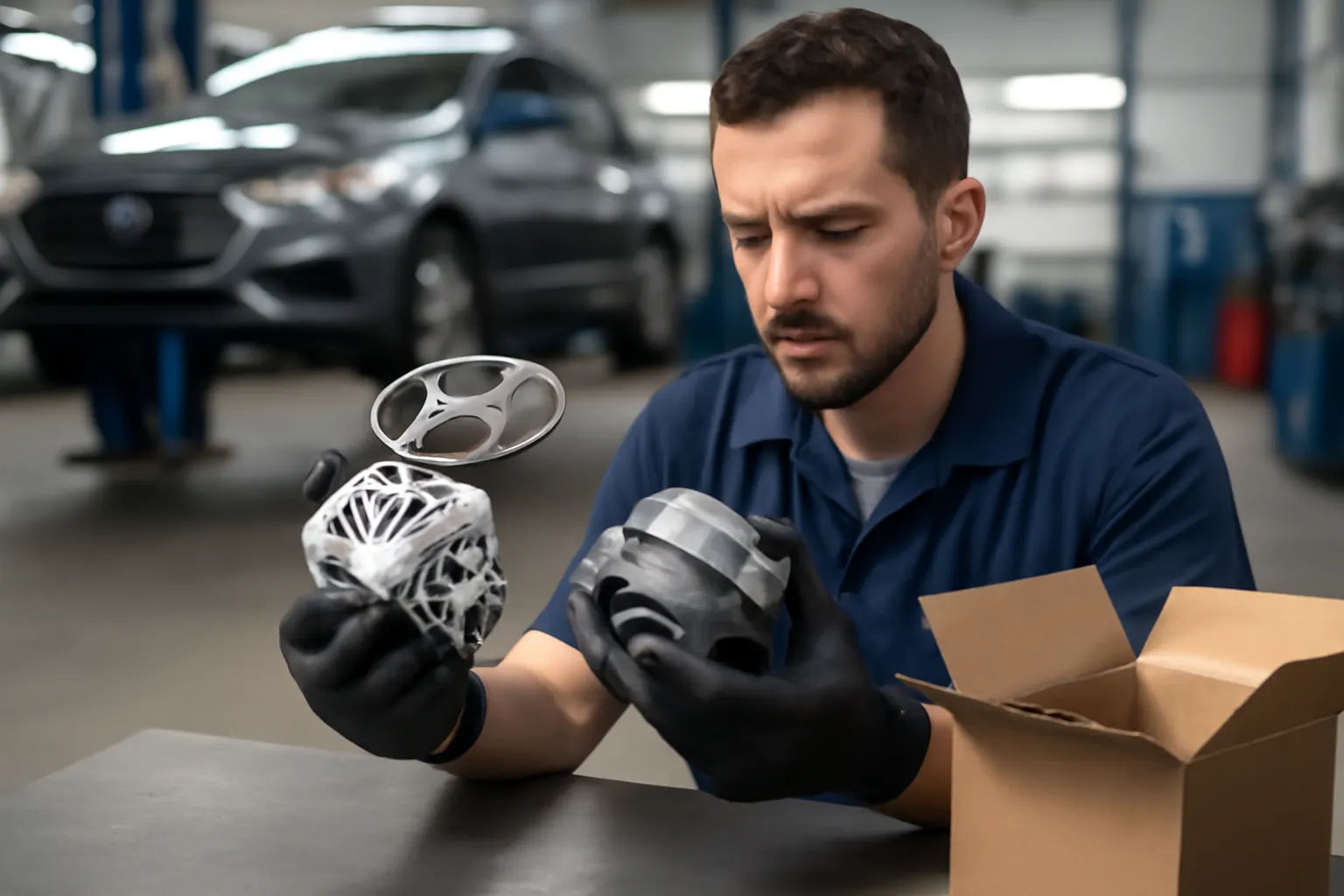
Spotting Counterfeit Hyundai Parts in the Marketplace
Counterfeit Hyundai parts are not just a minor inconvenience—they pose real dangers to your vehicle’s safety, reliability, and efficiency. Many fakes appear nearly identical to genuine parts, making them difficult to detect without a trained eye or technical resources. These imitation components can affect everything from braking performance to fuel efficiency, and may even void manufacturer recommendations for service intervals and safety recalls.
Read More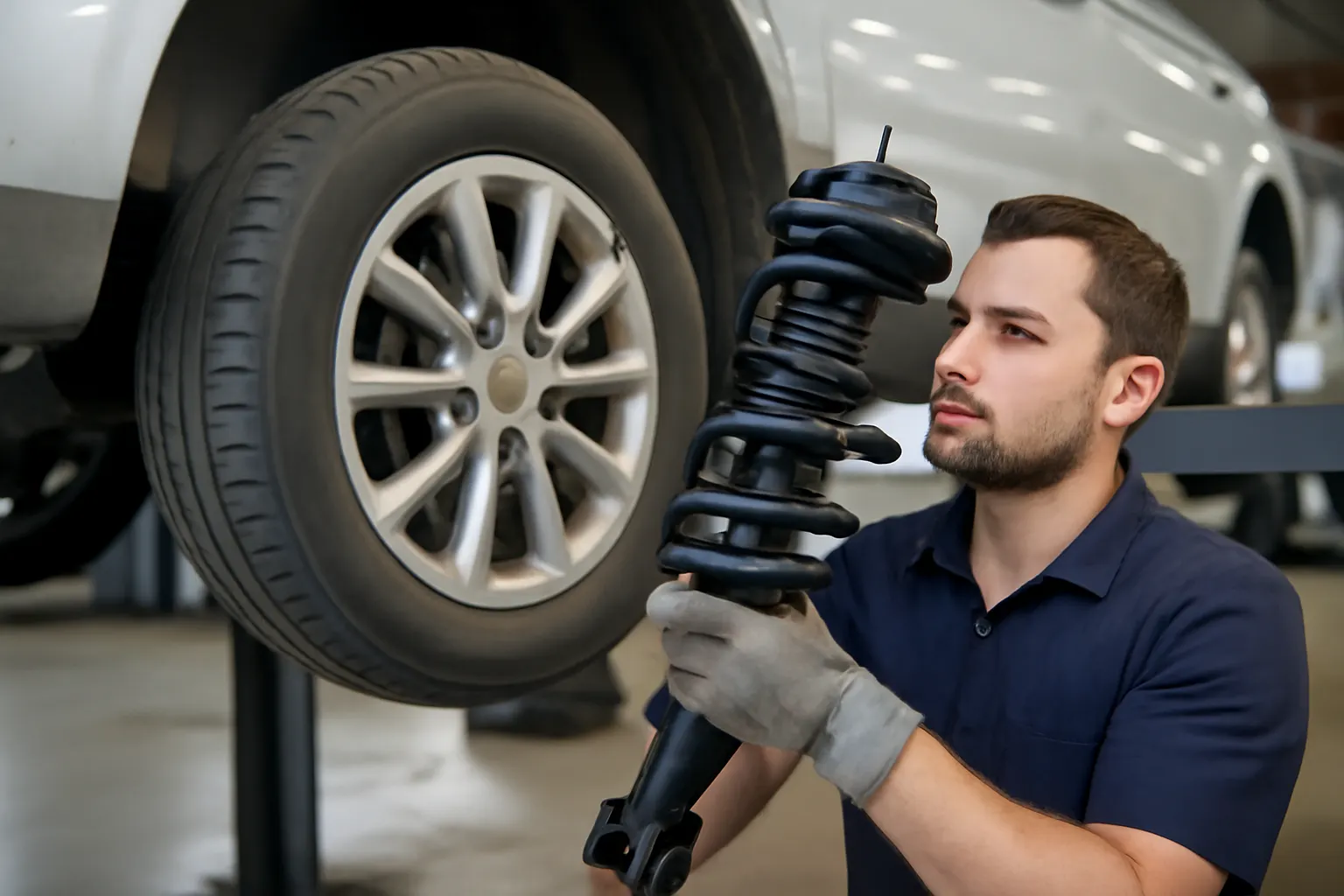
Common Hyundai Suspension Problems & Solutions
Hyundai vehicles have earned a reputation for their value, reliability, and modern engineering. Yet, like all makes, Hyundai models can experience specific suspension issues as they age or encounter challenging driving conditions. If you’re noticing clunks, uneven tire wear, or harshness over bumps, you’re not alone—these are among the most reported Hyundai suspension complaints. In this comprehensive guide, the AutoPartEx Technical Editorial Team details the most common Hyundai suspension problems, explains their root causes, and offers practical, model-specific solutions.
Read More
How to Identify Genuine Hyundai OEM Parts
Identifying genuine Hyundai OEM (Original Equipment Manufacturer) parts is critical for ensuring your vehicle’s safety, reliability, and long-term performance. In this comprehensive AutoPartEx guide, you’ll learn the essential steps for authenticating Hyundai parts—covering hologram verification, packaging inspection, batch code validation, and more. Whether you’re a Hyundai owner, technician, or auto parts buyer, mastering these techniques will protect your investment and help you avoid the pitfalls of counterfeit or substandard parts.
View Guide
Hyundai Service Intervals: What to Replace and When
Hyundai vehicles, like all modern automobiles, require regular maintenance at specific intervals to ensure safety, efficiency, and reliability. Here’s a quick reference for the most common service items and when to address them for most Hyundai models: While many Hyundai owners rely on basic oil changes, neglecting other scheduled maintenance can lead to premature wear, safety hazards, and expensive repairs. Modern Hyundais use advanced materials and technology, but these systems are only as reliable as their weakest maintained component.
View Guide