Spotting Counterfeit Hyundai Parts in the Marketplace
Counterfeit Hyundai parts are a growing concern for vehicle owners, repair shops, and parts distributors. These unauthorized replicas can compromise your safety, vehicle performance, and long-term value. In this comprehensive guide, you’ll learn exactly how to spot fake Hyundai parts, why the problem persists, and how to ensure genuine fitment every time. If you’re searching for trusted Hyundai OEM & Replacement Auto Parts | Genuine Fitment, Heritage & Technical Reference, understanding the risks of counterfeits is a critical first step.
Why Counterfeit Hyundai Parts Are a Serious Threat
Counterfeit Hyundai parts are not just a minor inconvenience—they pose real dangers to your vehicle’s safety, reliability, and efficiency. Many fakes appear nearly identical to genuine parts, making them difficult to detect without a trained eye or technical resources. These imitation components can affect everything from braking performance to fuel efficiency, and may even void manufacturer recommendations for service intervals and safety recalls.
The National Highway Traffic Safety Administration (NHTSA) highlights the importance of using certified and tested automotive parts for maintaining vehicle safety and performance standards [NHTSA Equipment]. Counterfeit parts often fail to meet these standards, leading to increased risk of component failure, accidents, and costly repairs.
The Hidden Problem: How Counterfeits Enter the Market
While most Hyundai owners assume that buying from a dealership or reputable online store guarantees authenticity, the reality is more complex. Counterfeiters have become adept at infiltrating legitimate-looking supply chains, including online marketplaces, independent shops, and even some authorized distributors. These parts may be sold at a slight discount or even at full retail price, making them hard to distinguish from genuine Hyundai components.
The global reach of online shopping, combined with the complexity of automotive supply chains, allows counterfeiters to distribute fake parts quickly and widely. The result: unsuspecting buyers may install substandard parts that compromise safety, performance, and fuel efficiency [DOE Fuel Efficiency].
The True Cost of Installing Counterfeit Parts
Installing a counterfeit Hyundai part can have far-reaching consequences beyond the initial purchase price. Immediate risks include:
- Safety Compromises: Fake brake pads, airbags, or suspension components can fail unexpectedly, endangering lives.
- Reduced Fuel Efficiency: Non-genuine engine and drivetrain parts may not meet Hyundai’s engineering standards, leading to poor fuel economy and increased emissions.
- Accelerated Wear and Tear: Inferior materials and manufacturing processes result in faster degradation, causing premature failure and additional repair costs.
- Compromised Structural Integrity: Counterfeit body and chassis parts may not meet required strength or crashworthiness standards [DOE Materials Technologies].
- Denial of Warranty or Recall Coverage: Using counterfeit components may disqualify your vehicle from manufacturer-backed service or safety recalls.
The initial savings from a counterfeit part are quickly outweighed by the potential for expensive repairs, safety hazards, and decreased vehicle lifespan.
How to Identify Counterfeit Hyundai Parts: Key Warning Signs
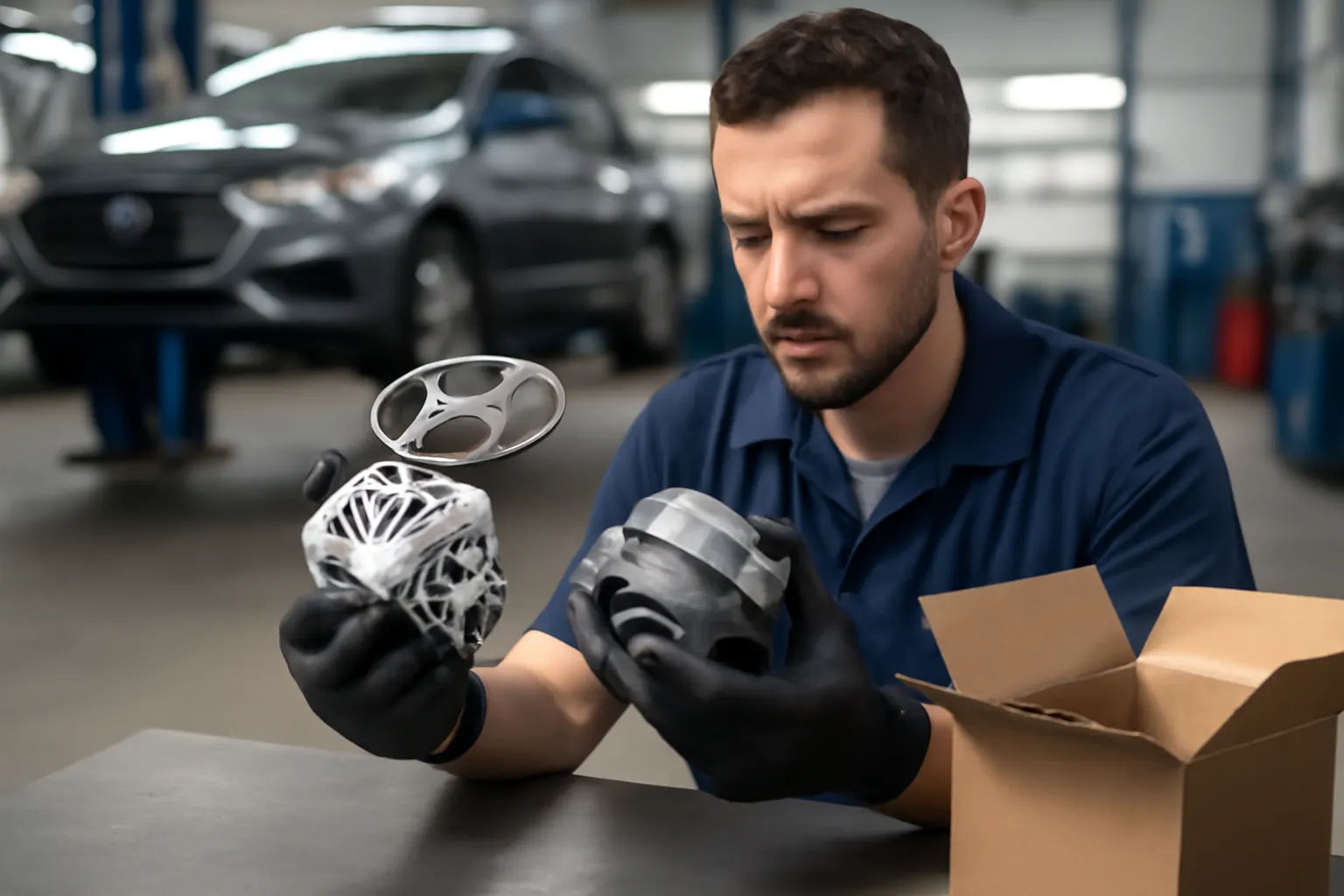
Detecting a counterfeit Hyundai part requires a careful inspection of packaging, labeling, and the part itself. Here’s what to look for:
1. Packaging and Labeling
- Misspelled Words or Poor Grammar: Genuine Hyundai packaging is professionally printed with accurate language.
- Inconsistent Logos or Colors: Official Hyundai branding is consistent in font, color, and placement.
- Missing Security Holograms or Barcodes: Most genuine Hyundai parts include security features such as holographic stickers, QR codes, or unique serial numbers.
- Low-Quality Printing: Blurry images, faded text, or smudged labels are red flags.
2. Part Construction and Finish
- Subpar Materials: Genuine Hyundai parts use high-quality metals, plastics, and composites. Counterfeits may feel lighter, rougher, or less sturdy.
- Imprecise Fitment: OEM parts are designed for exact fit; counterfeits may require force to install or leave gaps.
- Inconsistent Markings: Look for missing or incorrect part numbers, lack of Hyundai logo, or unusual casting marks.
3. Pricing and Vendor Reputation
- Prices Too Good to Be True: Significant discounts, especially for high-demand parts, are a warning sign.
- Questionable Sellers: Unknown online vendors, auction sites, or shops with little history may be more likely to sell fakes.
Counterfeit Part Checklist: What to Inspect Before Purchase
Use this checklist to help ensure you’re getting a genuine Hyundai part:
| Inspection Point | What to Look For | Red Flags |
|---|---|---|
| Packaging | Professional print, correct logos, spelling, security stickers | Misspellings, faded print |
| Part Number | Matches Hyundai catalog, etched/printed clearly | Missing, incorrect, or altered |
| Security Features | Hologram, QR code, barcode, serial number | None present, or easily removed |
| Material Quality | Matches OEM standard, solid feel | Cheap plastic, brittle, uneven |
| Seller Reputation | Authorized Hyundai dealer or established parts distributor | Unknown or unverified sellers |
| Price | Within typical market range | Deep discounts, too cheap |
| Documentation | Includes Hyundai warranty, installation guide | No paperwork or generic docs |
The Technical Side: Why Genuine Parts Matter for Safety and Performance
Hyundai engineers design every OEM part to meet strict safety, efficiency, and durability standards. Counterfeit parts, by contrast, are made to imitate appearance—not function. The National Highway Traffic Safety Administration (NHTSA) and the Society of Automotive Engineers (SAE) both emphasize the importance of certified components to ensure:
- Crash Protection: Genuine structural parts absorb and distribute impact energy as designed, while counterfeits may buckle or shatter.
- Consistent Braking and Handling: Suspension and brake components must meet precise tolerances to maintain stability and stopping power.
- Optimized Fuel Efficiency: Engine and drivetrain parts are tuned for minimum friction and maximum combustion efficiency, which counterfeits cannot reliably deliver.
- Long-Term Reliability: OEM materials are tested for corrosion, fatigue, and wear; counterfeit parts often fail these tests.
For more on Hyundai’s engineering standards and technical heritage, see our Hyundai OEM & Replacement Auto Parts | Genuine Fitment, Heritage & Technical Reference category.
Real-World Examples: Commonly Counterfeited Hyundai Parts
Certain Hyundai parts are targeted more frequently by counterfeiters due to high demand and frequent replacement. Be especially vigilant when sourcing:
- Brake Pads and Rotors: Safety-critical and high-turnover, making them a prime target.
- Oil Filters and Air Filters: Easy to copy and often replaced during routine service.
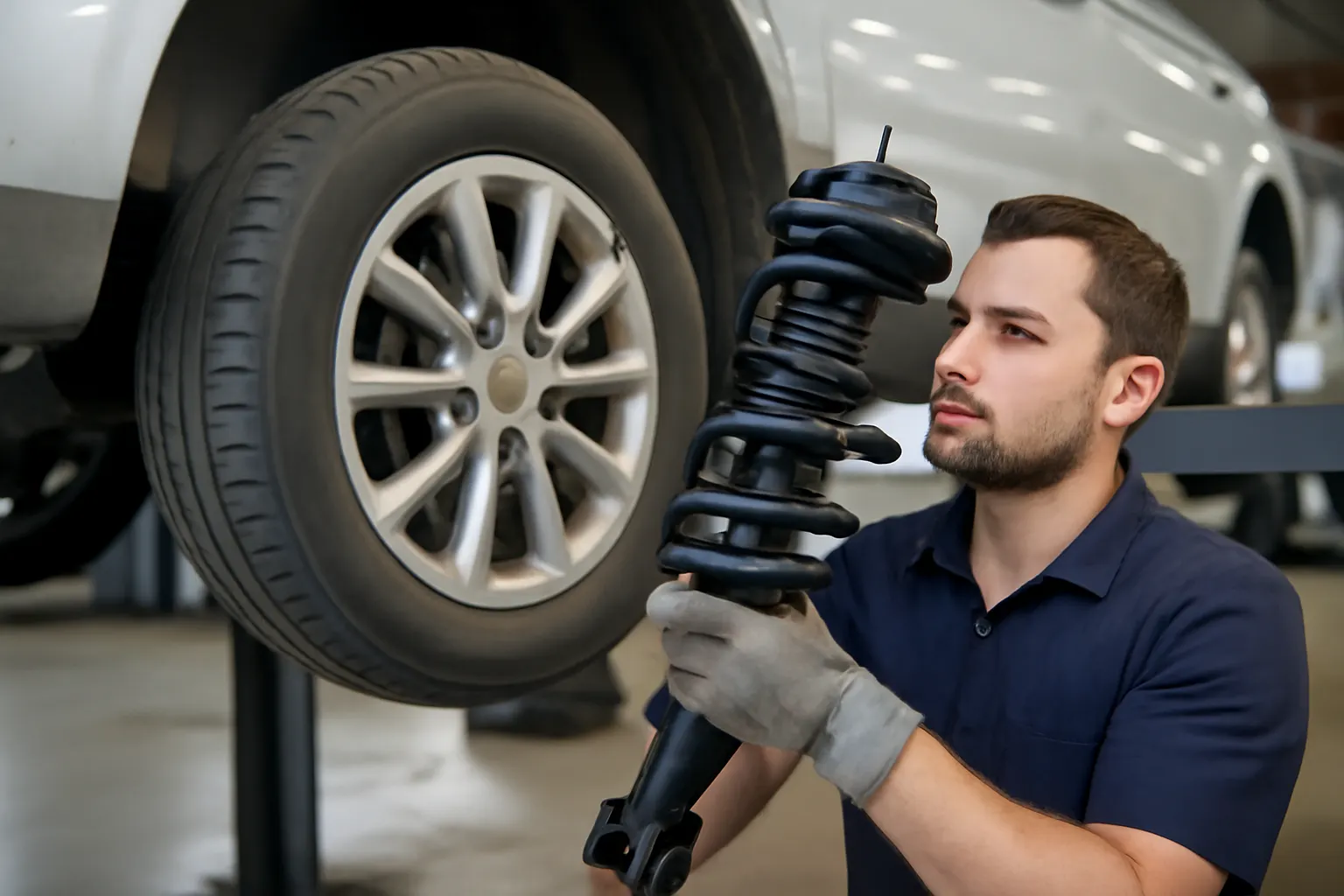
- Suspension Components: Ball joints, bushings, and control arms sold as “OEM-style” or “compatible.”
- Body Panels and Bumpers: Frequently needed after accidents, often sold with fake Hyundai badges.
- Headlights and Taillights: Counterfeits may use poor-quality plastics and substandard lighting elements.
- Engine Sensors and Electronic Modules: Appear identical, but may lack proper programming or calibration.
If you’re maintaining or upgrading your Hyundai’s suspension, see our dedicated Hyundai Suspension Parts section for verified options.
Advanced Inspection: Using Part Numbers, Catalogs, and Technical Guides
One of the most reliable ways to verify a Hyundai part’s authenticity is to cross-check its part number with official Hyundai catalogs or technical documentation. Here’s how:
- Find the OEM Part Number: Genuine Hyundai parts will have a unique identifier, usually etched or printed directly on the part.
- Cross-Reference with Hyundai Catalogs: Use Hyundai’s official online parts catalog or a trusted distributor’s lookup tool.
- Consult Technical Guides: Reference our How to Identify Genuine Hyundai OEM Parts for detailed illustrations and comparison photos.
- Check for Security Features: Many recent Hyundai parts include QR codes or holographic stickers that can be verified via Hyundai’s digital authentication platforms.
If the part number cannot be found in any official resource, or if it differs even slightly from the Hyundai catalog, the part is likely counterfeit.
The Role of Materials and Manufacturing Technology
Why do counterfeit parts fail so often? The answer lies in the materials and manufacturing processes. Genuine Hyundai parts utilize advanced alloys, engineered plastics, and precision manufacturing techniques to meet strict durability and safety requirements [DOE Materials Technologies].
Counterfeiters typically cut corners by:
- Using recycled or low-grade metals prone to rust or fatigue.
- Skipping heat treatments or quality control steps.
- Molding plastics without UV or chemical resistance additives.
- Forgoing advanced coatings that prevent corrosion.
Such shortcuts result in parts that look similar but perform unpredictably—sometimes failing catastrophically under stress.
Buying Genuine: Where to Source Authentic Hyundai Parts
To minimize the risk of counterfeit parts, always buy from:
- Authorized Hyundai Dealerships: These have direct access to Hyundai’s official parts network.
- Reputable Online Retailers: Choose sellers with strong customer reviews, transparent return policies, and a history of selling genuine parts.
- Certified Parts Distributors: Look for distributors authorized by Hyundai or major automotive parts organizations.
- Direct Manufacturer Channels: Some Hyundai OEM suppliers offer direct-to-consumer sales with authentication guarantees.
Avoid purchasing from online auction sites, classified ads, or international sellers that do not provide clear documentation or warranty coverage.
What to Do If You Suspect a Counterfeit Part
If you believe you’ve received a counterfeit Hyundai part:
- Stop Installation Immediately: Do not install or use the part, especially if it’s safety-critical.
- Contact the Seller: Request proof of authenticity, such as invoices, warranty cards, or supplier certification.
- Report to Hyundai or NHTSA: File a report with Hyundai’s customer service or the NHTSA’s Office of Defects Investigation [NHTSA Recalls].
- Retain Evidence: Keep the packaging, part, and all documentation for further investigation.
- Seek a Refund or Replacement: Reputable sellers should cooperate; if not, escalate to payment processors or consumer protection agencies.
Proactive Maintenance: Keeping Your Hyundai Genuine
Maintaining your Hyundai with authentic parts is the best way to preserve its value, safety, and performance. Follow these steps:
- Adhere to Service Intervals: Use Hyundai Service Intervals: What to Replace and When to schedule timely replacements.
- Document Every Repair: Keep receipts and installation records for all parts and services.
- Work with Certified Technicians: Choose repair shops with Hyundai-trained technicians and a reputation for using genuine parts.
- Stay Informed: Monitor NHTSA recalls and Hyundai technical bulletins for updates on affected parts and recommended replacements.
AutoPartEx: Your Partner in Genuine Hyundai Parts
At AutoPartEx, we understand the risks posed by counterfeit parts and are committed to helping Hyundai owners, enthusiasts, and repair professionals source only genuine, high-quality components. Our curated catalog, technical guides, and expert support team ensure you can buy and install with confidence. Whether you’re searching for hard-to-find suspension components, engine parts, or maintenance essentials, trust AutoPartEx for verified fitment and peace of mind.
Explore our full range of Hyundai OEM & Replacement Auto Parts | Genuine Fitment, Heritage & Technical Reference or dive into our Common Hyundai Suspension Problems & Solutions for model-specific advice.
Final Checklist: Your Counterfeit Hyundai Parts Action Plan
Before your next Hyundai parts purchase, use this quick reference:
- Verify Seller Credentials: Only buy from authorized or well-reviewed sources.
- Inspect Packaging and Documentation: Look for security features, accurate branding, and Hyundai warranty cards.
- Check Part Numbers: Cross-reference with official Hyundai catalogs or trusted guides.
- Assess Material and Build Quality: Genuine parts should feel solid and match OEM standards.
- Be Wary of Low Prices: If a deal seems too good to be true, it probably is.
- Retain All Records: Keep receipts and photos for future reference or claims.
By following these steps, you’ll dramatically reduce your risk of installing counterfeit Hyundai parts and keep your vehicle running safely and efficiently.