
Hyundai Santa Fe Auto Parts
What Hyundai Santa Fe Owners Should Know Before Buying Parts
Many Hyundai Santa Fe owners overlook a key step before buying replacement parts or scheduling repairs: verifying recall status and understanding the parts market. This guide explains how to check for recalls, compare part types, and ensure you make informed decisions. Whether you’re maintaining an older Santa Fe or addressing a new issue, a careful approach can save time, money, and headaches. Read on for practical, evidence-based advice tailored to Santa Fe drivers.
Advertisement
0 Hyundai Santa Fe Auto Parts
No Products Found
We're currently updating our inventory for Hyundai Santa Fe parts.
Please check back soon or contact us for specific part availability.
More Hyundai Santa Fe options
Filtering for Hyundai Santa FeBrowse nearby inventory for this model without leaving the page. Use search to filter by price, part number, or city.
No Data Available
Please check back soon when more inventory is available for this part.
Advertisement
Why Checking Recalls and Part Types Matters for Your Santa Fe
When considering repairs or parts replacement for your Hyundai Santa Fe, it’s easy to focus solely on symptoms or immediate needs. However, one crucial step often goes overlooked: checking for open recalls and understanding the types of parts available. Many owners assume that if their vehicle seems to be running well, there’s no urgent reason to investigate further. Yet, unresolved recalls or the wrong part choice can lead to unnecessary expenses or even safety concerns down the road.
Most vehicle owners are vaguely aware of recalls but may not realize how directly these can affect their repair or parts-buying decisions. A recall may not always be obvious—sometimes it involves components that don’t show symptoms until failure. Similarly, the differences between new, remanufactured, and salvage parts can be subtle but significant, especially when it comes to reliability and fitment. Overlooking these factors can mean missing out on free repairs or making a costly mistake when purchasing parts.
By taking a few proactive steps—such as checking your Santa Fe’s recall status and understanding your options for replacement parts—you can avoid common pitfalls. Not only does this protect your investment, but it also helps ensure your safety and satisfaction with the repair. This article will guide you through the process, using published evidence and official recommendations to help you make the best choices for your Hyundai Santa Fe.
Understanding the Risks: Recalls, Repairs, and Part Selection
The modern Hyundai Santa Fe is a complex vehicle, with systems that rely on the proper functioning of thousands of components. When something goes wrong, it’s not always clear whether the issue is due to normal wear, a manufacturing defect, or an overlooked recall. Many owners are unaware that unresolved recalls can persist even after a vehicle changes hands, and that these recalls often address safety-critical issues that may not be immediately apparent. Ignoring recall status can leave you exposed to risks that a simple check could have prevented.
Another challenge is the diversity of replacement parts available for the Santa Fe. Parts can be new, remanufactured, or salvaged, each with its own advantages and drawbacks. New parts are generally considered the most reliable, but remanufactured or salvage parts can offer cost savings. However, not all parts are created equal, and choosing the wrong type can result in compatibility issues, reduced performance, or even voided warranties. Without clear guidance, it’s easy to make a choice that seems economical in the short term but leads to problems later.
Owners often rely on repair shops to recommend parts and services, but shop recommendations may not always align with the manufacturer’s maintenance schedule or the vehicle’s actual needs. Shops may suggest additional services or parts that aren’t strictly necessary, especially if the owner is unfamiliar with the specifics of their Santa Fe’s requirements. This can lead to unnecessary expenses and confusion about what is truly needed for safe, effective maintenance.
A further complication is that repair shops may not always check for open recalls before proceeding with repairs. If a recall is outstanding for a component you’re about to replace, you could be eligible for a free repair from the manufacturer. Missing this opportunity means paying out of pocket for something that should have been addressed at no cost. It also means you might not get the manufacturer’s latest, safest fix for a known issue.
The process of identifying the correct part for your Santa Fe can be complicated by variations in model years, trim levels, and production changes. Catalog listings and part numbers may not always guarantee compatibility, especially if your vehicle has had prior repairs or modifications. This uncertainty can make it difficult to confidently purchase parts online or from third-party sellers, increasing the risk of returns, delays, or installation problems.
Finally, many owners are unaware of their rights and responsibilities when it comes to recalls and repairs. Manufacturers and regulatory agencies provide resources to help consumers stay informed, but these tools are only effective if used. Without taking advantage of recall lookup tools and understanding the distinctions between part types, Santa Fe owners may miss out on critical information that could affect their safety, finances, and satisfaction with their vehicle.
How to Make Informed Parts and Repair Decisions for Your Santa Fe
The first step for any Hyundai Santa Fe owner considering repairs or parts replacement is to check for open recalls. The National Highway Traffic Safety Administration (NHTSA) provides a free, official recall lookup tool that allows you to search by your vehicle’s 17-character VIN or by year, make, and model. This search will reveal if there are any unrepaired recalls associated with your specific Santa Fe. If a recall is found, contact your local Hyundai dealer to arrange for the free repair before purchasing any replacement parts or scheduling unrelated repairs.
If no recalls are found, or if your issue is unrelated to any open recalls, the next step is to determine the type of replacement part that best fits your needs and budget. New parts are typically the most reliable and come with the strongest manufacturer support, but they may be more expensive. Remanufactured or rebuilt parts can offer a balance of cost and reliability, as they have been restored to working condition, often with updated components. Salvage parts, sourced from other vehicles, may be the least expensive but carry the highest risk of unknown wear or compatibility issues.
Before authorizing any repair, request a written estimate from your repair shop. This estimate should clearly identify the condition to be repaired, the parts needed, and the anticipated labor charges. If the repair is expensive or complicated, consider seeking a second opinion, especially from a technician with experience working on Hyundai Santa Fe models. Comparing estimates and recommendations can help you avoid unnecessary services and ensure you’re getting fair pricing.
Ask your repair shop or parts supplier to confirm the compatibility of the recommended part with your specific Santa Fe, including model year, trim, and any relevant production details. Provide your VIN whenever possible, as this is the most reliable way to match parts accurately. If you are purchasing parts online, look for sellers who provide detailed fitment information and clear return policies in case the part does not fit as expected.
When the repair is complete, obtain a detailed repair order listing the work performed, the parts installed, the costs, and your vehicle’s odometer reading. This documentation is important for warranty purposes and for maintaining your Santa Fe’s service history. If any part of the repair is covered by a warranty, make sure you understand the terms and get the coverage in writing. There is no standard warranty on repairs, so each shop or supplier may offer different terms.
Follow the manufacturer’s recommended maintenance schedule as outlined in your Santa Fe’s owner’s manual. This schedule is tailored to your vehicle’s design and typical usage patterns, helping you avoid unnecessary services or overlooked maintenance items. If your repair shop recommends additional services, ask them to explain why these are needed and how they compare to the manufacturer’s recommendations. This approach helps you make informed choices and avoid unnecessary expenses.
If you encounter a safety issue or believe there may be a defect in your Santa Fe, report the problem to NHTSA. Your complaint will be added to a public database and may contribute to future investigations or recalls. This process helps protect not only your own safety but also that of other Hyundai Santa Fe owners. NHTSA reviews all complaints and, if warranted, may open an investigation that could lead to a recall and free repairs for affected vehicles.
By following these steps—checking for recalls, understanding part types, requesting written estimates, confirming compatibility, and maintaining thorough documentation—you can confidently navigate the repair and parts-buying process for your Hyundai Santa Fe. These practices not only help you avoid common pitfalls but also ensure that your vehicle remains safe, reliable, and well-maintained for years to come.
Published Guidance on Recalls, Repairs, and Part Selection
The National Highway Traffic Safety Administration (NHTSA) provides the most authoritative guidance on vehicle recalls in the United States. According to the NHTSA, every vehicle has a unique 17-character Vehicle Identification Number (VIN) that can be used to check for open recalls. Owners can search for recalls by VIN or by year, make, and model, but only a VIN search will confirm whether a specific Santa Fe has an unrepaired recall. This process is critical because recalls address safety-related defects that may not be obvious to the owner. If a recall is found, the manufacturer is required to remedy the defect at no cost to the owner, typically through repair, replacement, or refund. This guidance underscores the importance of checking recall status before authorizing repairs or purchasing parts, as it could save you money and ensure your vehicle’s safety NHTSA: Vehicle Recalls.
NHTSA also explains that recall information is updated continuously, and not all recalls may be immediately visible for every vehicle. Some recently announced recalls may not yet have all affected VINs identified, so it’s important to check regularly, especially if you hear about a new recall affecting Hyundai vehicles. Additionally, recalls more than 15 years old may not appear in the database unless the manufacturer offers extended coverage. This means that for older Santa Fe models, owners should be particularly diligent in checking for updates and contacting Hyundai or their dealer directly if they have concerns about a specific issue NHTSA: Vehicle Recalls.
The NHTSA recall process involves several stages, starting with owner complaints, followed by investigations, and ultimately leading to manufacturer action if a safety defect is confirmed. Owners play a crucial role by reporting problems and checking recall status. If a recall is issued, manufacturers must notify registered owners by mail and offer a free remedy. NHTSA monitors the effectiveness of recalls and ensures that owners receive safe, free, and effective repairs. This process ensures that safety issues are addressed promptly and that owners are not left to pay for repairs related to manufacturing defects NHTSA: Vehicle Recalls.
The Federal Trade Commission (FTC) offers additional guidance on auto repairs and parts selection. The FTC advises consumers to get a written repair estimate that details the condition to be repaired, the parts needed, and anticipated labor charges. For expensive or complex repairs, the FTC recommends seeking a second opinion and confirming that the technician has experience with your specific make and model. This advice is especially relevant for Hyundai Santa Fe owners, as it helps ensure that repairs are necessary and that the right parts are used FTC: Auto Repair Basics.
The FTC also distinguishes between new, remanufactured, and salvage parts. New parts are unused and typically offer the greatest reliability, while remanufactured or rebuilt parts have been restored to working condition. Salvage parts, on the other hand, are taken from other vehicles and may show signs of wear. The FTC recommends understanding the type of part being installed and the associated warranty or coverage. This is important for Santa Fe owners, as using the wrong type of part can affect reliability and may not be covered by a warranty. The FTC’s guidance helps consumers make informed decisions about which parts to choose for their repairs FTC: Auto Repair Basics.
Neither NHTSA nor the FTC provides specific technical specifications or failure rates for Hyundai Santa Fe parts. Instead, their guidance focuses on the process of checking for recalls, understanding part types, and obtaining clear documentation for repairs. This means that Santa Fe owners should not assume that a catalog listing or part label guarantees compatibility or performance. Instead, the best practice is to confirm fitment using the VIN, request detailed estimates, and retain all repair documentation. If technical evidence or specific failure data is unavailable, consumers should rely on these process-oriented steps to minimize risk and ensure satisfaction.
The evidence from NHTSA and the FTC does not include completed repair cases or statistics specific to Hyundai Santa Fe models. Instead, it provides a framework for safe, effective repair and parts selection that applies to all vehicles, including the Santa Fe. By following this published guidance—checking recall status, understanding part options, and documenting repairs—owners can avoid common pitfalls and make informed decisions. This approach is supported by regulatory authorities and is the best available method for ensuring the safety and reliability of your Hyundai Santa Fe.
Take the Next Step for Your Santa Fe’s Safety and Reliability
Before buying any parts or scheduling repairs for your Hyundai Santa Fe, take a few minutes to check for open recalls using your VIN on the NHTSA website. Gather written estimates, confirm part compatibility, and follow the manufacturer’s maintenance schedule. These steps, backed by published evidence, help you protect your investment and keep your Santa Fe running safely for years to come. For more guidance and parts options, visit our dedicated Hyundai Santa Fe page.
References
- NHTSA: Vehicle Recalls
- FTC: Auto Repair Basics
References
- NHTSA: Vehicle Recalls - NHTSA, accessed 2026-11-01
- FTC: Auto Repair Basics - FTC, accessed 2026-11-01
Related Guides & Articles
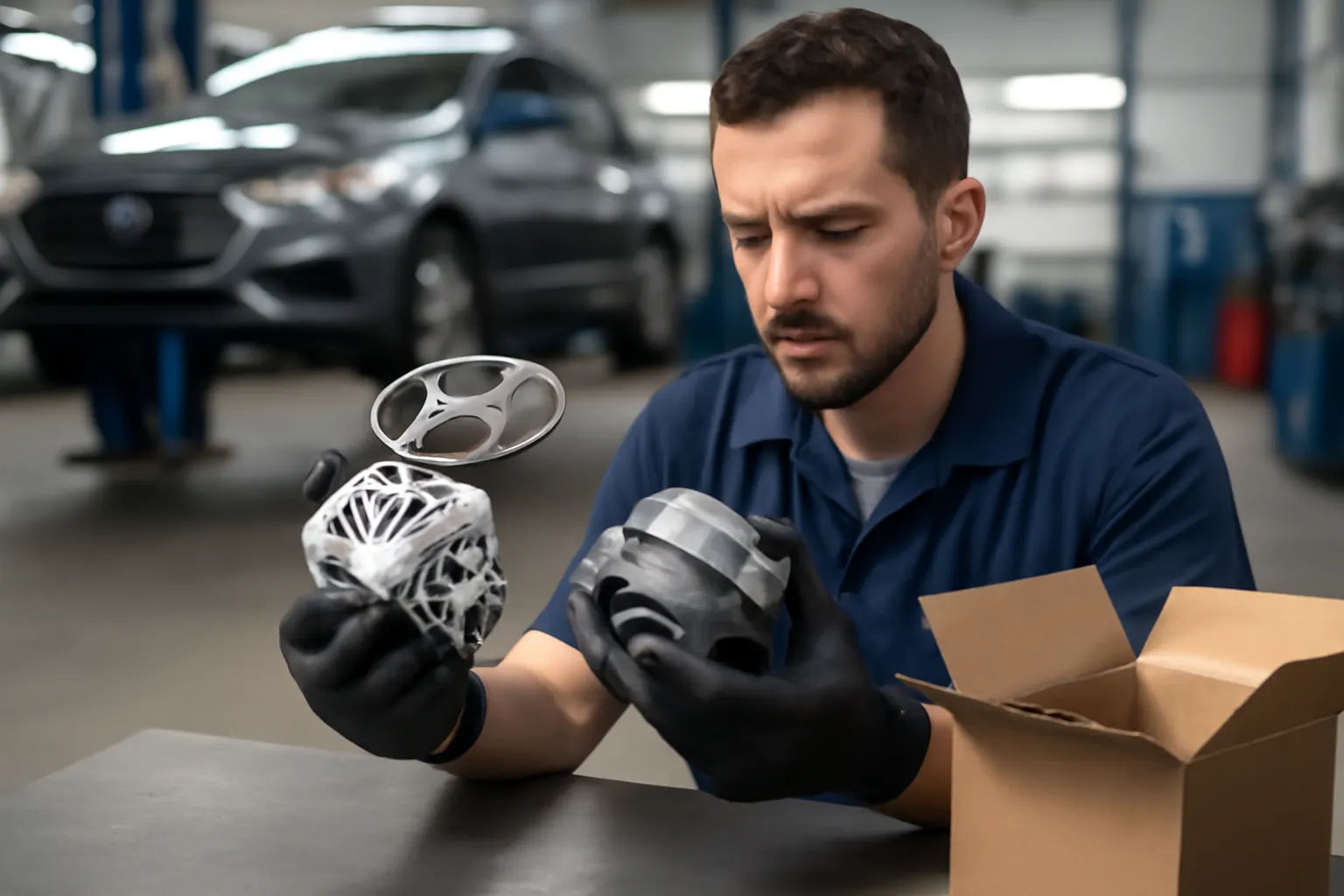
Spotting Counterfeit Hyundai Parts in the Marketplace
Counterfeit Hyundai parts are not just a minor inconvenience—they pose real dangers to your vehicle’s safety, reliability, and efficiency. Many fakes appear nearly identical to genuine parts, making them difficult to detect without a trained eye or technical resources. These imitation components can affect everything from braking performance to fuel efficiency, and may even void manufacturer recommendations for service intervals and safety recalls.
Read More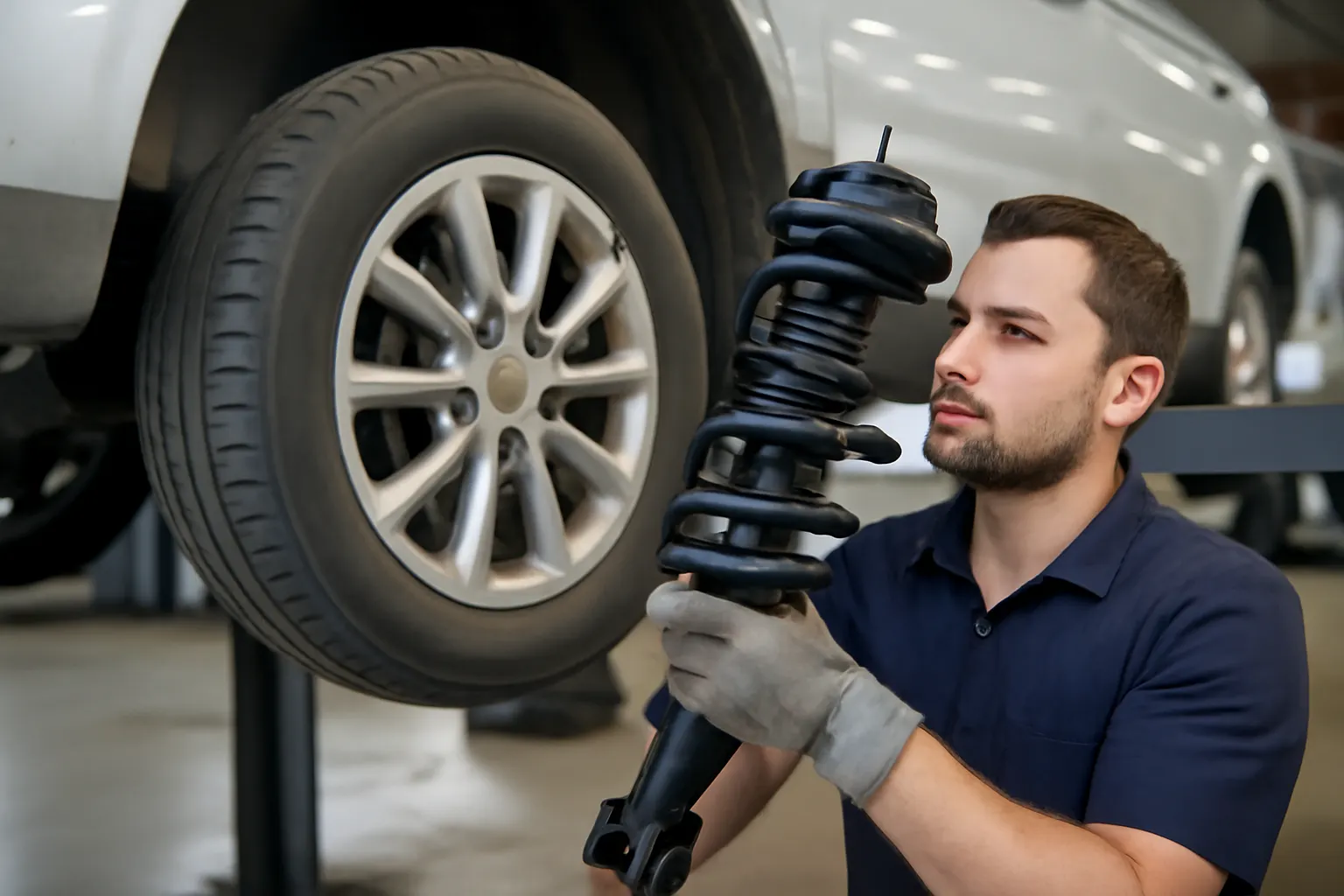
Common Hyundai Suspension Problems & Solutions
Hyundai vehicles have earned a reputation for their value, reliability, and modern engineering. Yet, like all makes, Hyundai models can experience specific suspension issues as they age or encounter challenging driving conditions. If you’re noticing clunks, uneven tire wear, or harshness over bumps, you’re not alone—these are among the most reported Hyundai suspension complaints. In this comprehensive guide, the AutoPartEx Technical Editorial Team details the most common Hyundai suspension problems, explains their root causes, and offers practical, model-specific solutions.
Read More
How to Identify Genuine Hyundai OEM Parts
Identifying genuine Hyundai OEM (Original Equipment Manufacturer) parts is critical for ensuring your vehicle’s safety, reliability, and long-term performance. In this comprehensive AutoPartEx guide, you’ll learn the essential steps for authenticating Hyundai parts—covering hologram verification, packaging inspection, batch code validation, and more. Whether you’re a Hyundai owner, technician, or auto parts buyer, mastering these techniques will protect your investment and help you avoid the pitfalls of counterfeit or substandard parts.
View Guide
Hyundai Service Intervals: What to Replace and When
Hyundai vehicles, like all modern automobiles, require regular maintenance at specific intervals to ensure safety, efficiency, and reliability. Here’s a quick reference for the most common service items and when to address them for most Hyundai models: While many Hyundai owners rely on basic oil changes, neglecting other scheduled maintenance can lead to premature wear, safety hazards, and expensive repairs. Modern Hyundais use advanced materials and technology, but these systems are only as reliable as their weakest maintained component.
View Guide