
Dodge Viper Auto Parts
Essential Considerations for Dodge Viper Auto Parts Selection
When searching for Dodge Viper auto parts, owners often focus on performance and style, but critical safety and sourcing considerations can be easily overlooked. Understanding how recalls, part types, and repair documentation affect your Viper’s reliability is as important as choosing the right component. This guide highlights key steps and evidence-based practices for selecting, verifying, and maintaining Dodge Viper parts, helping you make informed decisions and avoid costly mistakes.
Advertisement
35 Dodge Viper Auto Parts


Advertisement
More Dodge Viper options
Filtering for Dodge ViperBrowse nearby inventory for this model without leaving the page. Use search to filter by price, part number, or city.
No Data Available
Please check back soon when more inventory is available for this part.
Advertisement
Beyond Performance: Overlooked Factors in Viper Parts Selection
Dodge Viper owners are known for their passion for performance and aesthetics, but there’s more to maintaining these iconic vehicles than just horsepower and looks. While it’s tempting to focus solely on aftermarket upgrades or cosmetic enhancements, crucial aspects like part sourcing, safety recalls, and repair documentation are often underestimated. These factors can have a profound impact on your Viper’s reliability, safety, and long-term value. Many enthusiasts overlook the importance of verifying part compatibility and recall status, leading to avoidable setbacks during repairs or upgrades.
One commonly missed consideration is the role of vehicle safety recalls in the parts selection process. Even high-performance models like the Dodge Viper can be subject to manufacturer recalls that affect specific components, from airbags to engine parts. Ignoring these recalls or failing to check a vehicle’s recall history before purchasing replacement parts can result in wasted time, unnecessary expenses, or even safety risks. Owners who focus only on aesthetics or performance might miss critical updates that ensure their Viper operates safely and efficiently.
Additionally, the distinction between new, remanufactured, and salvage parts is often blurred in the rush to get a Viper back on the road. Each type of part comes with its own set of considerations regarding fitment, longevity, and warranty coverage. Without a clear understanding of these differences, Viper owners may inadvertently compromise their vehicle’s integrity or face unexpected repair costs. This guide aims to shed light on these overlooked factors, empowering you to make informed decisions throughout your Dodge Viper’s maintenance journey.

Understanding the Real Issues: Recalls, Part Types, and Repair Documentation
The process of sourcing and installing Dodge Viper auto parts is more complex than many realize. Owners often assume that any part labeled for their model year will fit and function as intended. However, vehicle recalls, variations in part manufacturing, and differences in repair practices can introduce significant complications. For example, a component may have been recalled for a specific production run, or a remanufactured part may not meet the same standards as a new one. These issues can lead to improper repairs, reduced safety, and diminished performance if not properly addressed.
Recalls are a particularly important aspect of Viper maintenance that many owners underestimate. According to the National Highway Traffic Safety Administration (NHTSA), recalls are issued when a manufacturer or NHTSA determines that a vehicle or component poses an unreasonable safety risk or fails to meet minimum safety standards. Recalls can affect a wide range of parts, from critical engine components to safety systems like airbags. Failing to check for open recalls before purchasing or installing a part can result in using a component that is known to be defective or unsafe NHTSA: Vehicle Recalls.
Another challenge is the variety of part types available for the Dodge Viper. New parts, remanufactured or rebuilt parts, and salvage parts each have their own strengths and weaknesses. New parts typically offer the highest reliability and warranty coverage but can be costly. Remanufactured parts are often more affordable and environmentally friendly but may vary in quality depending on the source. Salvage parts, which are taken from other vehicles without alteration, can be a budget-friendly option but come with no guarantees regarding longevity or fitment FTC: Auto Repair Basics.
Repair documentation is another area where Viper owners can encounter problems. The Federal Trade Commission (FTC) recommends obtaining a written repair estimate that clearly identifies the condition to be repaired, the necessary parts, and anticipated labor charges. Without proper documentation, owners may struggle to verify the quality of repairs or resolve disputes with repair shops. Inadequate paperwork can also complicate future maintenance or resale, as there may be no clear record of which parts were replaced or what work was performed FTC: Auto Repair Basics.
The complexity of the Dodge Viper’s engineering further complicates these issues. With its high-performance engine and specialized components, the Viper requires precise parts and skilled technicians for repairs. Using an incorrect or substandard part can have more severe consequences than with a typical vehicle, potentially leading to engine damage, safety hazards, or compromised driving dynamics. This makes it even more important for Viper owners to be diligent in their parts selection and repair processes.
Finally, the lack of standard warranties on many replacement parts adds another layer of risk. The FTC notes that there is no universal warranty on repairs, and coverage can vary widely between shops and part types. Owners who do not understand the warranty terms or fail to get them in writing may find themselves responsible for additional repairs if a part fails prematurely. This underscores the importance of asking detailed questions and keeping thorough records when sourcing and installing Dodge Viper auto parts FTC: Auto Repair Basics.
Practical Steps for Selecting and Servicing Dodge Viper Parts
To navigate the complexities of Dodge Viper parts selection and repair, a systematic approach is essential. Start by identifying your vehicle’s exact year, trim, and VIN. This information is crucial for verifying part compatibility and checking for open recalls. The NHTSA recommends using your 17-character VIN, typically found on the lower left of your windshield or on your registration card, to search for any unrepaired recalls associated with your specific vehicle NHTSA: Vehicle Recalls. This step ensures that you are aware of any manufacturer-identified issues before purchasing or installing new components.
Once you have confirmed your vehicle’s recall status, consider the type of part you need. For critical systems—such as brakes, steering, or engine components—new OEM parts are generally the safest and most reliable option, albeit at a higher cost. If budget constraints are a concern, remanufactured or rebuilt parts can be a viable alternative, provided they come from a reputable supplier with clear quality standards. Salvage parts may be suitable for non-critical repairs or cosmetic components, but be aware that they are typically sold as-is, with no guarantee of longevity or fitment FTC: Auto Repair Basics.
Before authorizing any repair, obtain a written estimate from your chosen repair shop. The estimate should clearly outline the condition to be repaired, the specific parts required, and the anticipated labor charges. This documentation not only helps you compare prices and services but also serves as a reference in case of disputes or warranty claims. For expensive or complicated repairs, the FTC suggests seeking a second opinion, especially if the recommended service deviates from the manufacturer’s maintenance schedule FTC: Auto Repair Basics.
Ask the repair shop whether their technicians have experience working with Dodge Vipers or similar high-performance vehicles. The Viper’s unique engineering demands specialized knowledge, and not all shops are equipped to handle its requirements. Inquire about the source and type of parts being used—whether new, remanufactured, or salvage—and request documentation regarding their origin and warranty coverage. This transparency can prevent misunderstandings and ensure that your vehicle receives the appropriate level of care.
After the repair is completed, request a detailed repair order that lists all work performed, parts installed, costs, and the vehicle’s odometer reading. This record is invaluable for future maintenance, resale, or warranty claims. It also provides a clear history of your Viper’s service, which can enhance its value and appeal to prospective buyers. Keep these records organized and accessible, as they may be required to resolve disputes or verify compliance with recall remedies.
If you are sourcing parts independently, use reputable catalogs and online resources that provide detailed compatibility information. Look for seller photographs—such as the example engine photo provided—to visually confirm the part’s appearance and condition. However, remember that a photograph alone does not guarantee compatibility with your specific Viper model or year. Always cross-reference part numbers and consult with knowledgeable sellers or technicians before making a purchase.
For ongoing maintenance, follow the manufacturer’s recommended service schedule as outlined in your Viper’s owner manual. Compare any additional services recommended by your repair shop with this schedule, and ask for a clear explanation if extra work is proposed. This approach helps you avoid unnecessary expenses and ensures that your vehicle receives only the maintenance it truly needs FTC: Auto Repair Basics.
Finally, stay proactive by registering your vehicle with NHTSA’s recall alert system or downloading the SaferCar app. These tools provide timely notifications about new recalls or safety issues affecting your Dodge Viper. By staying informed and maintaining thorough records, you can protect your investment and enjoy the full performance potential of your Viper with confidence NHTSA: Vehicle Recalls.
Evidence and Guidance from Published Sources
The National Highway Traffic Safety Administration (NHTSA) provides comprehensive guidance on vehicle recalls and the importance of checking recall status before purchasing or installing auto parts. According to NHTSA, recalls are issued when a vehicle or component poses an unreasonable safety risk or fails to meet minimum safety standards. Owners can use their vehicle’s VIN to search for open recalls and receive notifications about safety issues. This process is essential for Dodge Viper owners, as it ensures that any known defects are addressed before new parts are installed. However, searching by model alone provides only general recall information, not confirmation of a specific vehicle’s status NHTSA: Vehicle Recalls.
NHTSA’s recall management process also highlights the roles of manufacturers and owners in addressing safety issues. Manufacturers are required to notify registered owners by mail and offer a remedy, such as repair, replacement, or refund. Owners are responsible for following interim safety guidance and contacting their dealership to fix recalled parts for free. This system underscores the importance of staying informed about recalls and acting promptly to resolve them. It also demonstrates that recall remedies are typically provided at no cost to the owner, reducing the financial burden of addressing safety defects NHTSA: Vehicle Recalls.
The Federal Trade Commission (FTC) offers detailed advice on the repair process, emphasizing the importance of written estimates and documentation. The FTC recommends that consumers obtain a written repair estimate specifying the condition to be repaired, the parts needed, and anticipated labor charges. This documentation is crucial for comparing services, verifying the quality of repairs, and resolving disputes. The FTC also advises seeking a second opinion for complex repairs and ensuring that technicians have experience with the specific make and model, such as the Dodge Viper FTC: Auto Repair Basics.
The FTC further distinguishes between new, remanufactured, and salvage parts, noting that each type has different implications for reliability, warranty coverage, and cost. New parts generally offer the highest reliability and warranty protection, while remanufactured parts can be a cost-effective alternative if sourced from reputable suppliers. Salvage parts, which are taken from other vehicles without alteration, may be suitable for non-critical repairs but typically come with no guarantees. This guidance helps Dodge Viper owners make informed decisions about which type of part best suits their needs and budget FTC: Auto Repair Basics.
The FTC also addresses the issue of repair warranties, noting that there is no standard warranty on repairs and that coverage can vary widely. Consumers are advised to understand the terms of any warranty and get them in writing before authorizing repairs. This is particularly important for Dodge Viper owners, as the high cost and complexity of repairs can make warranty coverage a significant factor in the decision-making process. The FTC’s guidance helps owners avoid unexpected expenses and ensures that they are protected in the event of a part failure FTC: Auto Repair Basics.
While neither NHTSA nor the FTC provide vehicle-specific technical specifications or failure rates for Dodge Viper components, their general guidance is directly applicable to the parts selection and repair process. For example, NHTSA’s recall lookup tool can be used to check for open recalls on any Viper model, and the FTC’s recommendations on documentation and part sourcing apply regardless of the vehicle’s make or model. Owners should use these resources to gather evidence and make informed decisions, rather than relying solely on seller claims or catalog listings.
In summary, the evidence from NHTSA and the FTC establishes a clear framework for Dodge Viper owners to follow when selecting and servicing auto parts. By checking recall status, understanding the differences between part types, obtaining written documentation, and clarifying warranty terms, owners can minimize risks and ensure the long-term reliability and safety of their vehicles. While these sources do not provide specific repair cases or statistics for the Viper, they offer authoritative guidance that applies to all stages of the parts selection and repair process.
Take the Next Step: Protect Your Viper with Informed Choices
Your Dodge Viper deserves the best in performance, safety, and reliability. By following the evidence-based steps outlined in this guide—verifying recall status, understanding part types, obtaining thorough documentation, and clarifying warranty terms—you can make confident, informed decisions about every component you purchase or install. Don’t leave your Viper’s safety or value to chance. Start by checking your VIN for open recalls, consult reputable parts catalogs, and work with experienced technicians to ensure every repair meets the highest standards. For more resources and to explore available Dodge Viper parts, visit the Dodge Viper catalog today.
References
- NHTSA: Vehicle Recalls
- FTC: Auto Repair Basics
References
- NHTSA: Vehicle Recalls - NHTSA, accessed 2026-11-01
- FTC: Auto Repair Basics - FTC, accessed 2026-11-01
Related Guides & Articles

Dodge Maintenance Intervals: Complete Model Reference
Dodge vehicles, from muscle cars to versatile SUVs, are engineered for durability and performance. However, even the most robust designs require periodic inspection, adjustment, and replacement of wear-prone parts. Ignoring maintenance intervals leads to increased risk of breakdowns, compromised safety, and expensive repairs. The National Highway Traffic Safety Administration (NHTSA) emphasizes that neglecting scheduled maintenance is a leading contributor to roadside failures and safety recalls . Despite clear manufacturer guidelines, many Dodge owners either overlook or misinterpret recommended intervals.
View Guide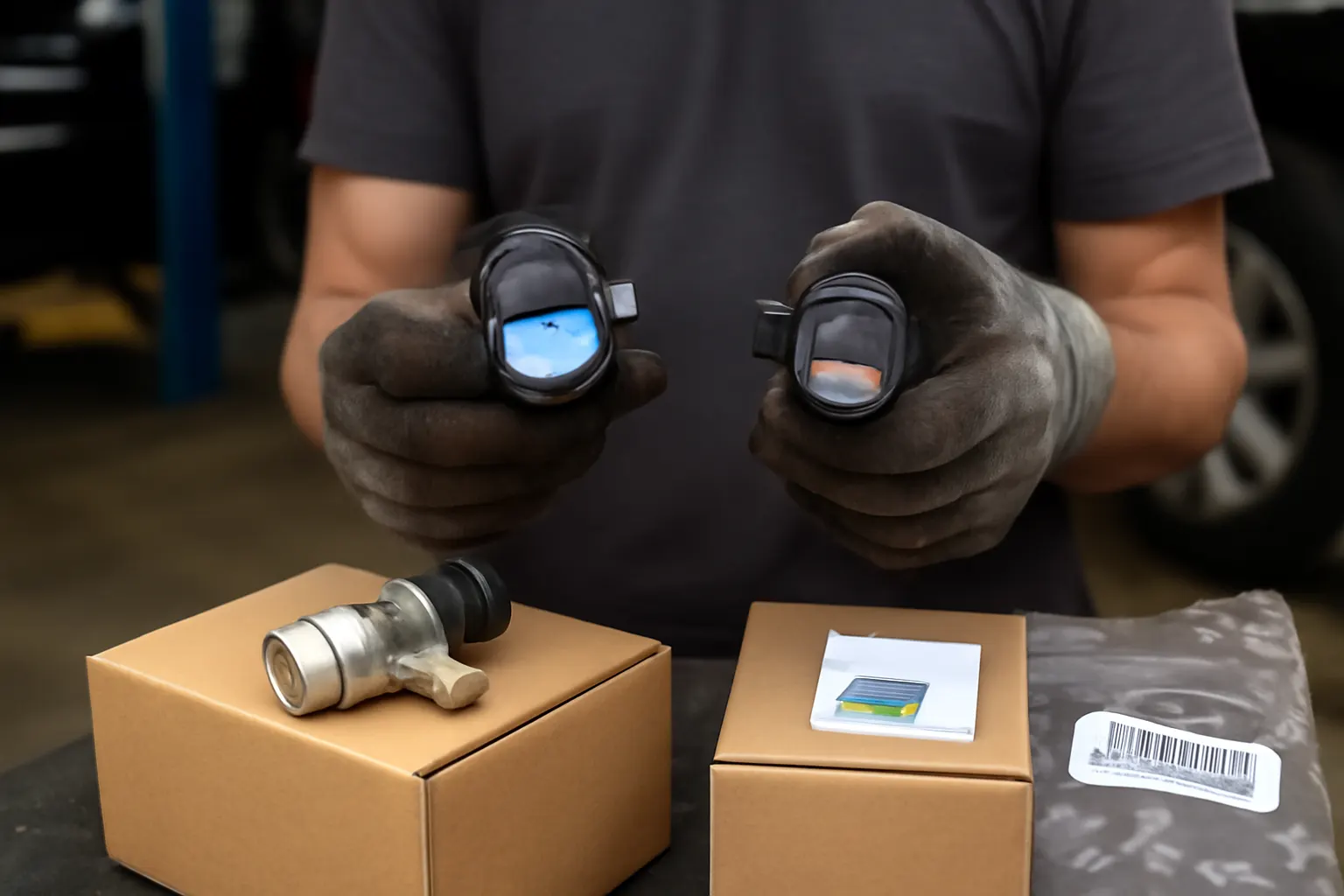
How to Spot Counterfeit Dodge Parts: Visual & Technical Tips
Most Dodge owners and technicians focus on price, fitment, and availability when buying parts. However, the risk of counterfeit parts goes far beyond simple financial loss. Fake components can look nearly identical to OEM parts but are often made from inferior materials, lack proper engineering, and may not meet strict SAE standards or federal safety regulations. The result?
Read More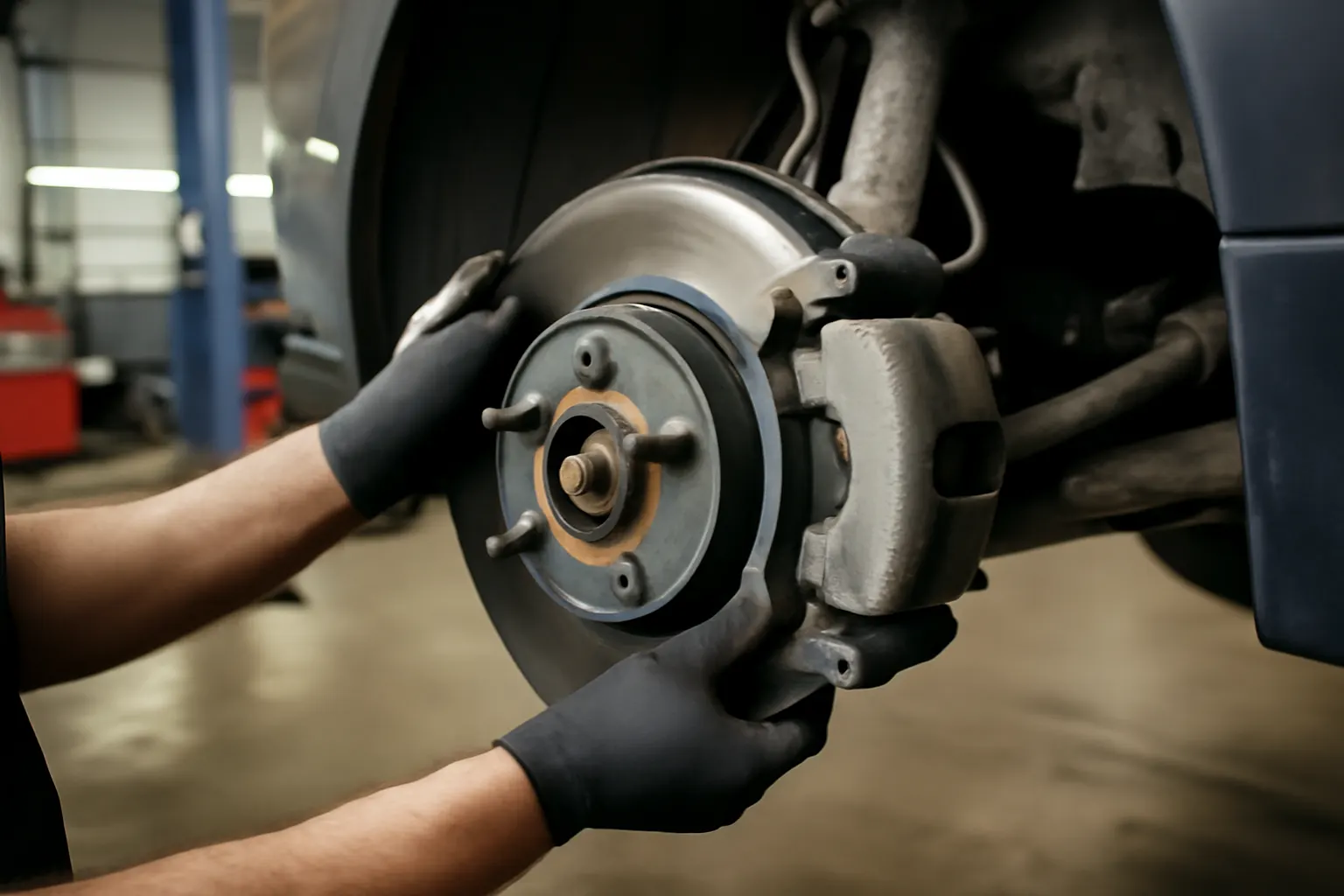
Dodge Recall Trends: What Owners Need to Know
Dodge vehicles, like most major automotive brands, have experienced a range of recalls in recent years. These recalls typically involve critical safety systems—such as airbags, braking components, fuel delivery, and electronic modules—across various model years. Owners should be especially vigilant about the following: Model Years Most Affected: 2011–2020 Dodge models, especially Charger, Challenger, Durango, and RAM-based platforms. Commonly Recalled Components: Airbags (particularly Takata inflators), ABS modules, fuel pumps, powertrain control modules, and electrical harnesses.
Read More
Dodge Platform Cross-Compatibility Guide
Understanding which Dodge, Chrysler, and Jeep components can be interchanged is essential for efficient repairs, cost-effective upgrades, and informed parts sourcing. This comprehensive AutoPartEx guide cuts through the confusion: many Dodge, Chrysler, and Jeep vehicles share platforms and parts, but cross-compatibility isn’t guaranteed. Specific modules, sensors, and electronics often demand unique calibration or reprogramming—even when physical fitment matches. Get the technical clarity you need to swap with confidence, avoid costly mistakes, and support safety and performance.
View Guide