How to Spot Counterfeit Dodge Parts: Visual & Technical Tips
Counterfeit auto parts are a growing threat to vehicle safety, performance, and value—especially for Dodge owners seeking reliable operation from their cars, trucks, and SUVs. Spotting fake Dodge parts is critical: even a single counterfeit component can compromise safety, void manufacturer support, and result in costly repairs or recalls. This guide delivers expert, actionable strategies to help you distinguish genuine Dodge parts from counterfeits, with real-world packaging, hologram, and serial number examples. If you’re sourcing Dodge components for maintenance or upgrades, knowing what to look for is essential. For a full selection of verified Dodge parts, visit our Dodge Parts Catalog and ensure every installation meets OEM standards.
Why Counterfeit Dodge Parts Pose a Hidden Threat
Most Dodge owners and technicians focus on price, fitment, and availability when buying parts. However, the risk of counterfeit parts goes far beyond simple financial loss. Fake components can look nearly identical to OEM parts but are often made from inferior materials, lack proper engineering, and may not meet strict SAE standards or federal safety regulations. The result? Increased risk of part failure, compromised safety systems, and potential involvement in manufacturer recalls that don’t apply to your vehicle due to non-genuine equipment.
The Scope of the Counterfeit Parts Problem
The global auto parts market has been flooded with counterfeit goods, with Dodge being no exception. According to the National Highway Traffic Safety Administration (NHTSA), counterfeit parts have been found in everything from brake pads and airbags to engine sensors and body panels. These parts are often distributed through online marketplaces, unauthorized dealers, and even in-person swap meets. The problem is so pervasive that it’s estimated billions of dollars are lost annually to counterfeit parts, with a direct impact on consumer safety and vehicle reliability.
Commonly Counterfeited Dodge Parts
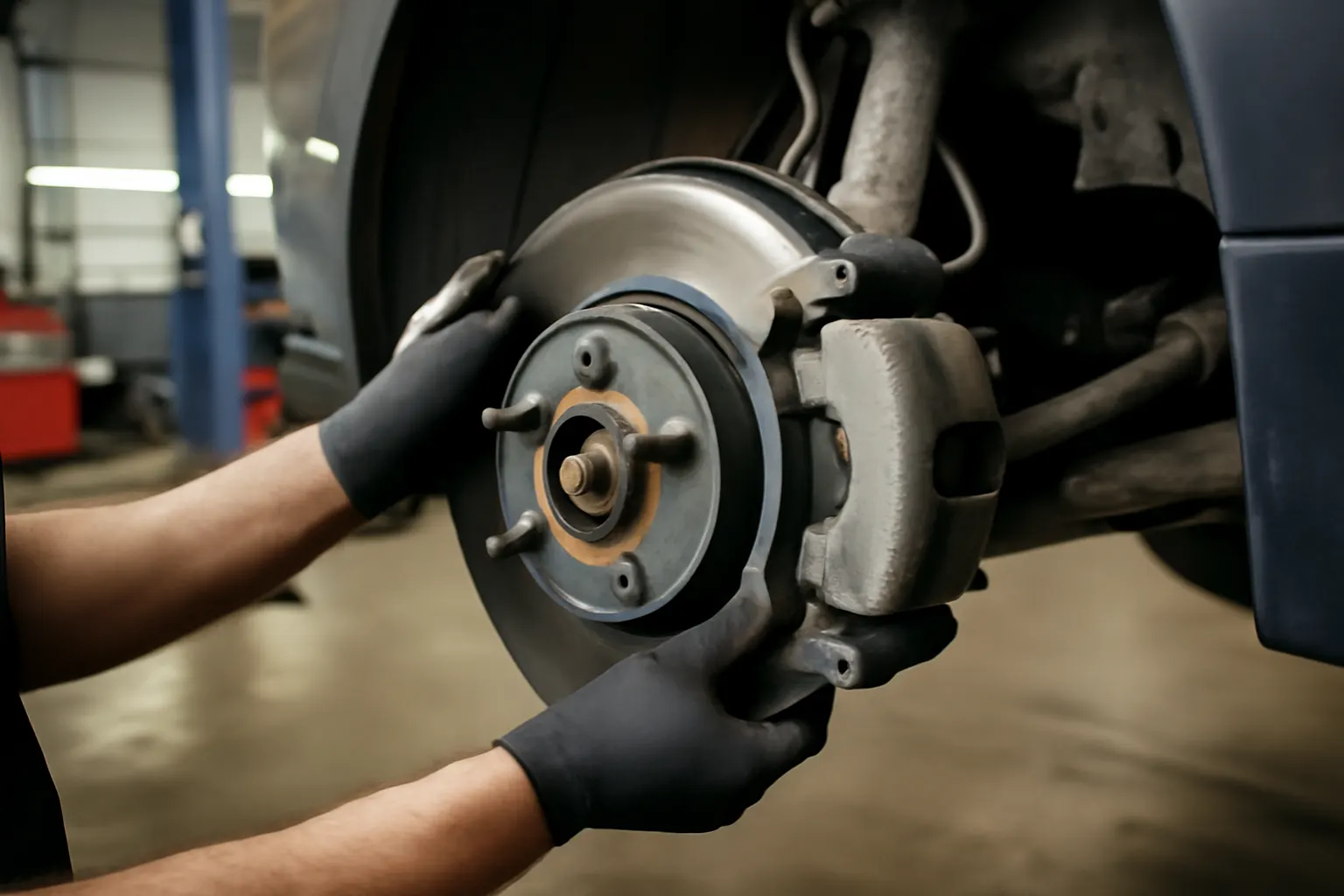
- Brake pads and rotors
- Airbags and safety sensors
- Engine control modules (ECMs)
- Oil filters and fuel filters
- Exterior lighting and lenses
- Emblems, badges, and trim
- Suspension components
The Real-World Consequences of Counterfeit Parts
Counterfeit Dodge parts often fail prematurely or in critical situations. For example, a counterfeit airbag may not deploy properly in a crash, or a fake brake pad may wear out after a fraction of the normal service life. The NHTSA has documented cases where counterfeit parts have led to accidents, injuries, and even fatalities. Beyond safety, using counterfeit parts can negatively affect your Dodge’s fuel efficiency, emissions compliance, and long-term value—especially if the part interacts with vehicle electronics or safety systems.
Visual Inspection: Key Packaging & Labeling Clues
One of the fastest ways to spot a counterfeit Dodge part is by carefully inspecting the packaging and labeling. Genuine Dodge parts are shipped in high-quality, clearly branded packaging. Here’s what to look for:
Packaging Checklist
| Feature | Genuine Dodge Parts | Counterfeit Dodge Parts |
|---|---|---|
| Box Quality | Heavy, sturdy cardboard; crisp printing | Thin, flimsy box; faded or blurry print |
| Logo & Branding | Official Dodge or Mopar logo, consistent colors | Off-color logos, misspellings, inconsistent fonts |
| Part Numbers | Clear, machine-printed, matching Dodge/Mopar format | Missing, hand-written, or odd-format numbers |
| Holograms/Seals | Tamper-evident holograms, security seals, QR codes | No security features or generic stickers |
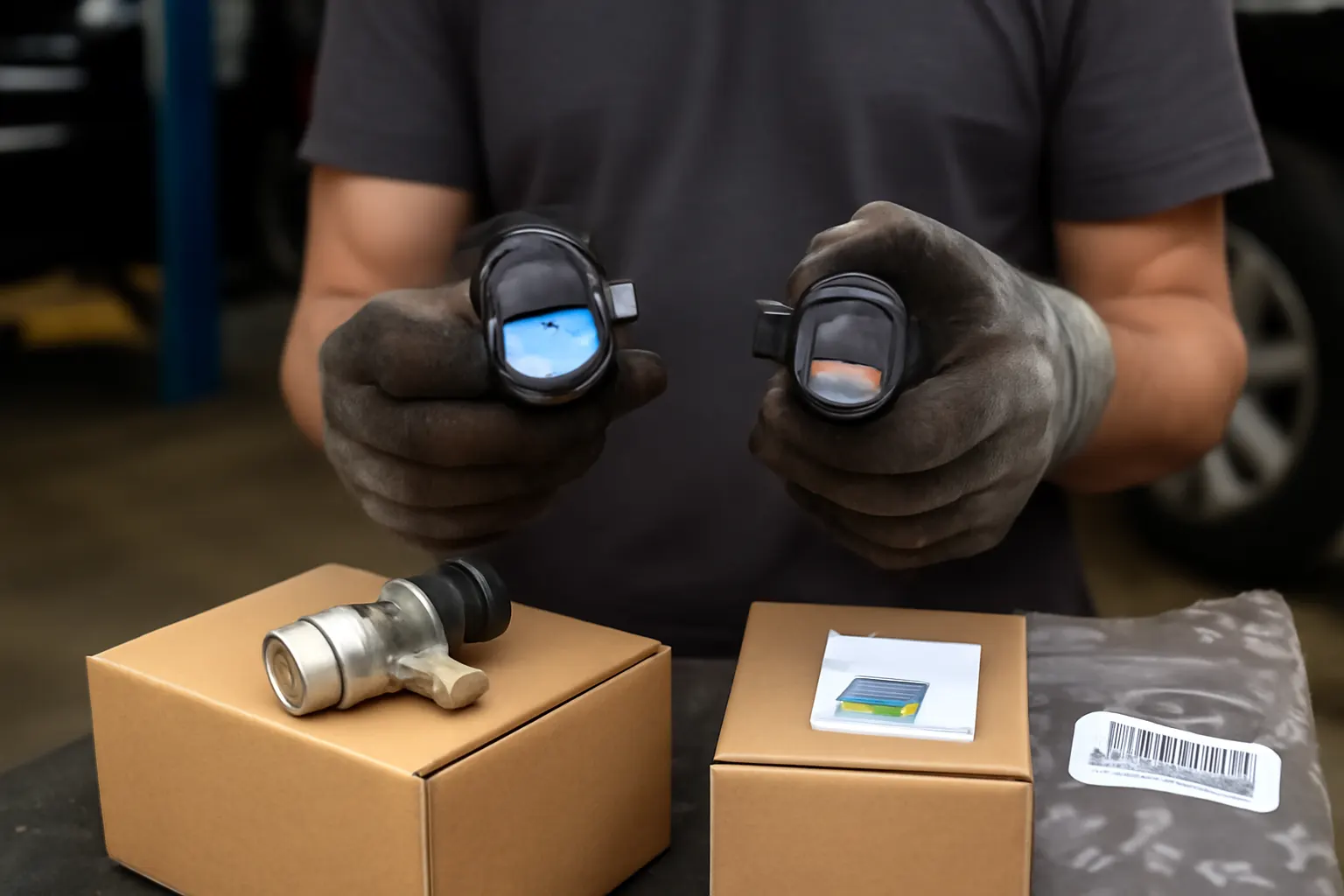
| Barcodes | Clean barcodes that scan to official part numbers | Barcodes that do not scan or link to wrong items |
| Instruction Manuals | Multilingual, clear, with Dodge branding | Poor translations or missing documentation |
Always compare the packaging to a known genuine part or reference image from Dodge’s official parts website or your trusted Dodge OEM & Aftermarket Auto Parts: Technical Reference & Sourcing Guide.
Holograms, Security Seals, and Serial Numbers
Modern Dodge OEM parts often include advanced security features to deter counterfeiting. These may include:
- Holographic Labels: Look for multi-layered holograms with shifting colors and embedded Dodge or Mopar insignia.
- Tamper-Evident Seals: Genuine parts often use seals that irreversibly change appearance when removed.
- Unique Serial Numbers: Each part may have a serial number or QR code that can be checked against Dodge’s official database or scanned with a mobile app.
If a part is missing these features, or if the hologram looks flat, pixelated, or generic, it’s a strong indicator of a counterfeit. Serial numbers should never repeat across multiple packages, and QR codes should resolve to official Dodge or Mopar websites.
Technical Differences: Material Quality and Manufacturing
Counterfeiters often cut corners on materials and manufacturing processes. This is where a trained eye—and sometimes basic testing—can save you from installing a dangerous or low-quality component.
How to Assess Material Quality
- Weight: Counterfeit parts are often lighter due to inferior metals or plastics.
- Finish: Genuine Dodge parts have precise machining, uniform finishes, and no rough edges.
- Markings: OEM components have laser-etched or stamped part numbers, not stickers or inkjet printing.
- Fitment: Counterfeits may have slightly off dimensions, making installation difficult or resulting in poor alignment.
Referencing the United States Department of Energy’s Materials Technologies, genuine parts use advanced alloys, high-grade plastics, and corrosion-resistant coatings—features rarely matched by counterfeiters.
Performance and Safety Testing: The Hidden Risks
Counterfeit Dodge parts do not undergo the rigorous testing required by the manufacturer or the NHTSA. As a result, they may not meet safety, durability, or emissions standards. For example:
- Brake Components: Counterfeit pads may contain substandard friction materials, leading to longer stopping distances or rapid wear.
- Sensors & Electronics: Fake sensors may send incorrect signals, causing warning lights, erratic performance, or even disabling safety systems.
- Filters: Non-genuine filters may fail to trap contaminants, risking engine or transmission damage.
Testing and certification markings—such as DOT, SAE, or Mopar stamps—should be present and match official documentation. If in doubt, cross-check the part number and certification with the Dodge dealer network or the Dodge Parts Catalog.
The Role of Recalls and Safety Bulletins
Counterfeit parts are not subject to manufacturer recalls or safety bulletins. Installing these parts can leave your Dodge outside the scope of crucial updates, and may even mask real issues. Always verify that your VIN and installed parts are eligible for recall coverage by referencing the NHTSA recall database and reviewing Dodge Recall Trends: What Owners Need to Know.
Sourcing: How and Where Counterfeit Parts Enter the Market
Counterfeit Dodge parts are most commonly found in:
- Unauthorized online marketplaces
- Non-affiliated local auto parts stores
- Swap meets and car shows
- “Too good to be true” deals from unknown sellers
When purchasing, always use reputable sources—preferably Dodge dealerships, certified Mopar parts distributors, or trusted online catalogs like the Dodge Parts Catalog. If you’re unsure, ask for proof of authenticity and check the supplier’s reputation.
Checklist: How to Verify a Genuine Dodge Part
Use this step-by-step checklist every time you purchase or install a Dodge part:
- Verify Packaging: Inspect for high-quality materials, correct logos, and consistent branding.
- Check Holograms and Seals: Look for tamper-evident features and multi-layer holograms.
- Scan Serial Numbers/QR Codes: Confirm they resolve to official Dodge/Mopar resources.
- Inspect Part Numbers: Cross-reference with Dodge’s official catalog or technical documentation.
- Assess Material Quality: Check weight, machining, and finish against known genuine parts.
- Look for Certification Markings: Ensure presence of DOT, SAE, or Mopar stamps where applicable.
- Review Documentation: Confirm inclusion of official manuals or installation guides.
- Buy from Trusted Sources: Use only reputable dealers or catalogs.
- Keep Records: Save receipts, packaging, and communication for warranty and recall tracking.
- Report Suspected Counterfeits: Notify Dodge, Mopar, or NHTSA if you suspect a counterfeit.
What to Do If You Suspect a Counterfeit Dodge Part
If you suspect you’ve received or installed a counterfeit part:
- Do Not Install: Avoid using the part if possible.
- Document Everything: Take photos of the packaging, part, and any documentation.
- Contact the Seller: Request proof of authenticity and initiate a return if necessary.
- Report to Authorities: Notify Dodge customer service, Mopar, and the NHTSA.
- Replace with Genuine: Source a verified replacement from an authorized dealer or the Dodge Parts Catalog.
Preventative Steps: Building a Counterfeit-Resistant Sourcing Process
Developing a robust sourcing process protects your Dodge and your investment. Here’s how:
- Centralize Parts Sourcing: Use a single, trusted supplier or network for all Dodge parts needs.
- Maintain a Reference Library: Keep images and documentation of genuine parts for comparison.
- Educate Your Team: Ensure all technicians and buyers are trained in counterfeit detection.
- Schedule Regular Audits: Periodically review inventory for signs of non-genuine stock.
- Leverage Technology: Use bar code scanners and mobile authentication apps to verify parts.
For fleet managers or independent shops, these steps can reduce risk, improve vehicle uptime, and ensure compliance with safety and warranty standards.
Technical Deep Dive: Common Counterfeit Part Examples
Let’s look at three of the most commonly counterfeited Dodge parts and how to distinguish them:
1. Brake Pads
- Genuine: Uniform thickness, precise edge machining, Mopar stamp, high-temperature friction material, correct weight.
- Counterfeit: Uneven thickness, rough edges, inconsistent logo placement, lighter weight, poor friction material.
2. Engine Sensors (e.g., MAP, O2 Sensors)
- Genuine: Laser-etched part number, robust connector, Mopar or Dodge logo, correct pinout.
- Counterfeit: Printed or stickered part number, flimsy connector, missing or blurry logos, pins may not match.
3. Oil Filters
- Genuine: Heavy canister, precise threads, Mopar hologram, high-quality gasket.
- Counterfeit: Lightweight, sloppy threads, generic or missing hologram, cheap gasket that may leak.
Always compare the part in question to a known genuine component before installation.
Impact on Maintenance Intervals and Vehicle Performance
Installing counterfeit parts can disrupt Dodge’s recommended maintenance intervals. For example, a fake oil filter may clog or leak well before the next scheduled change, risking engine damage. Similarly, counterfeit spark plugs or sensors can cause drivability issues, poor emissions, and reduced fuel economy, contradicting Department of Energy fuel efficiency guidelines.
To stay on track, reference the Dodge Maintenance Intervals: Complete Model Reference and always use verified parts to match factory specifications.
Cross-Platform Fitment: Why Genuine Matters
Dodge shares platforms and components with other Stellantis brands. Counterfeiters may exploit this by labeling generic parts as “cross-compatible.” However, only genuine Dodge parts are engineered for precise fitment, safety calibration, and performance. For more on platform compatibility, see the Dodge Platform Cross-Compatibility Guide.
The AutoPartEx Advantage: Trusted Sourcing and Technical Support
AutoPartEx is committed to helping Dodge owners, technicians, and fleet managers source only genuine, safety-certified parts. Our catalog is curated to exclude known counterfeit sources, and our technical support team can assist with part verification, sourcing, and installation guidance. By leveraging our expertise and resources, you minimize risk and maximize vehicle reliability.
We recommend bookmarking the Dodge OEM & Aftermarket Auto Parts: Technical Reference & Sourcing Guide for the latest updates on part numbers, technical bulletins, and sourcing best practices.
References
- Vehicle Safety and Equipment – National Highway Traffic Safety Administration
- Fuel Efficiency – United States Department of Energy
- Materials Technologies – United States Department of Energy
By staying vigilant and informed, you can protect your Dodge from the risks of counterfeit parts—ensuring safety, performance, and peace of mind with every mile.