
Dodge Charger Auto Parts
Essential Considerations for Dodge Charger Auto Parts Selection
When shopping for Dodge Charger auto parts, many buyers overlook crucial steps that can impact safety, reliability, and value. From understanding recall processes to evaluating part types and repair documentation, informed decisions are essential. This guide highlights overlooked considerations, explains the technical context, and provides practical, evidence-based steps for selecting and verifying Dodge Charger parts. Whether you’re a seasoned DIYer or a first-time buyer, these insights can help you avoid costly mistakes and ensure a successful repair or upgrade.
Advertisement
135 Dodge Charger Auto Parts


Advertisement
More Dodge Charger options
Filtering for Dodge ChargerBrowse nearby inventory for this model without leaving the page. Use search to filter by price, part number, or city.
No Data Available
Please check back soon when more inventory is available for this part.
Advertisement
Why Overlooked Steps Matter in Dodge Charger Parts Shopping
Many Dodge Charger owners focus on price or convenience when searching for replacement parts, but there’s a critical aspect that often goes unnoticed: the importance of thorough verification and documentation before making a purchase. In a marketplace filled with various part types and sellers, skipping these steps can lead to compatibility issues, safety concerns, or even wasted money. The process of selecting the right part involves more than matching a model name or year—it requires a careful look at your vehicle’s unique needs and history.
One overlooked consideration is the vehicle’s recall status. While most buyers assume that a part labeled for a Dodge Charger will fit and function properly, recalls and manufacturer updates may affect compatibility or safety. Checking for open recalls is not just a formality; it can reveal critical issues that impact your repair or replacement decision. This is especially important for components related to safety, such as airbags, brakes, or engines.
Another often-missed step is understanding the different categories of auto parts available—new, remanufactured, and salvage. Each comes with its own set of advantages and risks, and knowing which is best suited for your repair can make a significant difference in performance and longevity. By taking the time to verify the right part and understand its origin, you can avoid common pitfalls and ensure your Dodge Charger remains reliable on the road.

Understanding the Challenges in Dodge Charger Part Selection
Selecting the correct auto part for your Dodge Charger is not as straightforward as it might appear. The variety of model years, trim levels, and factory options means that even seemingly identical Chargers can have subtle differences affecting part fitment. Relying solely on catalog listings or seller assurances can result in purchasing a part that doesn’t match your vehicle’s specifications. This complexity is compounded by the fact that many aftermarket and salvage parts are listed with broad compatibility claims that may not account for production changes or recalls.
A key issue arises from the prevalence of recalls and manufacturer updates. According to the National Highway Traffic Safety Administration (NHTSA), recalls are issued when a vehicle or component is found to pose an unreasonable safety risk or fails to meet minimum safety standards. However, recall information is not always reflected in aftermarket part listings, and a part that fits physically may still be subject to a recall or safety notice affecting its use in your Charger. This creates a risk for buyers who do not proactively check their vehicle’s recall status before purchasing or installing a part.
Another challenge is distinguishing between new, remanufactured, and salvage parts. While new parts offer the assurance of unused components, remanufactured and salvage parts can vary widely in quality and history. Salvage parts, for example, are removed from other vehicles and may have unknown wear or exposure to previous recalls. Without proper documentation or verification, buyers may inadvertently install a part that is already compromised or incompatible with their model year.
The lack of standardized warranties and fitment guarantees adds another layer of complexity. As highlighted by the Federal Trade Commission (FTC), there is no universal warranty on auto repairs or parts, and coverage can vary significantly between sellers. This means that buyers must carefully review and understand any offered warranty or return policy before committing to a purchase. Failure to do so can leave you responsible for additional costs if a part fails prematurely or does not fit as expected.
Documentation is also a common stumbling block. Many buyers neglect to obtain or review a written repair estimate, detailed part description, or completed repair order. These documents are essential for tracking the condition to be repaired, the parts used, and the labor performed. Without them, it becomes difficult to resolve disputes, verify compatibility, or maintain an accurate service history for your Dodge Charger. This oversight can have long-term implications for vehicle value and safety.
Finally, the process of diagnosing the root cause of a problem is often rushed or skipped entirely. While it may be tempting to replace a part based on symptoms or online advice, a proper diagnosis—preferably by a technician experienced with Dodge Chargers—can prevent unnecessary repairs and ensure that the correct component is addressed. This step is especially important for complex systems like engines or electronics, where multiple issues can produce similar symptoms.
Practical Steps for Selecting and Verifying Dodge Charger Parts
To navigate these challenges, start by gathering your Dodge Charger’s vehicle identification number (VIN) and consulting the owner’s manual for the recommended maintenance schedule and specifications. The VIN is a unique 17-character code found on your car’s windshield, registration, or insurance card. This number is your key to accurate part selection and recall verification, as it identifies your vehicle’s exact configuration, production date, and any factory-installed options.
Next, use the NHTSA’s online recall lookup tool to check for any open recalls or manufacturer communications related to your Charger. Entering your VIN will provide specific information about unrepaired recalls that may affect your vehicle. If a recall is present, follow the manufacturer’s guidance and have the issue addressed at an authorized dealership before proceeding with additional repairs. This step ensures that you are not installing a part that is subject to a safety notice or manufacturer update.
When considering replacement parts, clarify whether you are purchasing a new, remanufactured, or salvage component. Ask the seller for detailed documentation, including the part’s history, condition, and any previous repairs or recalls. For salvage parts, request information about the donor vehicle and verify that it does not have an unresolved recall affecting the component in question. This diligence helps reduce the risk of installing a compromised or incompatible part.
Obtain a written repair estimate from your chosen shop or technician, as recommended by the FTC. The estimate should clearly identify the condition to be repaired, the parts required, and the anticipated labor charges. For complex or expensive repairs, consider seeking a second opinion—especially if the diagnosis is unclear or the recommended parts are costly. This approach can help you avoid unnecessary expenses and ensure that the correct issue is being addressed.
Before authorizing any work, ask the technician about their experience with Dodge Chargers and the specific repair you need. Experience with your make and model can make a significant difference in diagnostic accuracy and repair quality. If the shop recommends services or parts not listed in your owner’s manual maintenance schedule, ask for a clear explanation and supporting evidence. This step helps you avoid unnecessary upsells and ensures that your Charger receives only the maintenance it truly needs.
After the repair or part installation, request a completed repair order that documents the work performed, parts used, costs, and odometer readings. This record is essential for warranty claims, resale value, and future maintenance planning. It also serves as proof that the repair was performed according to industry standards and can help resolve any disputes with the seller or repair shop.
If you are purchasing a part online or from a salvage yard, compare the seller’s return and warranty policies. Understand the coverage offered and get any promises in writing. Since there is no standard warranty on auto repairs or parts, as noted by the FTC, this step is crucial for protecting your investment and ensuring recourse if the part fails or does not fit as described.
Finally, maintain a regular schedule of recall and maintenance checks. The NHTSA recommends checking for recalls at least twice a year and registering your vehicle to receive recall alerts. Staying proactive about safety notices and maintenance can help you catch issues early, avoid unsafe repairs, and keep your Dodge Charger running reliably for years to come. For more information and model-specific parts, visit our dedicated Dodge Charger page.
Published Evidence on Recall Checks, Part Types, and Documentation
The National Highway Traffic Safety Administration (NHTSA) provides a comprehensive process for identifying and managing vehicle recalls in the United States. According to NHTSA, every vehicle has a unique VIN that can be used to check for open recalls affecting that specific car. The agency emphasizes that searching by VIN is the most accurate way to determine if your Dodge Charger requires a recall-related repair, as model-year or general searches only provide broad results. This evidence underscores the importance of VIN-based verification when selecting parts, as it ensures that you are not installing a component subject to an unresolved safety issue. The NHTSA also clarifies that recall information is updated continuously, and owners should check regularly to stay informed about new or pending recalls NHTSA: Vehicle Recalls.
NHTSA’s recall process involves several steps: complaints, investigations, and recall management. When multiple owners report similar issues, NHTSA may open an investigation and, if warranted, recommend a recall to the manufacturer. Manufacturers are then required to notify owners and provide a remedy—such as repair, replacement, or refund—at no cost. This process ensures that known safety defects are addressed systematically. However, NHTSA also notes that recalls more than 15 years old may not be included in their database, and some recently announced recalls may not yet be linked to all affected VINs. This limitation highlights the need for ongoing vigilance and direct communication with manufacturers or authorized dealers for the most current information NHTSA: Vehicle Recalls.
The Federal Trade Commission (FTC) offers detailed guidance on auto repair basics, emphasizing the importance of written documentation and consumer awareness. The FTC advises obtaining a written repair estimate that identifies the condition to be repaired, the parts needed, and anticipated labor charges. This recommendation is particularly relevant for Dodge Charger owners dealing with complex or expensive repairs, as it provides a clear record of the work to be performed and helps prevent misunderstandings or disputes. The FTC also suggests seeking a second opinion for major repairs and verifying the technician’s experience with your vehicle make and model FTC: Auto Repair Basics.
The FTC distinguishes between new, remanufactured, and salvage parts, noting that salvage parts are removed from other vehicles without alteration. This distinction is crucial for Dodge Charger owners considering used or recycled components, as salvage parts may have unknown histories or exposure to previous recalls. The FTC’s guidance does not establish failure rates or specific risks for Dodge Charger parts, but it does highlight the importance of asking for documentation and understanding the origin of any part you purchase. This evidence supports the recommendation to verify the donor vehicle’s history and recall status before installing a salvage part FTC: Auto Repair Basics.
Neither the NHTSA nor the FTC provides specific technical specifications or service intervals for Dodge Charger parts. Instead, both agencies emphasize the importance of following the manufacturer’s maintenance schedule as outlined in the owner’s manual. The FTC specifically advises comparing shop recommendations with the official schedule and asking for justification if extra services are proposed. This approach ensures that your Charger receives only the maintenance it needs and helps prevent unnecessary or redundant repairs FTC: Auto Repair Basics.
The FTC also clarifies that there is no standard warranty on auto repairs or parts, and coverage can vary widely between sellers. This means that Dodge Charger owners must be proactive in understanding and documenting any warranty or return policy offered by a seller or repair shop. Getting warranty terms in writing is essential for protecting your investment and ensuring recourse if a part fails or does not fit as described. The FTC’s guidance applies broadly to all vehicles and does not guarantee fitment or coverage for any specific Dodge Charger part FTC: Auto Repair Basics.
In summary, the published evidence from NHTSA and FTC establishes a clear framework for safe and informed auto part selection: verify recall status using your VIN, obtain written documentation for all repairs and purchases, understand the differences between part types, and review warranty or return policies carefully. While these sources do not provide Dodge Charger-specific technical data or failure statistics, their guidance is directly relevant to the challenges and solutions outlined in this guide. By following these evidence-based steps, you can minimize risk and make confident decisions when selecting parts for your Dodge Charger.
Take the Next Step Toward Reliable Dodge Charger Repairs
Armed with these insights and evidence-based recommendations, you are ready to make informed decisions when selecting and verifying Dodge Charger auto parts. Begin by checking your vehicle’s recall status, gathering detailed documentation, and clarifying warranty terms before purchasing or installing any component. For more model-specific information and a curated selection of parts, visit our Dodge Charger page. Stay proactive, and keep your Charger running safely and reliably for years to come.
References
- NHTSA: Vehicle Recalls
- FTC: Auto Repair Basics
References
- NHTSA: Vehicle Recalls - NHTSA, accessed 2026-11-01
- FTC: Auto Repair Basics - FTC, accessed 2026-11-01
Related Guides & Articles

Dodge Maintenance Intervals: Complete Model Reference
Dodge vehicles, from muscle cars to versatile SUVs, are engineered for durability and performance. However, even the most robust designs require periodic inspection, adjustment, and replacement of wear-prone parts. Ignoring maintenance intervals leads to increased risk of breakdowns, compromised safety, and expensive repairs. The National Highway Traffic Safety Administration (NHTSA) emphasizes that neglecting scheduled maintenance is a leading contributor to roadside failures and safety recalls . Despite clear manufacturer guidelines, many Dodge owners either overlook or misinterpret recommended intervals.
View Guide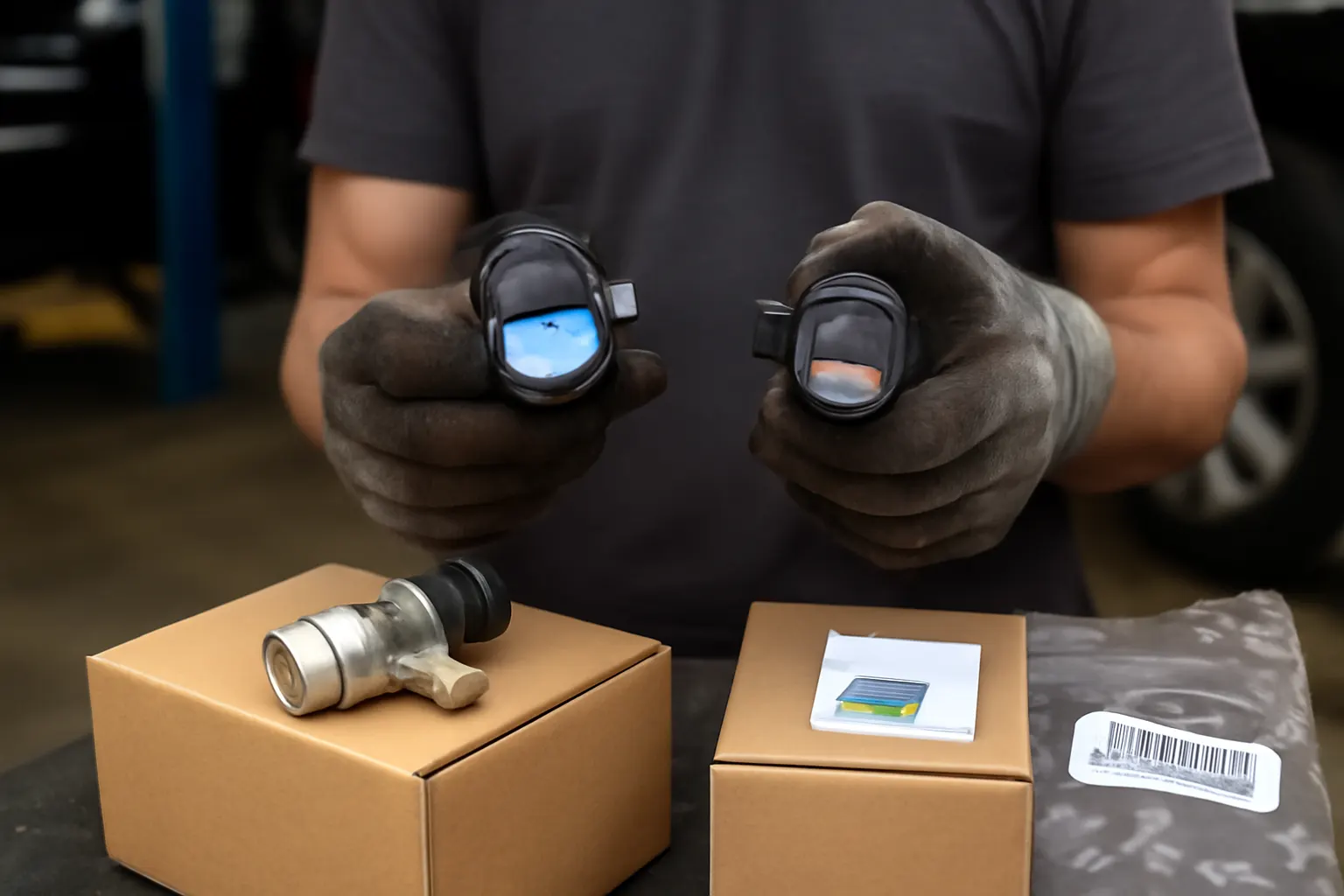
How to Spot Counterfeit Dodge Parts: Visual & Technical Tips
Most Dodge owners and technicians focus on price, fitment, and availability when buying parts. However, the risk of counterfeit parts goes far beyond simple financial loss. Fake components can look nearly identical to OEM parts but are often made from inferior materials, lack proper engineering, and may not meet strict SAE standards or federal safety regulations. The result?
Read More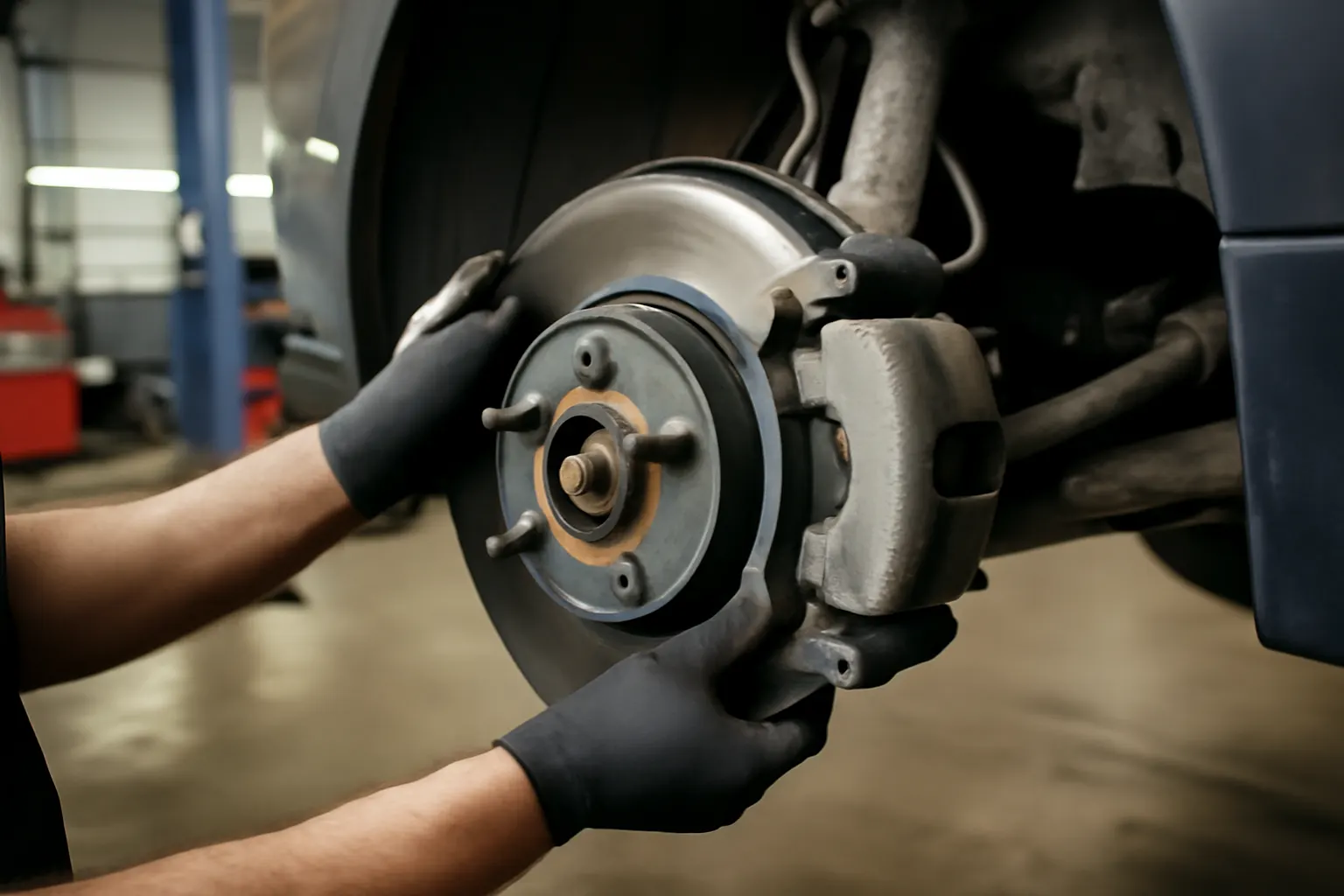
Dodge Recall Trends: What Owners Need to Know
Dodge vehicles, like most major automotive brands, have experienced a range of recalls in recent years. These recalls typically involve critical safety systems—such as airbags, braking components, fuel delivery, and electronic modules—across various model years. Owners should be especially vigilant about the following: Model Years Most Affected: 2011–2020 Dodge models, especially Charger, Challenger, Durango, and RAM-based platforms. Commonly Recalled Components: Airbags (particularly Takata inflators), ABS modules, fuel pumps, powertrain control modules, and electrical harnesses.
Read More
Dodge Platform Cross-Compatibility Guide
Understanding which Dodge, Chrysler, and Jeep components can be interchanged is essential for efficient repairs, cost-effective upgrades, and informed parts sourcing. This comprehensive AutoPartEx guide cuts through the confusion: many Dodge, Chrysler, and Jeep vehicles share platforms and parts, but cross-compatibility isn’t guaranteed. Specific modules, sensors, and electronics often demand unique calibration or reprogramming—even when physical fitment matches. Get the technical clarity you need to swap with confidence, avoid costly mistakes, and support safety and performance.
View Guide