
BMW 135i Auto Parts
BMW 135i Auto Parts: Comprehensive Model Parts Guide & Service Insights
The BMW 135i, produced from 2007 to 2013 as part of the E82/E88 1 Series lineup, stands as a compact performance coupe and convertible that redefined BMW’s entry-level market. With its powerful turbocharged inline-six engines and dynamic rear-wheel-drive platform, the 135i has become a sought-after enthusiast model—celebrated for its balanced chassis and robust tuning potential. As these vehicles age, sourcing the right replacement parts and maintaining OEM standards is vital for reliability, safety, and driving enjoyment. This page is your technical guide to BMW 135i auto parts, fitment, and service essentials.
Owners and newcomers to the BMW 135i may overlook critical factors that impact long-term ownership. While the 135i is known for its exhilarating performance, its unique platform-specific components—such as specialized suspension hardware, high-output braking systems, and direct-injection engine parts—can present unexpected challenges. Scarcity of genuine parts, evolving supplier networks, and subtle generational changes between pre-LCI and LCI (facelift) models mean that not all parts are interchangeable, and incorrect sourcing can lead to fitment headaches or compromised performance. Age-related risks, such as turbocharger oil leaks, plastic cooling system fatigue, and high-pressure fuel pump degradation, are often not obvious until they cause significant issues. Understanding these hidden risks is critical for maintaining the 135i’s distinctive driving character.
Common issues for the BMW 135i stem from its advanced mechanical design and premium material choices. Turbocharged N54 and N55 engines are prone to carbon buildup, injector failure, and high-pressure fuel pump (HPFP) malfunctions, particularly in models exceeding 60,000 miles or with irregular service intervals. The E82/E88 chassis shares some components with other BMW 1 and 3 Series models, but several drivetrain, cooling, and electronics modules are unique to the 135i. This creates compatibility pitfalls when selecting replacement parts—especially for engine peripherals, differential assemblies, and M-Sport package elements. Additionally, model year updates (such as the transition from N54 to N55 engines in 2011) introduced subtle but crucial differences in sensors, harnesses, and mounting points. Aging plastic cooling system parts, such as radiators and expansion tanks, are notorious for sudden failures that can lead to overheating and engine damage. Suspension bushings and control arms also require close inspection due to increased loads from the 135i’s higher output compared to lower-tier 1 Series models.
Addressing the BMW 135i’s unique parts and service needs requires a targeted approach. Begin by referencing your vehicle’s VIN and build date to ensure component compatibility, especially for engine, intake, and electronics parts. For turbocharged engine models, periodic walnut blasting (every 40,000–60,000 miles) is recommended to mitigate carbon buildup—a known issue for direct-injection BMWs. Use OEM or OE-quality replacement parts for critical systems such as the high-pressure fuel pump and turbocharger oil lines to prevent premature failures. Take advantage of detailed technical resources such as Guide Bmw 1 Series Fitment for BMW 1 Series fitment strategies and Article Bmw N54 Vs N55 for insights on N54 versus N55 engine compatibility. Cross-reference real-world service bulletins and recall notices, and always confirm torque specs and part numbers before installation. For hard-to-source components, utilize specialist suppliers and trusted networks like Category Turbo Parts to maintain the 135i’s performance edge.
40 BMW 135i Auto Parts


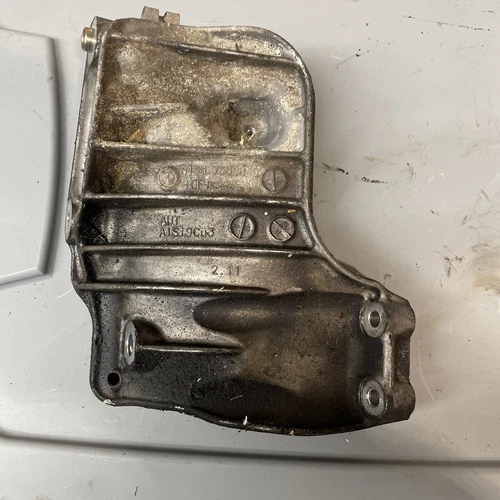

More BMW 135i options
Filtering for BMW 135iBrowse nearby inventory for this model without leaving the page. Use search to filter by price, part number, or city.
No Data Available
Please check back soon when more inventory is available for this part.
BMW 135i: Expert-Level Specs, Service Signals, and AutoPartEx Fitment Solutions
A real-world shop case study documented a late-model N54 135i with persistent long cranks and stalling, ultimately traced to a failing HPFP and outdated software. Replacement with the latest pump revision and reprogramming the DME (engine computer) fully resolved the issue, restoring factory cold start performance.
For every repair or upgrade, always confirm the latest technical service bulletins, parts supercessions, and recall campaigns via trusted sources such as the National Highway Traffic Safety Administration. Use AutoPartEx to compare part numbers, source hard-to-find OEM or OE-quality components, and verify fitment using your VIN. For detailed engine and platform differences, consult Article Bmw N54 Vs N55, and for comprehensive fitment strategies, see Guide Bmw 1 Series Fitment.
AutoPartEx is your technical partner for BMW 135i ownership—whether you need to research platform-specific compatibility, source durable OE replacement parts, or resolve hard-to-diagnose service issues. With VIN-based lookup, expert editorial resources, and proven supplier networks, you can keep your 135i at peak performance for years to come.
Suspension and braking systems are equally critical. The 135i’s M-Sport brakes provide exceptional stopping power but require regular pad and rotor inspection, as well as fluid flushes every two years or 24,000 miles. Suspension components such as control arm bushings, rear subframe bushings, and sway bar links are wear-prone, especially on vehicles subjected to spirited driving or track use. Non-OEM or incorrectly specified parts can adversely affect handling and NVH (noise, vibration, and harshness), so stick to OE or high-quality aftermarket components specifically engineered for the E82/E88 chassis.
Parts sourcing for the 135i is complicated by mid-cycle updates and regional differences. For example, the transition from the N54 to the N55 engine in 2011 changed turbocharger, intake, and exhaust layouts, making cross-compatibility with earlier models very limited. Electronic modules, sensors, and wiring harnesses can differ even within the same production year, highlighting the importance of using your vehicle’s VIN for parts look-up. Some hard-to-find components—such as M-Sport body panels, limited-slip differentials, and specific DCT transmission parts—may require sourcing from specialist suppliers or salvage vehicles. For recalls and safety issues, always consult the National Highway Traffic Safety Administration’s recall database.
Lastly, always document service history and part numbers used for future reference. This not only aids in troubleshooting future issues but also maintains the vehicle’s value and performance integrity.
BMW 135i At-a-Glance: Practical Service & Sourcing Tips
Engine and Drivetrain Care
Perform oil changes every 5,000–7,500 miles and replace spark plugs every 40,000 miles. For N54/N55 engines, schedule walnut blasting at 40,000–60,000-mile intervals to prevent carbon buildup and power loss.
Cooling System Maintenance
Inspect and replace plastic cooling system components—radiator, expansion tank, water pump—every 70,000 miles. Sudden failure is common and can lead to severe engine damage if not addressed proactively.
Suspension and Brakes
Annual inspection of control arm bushings, rear subframe mounts, and M-Sport brakes is recommended. Brake fluid should be flushed every 24,000 miles or two years to maintain pedal feel and prevent internal corrosion.
Parts Sourcing and Fitment
Use your VIN for all parts lookups. Confirm compatibility for engine, electronics, and chassis components—especially between pre-LCI/LCI and N54/N55 models. Source through trusted suppliers like AutoPartEx for hard-to-find parts.
References
- Vehicle, Car Seat, Tire, and Equipment Recalls - National Highway Traffic Safety Administration, accessed 2024-06-15Used for recall data, safety campaigns, and model-specific service bulletins.
- Fuel Efficiency - United States Department of Energy, accessed 2024-06-15Referenced for engine efficiency, maintenance, and fuel system guidance.
- Materials Technologies - United States Department of Energy, accessed 2024-06-15Provided context for BMW’s materials selection in cooling and suspension systems.
Related Guides & Articles

Bmw 1 Series Fitment
Get the complete breakdown of BMW 1 Series fitment challenges, including tips for sourcing hard-to-find parts and avoiding compatibility issues across E82/E88 models. Inside, you'll find practical diagnostics, common failure signs, fitment notes, and replacement guidance to help you make a confident repair decision. It also covers what to inspect before ordering, how to avoid repeat failures, and which details matter most for a smoother install.
View Guide
Bmw N54 Vs N55
Dive into the technical differences between BMW’s N54 and N55 engines and learn how these impact parts selection and long-term reliability. Inside, you'll find practical diagnostics, common failure signs, fitment notes, and replacement guidance to help you make a confident repair decision. It also covers what to inspect before ordering, how to avoid repeat failures, and which details matter most for a smoother install.
Read More
Bmw Turbo Parts
Get expert advice on sourcing turbocharger components for BMW performance models, with an emphasis on fitment, longevity, and real-world service data. Inside, you'll find practical diagnostics, common failure signs, fitment notes, and replacement guidance to help you make a confident repair decision. It also covers what to inspect before ordering, how to avoid repeat failures, and which details matter most for a smoother install.
View Guide
Bmw 135i Maintenance Case Study
See how regular maintenance and proactive service can extend the life of your BMW 135i, featuring case studies from independent shops. Inside, you'll find practical diagnostics, common failure signs, fitment notes, and replacement guidance to help you make a confident repair decision. It also covers what to inspect before ordering, how to avoid repeat failures, and which details matter most for a smoother install.
Read More