
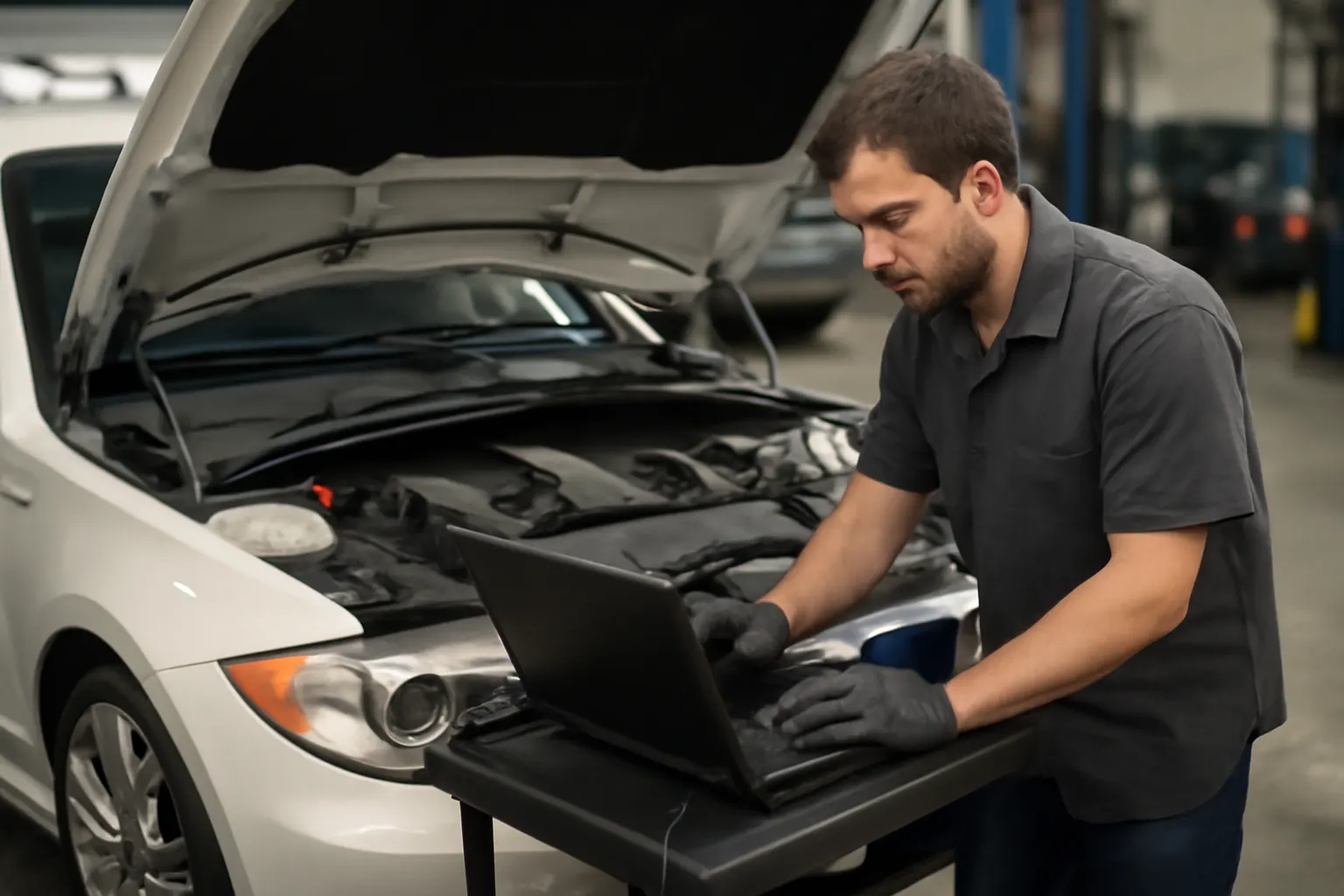
Bmw 135i Maintenance Case Study
BMW’s 135i is a performance compact that rewards its owners with engaging dynamics and turbocharged power—but only if it’s maintained to high standards. Regular maintenance and proactive service interventions are not just recommended; they are essential for extending the life, performance, and safety of your BMW 135i. This case study-driven guide reveals how real-world independent shops successfully keep these vehicles running strong, while also providing step-by-step maintenance insights, common pitfalls, and expert recommendations. If you’re looking for a deep dive into BMW 135i longevity, this article is your roadmap to trouble-free ownership.
For a full breakdown of compatible parts and service intervals, see our BMW 135i Auto Parts: Comprehensive Model Parts Guide & Service Insights for additional technical resources and fitment data.
Why Proactive Maintenance Matters for the BMW 135i
The BMW 135i, particularly models equipped with the N54 or N55 turbocharged engines, is engineered for performance but also demands rigorous upkeep. Owners and independent BMW specialists consistently report that timely maintenance can prevent expensive failures, maintain peak efficiency, and ensure safety compliance per NHTSA standards[^1]. The 135i’s advanced components—such as its direct injection system, twin-scroll turbos, and complex electronics—make it more sensitive to neglect than simpler, naturally aspirated vehicles.
Immediate answer: Addressing scheduled service items and known weak points before symptoms appear is the single most effective way to extend the life of your 135i and prevent catastrophic failures.
Hidden Problem: Deferred Maintenance and the Domino Effect
Many 135i owners, especially those buying used, inherit vehicles with incomplete service histories. Deferred maintenance is not just about worn brakes or overdue oil changes; it often leads to a cascade of failures. For example, a neglected high-pressure fuel pump (HPFP) can stress injectors and turbos, while worn cooling components can cause engine overheating, risking head gasket failure or worse.
What’s often missed: The cumulative effect of skipped intervals or cheap replacement parts can undermine both performance and safety, potentially triggering issues that aren’t immediately apparent but can be costly down the line.
Understanding the BMW 135i’s Unique Service Demands
Turbocharged Engine Complexity
Both the N54 (twin-turbo, 2007–2010) and N55 (single twin-scroll turbo, 2011–2013) engines are celebrated for their tuning potential and power delivery. However, their forced induction systems, direct injection, and lightweight construction (see DOE’s materials research[^4]) require strict adherence to service intervals and premium fluids.
- Direct Injection Carbon Build-Up: The high-pressure injection system is prone to intake valve carbon build-up, which can cause rough idle, misfires, and reduced efficiency.
- Turbocharger Care: Turbos are sensitive to oil quality and cooling system health; neglect can lead to oil coking and turbo failure.
Electronics and Sensors
Modern BMWs, including the 135i, rely on a network of sensors (O2, MAP, MAF, etc.) and electronic modules. A single failing sensor can trigger limp mode, poor fuel economy, or emissions issues.
Cooling System Sensitivity
BMW’s plastic cooling system components (radiator, expansion tank, water pump) are notorious for becoming brittle with age and heat cycles. Overheating is a leading cause of engine failure in these models.
Independent Shop Case Studies: Real-World Maintenance Wins
Case Study 1: 2009 BMW 135i (N54) – 120,000 Miles, Zero Major Failures
Background: This 135i, serviced exclusively at a BMW-specialized independent shop, followed a strict maintenance protocol—oil changes every 5,000 miles (full synthetic, BMW LL-01 approved), coolant flushes every 3 years, and proactive replacement of known weak points like the water pump and thermostat.
- Outcome: No turbo, HPFP, or injector failures by 120,000 miles. Intake valves walnut-blasted at 60,000 and 100,000 miles, preventing carbon-related misfires.
- Key Takeaway: Early intervention on cooling and fuel systems, plus premium fluids, dramatically reduces the risk of catastrophic failure.
Case Study 2: 2012 BMW 135i (N55) – Deferred Maintenance, Costly Repairs
Background: Second-owner vehicle with gaps in the service record. The owner delayed replacing the water pump at 85,000 miles, despite warning signs (intermittent overheating).
- Outcome: Sudden water pump failure at 92,000 miles led to overheating, warped cylinder head, and a $4,500 repair bill.
- Key Takeaway: Ignoring early symptoms and recommended intervals can quickly escalate into engine damage.
Case Study 3: 2011 BMW 135i – Proactive Electronics Diagnostics
Background: Shop performed annual diagnostics on all modules and sensors, catching a failing O2 sensor and battery before they triggered drivability issues.
- Outcome: Owner experienced no check engine lights or limp mode in five years, maintaining factory-level fuel efficiency.
- Key Takeaway: Regular electronic diagnostics prevent minor issues from becoming major repairs and preserve performance.
The Core Maintenance Schedule: What Every 135i Needs
A disciplined maintenance schedule is the backbone of BMW 135i longevity. Below is a checklist distilled from BMW’s severe service schedule and independent shop best practices:
BMW 135i Core Maintenance Checklist
| Interval | Task | Notes |
|---|---|---|
| Every 5,000 mi | Oil & filter change (LL-01 synthetic) | More frequent than BMW’s OE interval; protects turbos |
| Every 10,000 mi | Cabin & engine air filter replacement | Prevents MAF/MAP sensor contamination |
| Every 20,000 mi | Brake fluid flush | Maintains braking safety per NHTSA guidelines[^1] |
| Every 30,000 mi | Transmission service (ATF & filter or DCT fluid) | Not “lifetime”—fluid degrades, especially with hard use |
| Every 40,000 mi | Spark plugs (OE or better) | Misfires common if neglected |
| Every 50,000 mi | Walnut blasting intake valves (N54/N55) | Essential for DI engines |
| Every 60,000 mi | Coolant flush; inspect water pump/thermostat | Replace if showing signs of leakage or weak flow |
| Every 70,000 mi | HPFP, injectors, and coils inspection | Replace if any symptoms or codes present |
| Annually | Comprehensive electronic diagnostics | Prevents sensor/module failures |
| As needed | Tire rotation, alignment, and inspection | Ensures safety and even wear |
Tip: Always verify parts compatibility and fitment before purchase. See Bmw 1 Series Fitment for cross-model component details.
Diagnosing Common BMW 135i Problems Before They Escalate
Early Warning Signs
- Rough Idle or Misfire: Can indicate carbon build-up, bad coils, or failing injectors.
- Intermittent Overheating: Usually points to a weak electric water pump or failing thermostat.
- Turbo Whine or Smoke: Oil coking or bearing failure may be developing in the turbochargers.
- Check Engine Light (CEL): Always scan for codes; common for O2 sensor, HPFP, or VANOS issues.
Diagnostic Approach
- OBD-II Scan: Always start with a scan for stored or pending codes.
- Visual Inspection: Look for coolant leaks, oil seepage, and brittle hoses.
- Live Data Monitoring: Use a BMW-specific scanner to monitor fuel trims, boost pressure, and sensor voltages.
- Performance Testing: Check for lag, surging, or hesitation under load.
Expert insight: Many issues manifest gradually. Annual diagnostics and attentive driving are your best defense.
Sourcing Quality BMW 135i Parts: What to Look For
Quality parts are vital for maintaining safety, reliability, and compliance with federal standards[^1]. Here’s how independent shops and experienced owners source the right components:
OE vs. Aftermarket: Making the Right Choice
- OE (Original Equipment): Matches factory specs; ideal for critical systems (fuel, cooling, electronics).
- OEM (Original Equipment Manufacturer): Made by the same suppliers as BMW, often at a lower cost.
- Aftermarket: Can be cost-effective for non-critical parts (filters, bushings), but always verify quality.
Safety and Recalls
Always check for open recalls or safety campaigns before purchasing used vehicles or parts. The NHTSA maintains a searchable database for vehicle and equipment recalls[^2].
Fitment Verification
Use VIN-specific lookup tools, or reference BMW 135i Auto Parts: Comprehensive Model Parts Guide & Service Insights for part numbers and compatibility notes.
Turbocharger and Fuel System Maintenance: The BMW 135i’s Lifeline
Turbocharger Care
- Oil Quality: Always use BMW-approved synthetic oils. Turbochargers are highly sensitive to oil breakdown.
- Cool-Down Protocol: Let the engine idle for 30–60 seconds after spirited driving to prevent oil coking.
- Boost Leak Checks: Inspect charge pipes and intercooler connections for cracks or loose clamps.
Fuel System Upkeep
- High-Pressure Fuel Pump (HPFP): Replace at first sign of long cranking or misfires. N54 models are especially prone to early failure.
- Injector Coding: When replacing injectors, ensure they are coded to the ECU for proper operation.
- Intake Valve Cleaning: Walnut blasting every 50,000 miles prevents power loss and rough running.
Cooling System Overhaul: Preventing Overheating Catastrophes
BMW’s cooling systems are a known weak point. Here’s how to stay ahead:
- Water Pump & Thermostat: Replace at 60,000–80,000 miles, or sooner if codes or overheating occurs.
- Radiator & Expansion Tank: Inspect for cracks, leaks, or discoloration during every oil change.
- Coolant Choice: Use only BMW-approved coolant to prevent corrosion and maintain system longevity.
Pro tip: Consider replacing all plastic cooling components at once to avoid sequential failures.
Electronics, Sensors, and Coding: Keeping the 135i Running Smooth
Modern BMWs require more than just mechanical upkeep.
- Battery Registration: Replacing the battery? Register it with the car’s computer to avoid electrical gremlins.
- Sensor Health: O2, MAF, MAP, and wheel speed sensors are critical for performance and safety. Replace as soon as faults are detected.
- Software Updates: Periodically check for ECU and module updates that address known bugs or improve drivability.
Brakes, Tires, and Suspension: Safety First
The BMW 135i’s performance potential means its safety systems must be in top shape.
- Brake Fluid: Flush every 20,000 miles to ensure fade-free stopping and compliance with NHTSA safety recommendations1.
- Pads and Rotors: Inspect for uneven wear or cracking. Use OE or high-quality aftermarket components.
- Tires: Stick to manufacturer-recommended sizes and ratings. Regular rotation and alignment preserve handling and safety.
Fuel Efficiency and Drivability: Maintaining Peak Performance
Proper maintenance directly impacts fuel efficiency and driving enjoyment. According to the U.S. Department of Energy2, well-maintained engines, clean fuel systems, and correct tire pressure are key to maximizing MPG.
- Spark Plugs: Worn plugs reduce efficiency and can cause misfires.
- Air Filters: Clogged filters force the engine to work harder, reducing performance and MPG.
- Tire Pressure: Check monthly; underinflation is a leading cause of poor fuel economy.
Upgrades and Modifications: Maintenance Impacts
Many 135i owners opt for performance upgrades—intakes, exhausts, ECU tunes, or turbo upgrades. While these can enhance the driving experience, they also increase the importance of regular maintenance:
- Shortened Intervals: Higher boost or power levels stress components; increase oil change and inspection frequency.
- Aftermarket Parts: Use only reputable brands and verify compatibility. See Bmw Turbo Parts for upgrade guidance.
- Professional Tuning: Avoid generic tunes; a professional dyno tune ensures reliability and safety.
The Role of Recalls and Safety Campaigns
Before buying or servicing a 135i, always check for open recalls. Some models have been subject to fuel pump, airbag, and sensor recalls. Checking the NHTSA recall database ensures your vehicle is up to date on critical safety repairs.
AutoPartEx: Your Trusted BMW 135i Maintenance Resource
AutoPartEx connects BMW 135i owners and shops with the highest quality parts, fitment data, and technical guidance. Whether you’re sourcing OE cooling components, troubleshooting electronics, or planning a full maintenance overhaul, our platform delivers verified information and real-world expertise.
- Comprehensive Guides: Access our BMW 135i Auto Parts: Comprehensive Model Parts Guide & Service Insights for detailed fitment, part numbers, and service intervals.
- Fitment Confidence: Our Bmw 1 Series Fitment resource helps eliminate guesswork when sourcing parts across 1 Series models.
- Technical Depth: Explore our Bmw N54 Vs N55 article for engine-specific maintenance nuances.
For advanced diagnostics, part sourcing, or shop referrals, rely on AutoPartEx’s network to keep your 135i performing at its best.
Expert Action: What to Do Next
- Audit Your Maintenance History: Review your 135i’s service records. Address any deferred items immediately.
- Schedule Diagnostics: Run a full OBD-II scan and visual inspection—especially if you’re new to BMW ownership or have recently purchased a used 135i.
- Proactively Replace Weak Points: Don’t wait for symptoms. Address water pumps, thermostats, HPFPs, and electronic sensors at recommended intervals.
- Partner with Specialists: Choose independent BMW shops with a proven track record for turbocharged models.
- Stay Informed: Monitor recalls and technical bulletins via NHTSA and BMW channels.
Proactive, informed care is the difference between a trouble-prone BMW 135i and one that delivers years of reliable, thrilling performance.
References
- Vehicle Safety and Equipment – National Highway Traffic Safety Administration
- Vehicle, Car Seat, Tire, and Equipment Recalls – National Highway Traffic Safety Administration
- Fuel Efficiency – United States Department of Energy
- Materials Technologies – United States Department of Energy
- SAE Standards – SAE International