
Amc Ambassador Rear Backing Plate Parts
AMC Ambassador Rear Backing Plate – Fitment, Failure Patterns, and Expert Replacement Guidance
The AMC Ambassador rear backing plate forms the backbone of your classic Ambassador’s rear drum brake system, securing brake shoes, wheel cylinders, and hardware in precise alignment. Its role goes beyond mounting: it preserves the critical geometry needed for safe, responsive braking. Across the AMC Ambassador’s multi-decade production run, rear backing plate design shifted with changing axle types, brake specifications, and trim levels. Whether you’re restoring a 1960s DPL, maintaining a 1970s base sedan, or servicing a heavily-optioned wagon, understanding these technical nuances is essential to selecting the right rear backing plate, ensuring long-term reliability and performance.
Hidden risks in AMC Ambassador rear backing plate selection stem from unrecognized changes in axle and brake system design across model years, trims, and engine configurations. Differences in bolt patterns, plate offset, and parking brake cable routing can be subtle yet critical—creating headaches if discovered only during installation. The scarcity of NOS (New Old Stock) and precision reproduction parts means many available backing plates may be incorrectly labeled or poorly documented, particularly for V8 or heavy-duty axles. Furthermore, improper installation—such as reusing worn mounting hardware or failing to follow torque specs—can result in compromised brake operation, hardware fatigue, or even system failure. Without careful verification, owners risk wasted time, added costs, and diminished safety.
Failure patterns unique to AMC Ambassador rear backing plates predominantly stem from corrosion, especially in vehicles exposed to road salt or long-term storage in humid environments. Rust can lead to thinning of the plate, elongated or deformed mounting holes, and eventual plate warping or cracking. These issues may not be immediately apparent, as early symptoms—like uneven brake shoe wear, noise, or a soft brake pedal—can mimic other brake problems. Complicating diagnosis is the fact that AMC issued multiple running changes to backing plate dimensions and hardware attachment points, particularly during the transition from 9-inch to 10-inch brakes and with the introduction of higher-output engines (343, 360, 401 V8s). Some Ambassadors with towing or police packages received special plates with reinforced anchor points. Diagnostic diligence—removing the drum, measuring plate thickness, and checking for warping or hole deformation—is required to avoid misdiagnosis and to select the correct replacement part.
To ensure a precise and safe AMC Ambassador rear backing plate replacement, start by confirming your model year, trim, engine, and axle type. Cross-reference OEM part numbers using factory documentation and reliable supplier catalogs. Consult AMC-specific technical resources such as OEM part verification guide and in-depth articles like brake system compatibility article for up-to-date interchange data and expert advice. When sourcing, prioritize OEM plates or trusted, high-quality reproductions matched to your vehicle’s specifications. Inspect all mounting and hardware locations for correct alignment, and verify the presence of necessary provisions for parking brake cables. During installation, clean all mating surfaces, use a calibrated torque wrench, and replace any worn or corroded hardware. Apply anti-seize compound and use a methodical checklist, referencing service diagrams where possible. For optimal results, replace wheel cylinders and return springs concurrently, and confirm function with a thorough road test. Leverage comprehensive step-by-step guides—such as step-by-step installation guide—to avoid common pitfalls and ensure a lasting, high-integrity repair.
Advertisement
0 AMC Ambassador Rear Backing Plate Parts
No Products Found
We're currently updating our inventory for AMC Ambassador rear backing plate parts.
Please check back soon or contact us for specific part availability.
More Rear Backing Plate options for AMC Ambassador
Filtering for AMC Ambassador • Rear Backing PlateBrowse nearby inventory for this model and category without leaving the page.
No Data Available
Please check back soon when more inventory is available for this part.
Advertisement
Expert AMC Ambassador Rear Backing Plate Specs, Action Plan, and AutoPartEx Advantage
When restoring or servicing an Ambassador, it is vital to recognize that many years and trims will not interchange directly. For example, an SST or DPL model equipped with a V8 may require a thicker, reinforced backing plate compared to a base trim with a six-cylinder engine. Unique axle flanges, bolt patterns, and shoe anchor configurations were sometimes introduced mid-year or in response to specific trim-level packaging.
Corrosion remains the most common mode of failure, especially in vehicles stored outdoors or operated in regions with heavy road salt use. Rust can eat through mounting holes, causing the plate to shift or loosen over time, leading to misaligned brake shoes and uneven wear. In advanced cases, this can result in brake drag, noise, or hardware failure. Physical distortion, often caused by improper installation or collision damage, can warp the plate, preventing proper brake operation. Diagnosing these issues requires more than a visual check: careful measurement of hole diameter, plate flatness, and anchor positions is essential.
Service best practices include cleaning all mating surfaces thoroughly, using new hardware where possible, and torqueing all fasteners to specifications. Anti-seize compound can help prevent future corrosion at mounting points. Always verify that the plate includes the correct provisions for parking brake cables and hardware, as these can vary significantly with trim and year. For a thorough repair, consider replacing wheel cylinders and related hardware at the same time as the backing plate. Detailed service documentation and access to vehicle-specific diagrams are invaluable resources for both novice and expert technicians.
Lastly, given the scarcity of NOS and high-quality reproduction backing plates for the AMC Ambassador, confirm the authenticity and quality of any parts you source. OEM stamping numbers, correct thickness, and proper hardware alignment are all indicators of a suitable replacement. This attention to detail ensures not only safety but also preserves the originality and value of your classic AMC.
Practical AMC Ambassador Rear Backing Plate Service Information
Model-Year Fitment
Confirm compatibility using your Ambassador’s VIN, trim, and axle specifications. Refer to factory documentation and cross-reference OEM part numbers for precise fitment across 1960s and 1970s models.
Replacement Tools Needed
Socket set, torque wrench, brake spring pliers, straightedge, micrometer, wire brush, anti-seize compound, and penetrating oil are recommended for safe and accurate installation.
Service Interval
Inspect rear backing plates at every major brake service (30,000–60,000 miles). Replace if any corrosion, warping, or hardware misalignment is detected.
Installation Tips
Clean all mounting surfaces, use new hardware where available, torque bolts to spec, and verify parking brake operation after assembly. Replace associated brake hardware for best results.
References
- Vehicle Safety and Equipment - National Highway Traffic Safety Administration, accessed 2024-06-01Covers safety-critical equipment, parts replacement standards, and technical best practices for brake hardware.
- Vehicle, Car Seat, Tire, and Equipment Recalls - National Highway Traffic Safety Administration, accessed 2024-06-01Reference for model-specific recalls and equipment variations; informs compatibility and safety recommendations.
- Fuel Efficiency - United States Department of Energy, accessed 2024-06-01Discusses the impact of brake hardware condition on vehicle efficiency and performance.
Related Guides & Articles

Amc Ambassador Rear Brake Backing Plate Installation
Replacing the rear brake backing plate on your AMC Ambassador is a critical maintenance procedure that directly impacts brake safety, reliability, and performance. This comprehensive guide delivers precise, step-by-step instructions for removing and installing rear drum brake backing plates on classic AMC Ambassador vehicles. You’ll find essential tool lists, safety tips, and expert advice to ensure a successful installation—whether you’re restoring a classic or tackling routine maintenance.
View Guide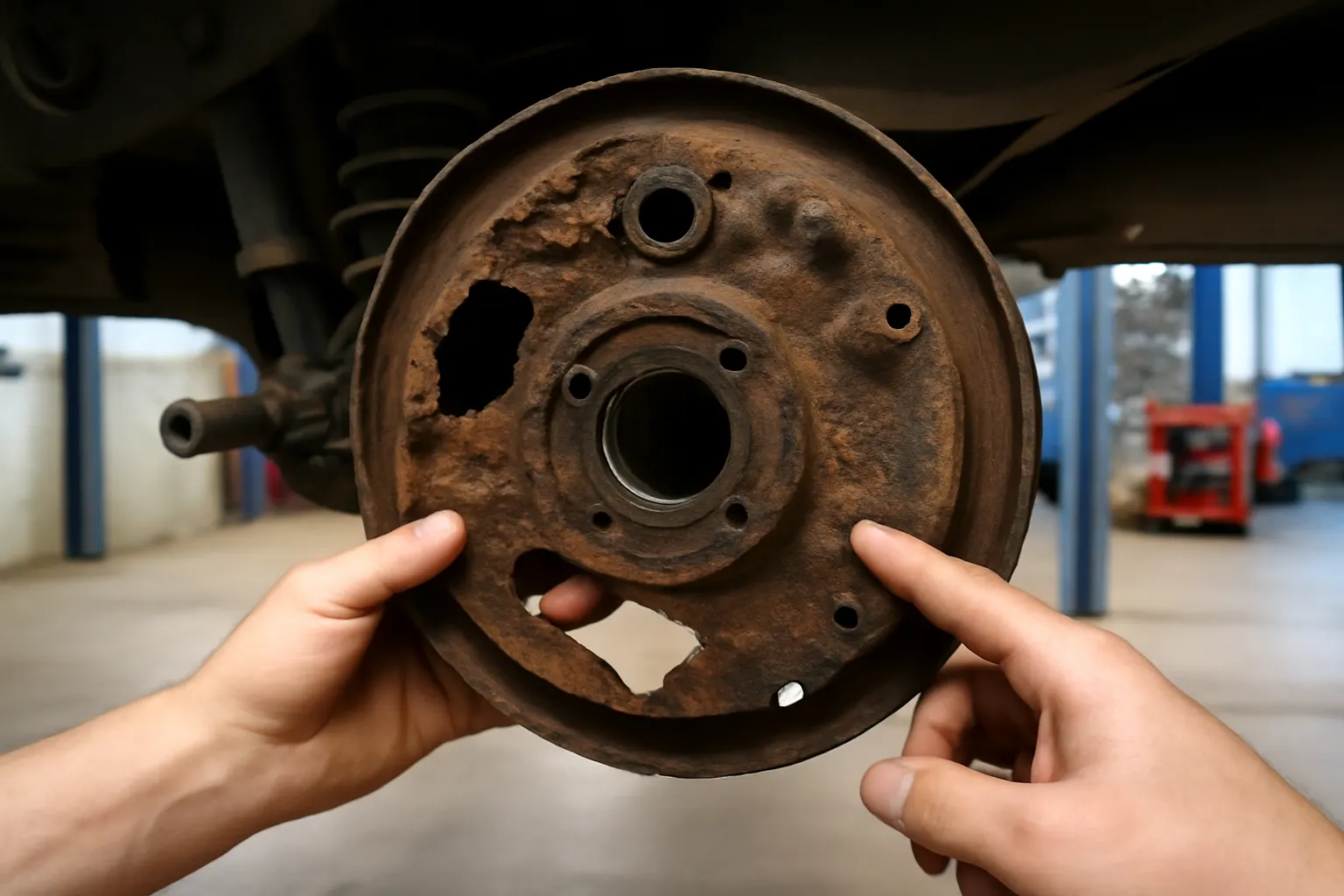
Amc Rear Backing Plate Failure Symptoms
When it comes to maintaining the legendary AMC Ambassador and its siblings, understanding the warning signs of rear backing plate failure is critical for both safety and preservation. The rear backing plate is a foundational element in your vintage AMC’s braking system—supporting the brake shoes, anchoring hardware, and helping to shield critical components from debris and corrosion. Recognizing the symptoms of wear or failure can prevent costly brake damage and ensure your Ambassador remains both roadworthy and historically correct.
Read More
Amc Ambassador Brake System Compatibility
If you’re replacing or upgrading your AMC Ambassador’s rear backing plates, you must first verify: The vehicle’s model year and trim (base, DPL, SST, etc.) Axle type (AMC corporate vs. Dana) Brake system size (9-inch, 10-inch, or 11-inch drums) Presence of factory options (heavy-duty brakes, towing package, etc.) Many AMC Ambassador owners and even experienced mechanics underestimate the extent of brake system variation across the model range.
Read More
Amc Ambassador Oem Part Verification
Verifying authentic OEM rear backing plates for the AMC Ambassador is vital for any restoration or repair project. This guide delivers a step-by-step process to decode AMC Ambassador part numbers, identify genuine components, and avoid the pitfalls of incorrect or counterfeit parts. By following this expert-backed approach, you ensure safety, fitment, and lasting value for your classic AMC. Authentic OEM rear backing plates are essential to maintaining the AMC Ambassador’s braking system reliability and safety.
View Guide