
Advertisement
When it comes to maintaining the legendary AMC Ambassador and its siblings, understanding the warning signs of rear backing plate failure is critical for both safety and preservation. The rear backing plate is a foundational element in your vintage AMC’s braking system—supporting the brake shoes, anchoring hardware, and helping to shield critical components from debris and corrosion. Recognizing the symptoms of wear or failure can prevent costly brake damage and ensure your Ambassador remains both roadworthy and historically correct.
For a comprehensive look at fitment, failure patterns, and expert replacement guidance for AMC Ambassador rear backing plates, visit the AMC Ambassador Rear Backing Plate – Fitment, Failure Patterns, and Expert Replacement Guidance category page.
Immediate Answer: Key Symptoms of AMC Rear Backing Plate Failure
The most common symptoms of rear backing plate failure in AMC models, including the Ambassador, include:
- Unusual scraping or grinding noises from the rear wheels—often indicating metal-to-metal contact due to worn or warped plates.
- Brake drag or inconsistent braking—as misaligned shoes or hardware bind against a deformed backing plate.
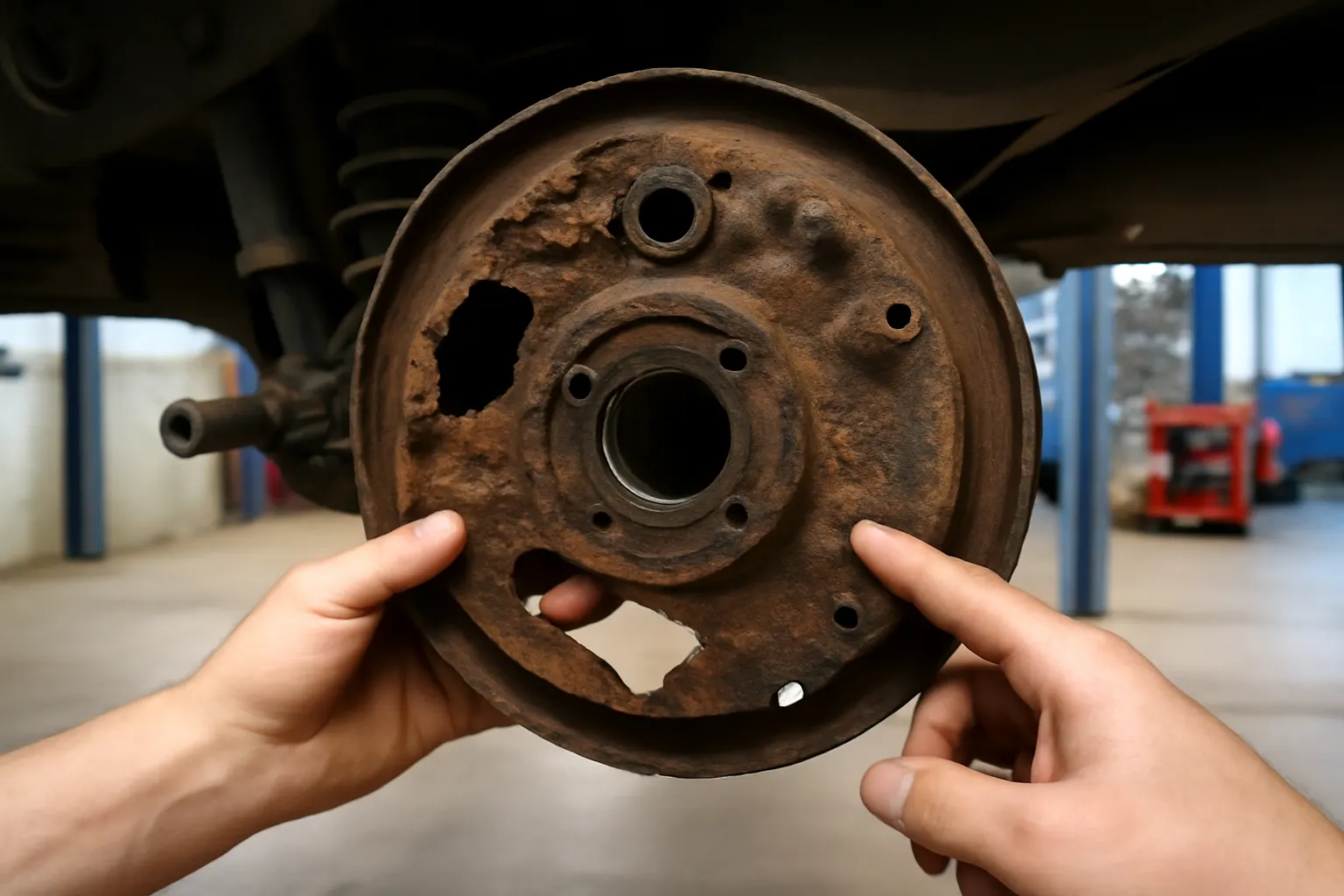
- Visible rust-through, cracks, or deformation—noted during visual inspection.
- Loose, missing, or misaligned brake hardware—as a result of compromised mounting points on the plate.
- Premature or uneven brake shoe wear—due to improper support from the backing plate.
- Brake fluid leaks or contamination—if the plate no longer shields the wheel cylinder adequately.
- Excessive brake dust or debris accumulation—from a plate that no longer seals the drum assembly.
If you notice any of these symptoms, it is crucial to address them promptly to maintain braking performance and safety. Delaying inspection or repair can result in further damage to the brake system and may even compromise vehicle control.
The Hidden Problem: Why Rear Backing Plate Failure Is Often Overlooked
While the symptoms above may seem obvious, rear backing plate failure is frequently misdiagnosed or ignored in vintage AMC vehicles. Owners and technicians alike may attribute noises or braking inconsistencies to more familiar culprits—such as worn brake shoes, drums, or wheel cylinders—without considering the underlying structural role of the backing plate.
This oversight is compounded by two factors unique to vintage American Motors (AMC) vehicles:
- Age and Rarity of Parts: The AMC Ambassador and similar models are now decades old. Many original backing plates have faced years of exposure, moisture, and mechanical stress, making them prone to corrosion and fatigue. Replacement parts can be rare, leading some restorers to reuse compromised plates.
- Design-Specific Vulnerabilities: AMC rear backing plates, particularly on models from the late 1960s through the 1970s, were often made from stamped steel with minimal corrosion protection by modern standards. This leaves them susceptible to rust-through, especially in humid or salted-road environments.
The result is a hidden epidemic of subpar brake performance and safety risks in the AMC collector community—a problem that can only be solved through careful diagnosis and targeted replacement.
Deeper Technical Explanation: How Rear Backing Plates Fail in AMC Models
To understand why rear backing plate failure produces the symptoms listed above, it’s helpful to examine the technical role of the plate:
- Structural Support: The backing plate serves as the mounting base for the brake shoes, return springs, wheel cylinder, and adjuster hardware. Any deformation compromises the alignment and function of these components.
- Protection: The plate shields the brake assembly from road debris, moisture, and dust. Corrosion or holes in the plate allow contaminants to enter, accelerating wear and potentially causing brake fluid leaks if the wheel cylinder is exposed.
- Alignment: The precise location of mounting holes and anchor points ensures the shoes retract and apply evenly. A warped or cracked plate leads to uneven braking, dragging, or even loss of braking on one side.
Common failure modes in AMC rear backing plates include:
- Corrosion and Rust-Through: Moisture and road salt attack the steel, especially around the edges and mounting holes. Rust can eat through the plate, causing loss of support and exposing the brake assembly.
- Cracking and Fatigue: Repeated stress from braking and thermal cycling can cause cracks, particularly near anchor holes or bends.
- Warping: Over-tightening, impact, or improper installation can bend the plate, misaligning the shoes and hardware.
- Loss of Hardware Retention: Rust or deformation can cause spring and pin holes to elongate or break, resulting in loose hardware and erratic brake operation.
Advertisement
Symptom Checklist: Diagnosing AMC Rear Backing Plate Failure
Use this checklist to systematically inspect your AMC Ambassador (or similar model) for rear backing plate issues:
| Symptom/Check | What to Look For | Likely Cause |
|---|---|---|
| Scraping/Grinding Noise | Metal-on-metal sound when braking or rolling | Plate warped, rusted through, or loose hardware |
| Brake Drag | Rear wheels resist turning freely | Shoes misaligned due to plate deformation |
| Uneven Brake Shoe Wear | One shoe worn more than the other | Plate not supporting shoes evenly |
| Visible Corrosion | Flaking, holes, or deep rust | Moisture intrusion, age-related decay |
| Cracks or Bends | Obvious cracks near mounting or anchor points | Fatigue, impact, or over-tightening |
| Loose/Missing Hardware | Pins, springs, or adjusters out of place | Holes elongated or broken on plate |
| Brake Fluid Leaks | Fluid on inside of drum or plate | Plate no longer shields or supports cylinder |
| Excessive Brake Dust | Dust buildup inside drum or on plate | Plate no longer sealing assembly |
If any of these symptoms are present, further disassembly and inspection are warranted.
Visual Inspection: What to Look for on AMC Rear Backing Plates
A thorough visual inspection is the first step in diagnosing rear backing plate issues. Here’s how to conduct an effective assessment:
- Remove the Rear Wheel and Brake Drum: Safely raise the vehicle and remove the wheel and drum for unobstructed access.
- Inspect the Plate Surface: Look for rust flaking, pitting, or holes—especially around the edges and mounting points.
- Check for Cracks: Pay close attention to areas near the anchor pin holes, wheel cylinder mounts, and bends in the stamping.
- Assess Hardware Fit: Ensure that all pins, springs, and adjusters are secure and that holes are not elongated or misshapen.
- Evaluate Plate Flatness: Use a straightedge to check for warping or bending across the plate’s surface.
- Look for Fluid or Debris: Note any signs of leaking brake fluid, excessive dust, or road debris inside the drum area.
Tip: Photograph any damage for documentation and reference during the replacement process.
Common Failure Patterns in AMC Ambassador Rear Backing Plates
Based on field reports and restoration experience, certain patterns emerge in AMC rear backing plate wear and failure:
- Edge Rust-Through: The outer rim of the plate, where it meets the drum, is the most common site for rust holes. This is due to moisture getting trapped between the drum and plate.
- Anchor Pin Hole Elongation: The holes for the brake shoe anchor pins can become oval-shaped or cracked, resulting in loose or misaligned shoes.
- Mounting Flange Corrosion: The area where the plate bolts to the axle flange often corrodes, leading to poor sealing and potential movement under load.
- Wheel Cylinder Mount Fatigue: Cracks may develop around the wheel cylinder mounting holes, compromising hydraulic integrity and support.
- Bend/Distortion from Improper Installation: Over-torquing the mounting bolts or forcing the drum onto misaligned shoes can bend the plate.
Being aware of these patterns can help you prioritize inspection points and anticipate needed repairs.
How Backing Plate Failure Impacts Braking Performance and Safety
A compromised rear backing plate doesn’t just create noise or minor annoyance—it can have serious safety implications:
- Reduced Stopping Power: Misaligned shoes and hardware reduce the effective friction area and braking force.
- Uneven Braking: One wheel may brake harder than the other, causing the car to pull or become unstable under heavy braking.
- Increased Wear: Shoes, drums, and hardware wear out faster, increasing maintenance costs and downtime.
- Brake Lockup or Fade: In severe cases, shoes may bind or fail to retract, causing the brakes to lock up or fade due to overheating.
- Fluid Leaks: Exposure of the wheel cylinder to debris or impact can cause leaks, leading to sudden brake loss.
According to the National Highway Traffic Safety Administration, defective or missing brake components are a leading cause of classic vehicle safety failures. Properly functioning backing plates are essential to keeping your AMC safe and legal on the road.
Early Warning Indicators: Catching Problems Before They Escalate
The best way to avoid catastrophic brake failure is to recognize early warning signs and act quickly. Subtle indicators of impending rear backing plate trouble include:
- Intermittent Squeaking: Occasional high-pitched squeaks from the rear wheels, especially after rain or washing the car, may signal minor plate deformation or early rust.
- Soft Brake Pedal: If the pedal feels softer than usual, inspect for wheel cylinder leaks caused by plate corrosion.
- Brake Shoe Knock: A faint knocking or shifting sound when applying the brakes can indicate hardware movement due to elongated plate holes.
- Unusual Brake Dust Patterns: If you notice more brake dust on one rear wheel than the other, suspect uneven shoe support.
Advertisement
Routine maintenance checks—especially after long storage or heavy use—are vital for catching these early clues.
Professional Diagnostic Techniques for AMC Rear Backing Plates
While visual inspection is crucial, some failures are subtle and require more advanced diagnostic methods:
- Runout Measurement: Use a dial indicator to measure the runout of the backing plate mounting surface. Excessive runout (>0.010") indicates warping.
- Hardware Retention Test: Check the tension of return springs and the fit of pins in their holes. Excessive play suggests plate wear.
- Ultrasonic Thickness Testing: Advanced shops may use ultrasonic gauges to measure steel thickness in suspect areas, identifying hidden rust-through before it becomes visible.
- Brake Shoe Wear Pattern Analysis: Examine removed shoes for taper or uneven wear—this often points to plate misalignment rather than shoe or drum defects.
If you lack the tools or experience for these tests, consult a restoration specialist familiar with AMC brake systems.
Replacement and Sourcing Guidance: Finding the Right AMC Rear Backing Plate
If your inspection reveals significant damage, replacement is the only safe option. Here’s how to ensure a proper fit and restore original performance:
- Confirm Part Number and Compatibility: AMC used several rear backing plate designs across Ambassador model years and axle types. Always verify OEM part numbers. See Amc Ambassador Oem Part Verification for expert tips on confirming authenticity and fitment.
- Source Quality Parts: Seek out reputable suppliers specializing in vintage AMC parts. Avoid generic or “universal” plates, which may not match original dimensions or mounting patterns.
- Inspect Used Plates Carefully: If using salvage parts, scrutinize for hidden cracks, rust, or prior repairs.
- Consider Professional Refurbishing: Some restoration shops offer sandblasting, welding, and recoating services for original plates, preserving factory stampings and fit.
- Follow Installation Protocols: Use the correct torque specs for mounting bolts, and ensure all hardware is replaced or refurbished. Reference Amc Ambassador Rear Brake Backing Plate Installation for step-by-step procedures.
Advertisement
Preventive Maintenance: Maximizing AMC Rear Backing Plate Longevity
Once you’ve addressed any failures, preventive care will extend the life of your new or refurbished backing plates:
- Regular Cleaning: Periodically remove drums and clean the plate and hardware to prevent debris buildup.
- Corrosion Protection: Apply a light coat of high-temperature anti-rust paint or corrosion inhibitor to the plate, especially around edges and mounting holes.
- Hardware Inspection: Replace any worn or rusty springs, pins, or adjusters during brake service.
- Seal Checks: Ensure axle seals and wheel cylinders are leak-free to prevent brake fluid or gear oil from accelerating corrosion.
- Routine Inspections: Incorporate plate checks into your annual brake service or pre-season maintenance routine.
Proactive maintenance not only preserves braking performance but also protects your investment in rare AMC parts.
Expert Solution Path: What to Do When AMC Rear Backing Plate Failure Is Detected
If you’ve confirmed rear backing plate failure, follow this expert action plan:
- Remove the Plate: Safely disassemble the brake hardware and remove the failed plate from the axle flange.
- Assess Related Damage: Inspect brake shoes, drums, wheel cylinders, and hardware for collateral damage or accelerated wear.
- Prepare the Mounting Surface: Clean and inspect the axle flange for corrosion or warping.
- Install the Replacement Plate: Use correct torque specs and new mounting hardware where possible.
- Reassemble the Brake System: Install new or refurbished shoes, springs, and adjusters. Ensure all components are properly lubricated and positioned.
- Adjust and Test: Adjust the brakes per factory specifications and perform a full function test before road use.
For detailed installation guidance, refer to our Amc Ambassador Rear Brake Backing Plate Installation article.
AutoPartEx Recommendation: The Gold Standard for AMC Ambassador Brake Restoration
At AutoPartEx, we understand the unique challenges of sourcing, diagnosing, and restoring AMC rear backing plates. Our technical resources, curated parts inventory, and expert support ensure you get the right solution—whether you’re performing a concours restoration or a safe, reliable driver upgrade.
For model-specific fitment, failure analysis, and replacement options, start your search at our AMC Ambassador Rear Backing Plate – Fitment, Failure Patterns, and Expert Replacement Guidance section. Our team can assist with part verification, installation tips, and best practices for long-term durability.
Further Reading and Related Resources
- Amc Ambassador Brake System Compatibility: Understand how rear backing plates interact with other brake components for the safest possible restoration.
- Amc Ambassador Oem Part Verification: Ensure you’re getting the correct, original-style parts for your classic AMC.
References
- Vehicle Safety and Equipment – National Highway Traffic Safety Administration
- Vehicle, Car Seat, Tire, and Equipment Recalls – National Highway Traffic Safety Administration
- SAE Standards – SAE International
Word count (body): ~2410
Advertisement