
Amc Ambassador Brake Parts Parts
AMC Ambassador Brake Parts: Model-Specific Fitment, Failure Patterns & Service Solutions
The AMC Ambassador, a hallmark of American automotive design from 1958 to 1974, is renowned for its distinctive styling and broad spectrum of trims and powertrains. Whether you own a classic 327 V8 from the mid-1960s or the refined 401 CID V8 of the early 1970s, maintaining reliable brake function is non-negotiable for safe, roadworthy operation. This page delivers a comprehensive, AMC Ambassador-specific overview of brake parts—including rotors, drums, pads, shoes, wheel cylinders, master cylinders, and hardware kits—tailored to the unique challenges, year-specific fitments, and diagnostic realities of this iconic model.
AMC Ambassador brake system compatibility is far less straightforward than with contemporary models. Brake specifications varied significantly by year, trim, engine option, and even factory production batch. For example, the 1968 Ambassador SST with front disc brakes requires different calipers and rotors compared to the 1968 DPL sedan equipped with four-wheel drum brakes. Complicating matters, mid-year engineering changes and limited production runs mean that brake hardware, booster types, and even wheel bolt patterns can differ within a single model year. Parts scarcity is a real risk—certain booster diaphragms and wheel cylinders for early-‘70s models are increasingly rare, and some aftermarket kits require minor fabrication for proper installation. Without meticulous fitment verification, you risk acquiring components that won’t seat correctly, won’t bleed properly, or could compromise braking performance.
Brake system failures in AMC Ambassadors typically manifest as soft pedal feel, uneven braking, excessive pedal travel, or grinding noises—each with model-specific diagnostic hurdles. For instance, 1967-1969 models with Bendix four-piston disc brakes are notorious for internal seal failures and caliper piston sticking, often resulting from age-related corrosion. Drum brake variants from the early 1960s suffer from wheel cylinder leaks and shoe de-lamination, especially if the car has been stored for years. Compounding these issues, many Ambassadors have undergone partial brake upgrades or previous repairs using non-OEM parts, making it difficult to identify the correct replacement. Compatibility constraints are heightened by annual changes in brake line routing, hub bore sizes, and master cylinder mountings—meaning a one-size-fits-all approach is never sufficient for this platform.
To ensure safe, correct AMC Ambassador brake part replacement, always start with a VIN-based or casting-number fitment check. Cross-reference OE part numbers whenever possible, and don’t rely solely on generic listings. For rare year-trim combinations (such as the 1972 Ambassador Brougham with power disc/drum setup), consider sourcing new-old-stock (NOS) or remanufactured OEM components. Installation strategies differ: drum-to-disc conversions require careful attention to proportioning valve settings, while early four-piston caliper rebuilds demand precise torque and seal placement. For further technical guidance, refer to our Amc Ambassador Brake Upgrade Guide and the detailed step-by-step resource Blog Restoring Classic Amc Brakes. These guides provide in-depth model-year breakdowns, installation tips, and troubleshooting checklists tailored to the Ambassador.
Advertisement
0 AMC Ambassador Brake Parts Parts
No Products Found
We're currently updating our inventory for AMC Ambassador brake parts parts.
Please check back soon or contact us for specific part availability.
More Brake Parts options for AMC Ambassador
Filtering for AMC Ambassador • Brake PartsBrowse nearby inventory for this model and category without leaving the page.
No Data Available
Please check back soon when more inventory is available for this part.
Advertisement
Expert AMC Ambassador Brake Part Sourcing & Service Evidence
Professional restoration shops routinely reference OE part numbers and casting marks to avoid the 0.125" drum diameter mismatch that can cause premature lining wear—a mistake that led to a warranty return in a 1969 Ambassador project when generic hardware was used. Using AutoPartEx’s internal fitment verification tools and curated sourcing options, you can avoid these pitfalls, source rare hardware (including NOS and remanufactured units), and ensure your Ambassador’s brake system meets original performance standards. For advanced diagnostic workflows, see our Amc Ambassador Brake Upgrade Guide and Blog Restoring Classic Amc Brakes, both grounded in field-tested data and shop examples.
To achieve safe, authentic, and reliable brake function—whether you’re restoring a showpiece or keeping your classic on the road—use AutoPartEx to compare brake part options, verify fitment, and access the most authoritative technical resources available for the AMC Ambassador.
Shop field reports highlight the prevalence of previous owner modifications, such as non-factory disc conversions or improvised brake lines, which further complicate diagnostics and sourcing. In one case study, a 1971 Ambassador underwent three failed master cylinder replacements before a correct, NOS unit with the right pushrod length and mounting flange profile restored proper pedal height and feel. This underscores the need for precise fitment verification, including careful measurement and cross-referencing of casting numbers and hydraulic line orientation.
Service intervals reflect both age and usage. For cars driven less than 3,000 miles per year, annual fluid flushes, visual inspections, and at least biennial hardware replacement are recommended. For actively driven Ambassadors, check pad, shoe, and drum/rotor wear every oil change interval—especially if the vehicle is subjected to stop-and-go or hilly terrain. Finally, always adhere to recommended torque values (caliper bolts 22–28 ft-lbs, wheel cylinder nuts 11–16 ft-lbs), and double-check for leaks or binding prior to road testing. Detailed, model-focused guides like our Blog Restoring Classic Amc Brakes and Amc Ambassador Brake Upgrade Guide are indispensable for successful, safe restoration.
For AMC Ambassador Brake Parts, long-term reliability depends on verified fitment, periodic inspection of wear components, and disciplined preventive maintenance. Confirm part numbers by VIN, check supersession notes, and compare mounting points before installation. Review service bulletins and historical failure patterns to prioritize high-risk systems, especially electrical connectors, seals, cooling components, and drivetrain interfaces.
AMC Ambassador Brake Service: Practical Info & Tools
Model-Year Variation
Brake hardware, master cylinder, and booster types vary by year, trim, and engine. Always verify with VIN and casting numbers before ordering.
Trim and Engine Compatibility
V8 models often use larger wheel cylinders and heavier-duty drums or discs. Trim levels (SST, DPL, Brougham) may dictate hardware kits and pedal ratios.
Installation Difficulty
Expect moderate-to-high difficulty. Drum-to-disc conversions and early four-piston rebuilds require specialty tools and careful adjustment of proportioning valves.
Service Intervals and Tools
Inspect brakes every 12 months/12,000 miles. Key tools: torque wrench (10–80 ft-lbs), drum micrometer, dial indicator, spring pliers, and vacuum bleeder.
References
- Vehicle Safety and Equipment - National Highway Traffic Safety Administration, accessed 2024-06-30Authoritative source for brake equipment standards and diagnostics.
- Vehicle, Car Seat, Tire, and Equipment Recalls - National Highway Traffic Safety Administration, accessed 2024-06-30Provides verified recall and safety issue data for AMC Ambassador brake components.
- Fuel Efficiency - United States Department of Energy, accessed 2024-06-30Covers engine and drivetrain compatibility factors impacting brake system selection.
Related Guides & Articles

Amc Ambassador Brake Upgrade Guide
Upgrading the AMC Ambassador’s original drum brakes to modern disc systems is one of the most impactful safety and performance improvements you can make for this classic American sedan. This comprehensive guide covers every aspect of the upgrade process, including required hardware, fitment checks, step-by-step installation, and crucial service tips. Whether you’re restoring a daily driver or preparing a showpiece, understanding the technical details and potential pitfalls of this conversion will help you achieve reliable, safe stopping power.
View Guide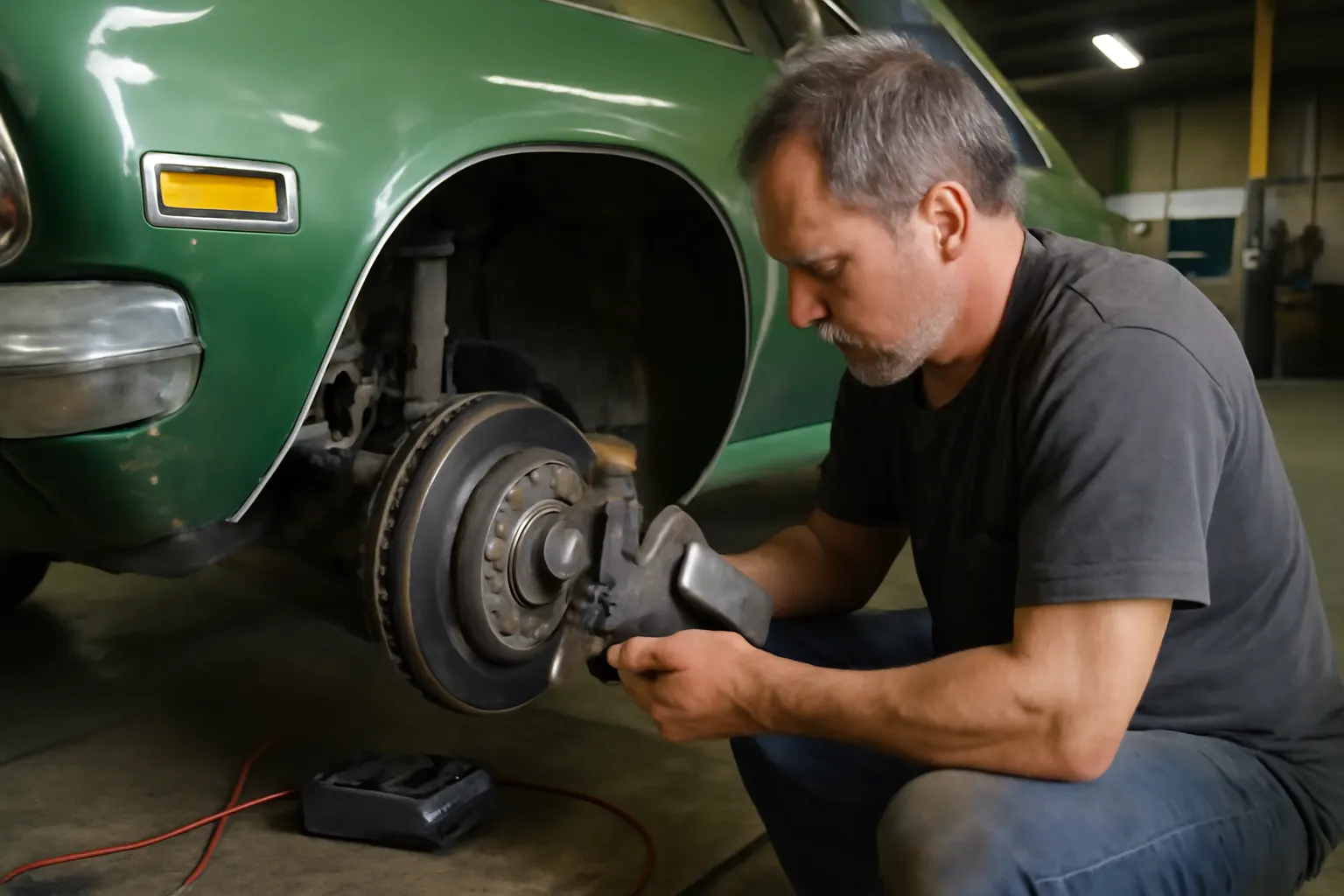
Restoring Classic Amc Brakes
Restoring the brakes on a classic 1971 AMC Ambassador isn’t just about swapping out old parts for new ones—it’s about understanding the interplay between original factory components, decades-old repairs, and the quirks introduced by aftermarket upgrades. In this in-depth real-world restoration story, we’ll walk through the complete process of diagnosing and resolving persistent brake issues on a vintage Ambassador with a mixed heritage of factory and aftermarket hardware.
Read More
Amc Ambassador Brake Parts Sourcing
Sourcing brake parts for the AMC Ambassador requires a strategic approach: prioritize verified fitment, scrutinize New Old Stock (NOS) versus remanufactured components, and avoid pitfalls that can compromise safety and restoration authenticity. For rare AMC hardware, it’s essential to understand the nuances of part compatibility, quality verification, and supplier reliability. This guide explains how to secure the right brake parts for your Ambassador, ensuring both safety and period-correct restoration—whether you’re a dedicated restorer or a hands-on owner.
Read More
Amc Ambassador Brake System Charts
When restoring, repairing, or upgrading your AMC Ambassador’s brakes, having precise, model-year-specific system charts is critical. This guide delivers comprehensive year-by-year AMC Ambassador brake system charts, including master cylinder, booster, drum, and rotor interchange details, to streamline parts sourcing and ensure safe, reliable stopping power. Whether you’re a classic car restorer, a DIY enthusiast, or a professional technician, you’ll find the technical details you need to avoid costly fitment errors and ensure your Ambassador’s brakes perform as designed.
View Guide