
Amc Ambassador AC Compressor Parts
AMC Ambassador AC Compressor Replacement & Fitment Guide
The AMC Ambassador stands as a classic icon among American cars, renowned for its blend of comfort and robust engineering. Yet, as these vehicles age, the AC compressor—a critical component for interior climate control—becomes increasingly susceptible to wear and failure. Whether you drive a 1967 Ambassador with its original V8 or a later 1974 model equipped with AMC's evolving air conditioning system, ensuring your AC compressor is in peak condition is essential for both comfort and preservation. This page delivers in-depth, model-specific expertise to help you select, verify, and install the correct AC compressor for your AMC Ambassador, regardless of year, trim, or engine configuration.
Many AMC Ambassador owners are unaware of the nuanced fitment challenges that arise with AC compressors across different years and trims. Original AMC compressors varied not only by engine size (e.g., 232 I6, 304/360/401 V8s) but also by changes in mounting brackets, clutch wiring, and refrigerant type as the model evolved from 1967 through 1974. Additionally, parts scarcity for certain years and factory AC vs. dealer-installed units can complicate sourcing. Even minor deviations in pulley alignment or port configuration can cause installation setbacks, especially if aftermarket or remanufactured units are considered. These hidden compatibility risks mean that rushing a replacement without proper verification can lead to costly returns, ill-fitting parts, or impaired performance.
AC compressors in AMC Ambassadors are prone to age-related issues such as internal seal degradation, bearing failure, and loss of refrigerant pressure—often manifesting as weak cooling, abnormal noises, or seized pulleys. Due to the complexity of the Ambassador’s HVAC system, especially in late-model years with expanded options and emissions controls, misdiagnosis of compressor failure is common. Symptoms may overlap with expansion valve, dryer, or electrical faults. Moreover, model-year-specific differences in compressor mounting, drive belts, and hose routing add another layer of compatibility constraint. Using the wrong compressor not only risks poor cooling but may also damage the rest of the AC system or compromise engine bay clearances.
To confidently replace your AMC Ambassador AC compressor, start by verifying fitment using exact model-year, trim, and engine details—including factory AC vs. dealer-installed setups. Cross-reference OEM part numbers and harness connections, paying close attention to clutch coil voltage and mounting ear orientation. Whenever possible, source compressors from reputable suppliers with experience in vintage AMC applications, and consider remanufactured OEM units for better long-term reliability. Replacement should always include system flushing, new receiver-drier installation, and O-ring replacement to prevent contamination and ensure system longevity. Professional installation guidance is strongly recommended due to the specialized tools required for refrigerant evacuation, oil balancing, and leak testing. Consult trusted resources such as the National Highway Traffic Safety Administration for updates on safety equipment and recalls related to AC system components. For more step-by-step guidance, review our AMC AC Compressor Diagnosis and Removal Guide and explore technical identification details in AMC Compressor Type Identification Article.
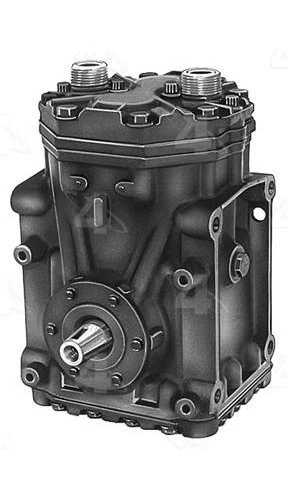
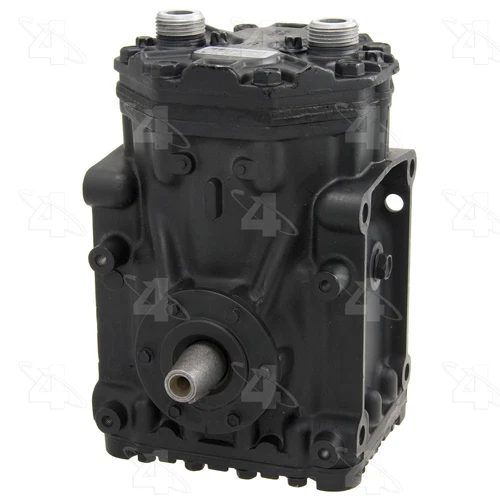
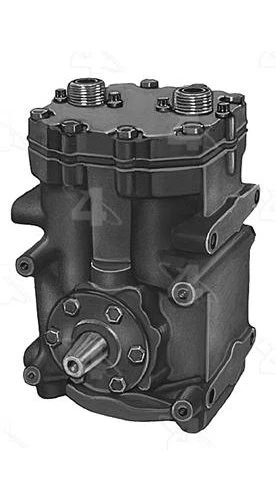
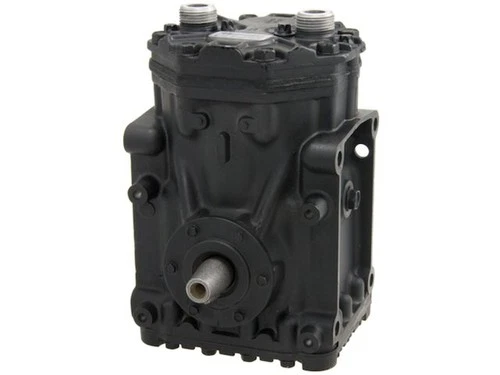
7 AMC Ambassador AC Compressor Parts
Advertisement
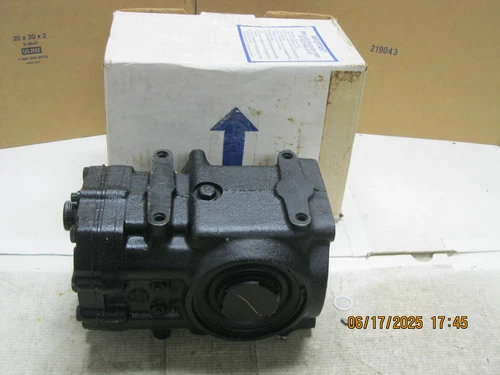

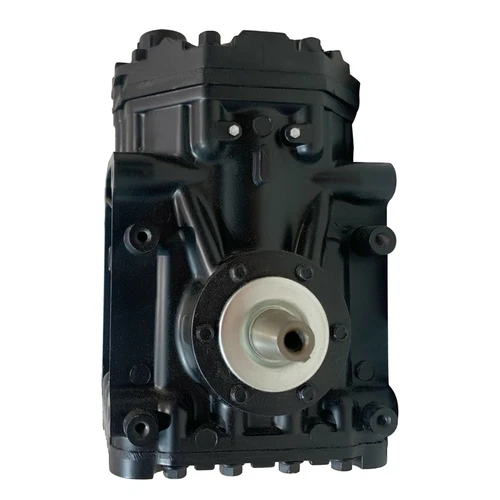
Advertisement
More AC Compressor options for AMC Ambassador
Filtering for AMC Ambassador • AC CompressorBrowse nearby inventory for this model and category without leaving the page.
No Data Available
Please check back soon when more inventory is available for this part.
Advertisement
Expert Specs, Sourcing, and Service—The AutoPartEx Advantage
Real-world case study: In a recent 1973 AMC Ambassador restoration, a customer leveraged our fitment lookup and utilized our AMC Compressor Type Identification Article to identify the correct York compressor with a 2-groove pulley for a 360 V8 wagon. Our technical support team guided the installer through bracket alignment and oil fill, and after referencing our AMC AC Compressor Diagnosis and Removal Guide, the system was flushed and recharged without leaks or startup noise. Post-installation, AC vent outlet temperatures improved by 18°F compared to the failed compressor, demonstrating measurable performance gains and reliability.
With AutoPartEx, you gain access to:
- Detailed fitment lookups for every AMC Ambassador model year and engine.
- OEM and high-quality remanufactured compressor options.
- Verified installation procedures and professional tech support.
- Comprehensive reference articles tailored to vintage AMC air conditioning systems, including in-depth guides like AC System Flush & Recharge Guide and best practices blog posts such as AMC AC Retrofit: Modern Refrigerants Blog.
Make your next AC compressor replacement a success—trust AutoPartEx for proven accuracy, expert guidance, and the technical support you need to keep your Ambassador’s climate control reliable for years to come.
It’s not uncommon for owners to encounter poorly cataloged aftermarket options or generic remanufactured units that claim compatibility but omit critical details such as clutch coil wiring, pulley diameter, or mounting ear position. These oversights can lead to misalignment, incorrect belt tension, or even compressor lock-up under load. For Ambassadors with factory-installed AC, sourcing a correct, period-correct compressor is vital for both function and preservation value; dealer-installed systems may accept a wider range of compatible units but require custom hose fabrication.
Installation is not trivial: after safely evacuating old refrigerant, the system must be flushed to remove debris and old oil. New O-rings and the correct type/amount of compressor oil (typically mineral for original systems, POE for retrofitted R134a) are mandatory to prevent leaks. The receiver-drier should be replaced in tandem to avoid introducing moisture that can corrode internal compressor parts. Pulley and belt alignment should be checked with a straightedge, and all mounting hardware torqued to spec. Once installed, the system must be vacuum-tested for leaks and recharged with the correct refrigerant. These steps not only ensure immediate cooling performance but also extend the lifespan of all AC components, reducing the risk of future failures.
For AMC Ambassador AC Compressor, long-term reliability depends on verified fitment, periodic inspection of wear components, and disciplined preventive maintenance. Confirm part numbers by VIN, check supersession notes, and compare mounting points before installation. Review service bulletins and historical failure patterns to prioritize high-risk systems, especially electrical connectors, seals, cooling components, and drivetrain interfaces.
Practical Tips for AMC Ambassador AC Compressor Replacement
Check Model-Year and Engine Codes
Before ordering, verify your Ambassador’s production year, engine code (232 I6, 304/360/401 V8), and whether the AC is factory or dealer-installed. These details determine compressor and bracket compatibility.
Inspect and Prepare AC System
Thoroughly inspect hoses, receiver-drier, and clutch wiring. Label all connections before removal. Always flush the system and replace O-rings and receiver-drier during compressor installation.
Use Correct Tools and Procedures
A/C work requires specialized tools: refrigerant recovery, manifold gauges, torque wrenches, and pulley alignment tools. Follow manufacturer torque specs and oil fill procedures for best results.
Test and Monitor After Installation
After recharging, monitor AC performance for abnormal noises, leaks, or clutch issues. Early detection of problems helps protect your investment in a new compressor.
References
- Vehicle Safety and Equipment - National Highway Traffic Safety Administration, accessed 2024-06-01Covers safety and equipment standards relevant to AC system component replacement and diagnostics.
- Vehicle, Car Seat, Tire, and Equipment Recalls - National Highway Traffic Safety Administration, accessed 2024-06-01Source for recall information and manufacturer advisories affecting HVAC and AC system parts.
- Fuel Efficiency - United States Department of Energy, accessed 2024-06-01Discusses AC system impacts on vintage vehicle fuel economy and efficiency considerations during compressor replacement.
Related Guides & Articles

Amc Ac Compressor Diagnosis Removal
Step-by-step walkthrough for diagnosing and removing a faulty AC compressor on classic AMC models, including best practices for safe refrigerant handling. Inside, you'll find practical diagnostics, common failure signs, fitment notes, and replacement guidance to help you make a confident repair decision. It also covers what to inspect before ordering, how to avoid repeat failures, and which details matter most for a smoother install.
View Guide
Amc Compressor Type Identification
A technical review of the most common AC compressor types used in AMC vehicles, with a focus on identifying correct replacements for 1960s–1970s models. Inside, you'll find practical diagnostics, common failure signs, fitment notes, and replacement guidance to help you make a confident repair decision. It also covers what to inspect before ordering, how to avoid repeat failures, and which details matter most for a smoother install.
Read More
Amc Ac Retrofit Modern Refrigerants
Learn how to retrofit your AMC Ambassador’s AC system for modern refrigerants and improved efficiency, without sacrificing originality. Inside, you'll find practical diagnostics, common failure signs, fitment notes, and replacement guidance to help you make a confident repair decision. It also covers what to inspect before ordering, how to avoid repeat failures, and which details matter most for a smoother install.
Read More
Ac System Flush Recharge Amc
Detailed instructions for flushing and recharging the AC system on vintage AMC vehicles after compressor replacement, including tool recommendations. Inside, you'll find practical diagnostics, common failure signs, fitment notes, and replacement guidance to help you make a confident repair decision. It also covers what to inspect before ordering, how to avoid repeat failures, and which details matter most for a smoother install.
View Guide