
Toyota Headlight Motor
Toyota Headlight Motor Replacement & Fitment Guide
Toyota headlight motors serve as vital electromechanical actuators responsible for adjusting headlamp aim and, in the case of select models, enabling pop-up or adaptive headlight functions. These precision components are critical for maintaining optimal nighttime visibility and compliance with regulatory lighting standards across a wide spectrum of Toyota vehicles, including the Camry, Celica, Supra, and specialty Lexus derivatives. As demand for advanced lighting systems has grown, so too has the complexity and importance of the headlight motor subsystem within Toyota’s engineering ecosystem.
Many Toyota owners and technicians overlook the nuanced fitment, supersession, and diagnostic challenges associated with headlight motors. Not all headlight motors are interchangeable across model years or trim packages—even within the same generation. Toyota’s frequent part number updates and regional variations can result in confusion when sourcing correct replacements. Additionally, genuine OEM headlight motors have become increasingly scarce for older and performance-oriented models, driving up market prices and leading to the proliferation of low-quality aftermarket alternatives. Diagnostic ambiguity—such as intermittent headlamp actuation, unresponsive motors, or mis-aimed beams—is further complicated by the integration of electronic headlight leveling or adaptive systems in many post-2000 Toyotas.
Toyota headlight motor failures often present as noisy operation, erratic movement, or a complete lack of response. Model-specific patterns have been documented: for example, 1990s Celica and Supra pop-up headlight motors are prone to internal gear stripping and limit switch wear, while more recent Corolla and Camry adaptive headlight actuators can suffer from water intrusion or sensor miscalibration. Installation challenges include the risk of damaging fragile plastic mounts, misaligning the headlight assembly, or failing to correctly initialize adaptive mechanisms after replacement. Compatibility risks also arise from Toyota’s habit of superseding part numbers without always ensuring backwards compatibility, and from the existence of non-interchangeable left/right motor variants.
The optimal fitment strategy for Toyota headlight motors starts with precise VIN-based part verification, ensuring the replacement matches both electrical and mechanical specifications. Technicians should consult Toyota’s official wiring diagrams and initialization procedures, especially for adaptive or electronically leveled systems. Diagnostic steps include continuity testing, inspection for signs of moisture ingress, and verification of signal integrity from the headlight control module. Service guidance for many Toyota models is detailed in Toyota Headlight Motor Replacement Guide, while deeper insight into electromechanical troubleshooting is available in Common Headlight Motor Issues in Toyota Vehicles. Sourcing high-quality, genuine or OEM-equivalent headlight motors is best accomplished through a specialist supplier like AutoPartEx, which provides targeted compatibility data and access to hard-to-find components.
Advertisement
Showing 8 of 8 Toyota headlight motor parts


Advertisement
More Toyota Headlight Motor options
Filtering for Toyota • Headlight MotorScan nearby Toyota headlight motor inventory without leaving this page.
No Data Available
Please check back soon when more inventory is available for this part.
Advertisement
Expert Toyota Headlight Motor Selection, Diagnostics, and AutoPartEx Sourcing
For Toyota Headlight Motor, long-term reliability depends on verified fitment, periodic inspection of wear components, and disciplined preventive maintenance. Confirm part numbers by VIN, check supersession notes, and compare mounting points before installation. Review service bulletins and historical failure patterns to prioritize high-risk systems, especially electrical connectors, seals, cooling components, and drivetrain interfaces.
Toyota Headlight Motor: Practical Service Facts
Common Failure Signs
Noisy operation, headlight misalignment, non-retracting pop-up headlights, or persistent dash warning lights signal potential motor faults.
Diagnostic Tools Needed
Multimeter, automotive scan tool, and (for adaptive systems) access to Toyota Techstream or equivalent to initialize electronic leveling or aiming.
Typical Repair Costs
Expect $180–$500+ for parts and $140–$280 labor. Rare models or discontinued parts may cost more due to limited availability.
Service Difficulty
Intermediate to advanced. May require bumper or headlamp removal and electronic calibration for adaptive systems. Professional installation recommended in most cases.
References
- Vehicle, Car Seat, Tire, and Equipment Recalls - National Highway Traffic Safety Administration, accessed 2024-06-15Used for recall and service bulletin verification on Toyota headlight motor and lighting systems.
- Materials Technologies - United States Department of Energy, accessed 2024-06-15Provides technical background on actuator materials, gear wear, and performance standards relevant to headlight motors.
- Fuel Efficiency - United States Department of Energy, accessed 2024-06-15Referenced for the impact of advanced lighting and actuator systems on overall vehicle efficiency.
Related Guides & Articles

Toyota Headlight Motor Replacement
If your Toyota’s headlights won’t pop up, retract, or aim correctly, a faulty headlight motor is a likely culprit. This comprehensive guide delivers step-by-step instructions for diagnosing and replacing Toyota headlight motors, covering classic pop-up systems, modern adaptive headlight motors, and essential safety and fitment considerations. Whether you’re working on a Supra, Celica, MR2, or a newer model with adaptive lighting, this guide ensures you restore safe, reliable headlight operation.
View Guide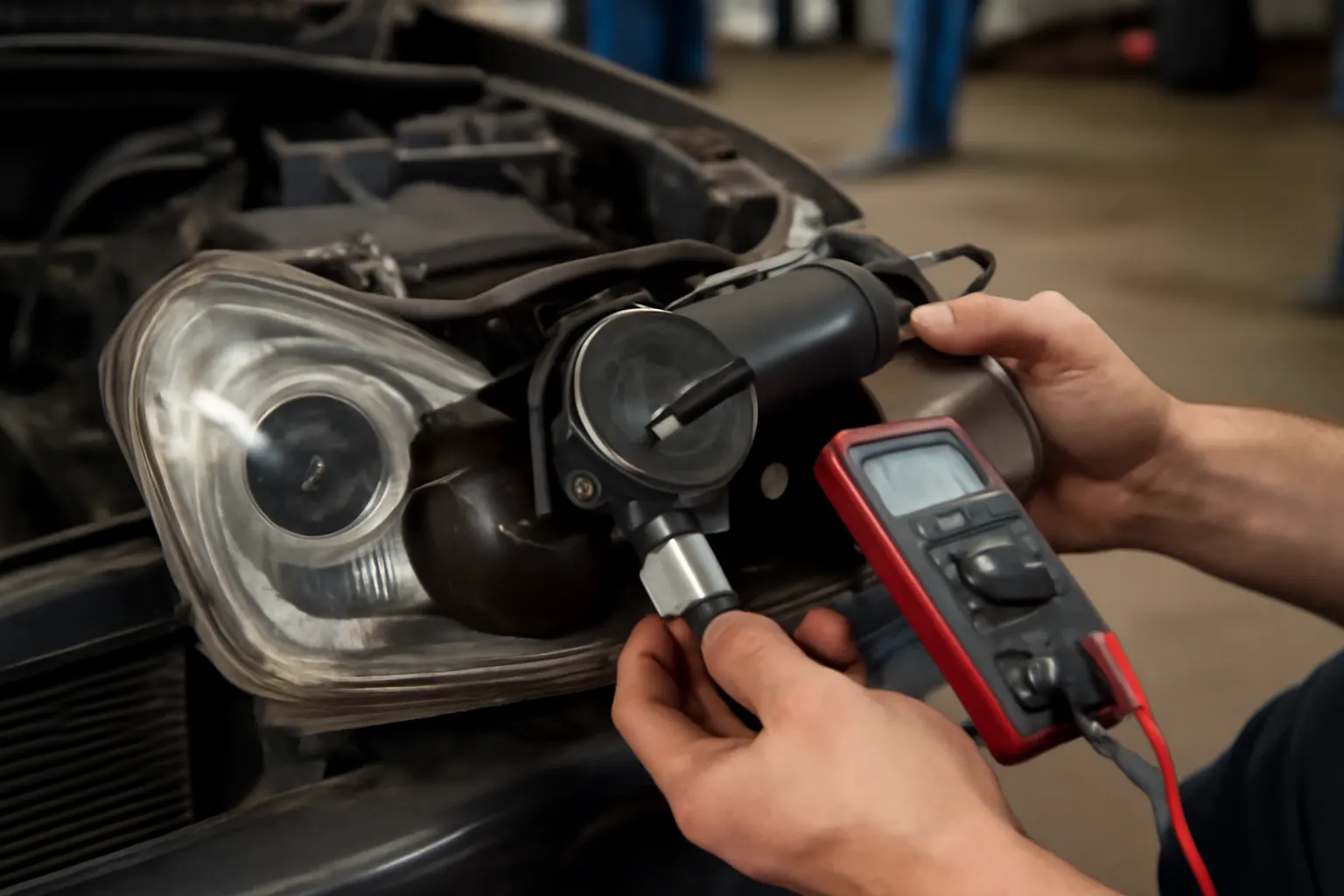
Common Headlight Motor Issues
When your Toyota’s headlight motors start acting up—whether they’re stuck, noisy, or fail to lift and retract—it’s more than a minor annoyance. Malfunctioning headlight motors can compromise nighttime visibility, vehicle safety, and even result in failed vehicle inspections. This in-depth guide draws on real-world shop data and expert diagnostics to help Toyota owners and technicians identify, understand, and resolve the most common headlight motor issues.
Read More
Toyota Part Number Supersession
Understanding Toyota part number supersession is essential for anyone sourcing headlight motors or other critical lighting components. Whether you’re a professional technician, a parts manager, or a Toyota owner performing a DIY repair, decoding Toyota’s part numbering system and tracking supersessions can make the difference between a seamless repair and frustrating fitment issues.
Read More
Toyota Headlight Motor Sourcing
Sourcing the right Toyota headlight motor is vital for restoring proper headlight operation, ensuring safety, and maintaining vehicle value. Whether you’re a DIY enthusiast, a professional technician, or a Toyota owner researching options, understanding the differences between OEM, genuine, and aftermarket headlight motors is essential for making informed decisions. This comprehensive guide delivers immediate, actionable advice, then goes deeper into the nuances of headlight motor sourcing—including regulatory, technical, and fitment concerns—so you can confidently select the correct component for your Toyota.
View Guide