
Toyota Glass, Windshield
Toyota Glass & Windshield Parts: OEM Fitment, Issues, and Advanced Sourcing
Toyota vehicles are renowned for reliability, but their glass and windshield components are subject to unique wear, damage, and replacement cycles influenced by model design, material evolution, and advanced safety features. This page gives a comprehensive overview of Toyota glass and windshield parts, addressing both common and advanced topics for owners, technicians, and restorers seeking precise fitment, verified quality, and long-term performance.
Toyota windshields and glass are engineered to strict tolerance but present hidden challenges: subtle fitment variations across trims, running model supersessions, and limited aftermarket availability—especially for models with integrated sensors or HUDs. Many owners are unaware that even small differences in glass thickness, tint, or embedded hardware can cause leaks, wind noise, or sensor malfunctions. Rarity issues emerge for older or limited-edition Toyotas, and unrecognized diagnostic problems (like undetected laminate separation or microcracks) can undermine safety before obvious failure occurs.
Toyota glass failure patterns often stem from environmental stress, debris impact, or frame flex unique to certain model families (e.g., Camry vs. Tacoma). Installation issues arise when universal aftermarket options are used, risking incorrect gasket seating or ADAS (Advanced Driver-Assistance Systems) misalignment. Compatibility risks include mismatched part numbers, non-OEM sealants causing rapid edge delamination, and misinterpretation of Toyota's frequent glass supersession codes, which can leave even experienced shops with improper fitment or warranty confusion.
To address these challenges, the proven strategy is to source Toyota windshields and glass through trusted channels with up-to-date OEM interchange data. Using VIN-specific lookup ensures correct part selection, especially for models with rain sensors, acoustic interlayers, or camera mounts. Installation requires attention to Toyota's torque specs for retention clips and use of OE-grade urethane. For in-depth step-by-step guidance, consult Toyota Windshield Install Guide and related diagnostics advice in ADAS Calibration Importance. Always cross-check supersession histories and consult fitment charts before ordering.
Advertisement
Showing 6 of 6 Toyota glass, windshield parts


Advertisement
More Toyota Glass, Windshield options
Filtering for Toyota • Glass, WindshieldScan nearby Toyota glass, windshield inventory without leaving this page.
No Data Available
Please check back soon when more inventory is available for this part.
Advertisement
Expert Guidance: Toyota Windshield Sourcing, Specs, and AutoPartEx Solutions
To mitigate these risks, use Toyota’s VIN-based lookup and consult current fitment charts before sourcing. For step-by-step instructions and technical deep-dives, refer to Toyota Windshield Install Guide and industry field reports such as ADAS Calibration Importance. When sourcing parts, prioritize validated OEM or OE-grade glass and adhesives, and confirm all embedded features (sensor brackets, acoustic layers, etc.) match your model’s requirements. AutoPartEx enables you to compare OEM and premium aftermarket options, verify fitment, review supersession histories, and access technical guides—streamlining the process for both professionals and DIYers. For rare or discontinued Toyota glass, AutoPartEx’s sourcing network connects you to specialized suppliers, ensuring even hard-to-find OEM parts can be located for full restoration or repair.
For Toyota Glass, Windshield, long-term reliability depends on verified fitment, periodic inspection of wear components, and disciplined preventive maintenance. Confirm part numbers by VIN, check supersession notes, and compare mounting points before installation. Review service bulletins and historical failure patterns to prioritize high-risk systems, especially electrical connectors, seals, cooling components, and drivetrain interfaces.
For Toyota Glass, Windshield, long-term reliability depends on verified fitment, periodic inspection of wear components, and disciplined preventive maintenance. Confirm part numbers by VIN, check supersession notes, and compare mounting points before installation. Review service bulletins and historical failure patterns to prioritize high-risk systems, especially electrical connectors, seals, cooling components, and drivetrain interfaces.
For Toyota Glass, Windshield, long-term reliability depends on verified fitment, periodic inspection of wear components, and disciplined preventive maintenance. Confirm part numbers by VIN, check supersession notes, and compare mounting points before installation. Review service bulletins and historical failure patterns to prioritize high-risk systems, especially electrical connectors, seals, cooling components, and drivetrain interfaces.
For Toyota Glass, Windshield, long-term reliability depends on verified fitment, periodic inspection of wear components, and disciplined preventive maintenance. Confirm part numbers by VIN, check supersession notes, and compare mounting points before installation. Review service bulletins and historical failure patterns to prioritize high-risk systems, especially electrical connectors, seals, cooling components, and drivetrain interfaces.
Toyota Glass & Windshield Fast Facts
VIN-Based Part Lookup
Always verify Toyota windshield and glass part numbers using the full VIN to avoid fitment errors and supersession confusion. This ensures correct sensor and hardware integration.
Installation Difficulty
Modern Toyota windshields with ADAS or acoustic layers require moderate to high installation skill, specialized tools, and post-install calibration. DIY installation is only recommended for older, non-sensor models.
Repair Cost Range
Toyota windshield replacement ranges from $250–$1,200. Complexity and price increase with features such as rain sensors, heads-up displays, or rare model requirements.
Service Timeframe
Expect 1.5–3 hours for professional installation, plus 0.5–1 hour for ADAS recalibration when required. Adhesive cure times are typically 60+ minutes for safe drive-away.
References
- Vehicle, Car Seat, Tire, and Equipment Recalls - National Highway Traffic Safety Administration, accessed 2024-06-01Used for recall data on glass fitment and bonding issues.
- Materials Technologies - United States Department of Energy, accessed 2024-06-01Referenced for materials science and manufacturing advances in automotive glass.
- Fuel Efficiency - United States Department of Energy, accessed 2024-06-01Cited for impact of lightweight glass on fuel economy and vehicle design.
Related Guides & Articles

Toyota Windshield Install Guide
Replacing the windshield on a late-model Toyota is a complex but manageable process, especially when you follow the right steps for removal, installation, and post-installation calibration. Whether you are a seasoned technician or a skilled DIYer, this guide delivers a detailed, step-by-step approach to ensure a safe, leak-free, and ADAS-ready result. We cover essential tools, safety protocols, glass selection, and advanced calibration best practices—everything you need for a professional-grade Toyota windshield replacement.
View Guide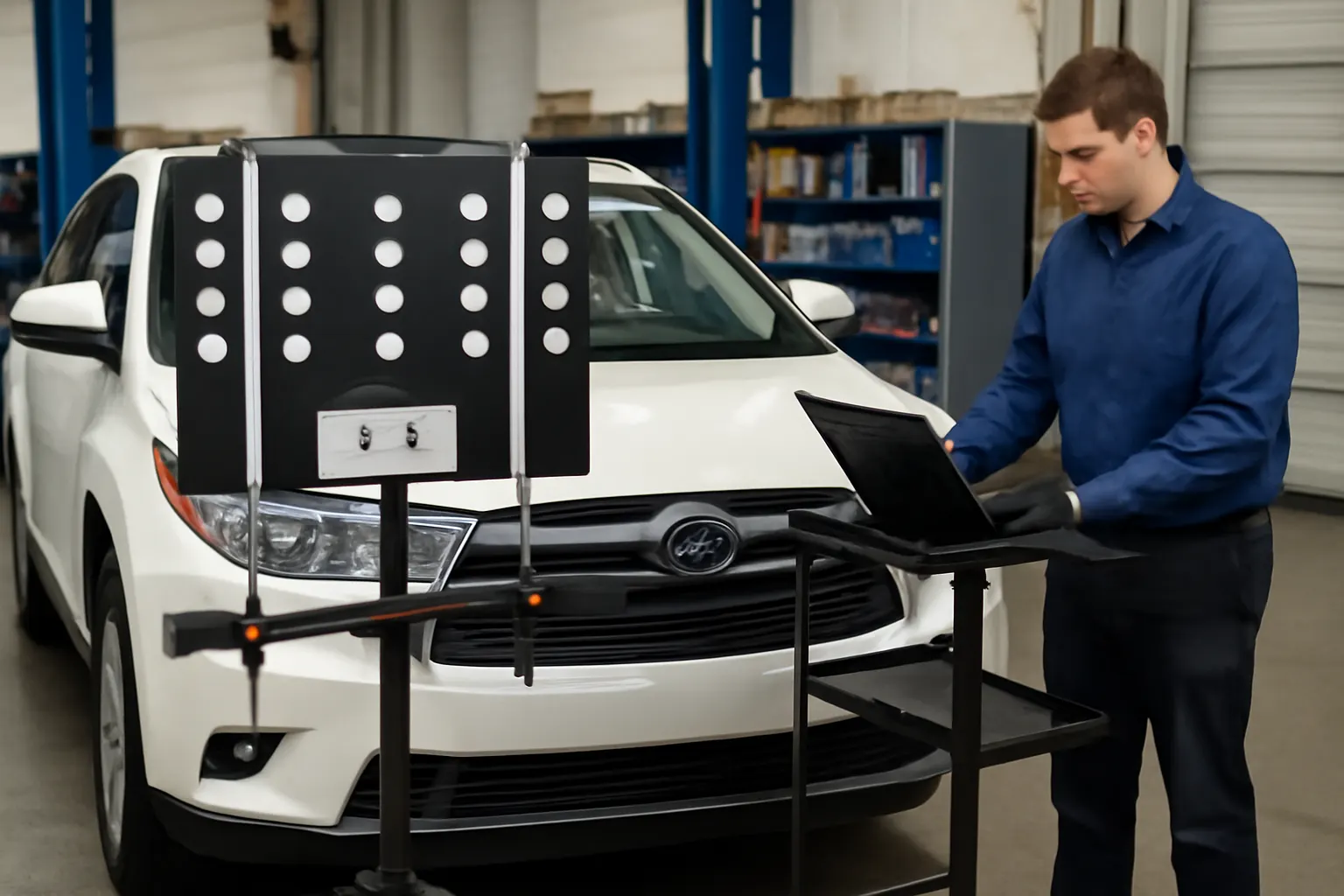
Adas Calibration Importance
Advanced Driver Assistance Systems (ADAS) are now at the core of Toyota’s safety and performance, and proper calibration after windshield or glass replacement is absolutely critical. If your Toyota’s windshield has recently been replaced or repaired, skipping ADAS calibration can compromise everything from lane-keeping assist to emergency braking. In this in-depth guide, we’ll explain exactly why ADAS calibration is non-negotiable after glass work, how it impacts Toyota vehicles, the risks of improper calibration, and how to ensure your Toyota remains safe, compliant, and performing at its best.
Read More
Toyota Oem Vs Aftermarket Glass
Choosing between OEM and aftermarket glass for your Toyota is a decision that impacts safety, fit, and long-term value. For Toyota owners facing windshield or side glass replacement, the immediate answer is clear: OEM glass ensures original fitment, maintains advanced safety features, and is designed to precise Toyota specifications. However, quality aftermarket glass can offer savings and acceptable performance—if you know what to look for.
Read More
Toyota Glass Part Number Lookup
When replacing a Toyota windshield or any glass component, the difference between a seamless installation and a costly mistake often hinges on one crucial detail: the correct part number. This comprehensive guide delivers the essential knowledge and step-by-step methodology you need to identify, decode, and source the right Toyota glass part number—ensuring perfect fitment and compliance with safety standards.
View Guide