
Toyota Front Door Mirror
Toyota Front Door Mirror Solutions: OEM Fitment, Diagnostics, and Expert Sourcing
Toyota front door mirrors are more than just reflective surfaces—they are integral safety, comfort, and style components designed to match the exacting specifications of each Toyota model. Whether you drive a Camry, Corolla, Tacoma, or a late-model RAV4, the front door mirror assembly plays a key role in visibility, side-impact safety, lane monitoring, and overall vehicle aesthetics. Toyota engineers each mirror to interface seamlessly with electronic systems such as heating elements, power adjustment motors, blind spot monitoring sensors, and integrated turn indicators. When sourcing a replacement, understanding the nuances of Toyota’s mirror designs—from mirror glass curvature to mounting bracket geometry—ensures your repair delivers original equipment quality and restores full functionality.
Many Toyota owners are unaware of the complexity hidden within front door mirror assemblies. Beyond the obvious visual match, Toyota mirrors must precisely fit model-specific contours, wiring harnesses, and electronic features. Aftermarket patterns sometimes lack key elements—like correct glass tint, heating grid layout, or plug-and-play connectors. Supersession is another challenge: Toyota’s part numbering system often updates mirror assemblies due to running production changes or safety enhancements, so a previous-generation mirror might not fit newer models or support critical features. Scarcity of certain color-matched housings or integrated electronics can delay repairs, particularly on limited-edition trims. Furthermore, diagnostic issues such as intermittent power fold, mirror vibration at highway speeds, or malfunctioning blind spot indicators may point to deeper wiring or module faults beyond the mirror unit itself, making correct diagnosis and sourcing essential.
Front door mirror failures on Toyota vehicles can result from several manufacturer-specific patterns. High-mileage models sometimes experience mirror glass delamination, where the reflective backing deteriorates due to moisture ingress—a phenomenon more common in coastal or humid regions. On newer models equipped with power folding and memory functions, motor gear wear or control module glitches can cause erratic movement or a complete lack of response. Toyota’s integration of lane departure and blind spot monitoring sensors within mirror housings introduces further compatibility risks, as not all mirrors—OEM or aftermarket—support these technologies identically. Installation issues frequently arise from subtle differences in mounting tabs, wire length, or internal harness pinouts between model years or trims. Incorrect fitment can lead to water leaks, wind noise, or even electrical shorts, especially if connectors are forced or misaligned. Compatibility risks are further magnified by Toyota’s frequent mid-cycle part revisions and supersessions, which demand careful matching of VIN, production date, and option codes when selecting a replacement.
The best practice for sourcing and installing a Toyota front door mirror is to follow an OEM fitment strategy that starts with a precise VIN-based part lookup, ensuring compatibility with your vehicle’s production date, trim, and electronic option set. Diagnostic steps should include a full functional test of all mirror features—including power adjustment, heating, memory, and sensor operation—before and after replacement. In-depth service guidance is available in the Toyota Mirror Replacement Guide, which details step-by-step removal, harness testing, and calibration procedures. Sourcing through trusted suppliers like AutoPartEx guarantees access to genuine Toyota mirrors or premium-grade alternatives that meet or exceed OEM standards. For more on sourcing pitfalls and repair shop best practices, see our Toyota Mirror Fitment and Sourcing Article. Always verify wiring diagrams and connector pinouts for your exact model to avoid post-installation surprises. Utilizing these expert resources and a systematic approach ensures a repair that restores both safety and appearance, while minimizing downtime and cost.
Advertisement
Showing 8 of 16 Toyota front door mirror parts


Advertisement
More Toyota Front Door Mirror options
Filtering for Toyota • Front Door MirrorScan nearby Toyota front door mirror inventory without leaving this page.
No Data Available
Please check back soon when more inventory is available for this part.
Advertisement
Expert Toyota Mirror Fitment: AutoPartEx Advantage & Technical Insights
For Toyota Front Door Mirror, long-term reliability depends on verified fitment, periodic inspection of wear components, and disciplined preventive maintenance. Confirm part numbers by VIN, check supersession notes, and compare mounting points before installation. Review service bulletins and historical failure patterns to prioritize high-risk systems, especially electrical connectors, seals, cooling components, and drivetrain interfaces.
For Toyota Front Door Mirror, long-term reliability depends on verified fitment, periodic inspection of wear components, and disciplined preventive maintenance. Confirm part numbers by VIN, check supersession notes, and compare mounting points before installation. Review service bulletins and historical failure patterns to prioritize high-risk systems, especially electrical connectors, seals, cooling components, and drivetrain interfaces.
Toyota Front Door Mirror: Quick Facts & Owner Checklist
Repair Cost Range
Front door mirror replacement on Toyota models typically costs $120–$250 per side at independent shops; dealership rates may be higher. Advanced features like ADAS or color-matched housings can increase total cost.
Service Timeframe
Most Toyota front door mirrors can be replaced in 1–2 hours. Add extra time for calibration or paint matching on advanced models.
Model Fitment Concerns
Always verify model, trim, and feature set—including power, heating, memory, and sensors—via VIN or part number. Toyota often supersedes part numbers during a model’s lifecycle.
Installation Difficulty
Rated moderate: requires trim removal, careful harness handling, and precise bolt torque. DIY is possible with proper instructions for standard features; advanced mirrors may need professional calibration.
References
- Vehicle, Car Seat, Tire, and Equipment Recalls - National Highway Traffic Safety Administration, accessed 2024-06-10Provides recall data and safety trends for Toyota mirror assemblies and related equipment.
- Materials Technologies - United States Department of Energy, accessed 2024-06-10Details advanced materials used in automotive body and mirror construction for strength and weight reduction.
- Fuel Efficiency - United States Department of Energy, accessed 2024-06-10Discusses the impact of aerodynamic components, like door mirrors, on vehicle efficiency.
Related Guides & Articles

Toyota Front Door Mirror Replacement
Quick steps to replace a Toyota front door mirror (Camry, Corolla, Tacoma): Disconnect the vehicle battery. Remove the door panel (accessing mounting bolts and wiring). Unplug the mirror’s electrical connector. Unscrew and remove the damaged mirror. Install the new mirror, securing it with bolts. Reconnect wiring, reattach the door panel, and test all functions. Many Toyota owners underestimate the complexity and importance of a front door mirror replacement.
View Guide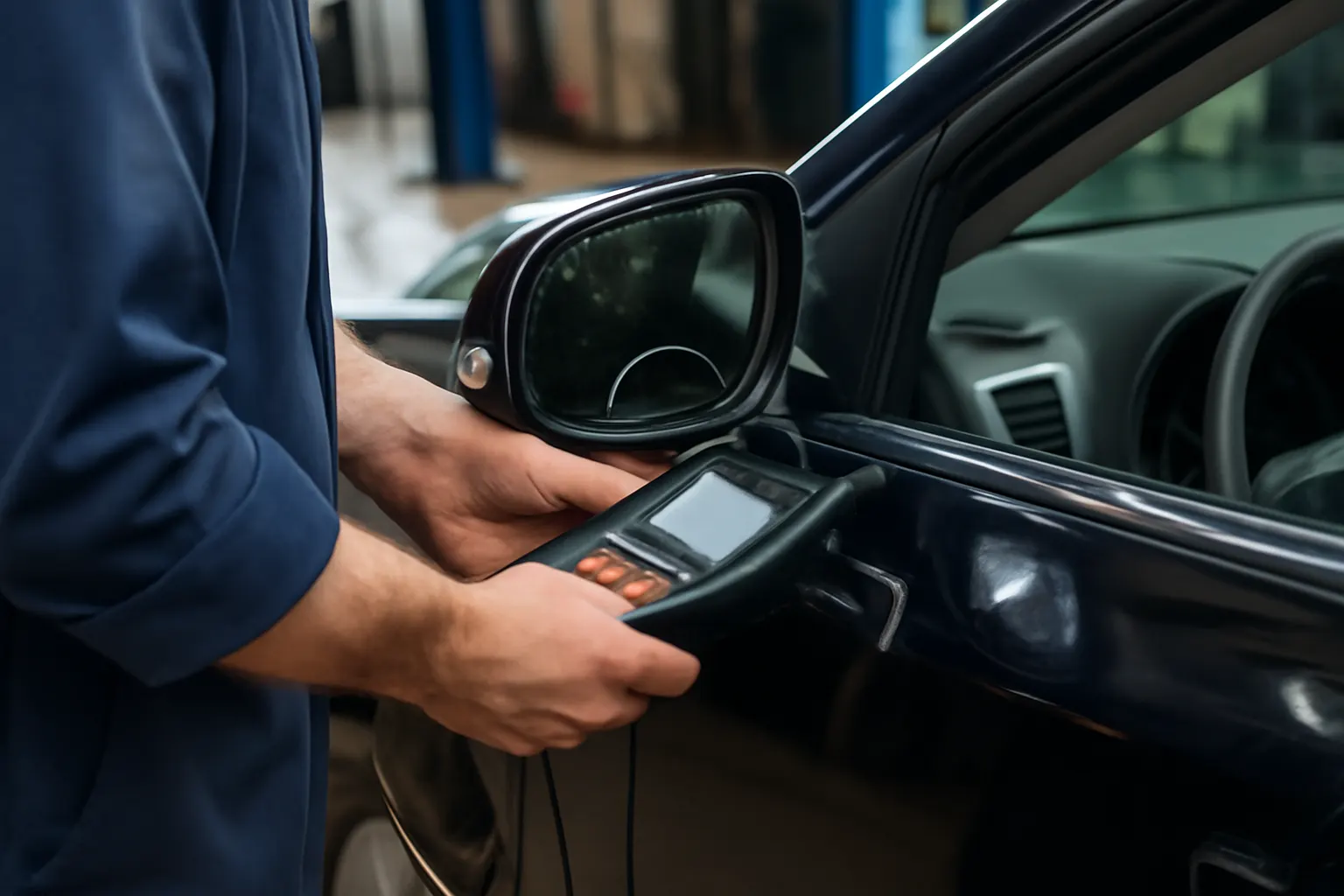
Toyota Mirror Diagnostics
When your Toyota’s front door mirror stops working properly—whether it’s a broken mirror glass, a malfunctioning power fold, or an ADAS sensor error—the right diagnostic approach can save you time, money, and frustration. This comprehensive guide from AutoPartEx provides immediate answers to the most common Toyota mirror failures, walks you through detailed diagnostic steps, and reveals hidden pitfalls with aftermarket replacements.
Read More
Toyota Mirror Fitment Secrets
Unlocking the perfect fit for your Toyota front door mirror is more than a matter of matching shapes—it's about decoding part numbers, understanding supersession histories, and ensuring color and feature compatibility. In this comprehensive guide, you’ll discover how to confidently select, source, and install the right Toyota mirror, ensuring both safety and aesthetics are uncompromised.
Read More
Toyota Mirror Adas Calibration
Advanced Driver Assistance Systems (ADAS) have become standard on late-model Toyota vehicles, making post-replacement calibration of front door mirrors a critical part of safe, compliant repairs. If you’re replacing a Toyota front door mirror on a model equipped with blind spot monitoring, lane departure warning, or integrated cameras, a proper ADAS calibration is not optional—it’s essential.
View Guide