
Advertisement
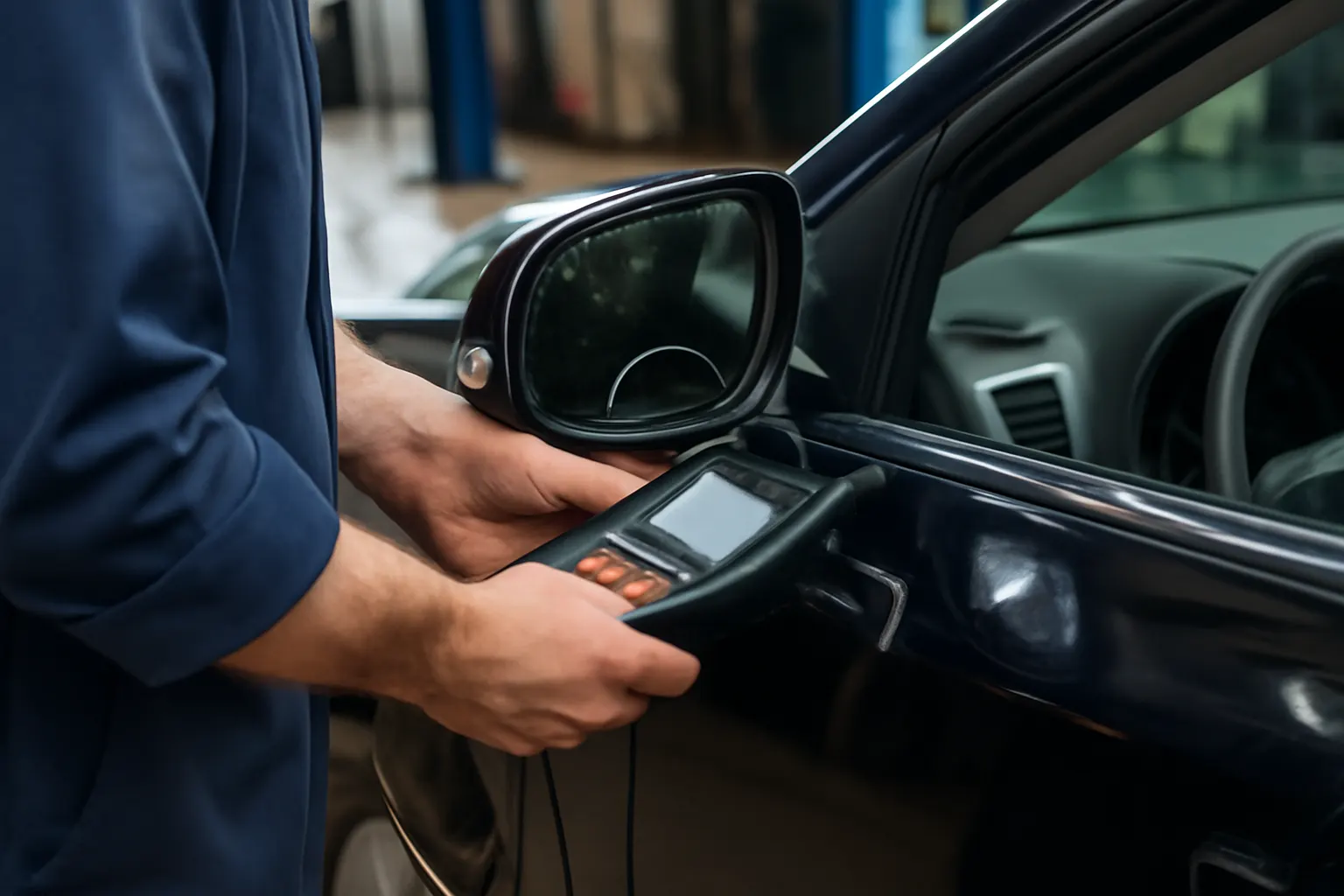
Toyota Mirror Diagnostics
When your Toyota’s front door mirror stops working properly—whether it’s a broken mirror glass, a malfunctioning power fold, or an ADAS sensor error—the right diagnostic approach can save you time, money, and frustration. This comprehensive guide from AutoPartEx provides immediate answers to the most common Toyota mirror failures, walks you through detailed diagnostic steps, and reveals hidden pitfalls with aftermarket replacements. Whether you’re a DIY enthusiast, a professional technician, or sourcing the right part for a body shop, this resource will help you avoid costly mistakes and restore full function and safety to your Toyota.
If you’re looking for a broader overview of Toyota’s OEM mirror solutions, fitment, and expert sourcing, visit our Toyota Front Door Mirror Solutions: OEM Fitment, Diagnostics, and Expert Sourcing category page.
Immediate Answer: Common Toyota Mirror Failures and Fast Diagnostics
Toyota front door mirrors are integral to safety, visibility, and compliance with federal regulations [NHTSA Equipment]. The most frequent mirror issues reported on Toyota models include:
- Mirror glass breakage or delamination
- Power mirror adjustment failure
- Heated mirror element malfunction
- Turn signal or puddle lamp failure
- Power folding mechanism jamming
- Blind spot monitoring (BSM) or ADAS sensor faults
Quick Diagnostic Checklist:
- Visual Inspection: Check for glass cracks, loose housings, and obvious damage.
- Functional Test: Operate all mirror functions (adjustment, fold, heat, lights) using the switch.
- Electrical Test: Use a multimeter to check voltage at the mirror connector.
- Scan Tool Check: For vehicles with ADAS or BSM, scan for diagnostic trouble codes (DTCs).
- Compare Sides: Test both mirrors to isolate switch vs. mirror faults.
Immediate action: If the mirror is physically damaged or not responding, disconnect the battery and inspect the wiring and connector before replacing any parts.
The Hidden Problem: Aftermarket Fitment and Diagnostic Complexity
Many Toyota owners and technicians discover that not all replacement mirrors are created equal. Aftermarket mirrors, while less expensive, often introduce new problems:
- Fitment errors—incorrect mounting, misaligned connectors, or missing features.
- Compatibility issues—non-matching wiring, lack of support for ADAS, or incorrect heating elements.
- Faulty calibration—especially with mirrors integrating lane departure warning or blind spot monitoring.
These pitfalls can lead to repeat failures, non-functional features, or even safety system malfunctions. The complexity increases as more Toyota models integrate advanced driver assistance systems (ADAS) into the mirror assembly.
Expanding the Problem: Why Toyota Mirror Diagnostics Require Precision
1. Safety and Regulatory Compliance
Mirrors are not just convenience features—they are critical for vehicle safety and are required by law [NHTSA Equipment]. Improperly diagnosed or replaced mirrors can result in:
- Reduced visibility and increased blind spots
- Inoperative turn signals or warning indicators
- Non-compliance with federal safety standards
2. Increasing Mirror Technology
Modern Toyota mirrors may include:
- Power adjustment motors
- Integrated heating elements
- Signal and puddle lights
- Memory positioning
- Blind spot detection sensors
- Cameras for surround view or lane assist
Each added feature introduces more potential failure points and complicates diagnostics.
3. ADAS and Calibration Challenges
Many 2015+ Toyota models integrate ADAS features (like BSM or lane departure warning) directly into the mirror assembly. Replacing or repairing these mirrors without proper calibration can compromise safety and system function. Some systems require specialized scan tools and calibration procedures [SAE Standards].
Advertisement
Step-by-Step Toyota Mirror Diagnostic Guide
1. Gather Tools and Information
- Multimeter (for voltage/resistance)
- Trim removal tools
- Toyota wiring diagrams (model/year-specific)
- OBD-II scan tool with ADAS capability (for advanced models)
- Mirror part number reference
2. Visual and Physical Inspection
- Examine the mirror housing, glass, and mounting points.
- Check for signs of impact, water intrusion, or corrosion.
- Inspect the wiring harness and connector for pin damage, corrosion, or loose connections.
3. Functional Testing
- Power on the ignition (do not start engine).
- Operate each mirror function: adjust, fold, heat, lights.
- Note which functions are inoperative or intermittent.
4. Electrical Testing
- Disconnect the mirror harness at the door.
- Use a multimeter to check for:
- Proper voltage at the connector (typically 12V for power, 5V for sensors)
- Ground continuity
- Resistance across heating elements (compare to known-good side)
5. Scan Tool and DTC Check
- Connect an OBD-II scan tool.
- For ADAS-equipped mirrors, scan for BSM, lane assist, or mirror module codes.
- Record and interpret any DTCs found.
6. Compare Sides
- If only one mirror is faulty, swap connectors side-to-side (if harness lengths allow) to determine if the issue follows the mirror or stays with the door wiring/switch.
Table: Toyota Mirror Diagnostic Checklist
| Step | Action | Expected Result | Common Issues If Failed |
|---|---|---|---|
| 1 | Visual Inspection | No damage, secure mount | Cracked glass, loose housing |
| 2 | Power Test | All functions respond | No movement, no lights |
| 3 | Multimeter Test | 12V at connector, correct resistance | No power, open circuit |
| 4 | Scan Tool | No DTCs | BSM/Lane Assist errors |
| 5 | Compare Sides | Fault stays with mirror or wiring | Confirms root cause |
Toyota Mirror ADAS and Sensor Diagnostics
Advanced Toyota mirrors may house:
- Blind Spot Monitoring (BSM) indicators
- Lane Departure Warning (LDW) sensors
- Surround view or 360° cameras
Key Diagnostic Steps:
- Use a scan tool to access ADAS modules.
- Check for sensor alignment errors or calibration requests.
- Verify indicator lamps in mirror glass function with ignition on.
- After replacement, follow Toyota-specific calibration procedures (sometimes requiring a test drive or dealer-level tool).
For more on calibration, see our Toyota Mirror Adas Calibration editorial.
Why Aftermarket Mirror Fitment Often Fails Toyota Owners
Aftermarket mirrors can appear identical but differ in critical ways:
- Mounting Points: Slight differences can prevent proper alignment or cause vibration at speed.
- Connector Pinouts: Toyota often varies wiring even within the same model year, leading to non-functional features if pins are misaligned.
- Missing Features: Heated glass, BSM indicators, or memory functions may be absent, causing warning lights or DTCs.
- Material Quality: Lower-grade plastics or glass can lead to premature failure or poor visibility [DOE Materials Technologies].
Pro Tip: Always verify the Toyota OEM part number and match ALL features before purchasing a replacement.
For in-depth fitment secrets, see Toyota Mirror Fitment Secrets.
Sourcing the Right Toyota Mirror: OEM vs. Aftermarket
OEM (Original Equipment Manufacturer) Mirrors:
- Guaranteed fit and function for your VIN
- Support for all factory features (including ADAS)
- Higher initial cost but lower risk of repeat failure
Aftermarket Mirrors:
- Lower cost, but variable quality and feature support
- May lack support for advanced features or require modification
- Potential for safety and compliance issues if not properly matched
Sourcing Checklist:
- Match your Toyota’s VIN and mirror part number.
- Confirm all features: heat, memory, BSM, camera, power fold.
- Request wiring diagrams or pinout charts if using aftermarket.
- Check return policy in case of fitment or function issues.
Advertisement
Installation Guidance: Best Practices for Toyota Mirror Replacement
1. Preparation
- Disconnect the vehicle battery to prevent electrical shorts.
- Remove door trim carefully using plastic trim tools.
- Label and photograph wiring connections before disconnecting.
2. Removal
- Unbolt the mirror mounting nuts from inside the door.
- Gently pull the mirror assembly free, supporting the wiring harness.
- Inspect the door and harness for hidden damage.
3. Installation
- Align the new mirror and feed the harness through the door.
- Secure the mounting nuts to manufacturer torque spec.
- Reconnect all wiring, ensuring tight and correct fit.
- Test all mirror functions before reinstalling door trim.
4. Post-Installation
- Reconnect the battery.
- Calibrate ADAS systems if required (see Toyota Mirror Adas Calibration).
- Clear any stored DTCs with a scan tool.
For a full step-by-step replacement guide, consult our Toyota Front Door Mirror Replacement resource.
Maintenance Tips to Extend Toyota Mirror Life
- Keep mirrors clean: Dirt and debris can scratch glass or jam folding mechanisms.
- Avoid harsh chemicals: Use only glass cleaner and mild soap on painted or plastic parts.
- Check function regularly: Operate all mirror features monthly to catch issues early.
- Protect from impact: Fold mirrors in when parked in tight spaces or high-traffic areas.
- Address electrical issues promptly: Flickering lights or intermittent movement may indicate wiring problems that, if left unchecked, can damage the mirror module.
Advanced Troubleshooting: When to Seek Expert Help
Certain Toyota mirror issues require advanced tools or dealer-level support:
- Persistent ADAS or BSM errors after replacement
- Physical damage to mirror camera or sensors
- Wiring harness damage inside the door
- Mirrors that fail to calibrate despite following procedures
If your diagnostic efforts do not resolve the issue, consult a Toyota-certified technician or an experienced independent shop with ADAS calibration equipment. Attempting to bypass or ignore sensor faults can compromise vehicle safety and compliance.
Toyota Mirror Diagnostics and Fuel Efficiency
While side mirrors are not a direct contributor to fuel efficiency, their aerodynamic design and integration with vehicle body structure play a role in overall drag and performance [DOE Fuel Efficiency]. Damaged or poorly fitted mirrors can:
- Increase wind noise and drag
- Reduce vehicle stability at speed
- Lead to water leaks or corrosion in the door cavity
Proper diagnostics and fitment ensure your Toyota maintains its designed aerodynamic profile and performance.
The AutoPartEx Approach: Trusted Toyota Mirror Solutions
At AutoPartEx, we understand that precision matters for Toyota front door mirror diagnostics, fitment, and replacement. Our experts:
- Source only verified OEM and high-quality aftermarket mirrors
- Provide detailed wiring diagrams and fitment charts
- Support ADAS and sensor calibration with technical guides
- Ensure compliance with NHTSA and SAE standards for safety and performance
Explore our Toyota Front Door Mirror Solutions: OEM Fitment, Diagnostics, and Expert Sourcing hub for more technical resources, or connect with our parts experts for tailored sourcing guidance.
Call to Action: Your Next Step for Toyota Mirror Restoration
Don’t let a faulty mirror compromise your Toyota’s safety or your peace of mind. Use the diagnostic steps and checklists above to pinpoint the problem, avoid aftermarket pitfalls, and restore full functionality. Whether you’re replacing a simple glass or calibrating advanced sensors, trust AutoPartEx for sourcing, technical support, and best-in-class fitment resources.
Ready to take the next step? Visit our Toyota Front Door Mirror Solutions: OEM Fitment, Diagnostics, and Expert Sourcing page or reach out to our technical team for expert assistance.
References
Advertisement
