
Toyota Exhaust Pipe
Toyota Exhaust Pipe: Genuine Fitment, Failure Patterns & Advanced Sourcing
Toyota exhaust pipes serve as a critical link between your vehicle’s engine and its emissions system, channeling exhaust gases safely through the underbody while ensuring optimal backpressure and compliance with regulatory standards. Whether you drive a Corolla, Camry, Tacoma, or another Toyota model, the exhaust pipe is engineered to precise tolerances for durability, corrosion resistance, and seamless integration with catalytic converters and mufflers. Selecting the right Toyota exhaust pipe is essential for maintaining fuel efficiency, emissions control, and long-term reliability.
Many vehicle owners overlook the complex fitment and engineering considerations unique to Toyota exhaust pipes. While external appearance may seem universal, subtle differences in pipe diameter, mounting flange geometry, and routing can trigger serious fitment issues if the wrong part is installed. Supersession changes—where Toyota updates part numbers or designs—further complicate sourcing, especially for older or high-mileage vehicles. Scarcity of genuine parts for select model years, coupled with aftermarket quality variability, can lead to premature failures, increased noise, or even failed emissions tests. Additionally, diagnostic challenges arise when exhaust leaks or rattling noises are mistakenly attributed to gaskets or hangers rather than the pipe itself.
Toyota exhaust pipes are subject to region-specific corrosion, thermal cycling, and mechanical stress—especially in models operating in northern climates with road salt. Common failure patterns include weld joint separation, pinhole rust-through, and flange warpage, particularly after 60,000–100,000 miles. In some cases, exhaust pipe failures manifest as subtle drops in fuel economy or acceleration, making diagnosis difficult without a thorough inspection. Installation risks are also significant: older Toyotas may require heat shields, specialized clamp systems, or unique catalytic converter couplings, and improper torqueing can result in persistent leaks or check engine lights. Compatibility mismatches between model years or trim levels often go undetected until late in the repair process, leading to extended downtime and increased labor costs.
An effective Toyota exhaust pipe replacement strategy begins with precise VIN-based OEM part identification. Leveraging detailed part diagrams and supersession charts is essential to avoid fitment pitfalls. Technicians should utilize advanced diagnostic techniques, including smoke testing and ultrasonic leak detection, to confirm the root cause before sourcing a new pipe. For installation, adhering to Toyota’s torque specifications and using high-grade gaskets and hardware reduces post-repair issues. To streamline your research, consult our Toyota Exhaust Pipe Replacement Guide for step-by-step sourcing and installation best practices. For deeper insight, visit our Exhaust System Diagnostics Blog, which covers Toyota-specific exhaust troubleshooting and material innovations. Using AutoPartEx’s fitment verification tools, you can confidently source the correct OEM or premium aftermarket pipe, ensuring a durable and emissions-compliant repair.
Advertisement
Showing 1 of 1 Toyota exhaust pipe parts

Advertisement
More Toyota Exhaust Pipe options
Filtering for Toyota • Exhaust PipeScan nearby Toyota exhaust pipe inventory without leaving this page.
No Data Available
Please check back soon when more inventory is available for this part.
Advertisement
Expert Toyota Exhaust Pipe Sourcing & Service: Technical Proof, Field Results, and AutoPartEx Advantage
For Toyota Exhaust Pipe, long-term reliability depends on verified fitment, periodic inspection of wear components, and disciplined preventive maintenance. Confirm part numbers by VIN, check supersession notes, and compare mounting points before installation. Review service bulletins and historical failure patterns to prioritize high-risk systems, especially electrical connectors, seals, cooling components, and drivetrain interfaces.
Toyota Exhaust Pipe: Quick Reference & Service Facts
Average Replacement Cost
$350–$1,200 (varies by Toyota model, corrosion level, and part source; labor and materials included).
Typical Service Timeframe
1.5–4.0 hours depending on model, underbody condition, and required disassembly (additional time for rusted components).
Installation Difficulty
Intermediate to advanced; requires specialized tools for rusted fasteners, precise torque for flanges, and correct alignment of heat shields and sensors.
Common Diagnostic Tools
Smoke machine, ultrasonic leak detector, pressure tester, torque wrench, and VIN-based part lookup resources.
References
- Vehicle, Car Seat, Tire, and Equipment Recalls - National Highway Traffic Safety Administration, accessed 2024-06-20Used for recall patterns and model-year exhaust system issues.
- Fuel Efficiency - United States Department of Energy, accessed 2024-06-20Cited for the impact of exhaust system condition and materials on fuel economy and emissions.
- Materials Technologies - United States Department of Energy, accessed 2024-06-20Referenced for technical discussion of exhaust pipe materials, structural specifications, and longevity.
Related Guides & Articles

Toyota Exhaust Pipe Replacement
Replacing a Toyota exhaust pipe involves: Diagnosing the failure (check for leaks, rust, or cracks). Gathering model-specific replacement parts (ensure fitment for your exact year and trim). Preparing safety equipment and tools (jack stands, penetrating oil, correct sockets/wrenches). Safely lifting and supporting the vehicle. Removing the old pipe (detaching clamps, hangers, and flanges). Cleaning mating surfaces and inspecting related hardware. Fitting the new pipe with fresh gaskets and hardware, ensuring proper alignment. Tightening all connections to manufacturer torque specs.
View Guide
Toyota Exhaust Pipe Materials
Exhaust pipe material selection is a critical factor influencing the durability, emissions performance, and long-term maintenance costs of late-model Toyota vehicles. For Toyota owners, technicians, and parts buyers, understanding the differences in exhaust pipe materials—such as aluminized steel, stainless steel, and specialty alloys—provides a foundation for informed service, diagnostics, and sourcing decisions. This article delivers a deep technical dive into Toyota exhaust pipe materials, referencing field reports, recent service bulletins, and industry standards to clarify best practices and emerging trends.
Read More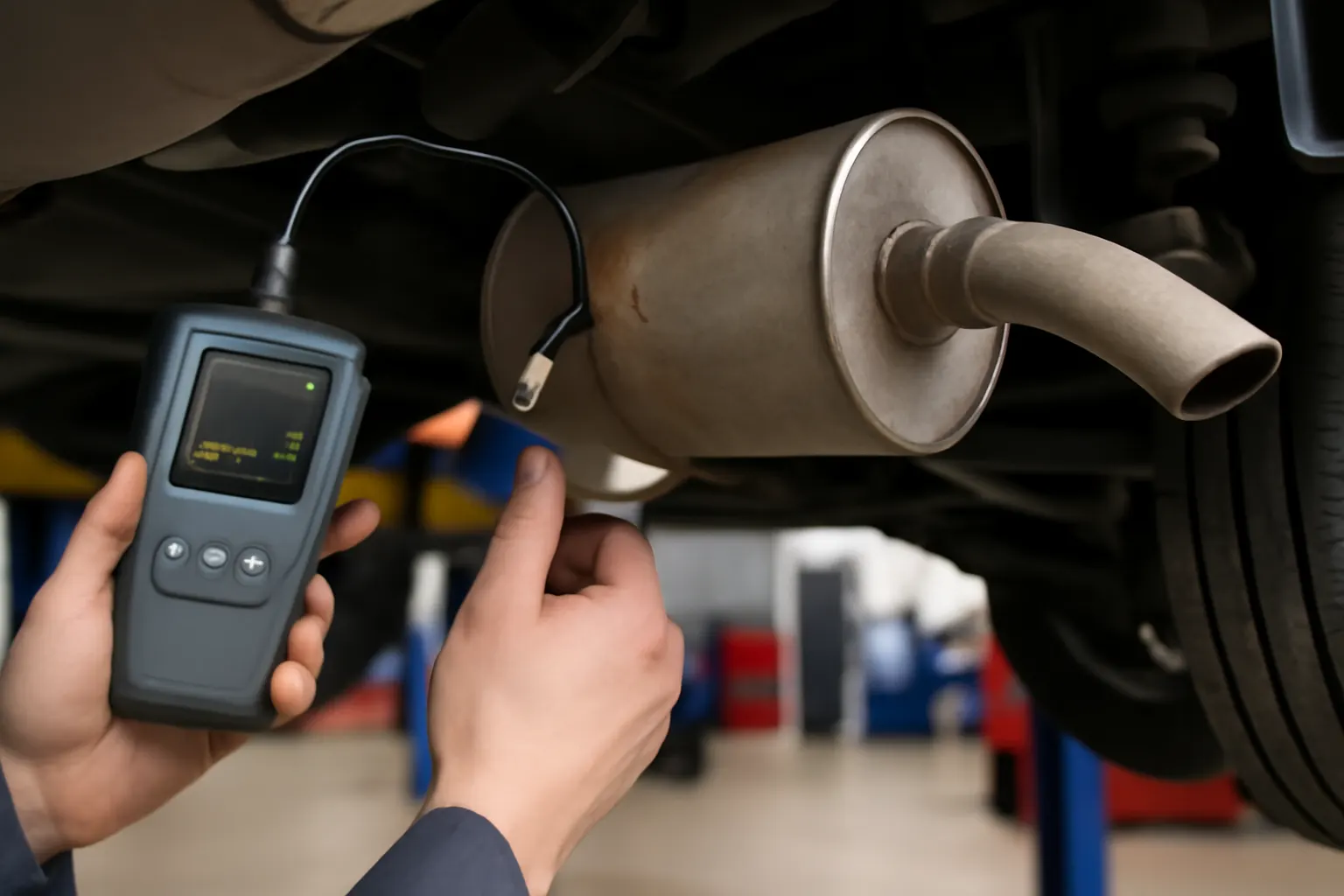
Exhaust System Diagnostics
Diagnosing exhaust system failures in Toyota vehicles is crucial for maintaining safety, fuel efficiency, and compliance with modern standards. Whether you drive a Corolla, Camry, Tacoma, or any Toyota model, understanding the common failure modes, diagnostic methods, and practical solutions can prevent costly repairs and keep your vehicle running at peak performance. This guide delivers actionable steps, field-tested checklists, and advanced sourcing strategies for addressing recurring Toyota exhaust fitment issues.
Read More
Toyota Exhaust Supersession
Toyota exhaust supersession refers to the process by which Toyota updates, replaces, or consolidates part numbers for exhaust pipes and related components. This process is critical for anyone sourcing or replacing Toyota exhaust pipes because it directly affects part compatibility, availability, and fitment. If you order an outdated or incorrect part number without checking for supersession, you risk costly misorders, delays, or improper installation.
View Guide