
Lucid Auto Parts
Lucid Auto Parts: Selection, Service, and Safety Insights
Lucid vehicles are celebrated for their advanced electric technology, but sourcing and servicing their parts demand a unique approach. Owners and technicians alike must navigate specialized fitment, evolving systems, and the importance of transparent repair practices. This article explores overlooked factors in Lucid parts selection, offers practical steps for maintenance, and grounds its recommendations in published evidence, helping you keep your Lucid performing at its best.
Advertisement
Showing 1 of 1 products
Advertisement
More Lucid parts
Filtering for LucidBrowse nearby Lucid inventory without leaving this page. Use search to filter by price, part number, or city.
No Data Available
Please check back soon when more inventory is available for this part.
Advertisement
Why Lucid Parts Require Specialized Consideration
When most people think of Lucid vehicles, their attention is drawn to the brand’s innovative electric drivetrains and luxurious features. However, an often-overlooked aspect is the specialized nature of Lucid’s components. Unlike more established automotive brands, Lucid’s parts are engineered to exacting standards, often with proprietary designs that support advanced systems such as battery cooling and integrated electronics. This means that even routine maintenance tasks can require a higher level of attention to part compatibility and installation procedures.
The intricacy of Lucid’s systems means that not all auto parts are created equal. For example, a radiator assembly or thermal management component from a different electric vehicle may appear similar but could lack the precise fit or functionality required by Lucid’s architecture. Owners who overlook these distinctions risk introducing inefficiencies or even damaging critical vehicle systems. The result is that selecting the correct Lucid part is not simply a matter of matching a general category, but involves understanding the specific requirements of each component.
Many Lucid owners and service providers may not realize how quickly the company’s technology evolves. As Lucid refines its models, even parts that share a name or basic function can change in subtle but significant ways. This rapid evolution means that relying on generic or outdated information can lead to costly mistakes. Staying current with fitment guides and manufacturer updates is essential to ensure that every replacement part supports the vehicle’s performance and safety.

Technical Challenges in Lucid Parts Sourcing and Service
Lucid vehicles, such as the Air series, incorporate highly integrated components that serve multiple functions. Take, for example, the front right radiator and A/C condenser fan assembly: it is not merely a cooling fan, but a carefully engineered system that manages both cabin and battery temperatures. If this assembly is replaced with a non-specific or incompatible part, the vehicle may experience overheating, reduced battery efficiency, or even system failures. The technical challenge is not just about sourcing a part, but about sourcing the right part for the specific model and year.
The rarity of Lucid vehicles compared to legacy brands adds another layer of complexity. Parts are less likely to be stocked in generic auto supply stores, and aftermarket alternatives may not always meet the manufacturer’s specifications. This scarcity can tempt owners or repair shops to substitute parts from other vehicles or earlier Lucid models, but such substitutions often ignore subtle changes in design or function that are critical to vehicle operation. The result can be suboptimal performance or, worse, safety risks.
Another issue is the specificity of fitment for Lucid components. For instance, the radiator assembly for the Lucid Air is designed for model years 2022 through 2025, reflecting ongoing refinements by the manufacturer. Attempting to install a part from a different year or variant can lead to installation difficulties or mismatched electronic controls. This specificity means that even experienced technicians must consult up-to-date fitment guides before ordering or installing parts.
Lucid’s rapid technological advancement also means that service information can quickly become outdated. Owners and service providers must stay informed about the latest manufacturer bulletins and updates. This is particularly important for safety-related components, where a design change may have been introduced to address a previously identified risk. Without access to current documentation, there is a risk of installing obsolete or superseded parts.
Safety recalls, while less common for Lucid due to its recent entry into the market, are still a critical consideration. The process for identifying and addressing recalls is not always straightforward. Tools like the NHTSA’s VIN lookup provide a way to check for open recalls, but these databases may not always reflect the most recent manufacturer communications, especially for newer or less common vehicles. Owners must be proactive in monitoring for updates and ensuring that their vehicle is not subject to unresolved safety issues.
Finally, the cost and complexity of Lucid parts and repairs can be significantly higher than for conventional vehicles. Specialized labor, proprietary components, and the need for precise installation all contribute to higher service bills. This makes it even more important for owners to document repairs, understand the parts being used, and work with technicians familiar with Lucid’s unique requirements. Transparency and communication are key to avoiding unnecessary expenses and ensuring long-term reliability.
Practical Steps for Selecting and Servicing Lucid Auto Parts
The first step in any Lucid parts replacement is to verify compatibility with your specific model and year. The Lucid Model Fitment Guide is an essential resource, providing detailed information about which parts correspond to each vehicle variant. This guide can help you avoid costly mistakes and ensure that every component you purchase will fit and function as intended. Always cross-reference part numbers and consult official documentation before making a purchase.
When planning a repair, it is crucial to obtain a written estimate that clearly identifies the condition to be repaired, the parts required, and the anticipated labor charges. This practice, recommended by the FTC: Auto Repair Basics, is especially important for Lucid vehicles due to their specialized components and the potential for high repair costs. A detailed estimate helps you understand exactly what is being proposed and allows you to compare options if needed.
Choosing between genuine Lucid parts and aftermarket alternatives is another key decision. The Genuine vs. Aftermarket Lucid Parts guide provides a thorough comparison of the benefits and drawbacks of each option. Genuine parts are designed to meet the manufacturer’s exact specifications, offering the best assurance of fit and performance. Aftermarket parts may be less expensive, but their quality and compatibility can vary widely. For critical systems like thermal management or battery cooling, genuine parts are often the safer choice.
Following the manufacturer’s recommended maintenance schedule is essential for preserving the performance and safety of your Lucid vehicle. This includes regular inspections and servicing of advanced systems such as the battery cooling circuit and thermal management assemblies. The Maintaining Lucid’s Advanced Thermal Systems article offers practical advice on keeping these components in optimal condition, helping to prevent issues before they arise.
Monitoring for recalls and safety notices is a responsibility that should not be overlooked. The NHTSA: Vehicle Recalls site allows you to search by VIN to determine if your Lucid has any outstanding safety recalls. Because Lucid is a newer manufacturer, recall information may not always be as readily available as for older brands, making it important to check regularly and stay informed about any updates from the manufacturer.
Documenting all repairs and parts used is a best practice that supports warranty claims and helps future service providers understand your vehicle’s history. Keep detailed records of every repair, including the parts installed, labor performed, and odometer readings. This information can be invaluable if you need to resolve a warranty issue or sell your vehicle in the future.
When dealing with expensive or complex repairs, consider seeking a second opinion from a technician experienced with Lucid vehicles. The FTC recommends this approach to ensure that the proposed work is necessary and that you are getting a fair price. Ask about the technician’s experience with Lucid models and request references if possible. This extra diligence can help you avoid unnecessary repairs and ensure that your vehicle receives the highest quality service.
Finally, always ask for clarification about the type of parts being used in your repair. The FTC distinguishes between new, remanufactured, and salvage parts, each of which has different implications for quality and longevity. For Lucid vehicles, new or genuine parts are generally recommended, especially for critical systems. If a shop proposes using remanufactured or salvage components, ask for details about their source and condition, and weigh the potential risks and benefits before proceeding.
Evidence Supporting Lucid Parts and Service Recommendations
The NHTSA: Vehicle Recalls database is a primary resource for identifying safety-related defects and recalls across all vehicle manufacturers, including Lucid. The NHTSA process involves collecting owner complaints, conducting investigations, and managing recalls to ensure that safety issues are addressed. While the database provides general recall information by make and model, it does not confirm that a specific Lucid vehicle is subject to a recall unless a VIN-based search is performed. This means that owners must use their unique VIN to check for open recalls affecting their particular vehicle, rather than relying solely on general model information.
The NHTSA also outlines the roles of manufacturers and owners in the recall process. Manufacturers are required to notify registered owners of recalls and provide remedies such as repairs, replacements, or refunds. Owners, in turn, are responsible for following interim safety guidance and contacting dealerships to have recalled parts repaired at no cost. For Lucid owners, this process ensures that any identified safety defects are addressed promptly, but it also requires proactive monitoring since recall information for newer or low-volume brands may be updated continuously.
The FTC: Auto Repair Basics publication provides general consumer guidance on repair transparency and parts selection. It advises obtaining written repair estimates, understanding the type of parts being used, and following the manufacturer’s maintenance schedule. While these recommendations are not specific to Lucid, they are particularly relevant given the brand’s specialized components and the potential for high repair costs. The FTC’s guidance helps owners navigate the complexities of sourcing parts and ensures that repairs are conducted transparently and in line with best practices.
The FTC also distinguishes between new, remanufactured, and salvage parts, noting that salvage parts come from another vehicle without alteration. For Lucid vehicles, where precise fit and performance are critical, this distinction is especially important. Owners should be cautious about accepting salvage or remanufactured parts for key systems, as these may not meet the manufacturer’s standards or could introduce unforeseen issues. The FTC’s advice supports the recommendation to prioritize new or genuine parts for Lucid repairs.
The NHTSA’s recall process is designed to ensure that safety-related defects are systematically tracked and resolved. This involves screening owner complaints, analyzing defect petitions, and conducting formal investigations. For Lucid owners, this means that any widespread safety issue is likely to be identified and addressed through official channels. However, the NHTSA also notes that some recalls may not be immediately visible in the database, particularly for newer manufacturers or recently announced campaigns. Regular VIN checks are therefore essential for staying up to date.
Neither the NHTSA nor the FTC provides technical specifications, service intervals, or failure rates for Lucid components. Instead, they offer frameworks for identifying recalls, understanding repair options, and ensuring transparency in the repair process. This means that owners must rely on official fitment guides and manufacturer documentation for technical details, rather than assuming compatibility based on general category or appearance. The absence of published statistics on Lucid part failures underscores the importance of careful part selection and documentation.
In summary, the evidence from NHTSA and FTC publications supports a cautious, informed approach to Lucid parts selection and service. Owners should use VIN-based recall checks, obtain detailed repair estimates, and prioritize genuine parts for critical systems. While there is no published data on failure rates or specific repair outcomes for Lucid vehicles, the general guidance provided by these agencies aligns with best practices for maintaining advanced electric vehicles. By following these recommendations, owners can help ensure the safety, reliability, and performance of their Lucid vehicles.
Take the Next Step in Maintaining Your Lucid Vehicle
Maintaining your Lucid vehicle with the right parts and service approach is essential for preserving its advanced performance and safety. Use resources like the Lucid Model Fitment Guide and Lucid Battery System Service to stay informed about the latest fitment and maintenance recommendations. Always verify part compatibility, request detailed repair estimates, and keep thorough records of all service work. By taking these proactive steps, you can ensure that your Lucid remains a benchmark for electric vehicle innovation and reliability.
References
- NHTSA: Vehicle Recalls
- FTC: Auto Repair Basics
References
- NHTSA: Vehicle Recalls - NHTSA, accessed 2026-11-01
- FTC: Auto Repair Basics - FTC, accessed 2026-11-01
Related Guides & Articles

Lucid Model Fitment Guide
Sourcing the correct Lucid part—whether for the Air, Gravity, or a future Lucid model—demands more than just a model year and trim. This guide equips you with a step-by-step approach to Lucid model family differences, part compatibility signals, and precise part number lookup procedures, ensuring you never risk a costly misfit or a safety compromise. Whether you’re an owner, technician, or parts specialist, this guide eliminates the guesswork.
View Guide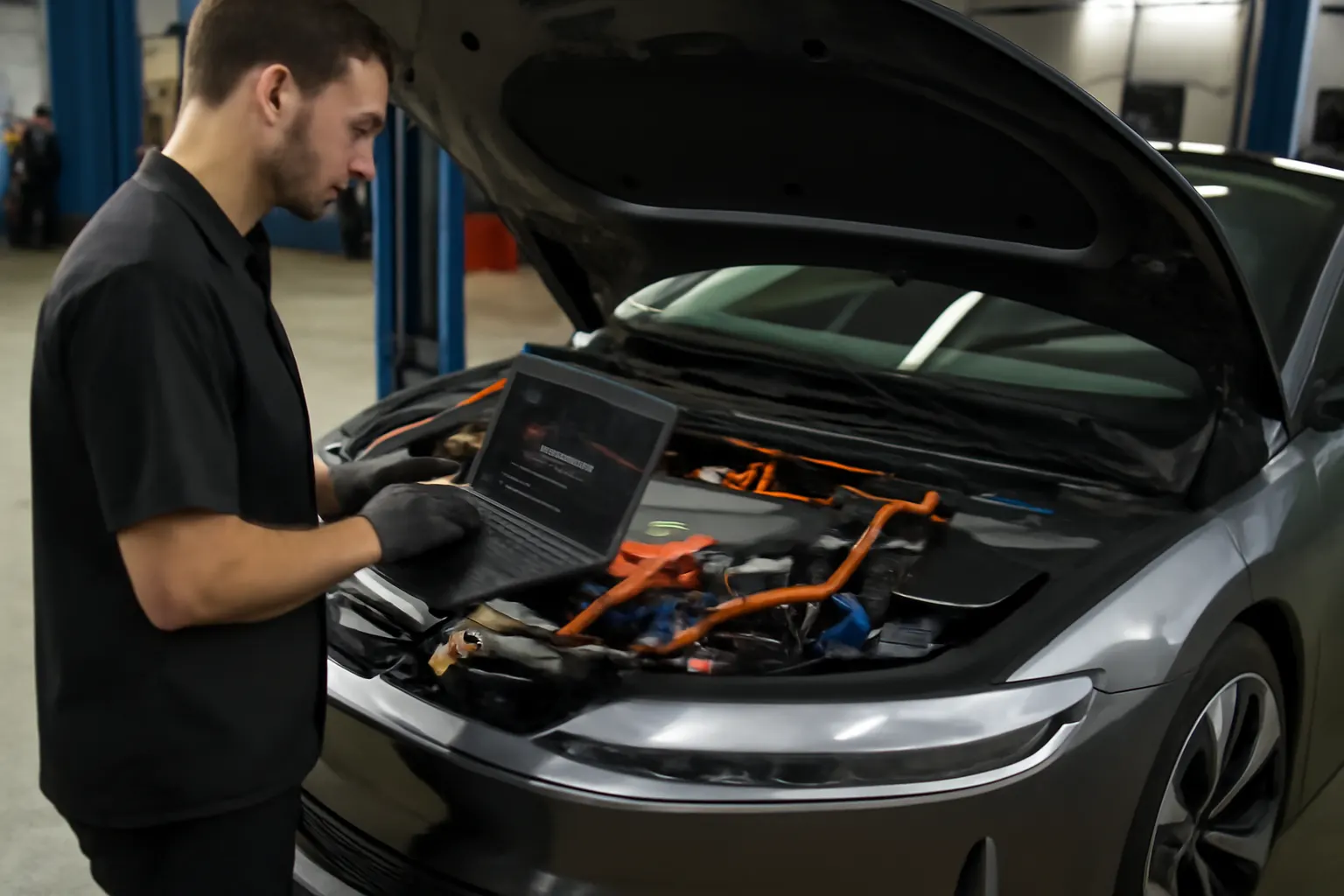
Lucid Battery System Service
Lucid’s battery systems are among the most sophisticated in the EV market, featuring high-energy-density cells, advanced thermal management, and tightly integrated Battery Management Systems (BMS). These innovations deliver exceptional range and performance, but they also introduce unique service requirements. Unlike traditional ICE vehicles, Lucid batteries require specialized diagnostic tools, safety protocols, and knowledge of proprietary architectures. Lucid utilizes a modular battery pack architecture, typically composed of hundreds of lithium-ion pouch or cylindrical cells arranged in series and parallel configurations.
Read More
Genuine vs. Aftermarket Lucid Parts
When maintaining or upgrading your Lucid EV, the choice between genuine (OEM) and aftermarket parts is critical to performance, safety, and longevity. Genuine Lucid components are engineered to precise standards, while aftermarket options can offer savings or unique features. However, not all parts are created equal, and making the wrong choice can introduce safety risks, reduce efficiency, or even void your vehicle’s reliability.
View Guide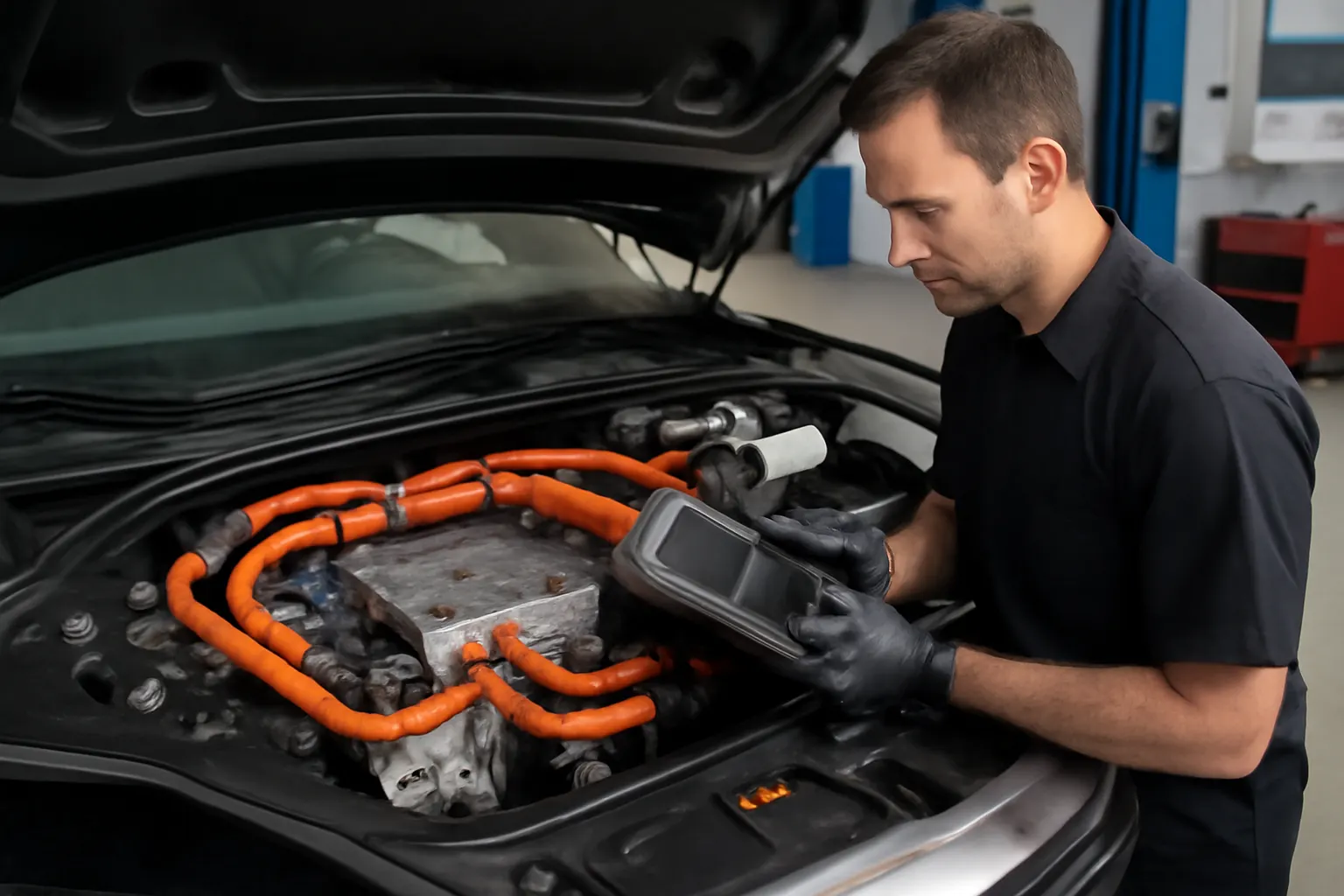
Maintaining Lucid’s Advanced Thermal Systems
Lucid’s advanced electric vehicles, especially the Lucid Air, are renowned for their exceptional range and performance—thanks in no small part to their sophisticated thermal management systems. Whether you’re a Lucid owner, technician, or parts specialist, understanding how to maintain, diagnose, and replace components within these cooling circuits is essential for vehicle safety, efficiency, and longevity.
Read More