Advertisement
Lucid Battery System Service
Lucid’s cutting-edge EVs are powered by advanced battery architectures that demand precise maintenance, timely diagnostics, and expert service protocols. Whether you’re a Lucid owner, independent technician, or fleet manager, understanding how to keep Lucid’s battery systems healthy is essential for maximizing performance, safety, and long-term value. This guide delivers actionable maintenance checklists, diagnostic workflows, and real-world insights from Lucid service bays—ensuring your Lucid battery system delivers peak efficiency and reliability. For an extensive range of genuine and aftermarket Lucid battery system components, visit our Lucid OEM & Aftermarket Auto Parts category.
Why Lucid Battery System Service Demands Special Attention
Lucid’s battery systems are among the most sophisticated in the EV market, featuring high-energy-density cells, advanced thermal management, and tightly integrated Battery Management Systems (BMS). These innovations deliver exceptional range and performance, but they also introduce unique service requirements. Unlike traditional ICE vehicles, Lucid batteries require specialized diagnostic tools, safety protocols, and knowledge of proprietary architectures.
The Hidden Challenge: Complexity and Safety
While Lucid batteries are designed for longevity, their complexity can mask early warning signs of degradation or malfunction. High-voltage systems pose significant safety hazards if mishandled, and improper maintenance can void warranties or compromise vehicle safety. The challenge is not just about maintaining battery health—it’s about understanding the interplay between software, hardware, and environmental factors unique to Lucid’s design philosophy.
Understanding Lucid’s Battery Architecture
Lucid utilizes a modular battery pack architecture, typically composed of hundreds of lithium-ion pouch or cylindrical cells arranged in series and parallel configurations. These modules are managed by a multi-layered BMS, which constantly monitors voltage, current, temperature, and state-of-charge across the pack.
Key Features:
- High-Energy Density Cells: Lucid’s proprietary cell chemistry prioritizes energy density and cycle life, supporting extended range and rapid charging.
- Thermal Management: Integrated liquid-cooling channels and phase-change materials maintain optimal cell temperature, crucial for performance and longevity.
- Redundant Safety Systems: Multiple layers of electrical and thermal monitoring minimize the risk of thermal runaway or electrical faults.
Understanding these features is essential for anyone servicing Lucid batteries, as each impacts diagnostic procedures, safety protocols, and maintenance intervals.
Battery System Diagnostics: Protocols and Tools
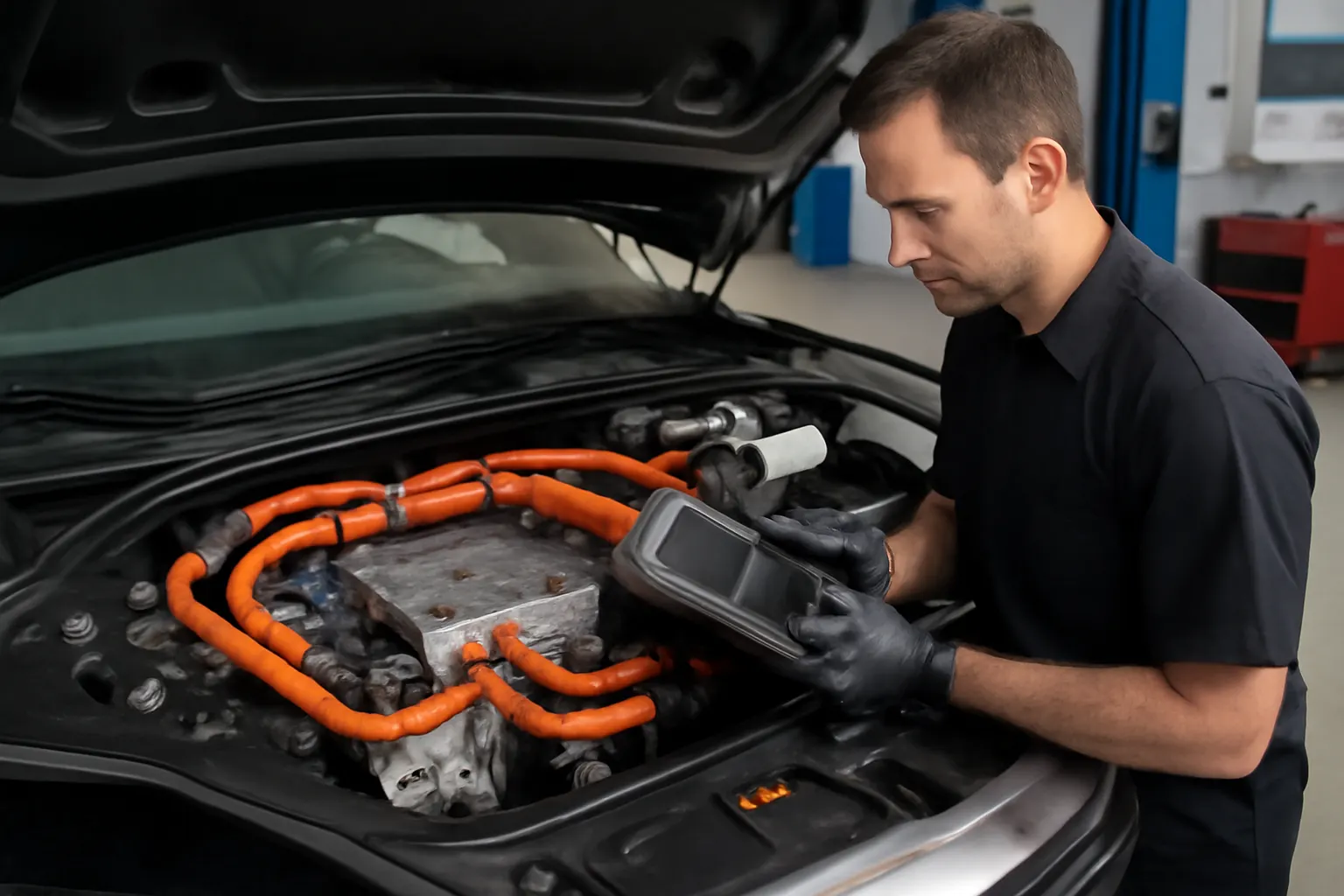
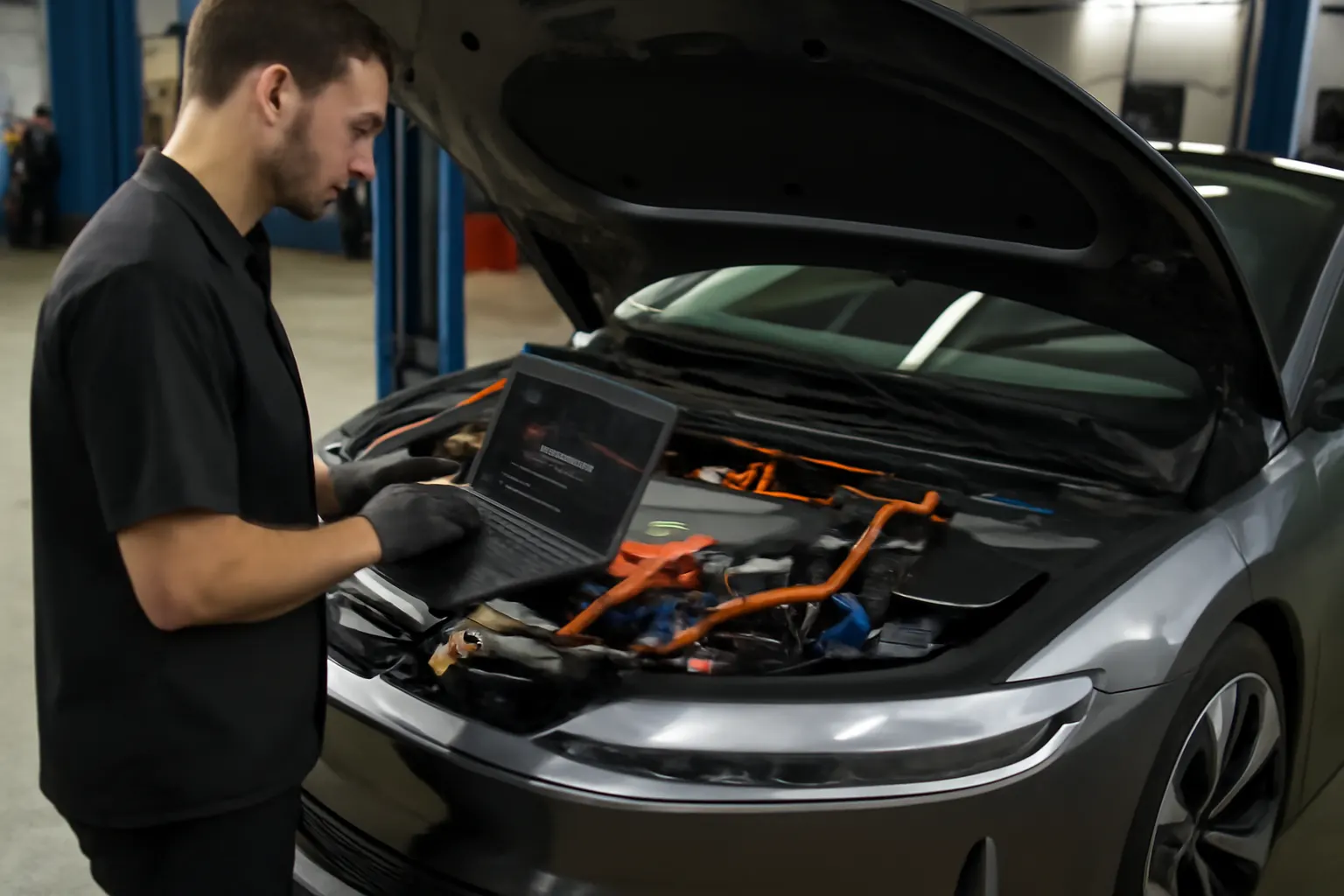
Diagnosing a Lucid battery system requires more than a basic OBD-II reader. Specialized diagnostic tools interface directly with the BMS, allowing technicians to access real-time cell voltages, temperature gradients, and error logs.
Essential Diagnostic Steps
- Pre-Service Safety Checks: Always isolate high-voltage circuits and don appropriate PPE before interacting with battery modules.
- BMS Data Analysis: Use manufacturer-approved diagnostic software to scan for fault codes, cell imbalances, and thermal anomalies.
- Physical Inspection: Visually inspect connectors, cooling lines, and module casings for signs of corrosion, leaks, or damage.
- Voltage and Resistance Testing: Measure module voltages and interconnect resistance to identify failing cells or high-resistance joints.
- Thermal Imaging: Use infrared cameras to detect hot spots that may indicate cooling failures or internal shorts.
Diagnostic Checklist
| Step | Tool/Procedure | Pass Criteria |
|---|---|---|
| High-voltage isolation | Insulation tester, PPE | 0 leakage, safe voltage drop |
| BMS scan | Lucid diagnostic software | No active fault codes |
| Cell voltage check | Multimeter, BMS interface | All cells within 0.02V of group average |
| Cooling system inspection | Visual, pressure test | No leaks, pressure stable |
| Thermal imaging | IR camera | No abnormal hot/cold spots |
Preventive Maintenance for Lucid Battery Systems
Routine maintenance is key to preserving battery health and ensuring safety. Unlike ICE vehicles, Lucid’s battery maintenance schedule is more predictive and data-driven, leveraging BMS analytics to guide service intervals.
Advertisement
Core Maintenance Tasks
- Cooling System Service: Check coolant levels, inspect hoses, and flush system as recommended by Lucid’s service interval.
- Connector Cleaning: Use non-conductive cleaners on battery and BMS connectors to prevent corrosion and signal loss.
- Software Updates: Apply the latest BMS and vehicle firmware to optimize battery performance and address known issues.
- Thermal Interface Material (TIM) Inspection: Assess and replace TIM as needed to maintain effective heat transfer.
Maintenance Checklist
| Task | Interval | Notes |
|---|---|---|
| Coolant inspection | Every 12 months/15,000 mi | Top up with Lucid-approved coolant |
| Connector cleaning | Every 24 months | Use manufacturer-approved products |
| Firmware update | As released | Schedule during routine service |
| TIM inspection | Every 36 months | Replace if dry or degraded |
Real-World Case Studies: Lessons from Lucid Service Bays
Case Study 1: Early Cell Degradation Detected by BMS
A Lucid Air owner reported reduced range after 40,000 miles. BMS diagnostics revealed one module with persistent voltage deviation. Early intervention allowed cell balancing and module replacement before the issue escalated, restoring range and preventing a larger system failure.
Case Study 2: Cooling System Leak
A fleet Lucid suffered from rapid battery temperature rise during DC fast charging. Inspection found a pinhole leak in a cooling line, leading to localized overheating. Prompt identification and repair avoided thermal runaway and potential pack replacement.
Case Study 3: Software-Resolved Charging Fault
A recurring charging error was traced to outdated BMS firmware. After updating to the latest Lucid release, the error cleared, and charging rates normalized. This underscores the importance of staying current with OEM software releases.
Safety Protocols: High-Voltage Best Practices
Servicing Lucid batteries involves high-voltage risks that demand strict adherence to safety standards, including those outlined by SAE International and the National Highway Traffic Safety Administration.
Core Safety Measures
- High-Voltage PPE: Always wear insulated gloves, face shields, and arc-rated clothing.
- Lockout/Tagout: Physically disconnect and lock out high-voltage connectors before service.
- Isolation Verification: Use a high-voltage meter to confirm zero voltage before proceeding.
- Fire Suppression: Keep Class D fire extinguishers on hand when working with battery modules.
Neglecting these protocols can result in severe injury or equipment damage, emphasizing the need for trained personnel and proper equipment.
Common Battery System Faults and How to Address Them
Even with advanced design, Lucid battery systems can experience faults. Recognizing and addressing these early is critical for safety and cost control.
Typical Faults
- Cell Imbalance: Detected by BMS; may require cell balancing or module replacement.
- Overheating: Often caused by cooling system issues; resolve by repairing leaks or replacing pumps.
- Connector Corrosion: Leads to voltage drop and communication errors; clean or replace affected connectors.
- Software Glitches: Can cause erroneous fault codes or charging issues; update firmware as needed.
Resolution Steps
- Scan for Fault Codes: Use Lucid’s diagnostic tools.
- Isolate the Problem: Cross-reference BMS data with physical inspection.
- Replace or Repair: Swap faulty modules, repair leaks, or update software.
- Re-Test: Verify resolution with a post-repair BMS scan and road test.
Maximizing Battery Longevity: Best Practices for Lucid Owners
Battery lifespan is influenced by usage patterns, charging habits, and environmental factors. Lucid’s BMS is designed to optimize these variables, but owner behavior remains a critical factor.
Owner Tips
- Avoid Frequent DC Fast Charging: Use Level 2 charging for daily needs; reserve fast charging for trips.
- Maintain Moderate State-of-Charge: Keep battery between 20% and 80% for regular use.
- Park in Moderate Temperatures: Avoid prolonged exposure to extreme heat or cold.
- Schedule Regular Maintenance: Adhere to Lucid’s recommended service intervals.
Implementing these practices can extend battery life and preserve vehicle value.
Sourcing Genuine and Aftermarket Lucid Battery Parts
When repairs or replacements are necessary, sourcing the correct parts is paramount. Using genuine Lucid components ensures compatibility and preserves system integrity, while select aftermarket parts can offer cost-effective alternatives if they meet OEM specifications.
Advertisement
Sourcing Checklist
| Consideration | Genuine Parts | Aftermarket Parts (High Quality) |
|---|---|---|
| Compatibility | Guaranteed | Must verify fitment |
| Warranty Protection | Maintains OEM | May impact warranty |
| Availability | Dealer/authorized | Select suppliers |
| Standards Compliance | Meets SAE | Verify against SAE Standards |
For detailed guidance on sourcing, see our Genuine vs. Aftermarket Lucid Parts resource.
Diagnostic Protocols: Step-by-Step Workflow
Proper diagnosis is the foundation of effective Lucid battery service. Here’s a step-by-step workflow used in professional service bays:
- Initial System Scan: Connect Lucid diagnostic interface; record all BMS-reported errors.
- High-Voltage Isolation: Disconnect main battery relays and verify zero voltage.
- Visual Inspection: Check for physical damage, leaks, or corrosion.
- BMS Data Review: Analyze cell voltages, temperatures, and charge/discharge history.
- Thermal System Test: Run coolant pumps and check for flow/pressure anomalies.
- Physical Testing: Use multimeters and resistance meters on suspect modules.
- Repair or Replace: Address identified issues per Lucid service guidelines.
- System Reinitialization: Reconnect, update software if needed, and clear codes.
- Final Validation: Perform a road test and re-scan to confirm resolution.
Installation and Removal: Battery Pack Service Essentials
Battery pack removal and installation are among the most complex Lucid service tasks, requiring specialized lifts, fixtures, and safety protocols.
Key Steps
- Prepare Work Area: Ensure adequate space, ventilation, and fire suppression.
- Vehicle Lift: Use manufacturer-approved lifting points and battery cradle.
- Electrical Isolation: Disconnect 12V and high-voltage systems.
- Cooling Disconnect: Safely drain and cap coolant lines.
- Mechanical Fasteners: Remove pack mounting bolts in sequence to prevent distortion.
- Pack Removal: Lower battery using a dedicated lift to avoid damage.
- Installation: Reverse procedure, ensuring all connectors and fasteners are torqued to spec.
- System Re-commissioning: Bleed coolant system, re-initialize BMS, and update firmware as needed.
Regulatory and Safety Standards Compliance
Lucid battery systems are designed to meet rigorous safety and performance standards, including those set by the National Highway Traffic Safety Administration and SAE International. Compliance ensures that repairs and replacements do not compromise vehicle safety or regulatory status.
Key Standards
- SAE J2464: Provides guidelines for lithium-ion battery system safety testing.
- FMVSS 305: Establishes minimum requirements for electric vehicle safety.
- SAE J1797: Specifies standards for battery pack service disconnects.
Adhering to these standards is essential for both independent technicians and service centers.
Fitment and Compatibility: Ensuring the Right Part for the Right Lucid
Battery modules and components are often model- and year-specific. Always reference detailed fitment guides before ordering or installing parts.
Fitment Best Practices
- VIN Verification: Match vehicle VIN to component part numbers.
- Reference Service Bulletins: Review Lucid technical bulletins for updated fitment info.
- Use Fitment Guides: Consult resources like the Lucid Model Fitment Guide to confirm compatibility.
Incorrect fitment can lead to system faults, reduced performance, or safety hazards.
Integrating Battery Service with Lucid’s Advanced Thermal Systems
Lucid’s battery performance is tightly linked to its thermal management systems. Overlooking thermal service can undermine even the best battery maintenance.
Integrated Service Tips
- Coordinate Battery and Cooling Service: Schedule simultaneous inspection of both systems.
- Monitor Thermal Logs: Use BMS data to spot emerging cooling issues.
- Replace Thermal Materials Together: When replacing battery modules, also inspect and replace adjacent thermal interface materials.
Explore more on this topic in our Maintaining Lucid’s Advanced Thermal Systems guide.
AutoPartEx: Your Partner for Lucid Battery System Excellence
AutoPartEx is committed to supporting Lucid owners and technicians with the most accurate fitment data, genuine and high-quality aftermarket parts, and the latest technical resources. Our curated Lucid Parts Category ensures you find parts that meet or exceed OEM and SAE standards, while our editorial guides empower you to make informed service decisions.
Whether you’re sourcing a replacement battery module, updating your diagnostic toolkit, or seeking expert fitment advice, AutoPartEx is your trusted resource for all things Lucid.
References
Advertisement