
Ferrari Auto Parts
Ferrari Auto Parts: Authenticity, Recalls, and Maintenance Essentials
Ferrari ownership is about more than performance—it's about safeguarding your investment with the right parts and maintenance. Many overlook the subtle risks of using incompatible or counterfeit components, which can undermine both safety and value. This page guides you through the essentials of Ferrari parts selection, recall awareness, and evidence-based maintenance, so you can protect your vehicle’s legacy and enjoy every drive with confidence.
Advertisement


Advertisement
More Ferrari parts
Filtering for FerrariBrowse nearby Ferrari inventory without leaving this page. Use search to filter by price, part number, or city.
No Data Available
Please check back soon when more inventory is available for this part.
Advertisement
Beyond Performance: The Overlooked Value of Genuine Ferrari Parts
Many Ferrari enthusiasts focus on horsepower, handling, and the thrill of the drive, but the details behind the scenes often go unnoticed. One such detail is the critical importance of using authentic, model-specific parts when maintaining or repairing your Ferrari. The temptation to cut corners with generic or questionable components can be strong, especially with the proliferation of online marketplaces and third-party sellers. Yet, the risks associated with non-genuine parts extend far beyond mere performance concerns.
It’s easy to underestimate how even the smallest component—be it a timing belt, gasket, or sensor—can impact the overall integrity of a Ferrari. These vehicles are engineered with precision, and their parts are designed to work in harmony. Substituting a single incompatible part can disrupt this balance, potentially leading to cascading failures or even safety hazards. For many owners, this aspect of Ferrari stewardship is often overlooked until a problem arises.
Another subtle but crucial factor is the challenge of verifying part authenticity. Counterfeit and misrepresented parts have become increasingly sophisticated, making it difficult for even experienced owners to distinguish genuine Ferrari components from high-quality imitations. The consequences of installing such parts can range from minor annoyances to catastrophic engine damage. Recognizing the importance of authenticity and fitment is the first step toward responsible Ferrari ownership and long-term vehicle value preservation.

Understanding the Risks: Recalls, Counterfeits, and Ferrari’s Unique Challenges
Ferrari vehicles, while celebrated for their engineering, face unique challenges when it comes to recalls and part compatibility. Unlike mass-market brands, Ferrari’s limited production runs and specialized components mean that recalls may not always be widely publicized or easily traceable through general databases. Owners may assume their vehicle is unaffected simply because no recall notice has arrived, but this can be a dangerous misconception.
The National Highway Traffic Safety Administration (NHTSA) offers a VIN-based recall lookup tool, which is a vital resource for any vehicle owner. However, the NHTSA database has limitations, particularly for specialty and ultra-luxury brands like Ferrari. As outlined in the NHTSA’s official recall guidance, not all recalls—especially those older than 15 years or managed directly by the manufacturer—are reflected in public databases. Ferrari owners must therefore be proactive, checking both public resources and consulting official Ferrari service centers for the most current information.NHTSA: Vehicle Recalls
Beyond recalls, the prevalence of counterfeit Ferrari parts presents a significant risk. Counterfeiters increasingly target high-value brands, producing parts that closely mimic genuine components in appearance and packaging. These fakes may lack the precise tolerances and materials required for Ferrari’s demanding applications, leading to premature wear, performance loss, or even catastrophic failure. The challenge is compounded by the global nature of the parts market, where unscrupulous sellers may offer attractive prices but little assurance of authenticity.
Even when parts are not counterfeit, compatibility issues can arise. Ferrari’s engineering philosophy means that many components are bespoke to specific models and production years. A part that fits a 458 Italia may be entirely unsuitable for a 488 GTB, despite superficial similarities. Owners who rely on generic fitment claims or cross-reference guides without verifying part numbers risk costly mistakes. The complexity of Ferrari’s parts catalog demands careful attention to detail and a willingness to consult authoritative resources.
Another overlooked risk is the reliance on non-specialist repair shops. While many independent mechanics are highly skilled, Ferrari’s unique systems and service requirements often necessitate specialized training and equipment. The Federal Trade Commission (FTC) advises consumers to verify a technician’s experience with their specific make and model before authorizing repairs. For Ferrari owners, this is especially important, as improper installation or diagnosis can lead to further complications and void warranties.FTC: Auto Repair Basics
Finally, the absence of standardized warranties on repairs and replacement parts adds another layer of complexity. Unlike mainstream brands, where parts and labor warranties are often clearly defined, Ferrari owners must carefully review the terms of any repair or parts purchase. This includes understanding whether new, remanufactured, or salvage parts are being used, and what recourse is available in the event of a failure. Navigating these challenges requires diligence, trusted sources, and a clear understanding of the risks involved.
A Practical Approach: Selecting, Verifying, and Maintaining Ferrari Parts
The first step in responsible Ferrari maintenance is to ensure that every replacement part is both authentic and precisely matched to your vehicle. Begin by referencing the official Ferrari Parts Number Decoding guide, which explains the logic behind Ferrari’s part numbering system. This resource allows you to verify that a part is intended for your exact model and production year, reducing the risk of compatibility issues. When in doubt, cross-check part numbers with official Ferrari documentation or consult a specialized Ferrari parts advisor.
When sourcing parts, prioritize authorized Ferrari dealers or reputable suppliers with a proven track record. These sellers can provide documentation of authenticity and, in some cases, manufacturer-backed guarantees. Be wary of deals that seem too good to be true, especially from online marketplaces or unfamiliar vendors. Inspect packaging for correct branding, serial numbers, and quality seals, and compare these details with known genuine examples. If possible, request photographs of the actual part before purchase, and use guides like How to Spot Counterfeit Ferrari Parts to aid in your evaluation.
For maintenance and repairs, always obtain a detailed written estimate before authorizing any work. The FTC recommends that this estimate specify the condition to be repaired, the parts required, and the anticipated labor charges. For complex or high-cost repairs, consider seeking a second opinion from another Ferrari-experienced technician. This not only helps verify the necessity of the work but also provides an opportunity to compare recommendations and pricing.FTC: Auto Repair Basics
Timing belt replacement is a prime example of a critical Ferrari maintenance task that demands precision and expertise. Ferrari’s high-revving engines are particularly sensitive to timing belt condition, and failure to replace the belt at appropriate intervals can result in catastrophic engine damage. Consult the Ferrari Timing Belt Replacement Guide for model-specific intervals and diagnostic checks. Always ensure that timing belt service is performed by technicians familiar with Ferrari engines to avoid costly errors.
To further safeguard your investment, maintain a comprehensive service record that includes all parts purchases, repair orders, and odometer readings. This documentation not only helps track maintenance history but also supports vehicle value in the event of resale. After each service, request a completed repair order that lists the work performed, the parts used, and any recommendations for future maintenance. This level of detail is particularly important for Ferrari owners, given the brand’s emphasis on provenance and service history.
Stay proactive about recall awareness by regularly checking both the NHTSA recall database and contacting your local Ferrari dealership or authorized service center. Because not all Ferrari recalls are captured in public databases, direct communication with the manufacturer or its representatives is essential. Register your vehicle with Ferrari’s owner services to receive timely recall notifications and service bulletins. This dual approach ensures that you are informed of any safety-related issues and can address them promptly.
When evaluating repair recommendations, compare them against Ferrari’s official maintenance schedules, such as those discussed in Ferrari Maintenance Essentials: Service Patterns. This helps avoid unnecessary or premature replacements and ensures that your vehicle receives only the services it truly needs. If a shop proposes additional work beyond the manufacturer’s recommendations, ask for a clear explanation and supporting evidence. This approach not only protects your wallet but also preserves your Ferrari’s engineering integrity.
Finally, educate yourself on the distinctions between new, remanufactured, and salvage parts. The FTC notes that salvage parts come from other vehicles without alteration, while remanufactured or rebuilt components are restored to working condition. For critical systems, such as engines or braking components, new or manufacturer-approved parts are generally preferable. Understanding these differences enables you to make informed decisions and avoid unintended consequences that could arise from using inappropriate parts.
What the Evidence Shows: Authoritative Guidance for Ferrari Owners
The NHTSA’s official recall guidance provides a comprehensive overview of how vehicle recalls are initiated, managed, and resolved in the United States. According to the NHTSA, recalls can be triggered by owner complaints, investigations, or manufacturer reports. For Ferrari owners, the most relevant aspect is the ability to search for open recalls using the vehicle’s unique 17-character VIN. This search reveals whether a specific Ferrari has any unrepaired safety recalls, and if so, what remedies are available. However, the NHTSA explicitly notes that its database does not capture all recalls, especially those managed directly by manufacturers or affecting vehicles older than 15 years.NHTSA: Vehicle Recalls
The NHTSA passage also clarifies that specialty and ultra-luxury brands, such as Ferrari, may conduct recalls that are not fully reflected in public databases. This limitation means that Ferrari owners cannot rely solely on NHTSA’s VIN lookup tool for complete recall coverage. Instead, they must supplement their search by contacting Ferrari dealerships or authorized service centers, which may have access to manufacturer-specific recall information not available to the public. This dual approach is essential for ensuring that all safety-related defects are addressed in a timely manner.
The NHTSA further explains the recall process, from the initial complaint to the final remedy. Once a recall is initiated, manufacturers are required to notify registered owners by mail and offer a solution—typically a repair, replacement, or refund. Owners are advised to follow any interim safety guidance provided and to act promptly once notified. This process underscores the importance of keeping your contact information up to date with both the manufacturer and relevant authorities. For Ferrari owners, timely response to recall notifications is critical, given the potential severity of safety defects in high-performance vehicles.
The Federal Trade Commission’s Auto Repair Basics guide offers practical, evidence-based advice for all vehicle owners, with particular relevance for those maintaining high-value brands like Ferrari. The FTC emphasizes the importance of obtaining a written repair estimate that details the condition to be addressed, the parts required, and the expected labor charges. For complex repairs, the FTC recommends seeking a second opinion and verifying the technician’s experience with your specific make and model. This guidance is especially pertinent for Ferrari owners, given the brand’s unique engineering and high repair costs.FTC: Auto Repair Basics
The FTC also distinguishes between new, remanufactured, and salvage parts, advising consumers to understand the implications of each. While the FTC does not provide Ferrari-specific data, its general guidance is directly applicable: for critical systems, new or manufacturer-approved parts are preferable, while salvage components may be suitable for less critical applications. The FTC’s advice to get all warranties and guarantees in writing is particularly important for Ferrari owners, who often face higher stakes and more complex service arrangements than typical vehicle owners.
Neither the NHTSA nor the FTC provides specific statistics on Ferrari part failures or recall rates. However, their published guidance establishes a clear framework for responsible vehicle maintenance and repair. By following these authoritative recommendations—verifying part authenticity, consulting official sources for recall information, and documenting all service activities—Ferrari owners can minimize risk and protect both safety and vehicle value. The absence of Ferrari-specific failure data does not diminish the relevance of these best practices; rather, it highlights the need for individualized diligence and attention to detail.
In summary, the evidence from both the NHTSA and FTC supports a cautious, methodical approach to Ferrari maintenance and parts selection. While no source can guarantee that every part will be flawless or every recall will be captured, these agencies provide the tools and knowledge necessary for informed decision-making. Ferrari owners who leverage these resources—alongside model-specific guides and trusted service providers—are best positioned to enjoy their vehicles safely and reliably for years to come.
Your Next Step: Protect Your Ferrari with Informed Choices
Ferrari ownership is a privilege that comes with unique responsibilities. By prioritizing authentic parts, adhering to evidence-based maintenance practices, and staying vigilant about recalls, you safeguard both your vehicle’s performance and your investment. Take advantage of authoritative resources like the NHTSA recall database, FTC repair guidance, and Ferrari-specific guides to make informed decisions at every stage of ownership. For deeper insights, explore our Ferrari Parts Number Decoding and Timing Belt Replacement Guide, and consult trusted service professionals who understand the nuances of your Ferrari. Your diligence today ensures the legacy and enjoyment of your Ferrari for years to come.
References
- NHTSA: Vehicle Recalls
- FTC: Auto Repair Basics
References
- NHTSA: Vehicle Recalls - NHTSA, accessed 2026-11-01
- FTC: Auto Repair Basics - FTC, accessed 2026-11-01
Related Guides & Articles

Ferrari Timing Belt Replacement Guide
Ferrari timing belt replacement is one of the most vital maintenance tasks for owners of Ferrari V8 models. If you want to preserve engine performance, avoid catastrophic damage, and ensure the authenticity of your Ferrari’s powertrain, following the correct timing belt replacement intervals and procedures is non-negotiable. This guide delivers a step-by-step walkthrough of service intervals, OEM part numbers, fitment specifics, and practical installation tips—tailored for Ferrari V8 engines from the 308 GTB to the 360 Modena.
View Guide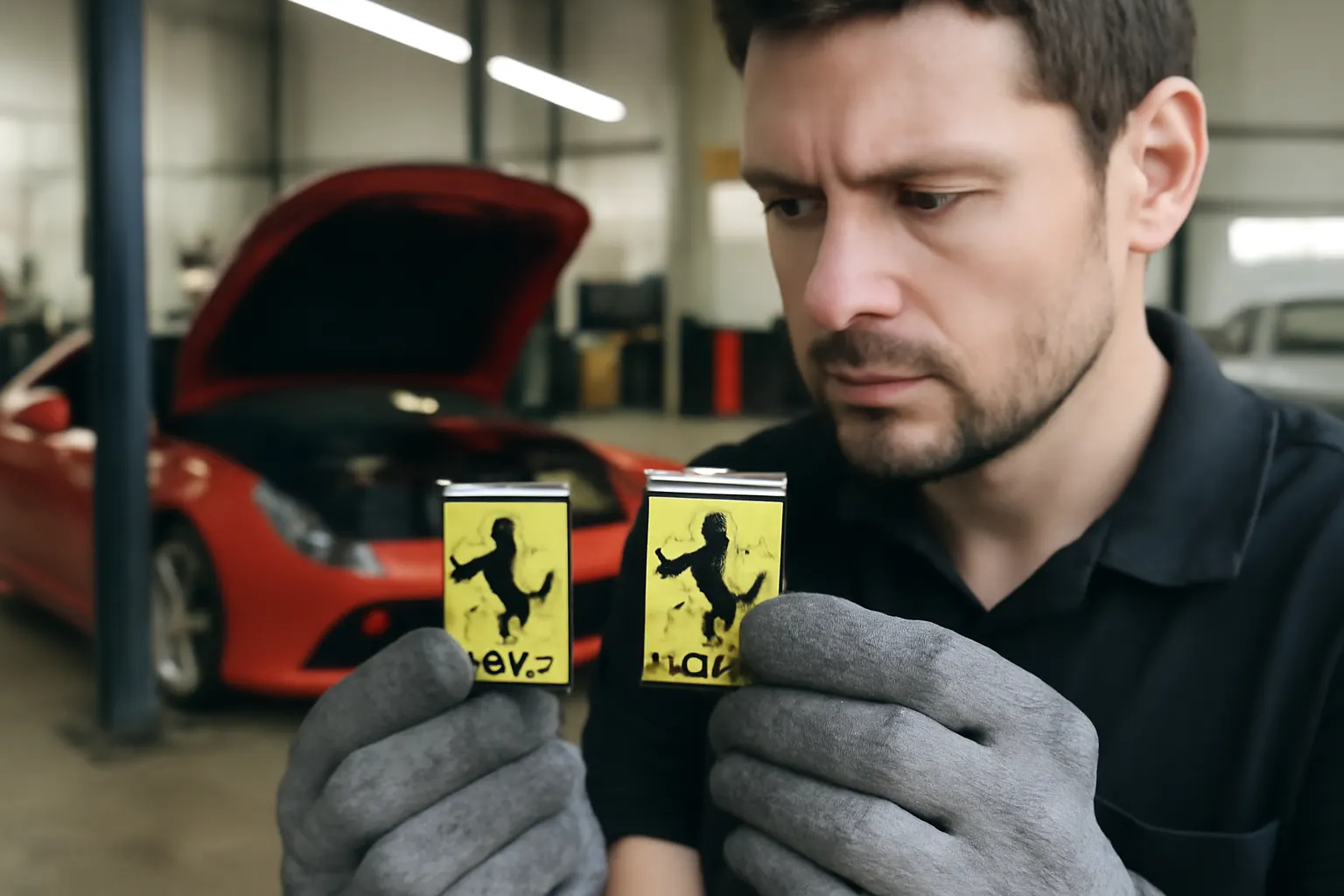
How to Spot Counterfeit Ferrari Parts
Ferrari ownership is synonymous with passion, engineering excellence, and a relentless pursuit of authenticity. But as the value of Ferrari vehicles—and their components—continues to rise, so does the risk of counterfeit parts infiltrating the supply chain. Spotting fake Ferrari parts is not just a matter of pride; it’s essential for preserving your car’s safety, performance, and long-term value.
Read More
Ferrari Parts Number Decoding
Decoding Ferrari part numbers is essential for accurate sourcing, fitment verification, and ensuring the authenticity of every component in your prized Italian machine. Whether you’re restoring a vintage 308, maintaining a modern 488, or simply replacing a wear item, understanding Ferrari’s part numbering system enables you to avoid costly mistakes, spot counterfeits, and guarantee the right fit for your vehicle.
View Guide
Ferrari Maintenance Essentials: Service Patterns
Every Ferrari model, from the classic 328 to the modern F8 Tributo, is engineered with strict service patterns in mind. The most critical intervals and essentials include: Annual service: Oil/filter changes, brake fluid replacement, and a comprehensive inspection. Every 2 years: Coolant flush, transmission fluid replacement, and cabin air filter change. Major service (3-5 years or 15,000-30,000 miles): Timing belt (on older models), spark plugs, accessory belts, and complete fluid replacements.
Read More