Advertisement
Ferrari ownership is synonymous with passion, engineering excellence, and a relentless pursuit of authenticity. But as the value of Ferrari vehicles—and their components—continues to rise, so does the risk of counterfeit parts infiltrating the supply chain. Spotting fake Ferrari parts is not just a matter of pride; it’s essential for preserving your car’s safety, performance, and long-term value. This guide delivers practical, technically grounded strategies for identifying counterfeit Ferrari components and protecting your investment from hidden threats that can compromise everything from vehicle safety to resale value.
If you’re searching for genuine Ferrari parts, always start with a trustworthy source like the Ferrari Parts Catalog or our Ferrari OEM & Genuine Auto Parts: Heritage, Engineering, and Fitment | AutoPartEx page. These resources ensure you’re accessing parts that meet Ferrari’s rigorous standards and global regulatory requirements.
The Immediate Answer: Key Signs of Counterfeit Ferrari Parts
When inspecting a potential Ferrari part—whether engine, suspension, or trim—watch for these immediate red flags:
- Suspicious Pricing: If a deal seems too good to be true, it probably is. Genuine Ferrari components rarely come at deep discounts.
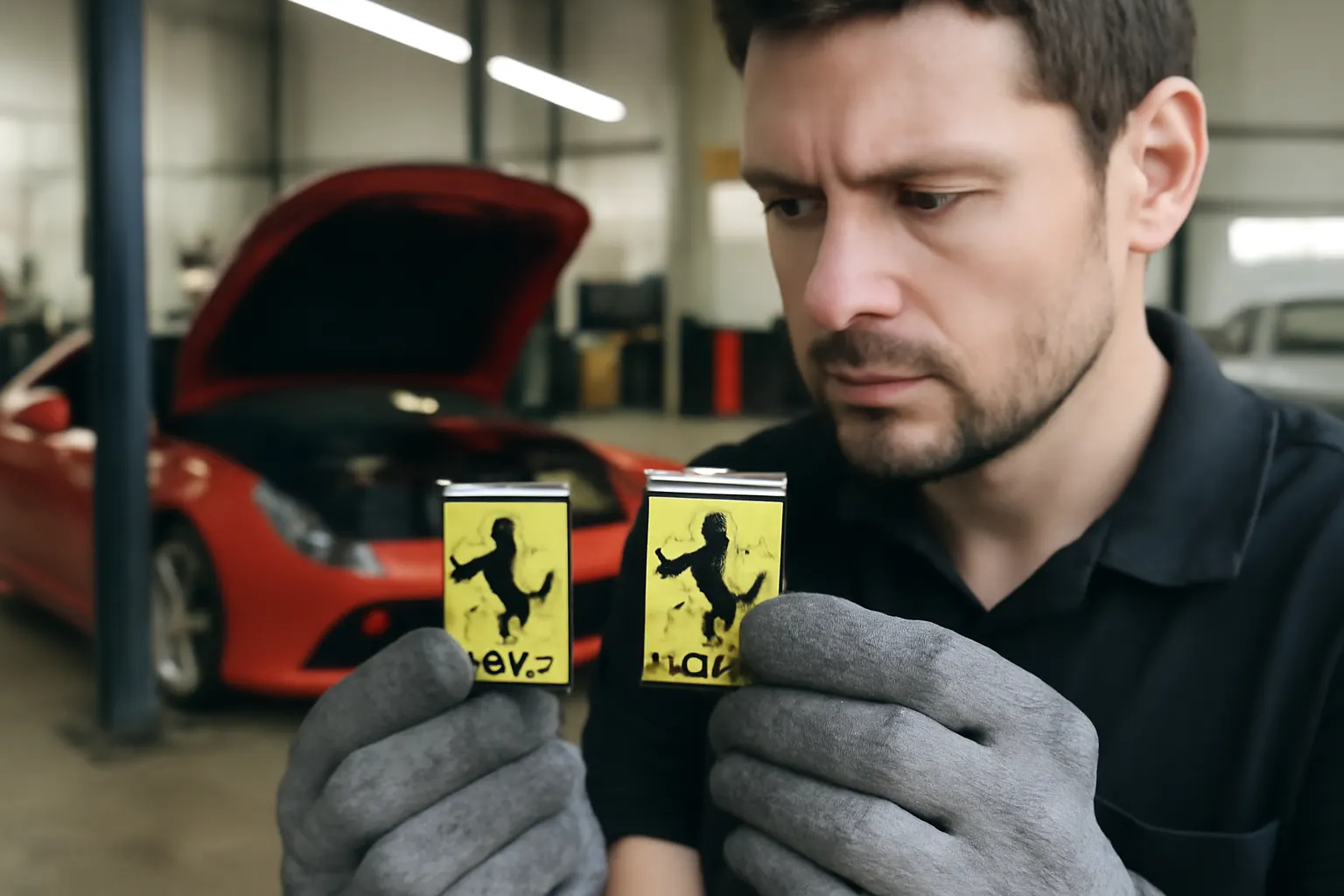
- Packaging Anomalies: Authentic Ferrari parts use high-quality packaging with crisp printing, accurate logos, and consistent fonts.
- Poor Build Quality: Inspect for subpar materials, rough edges, uneven castings, or off-color finishes.
- Inconsistent Part Numbers: Genuine Ferrari parts display standardized, traceable part numbers. Counterfeits often have missing, altered, or misaligned numbering.
These signs can help you spot many fakes at a glance, but the real threat often lies beneath the surface.
The Hidden Problem: Counterfeit Parts Are More Than Cosmetic
While some counterfeit Ferrari parts are easy to spot, others are nearly indistinguishable from genuine components until installed. The risks go far beyond aesthetics:
- Compromised Safety: Counterfeit brake pads, suspension arms, or airbag sensors can fail without warning, putting occupants at risk (NHTSA Vehicle Safety and Equipment).
- Reduced Performance: Fake engine or drivetrain parts often lack the precise tolerances and materials required for Ferrari’s high-performance standards.
- Warranty and Insurance Issues: Installing counterfeit parts can void warranties and create insurance complications.
- Long-Term Damage: Inferior materials can cause wear or failure in related systems, leading to expensive repairs.
These challenges make it essential to develop a robust process for authenticating every Ferrari component you purchase or install.
Why Counterfeit Ferrari Parts Are So Prevalent
Ferrari’s global prestige and the high value of its vehicles create a lucrative market for counterfeiters. Here’s why fake parts are especially problematic for Ferrari owners:
- Limited Genuine Supply: Ferrari tightly controls the production and distribution of OEM parts, creating scarcity that counterfeiters exploit.
- Complex Supply Chains: As Ferrari vehicles age and change hands, parts may pass through multiple vendors, increasing the risk of fakes entering the mix.
- High Aftermarket Demand: Owners seeking to save money or restore older models may be tempted by low-cost alternatives, inadvertently purchasing counterfeits.
This environment requires Ferrari owners, technicians, and collectors to be especially vigilant.
How Counterfeit Parts Threaten Safety and Performance
The true danger of counterfeit Ferrari parts is their unpredictable impact on your car’s integrity:
- Safety System Failures: Counterfeit airbags, sensors, or structural components may not function in a crash, violating NHTSA safety standards (NHTSA Vehicle Safety and Equipment).
- Engine and Drivetrain Risks: Fake timing belts, bearings, or gaskets can lead to catastrophic engine failure, often without warning.
- Fuel Efficiency Loss: Substandard injectors, filters, or sensors can degrade combustion efficiency, reducing performance and increasing emissions (DOE Fuel Efficiency).
- Material Deficiencies: Ferrari employs advanced materials and manufacturing processes that counterfeiters rarely replicate, leading to premature wear or outright failure (DOE Materials Technologies).
Advertisement
Recognizing these risks is the first step toward safeguarding your Ferrari’s legacy.
Technical Markers: How Ferrari Parts Are Engineered and Authenticated
Ferrari parts are unique for their engineering precision and adherence to international standards:
- SAE and ISO Compliance: Genuine components are designed and tested according to SAE International and ISO standards for automotive systems (SAE Standards).
- Unique Part Numbers: Ferrari uses a detailed part numbering system, often etched or laser-marked onto the component. Reference guides like Ferrari Parts Number Decoding can help verify authenticity.
- Material Specifications: Ferrari’s use of proprietary alloys, carbon fiber, and engineered plastics is difficult for counterfeiters to imitate.
- Traceability: Authentic parts typically include batch codes or QR codes for origin tracing.
Understanding these markers is essential for any thorough inspection.
Practical Checklist: Step-by-Step Ferrari Part Authentication
Use this checklist every time you purchase or install a Ferrari component:
-
Source Verification
- Buy only from authorized Ferrari dealers or established specialists.
- Cross-check seller credentials and reviews.
-
Packaging Inspection
- Look for Ferrari logos, holograms, and high-quality printing.
- Check for mismatched fonts or blurry images.
-
Part Number Validation
- Use the official Ferrari catalog or Ferrari Parts Number Decoding to confirm part numbers.
- Inspect for missing, altered, or inconsistent numbering.
-
Physical Quality Assessment
- Examine casting quality, finish, and material consistency.
- Compare weight and dimensions against known genuine parts.
-
Documentation
- Request certificates of authenticity or traceability documents.
- Confirm batch and serial numbers with Ferrari or trusted databases.
-
Technical Testing (When Possible)
- For critical systems, consider non-destructive testing (NDT) or material analysis.
- Use diagnostic tools to verify electronic component function.
-
Consult an Expert
- When in doubt, consult a Ferrari-certified technician or an experienced parts specialist.
This process dramatically reduces the risk of installing a counterfeit part and protects your investment.
The Role of Standards: Why SAE and NHTSA Matter
Counterfeit parts rarely meet the rigorous testing and certification required by organizations like SAE International or NHTSA:
- SAE Standards: These govern everything from material strength to fitment tolerances. Authentic Ferrari parts comply with these benchmarks (SAE Standards).
- NHTSA Regulations: The National Highway Traffic Safety Administration enforces strict safety standards for critical vehicle components (NHTSA Vehicle Safety and Equipment).
- Testing and Certification: Genuine parts are subject to fatigue testing, corrosion resistance checks, and dimensional verification—processes counterfeiters often skip.
When evaluating a Ferrari part, always ask: does it come with documentation or markings confirming compliance with these standards?
Commonly Counterfeited Ferrari Parts: What to Watch For
Certain Ferrari components are especially popular targets for counterfeiters:
- Timing Belts and Chains: Failure here can result in catastrophic engine damage. Always refer to Ferrari Timing Belt Replacement Guide for sourcing and replacement best practices.
- Brake Pads and Rotors: Substandard friction materials can degrade stopping power and safety.
- Electronic Modules: ECUs, sensors, and control units are frequently cloned but rarely match Ferrari’s firmware or build quality.
- Body Badges and Trim: Cosmetic pieces are easy to fake but can still affect vehicle value and authenticity.
- Filters and Fluids: Counterfeit oil, air, and fuel filters are common and can quickly damage precision Ferrari engines.
Be especially cautious when sourcing these parts and always verify authenticity before installation.
Diagnostic Techniques for Identifying Fakes
Beyond visual inspection, advanced diagnostic approaches can reveal counterfeits:
Advertisement
- Weight and Dimensional Comparison: Use calipers and scales to compare suspect parts with known authentic examples.
- Material Testing: Magnet tests, hardness checks, and even XRF (X-ray fluorescence) analysis can detect inferior metals or plastics.
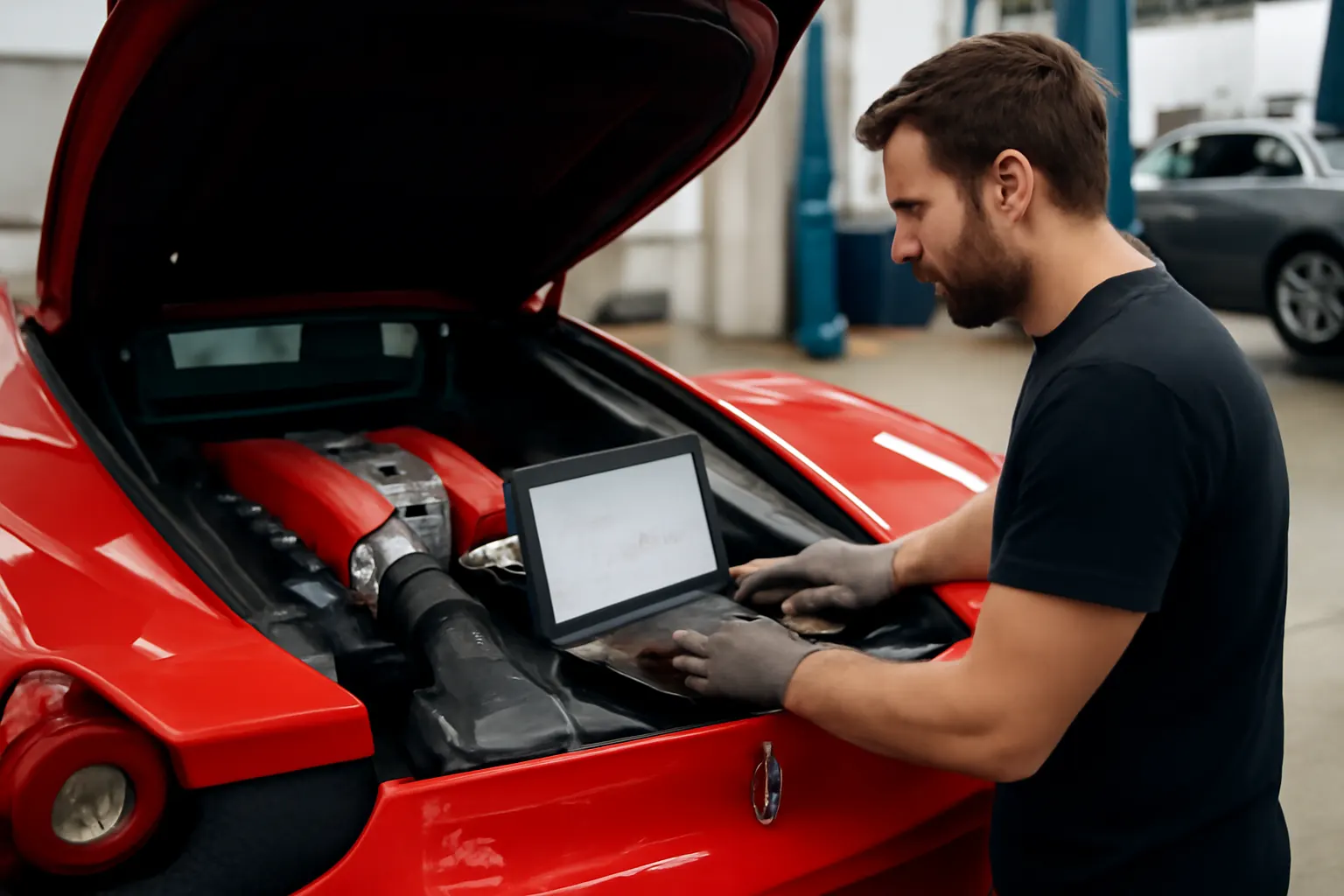
- Electronic Diagnostics: Plug-in modules can be scanned for firmware versions and serial numbers; discrepancies often indicate a fake.
- Fitment Testing: Attempting to install a counterfeit part may reveal poor tolerances or incorrect mounting points—never force a part that doesn’t fit perfectly.
These techniques are especially important for high-value or safety-critical Ferrari components.
Sourcing Ferrari Parts: How to Avoid Counterfeits
Your best defense against counterfeits is a disciplined sourcing strategy:
- Authorized Dealers and Specialists: Always prioritize established Ferrari dealers or recognized specialists with a track record of authenticity.
- Official Catalogs: Use the Ferrari Parts Catalog to cross-reference part numbers and descriptions.
- Avoid Unverified Marketplaces: Be skeptical of online marketplaces, auction sites, or social media sellers offering steep discounts.
- Request Documentation: Insist on certificates of authenticity, batch numbers, and purchase receipts.
- Physical Inspection: Whenever possible, inspect the part in person before purchase.
Adopting these habits will dramatically reduce your exposure to counterfeit Ferrari parts.
Maintenance and Fitment: Protecting Your Ferrari Over Time
Counterfeit parts don’t just pose an initial risk—they can cause cascading failures over time:
- Scheduled Maintenance: Follow Ferrari’s recommended service intervals using only verified OEM or genuine parts (Ferrari Maintenance Essentials: Service Patterns).
- Fitment Checks: Confirm every replacement part matches Ferrari’s technical drawings and specifications. Even small deviations can cause wear or misalignment.
- Keep Records: Maintain detailed service logs, including part numbers, sources, and installation dates. This documentation supports future authentication and resale.
- Regular Inspections: Periodically review critical systems—brakes, suspension, electronics—for signs of premature wear or failure.
Proactive maintenance and record-keeping are essential for preserving both performance and value.
What to Do If You Suspect a Counterfeit Part
If you discover or suspect a counterfeit Ferrari part, act quickly:
- Do Not Install: Never install a part you believe may be fake, especially if it involves safety or drivetrain systems.
- Contact Seller: Reach out to the seller for clarification and request supporting documentation.
- Report to Authorities: Notify Ferrari, SAE International, or NHTSA if you believe a part violates safety or trademark standards (NHTSA Recalls).
- Replace Immediately: Source a verified genuine replacement before operating the vehicle.
- Document Everything: Keep all correspondence, receipts, and photos for potential legal or insurance action.
Taking these steps helps protect not only your vehicle but the broader Ferrari community.
AutoPartEx: Your Partner in Ferrari Authenticity
At AutoPartEx, we understand the stakes of Ferrari ownership. Our curated inventory, technical expertise, and rigorous sourcing protocols ensure every component meets or exceeds Ferrari’s demanding standards. From Ferrari OEM & Genuine Auto Parts: Heritage, Engineering, and Fitment to our in-depth Ferrari Parts Catalog, we provide the resources, guidance, and confidence you need to keep your Ferrari authentic—mile after mile.
Our editorial team continually monitors regulatory changes, industry standards, and emerging threats to help you stay ahead of counterfeit risks. Whether you’re restoring a classic or maintaining a modern supercar, AutoPartEx is your trusted source for technical accuracy and genuine Ferrari excellence.
Conclusion: Stay Vigilant, Stay Authentic
Counterfeit Ferrari parts are a persistent threat that requires constant vigilance, technical knowledge, and disciplined sourcing. By understanding the signs of fakes, leveraging diagnostic tools, and partnering with trusted suppliers, you can protect your Ferrari’s performance, safety, and legacy for years to come.
For more technical insights and sourcing guidance, explore our Ferrari Parts Catalog and related guides. Your Ferrari deserves nothing less than the real thing.
References
Advertisement