
Checker Cab Auto Parts
Checker Cab Classic Parts: Sourcing, Fitment, and Repair Considerations
When restoring or maintaining a classic Checker Cab, sourcing the right parts can be more complex than with modern vehicles. Many owners overlook the importance of verifying compatibility and understanding the unique challenges of vintage parts. This guide offers practical advice, evidence-based steps, and reliable resources to help you navigate Checker Cab part selection, fitment, and repair with confidence.
Advertisement
No Products Found
We're currently updating our inventory for Checker Cab parts.
Please check back soon or contact us for specific part availability.
Advertisement
More Checker Cab parts
Filtering for Checker CabBrowse nearby Checker Cab inventory without leaving this page. Use search to filter by price, part number, or city.
No Data Available
Please check back soon when more inventory is available for this part.
Advertisement
Why Checker Cab Parts Demand Extra Attention
Classic Checker Cabs hold a special place in automotive history, but their enduring appeal comes with unique challenges. Unlike newer vehicles with readily available parts and standardized fitment data, Checker Cabs often require a more nuanced approach when sourcing components. Many owners and restorers may not realize that even seemingly simple repairs can be complicated by the scarcity of authentic parts and the need for careful compatibility checks. This overlooked aspect can lead to delays, unexpected costs, or even improper repairs if not addressed from the start.
One key consideration is that Checker Cab models, especially those produced in the mid-20th century, may have used parts from a variety of suppliers or changed specifications mid-production. This means that two vehicles from the same year might require different components, making assumptions based on year or model alone risky. Owners who are unaware of these subtleties may inadvertently purchase parts that do not fit or function as intended, resulting in wasted time and resources.
Furthermore, the vintage vehicle parts market often includes a mix of new old stock, remanufactured, and salvage components. Without clear documentation or provenance, it can be challenging to determine whether a part is truly correct for your Checker Cab. This reality underscores the importance of a methodical approach to part selection and repair, which starts with understanding the actual challenges faced by Checker Cab enthusiasts.
Understanding the Real Challenges of Checker Cab Repairs
The process of repairing or restoring a Checker Cab is rarely straightforward. Unlike modern cars, where digital catalogs and VIN-based databases provide instant compatibility checks, Checker Cabs often lack such comprehensive resources. This can make it difficult to confirm whether a part will fit your specific vehicle, particularly if it has undergone modifications or previous repairs using non-original components.
Compounding this issue is the fact that Checker Cab production spanned several decades, with frequent changes to mechanical and cosmetic details. Parts that appear identical at first glance may have subtle differences in mounting points, dimensions, or materials. For example, a door handle or brake component from one model year may not be interchangeable with another, even if both are labeled as "Checker Cab" parts. This variability can lead to frustration for owners who expect a straightforward replacement process.
Another challenge is the prevalence of salvage and remanufactured parts in the Checker Cab market. While these can be valuable resources for hard-to-find components, their condition and compatibility are not always guaranteed. Salvage parts, in particular, may come from vehicles with unknown histories or prior damage, raising concerns about safety and longevity. Without careful inspection and documentation, relying on such parts can introduce new problems instead of solving existing ones.
Owners must also navigate the lack of standardized repair documentation for many Checker Cab models. Factory service manuals may be incomplete, out of print, or tailored to fleet maintenance rather than individual restorations. This gap in information makes it harder to verify correct procedures, torque specifications, or part numbers. As a result, even experienced mechanics may need to rely on community knowledge or trial and error when working on these vehicles.
In addition, the regulatory environment for vintage vehicles presents its own set of hurdles. While modern cars are subject to ongoing safety recalls and manufacturer support, classic Checkers may fall outside the scope of current recall systems. This means that safety-related defects or known issues might not be widely publicized or addressed by the manufacturer, placing greater responsibility on owners to stay informed and proactive about potential risks.
Finally, the emotional and financial investment in a Checker Cab restoration can amplify the consequences of a misstep. A poorly chosen part or incorrect repair can compromise the vehicle’s value, safety, and enjoyment. For enthusiasts and collectors, these stakes make it essential to approach each repair or upgrade with diligence, relying on evidence and expert guidance rather than assumptions or shortcuts.
Practical Steps for Sourcing and Fitting Checker Cab Parts
To navigate the complexities of Checker Cab repairs, start by documenting your vehicle’s specific details. Record the VIN, production year, model designation, and any known modifications. This information is crucial when consulting parts catalogs, suppliers, or restoration guides. Since Checker Cabs may have used different components across production runs, even within a single model year, precise identification is your best defense against ordering incorrect parts.
Next, consult reputable compatibility resources. The AutoPartEx Checker Cab Compatibility Guide offers a structured approach to verifying fitment, including tips for cross-referencing part numbers and identifying subtle variations between models. When possible, compare your vehicle’s existing components directly to catalog photographs or technical drawings. Pay close attention to mounting points, dimensions, and material finishes, as these can differ even among parts labeled for the same application.
When sourcing parts, prioritize suppliers who provide detailed documentation and clear return policies. Ask for photographs, measurements, and provenance information for each component. If considering salvage or remanufactured parts, request evidence of their condition and compatibility. The FTC’s Auto Repair Basics recommends obtaining a written estimate that specifies the part type—new, remanufactured, or salvage—and the anticipated labor involved. This transparency helps prevent misunderstandings and ensures you know exactly what you’re purchasing FTC: Auto Repair Basics.
For complex or high-value repairs, seek a second opinion from a specialist with Checker Cab experience. Ask whether the technician has worked on your specific model and request references or case studies. Comparing recommendations from multiple sources can help you identify discrepancies or uncover better solutions. If a shop proposes additional services beyond standard maintenance, compare their advice with the manufacturer’s original schedule and ask for justification.
During installation, document the process thoroughly. Take photographs of removed parts, note their orientation, and record any differences between old and new components. This practice not only aids reassembly but also creates a valuable record for future repairs or resale. After installation, test the component’s function carefully and monitor for any unusual noises, vibrations, or performance changes.
If you encounter fitment issues, consult the Checker Cab community or restoration forums for troubleshooting tips. Many enthusiasts have faced similar challenges and can offer practical advice or alternative sourcing options. The Classic Checker Maintenance blog provides insights into common pitfalls and service intervals, helping you anticipate potential issues before they become costly problems Classic Checker Maintenance: Service Intervals and Pitfalls.
To ensure authenticity, especially for concours-level restorations, refer to guides on verifying vintage Checker parts. These resources outline methods for distinguishing original equipment from reproductions or aftermarket alternatives. Authenticity checks may involve examining manufacturer markings, casting numbers, or period-correct finishes. Accurate documentation enhances your vehicle’s provenance and long-term value Authenticity Checks for Vintage Checker Parts.
Finally, keep all repair orders, estimates, and correspondence with suppliers. The FTC advises securing a completed repair order listing parts, labor, and odometer readings. This record-keeping not only supports warranty claims but also provides a maintenance history for future owners or appraisers. By following these practical steps, you can minimize risks and maximize the success of your Checker Cab restoration or repair project.
Published Guidance and Evidence for Checker Cab Owners
The National Highway Traffic Safety Administration (NHTSA) provides a comprehensive overview of the recall process and the role of vehicle owners, manufacturers, and regulators. While the NHTSA’s recall database is a valuable tool for identifying open safety recalls on many vehicles, it is important to understand its limitations regarding classic Checker Cabs. According to NHTSA, recalls for vehicles over 15 years old may not appear in the database, and recalls from small manufacturers or international sources may be excluded altogether NHTSA: Vehicle Recalls.
This means that Checker Cab owners cannot rely solely on the NHTSA database to determine whether their vehicle is subject to a safety recall. Instead, they should use the VIN lookup tool as a supplementary resource and remain vigilant for community-reported issues or manufacturer communications. The NHTSA also advises that recall information is continuously updated, but coverage for older or specialty vehicles may remain incomplete. Owners are encouraged to check regularly and consult additional sources for safety information.
The NHTSA further explains that manufacturers are responsible for notifying registered owners of recalls via first-class mail, but this process may not reach owners of classic vehicles that have changed hands multiple times. As a result, Checker Cab enthusiasts should proactively register their vehicles with relevant databases and monitor classic car forums for updates. The recall process outlined by NHTSA emphasizes the importance of owner engagement in identifying and remedying safety defects, especially for vehicles outside the mainstream market.
In its Auto Repair Basics guide, the Federal Trade Commission (FTC) offers general advice for all vehicle owners, including those with vintage or specialty models. The FTC recommends obtaining a written repair estimate that details the condition to be repaired, the parts needed, and anticipated labor charges. This guidance is particularly relevant for Checker Cab repairs, where part provenance and labor complexity can vary widely FTC: Auto Repair Basics.
The FTC also distinguishes between new, remanufactured, and salvage parts, noting that salvage parts are sourced from other vehicles without alteration. This distinction is crucial for Checker Cab restorers, as the use of salvage components is common in the vintage parts market. The FTC’s advice to clarify part type and obtain a completed repair order helps ensure transparency and accountability throughout the repair process. However, the FTC does not provide vehicle-specific technical specifications or guarantee part fitment, so owners must supplement this guidance with Checker Cab-specific resources.
For authenticity verification, dedicated guides such as the Checker Cab Authenticity Guide outline methods for confirming the originality of vintage parts. These resources provide step-by-step instructions for examining markings, finishes, and casting numbers, helping owners avoid costly mistakes or misrepresentations. While not a substitute for manufacturer documentation, these guides are invaluable for maintaining the historical integrity of classic Checker Cabs Authenticity Checks for Vintage Checker Parts.
Finally, restoration case studies and community forums offer practical insights into common challenges and solutions encountered by Checker Cab owners. The Restoration Case Study: Checker Cab Marathon blog, for example, documents real-world experiences with sourcing, fitting, and verifying parts. While these accounts do not constitute formal technical evidence, they provide context and peer-reviewed advice that can inform your decision-making process Restoration Case Study: Checker Cab Marathon.
Take the Next Step in Your Checker Cab Restoration
Armed with a clear understanding of the challenges and evidence-based solutions for sourcing and fitting Checker Cab parts, you are well-positioned to tackle your next repair or restoration project. Begin by documenting your vehicle’s details, consulting trusted compatibility guides, and seeking out reputable suppliers. Stay engaged with the Checker Cab community and reference published guidance to avoid common pitfalls. For more in-depth tips and resources, explore the Checker Cab Compatibility Guide and related articles to ensure your classic stays on the road for years to come.
References
- NHTSA: Vehicle Recalls
- FTC: Auto Repair Basics
References
- NHTSA: Vehicle Recalls - NHTSA, accessed 2026-11-01
- FTC: Auto Repair Basics - FTC, accessed 2026-11-01
Related Guides & Articles

Checker Cab Compatibility Guide: Fitment and Sourcing Essentials
Checker Cabs, with decades of production and numerous model revisions, present unique challenges in sourcing compatible parts. The fastest route to compatibility is a methodical approach: Verify your exact Checker model and year—Marathon, A11, A12, and others often share body styles but differ in underpinnings. Cross-reference original equipment manufacturer (OEM) part numbers whenever possible. Inspect for mid-year changes—Checker was known for running production changes without publicizing them. Use trusted sources and guides—avoid generic fitment claims from non-specialist suppliers.
View Guide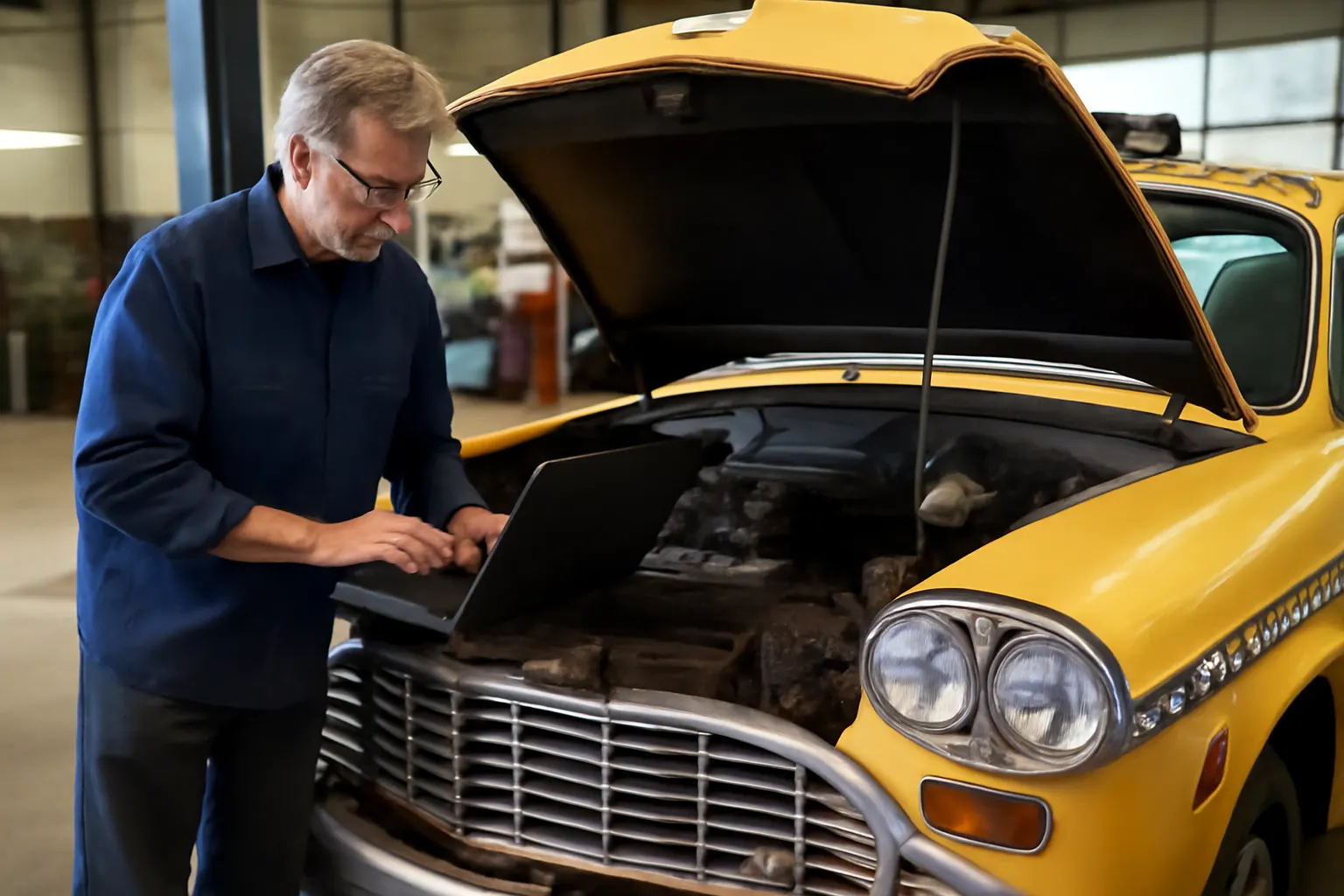
Classic Checker Maintenance: Service Intervals and Pitfalls
The backbone of Checker Cab longevity is a rigorous, model-specific maintenance routine. While these vehicles were engineered for durability, their age and unique construction demand special attention. The following service intervals form the foundation of reliable Checker operation: While regular maintenance is critical, classic Checker Cabs present unique challenges that go far beyond the standard service schedule.
Read More
Authenticity Checks for Vintage Checker Parts
Checker Cabs are icons of American automotive history, renowned for their durability and unique design. However, their age and rarity make sourcing authentic parts challenging—and the risks of using non-genuine or counterfeit components extend far beyond aesthetics. Immediate Answer: The classic car parts market is flooded with reproductions, OE-equivalent alternatives, and outright counterfeits. For Checker Cabs—whose production ceased in 1982—this is particularly acute.
View Guide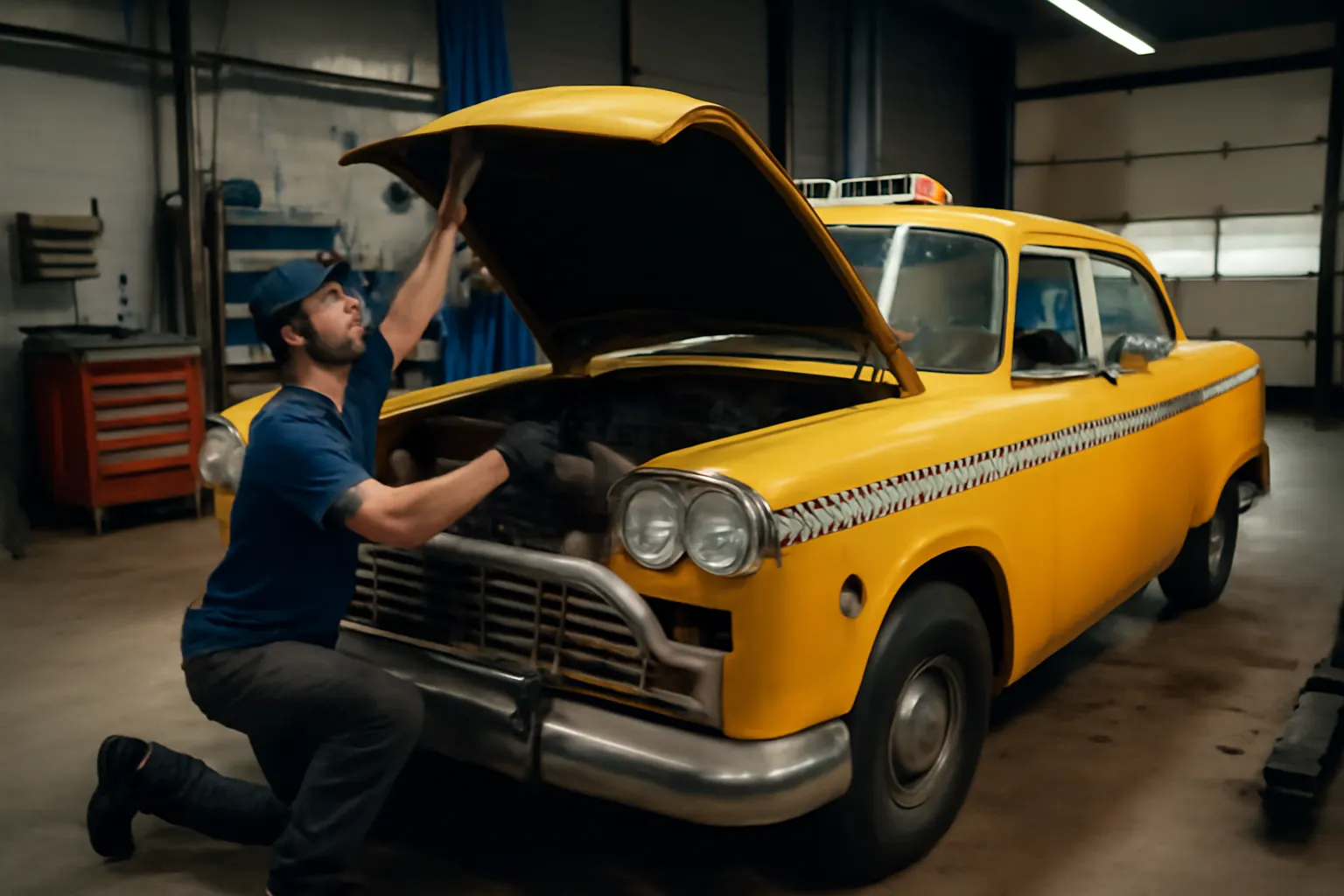
Restoration Case Study: Checker Cab Marathon
Restoring a Checker Cab Marathon is a journey through automotive history, technical problem-solving, and the pursuit of authenticity. This case study delivers a real-world roadmap for enthusiasts tackling the restoration of this iconic American workhorse, focusing on sourcing strategies, technical fitment, and unique challenges. Whether you seek originality for a concours build or durable upgrades for a daily driver, this comprehensive guide provides actionable solutions and expert insight.
Read More