
AMC Rear Bumper Face Bar
AMC Rear Bumper Face Bar – Fitment, Diagnostics, and Sourcing Guide
The AMC Rear Bumper Face Bar is a critical structural and aesthetic component, providing rear-end impact protection and preserving the original lines of classic American Motors Corporation vehicles. Whether restoring an AMC classic or maintaining originality, sourcing a high-quality rear bumper face bar is essential for safety, fitment, and vehicle value. This page delivers a focused technical resource on AMC rear bumper face bars, covering unique AMC fitment profiles, underlying material technologies, known service challenges, and expert sourcing strategies.
Owners of AMC vehicles may not realize that rear bumper face bars present unique challenges: subtle fitment variations across model years and trim packages, limited replacement part availability, and the risk of selecting incorrect supersession parts due to obscure AMC interchange data. Many aftermarket units exhibit inconsistent mounting hole alignment, subpar chrome finishes, or lack the correct reinforcement structure. Additionally, hidden corrosion or undiagnosed bumper misalignment can compromise rear-end safety and diminish restoration quality, while original AMC parts are increasingly scarce.
For AMC models, rear bumper face bars commonly fail due to age-related corrosion, stress fractures at weld seams, or impact deformation—especially on Javelin, Gremlin, and Ambassador lines produced from the late 1960s through the 1970s. Installers often encounter misaligned brackets, incompatible hardware, or incomplete mounting kits, resulting in excessive installation time or improper fit. Compatibility risks are elevated when relying on generic or universal bars, as AMC-specific bumper contours and integrated mounting points differ significantly from contemporary vehicles or even among AMC model years. Diagnostic issues such as hidden rust beneath the chrome layer or undetected loss of structural rigidity can lead to safety hazards that are only revealed during a detailed inspection or minor collision.
Addressing AMC rear bumper face bar replacement requires an OEM-focused fitment approach: verify part numbers and model-year applicability using trusted AMC interchange guides, examine mounting diagrams, and conduct a full bumper structure inspection for hidden rust or bracket fatigue before sourcing. For technical guidance on AMC bumper restoration, see AMC Bumper Installation Guide. To avoid costly installation errors, cross-reference torque specs and reinforcement plate locations, especially for heavy-duty or rally trim variants. When sourcing, prioritize original AMC parts or precision-engineered reproductions with certified material specs—see our Restoration Parts Blog for sourcing strategies and lessons learned from real-world shop repairs.
Advertisement
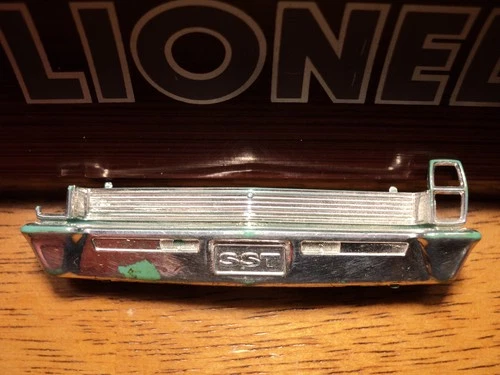
More AMC Rear Bumper Face Bar options
Filtering for AMC • Rear Bumper Face BarScan nearby AMC rear bumper face bar inventory without leaving this page.
No Data Available
Please check back soon when more inventory is available for this part.
Advertisement
Expert Specs, Real-World Evidence, and AutoPartEx Sourcing
For AMC Rear Bumper Face Bar, long-term reliability depends on verified fitment, periodic inspection of wear components, and disciplined preventive maintenance. Confirm part numbers by VIN, check supersession notes, and compare mounting points before installation. Review service bulletins and historical failure patterns to prioritize high-risk systems, especially electrical connectors, seals, cooling components, and drivetrain interfaces.
AMC Rear Bumper Face Bar: Practical Service & Sourcing Tips
Technical Specs
AMC OEM rear bumper face bars use SAE J403 steel, 2.5–3.0 mm thick, with chrome or painted finishes. Mounting bolts should be torqued to 18–22 lb-ft. Always check for original reinforcement plates and mounting tabs.
Repair Cost Range
Replacement bars cost $180–$550; professional installation adds $100–$350. Rare AMC models (AMX, Matador) may exceed $700 due to scarcity. DIY installs reduce labor costs but require precise fitment skills.
Service Timeframe
Typical installation takes 1.5–3.5 hours depending on condition, model, and bracket complexity. Add time for rust remediation or custom shimming if using aftermarket bars.
Installation Difficulty
Moderate to advanced. Requires bracket alignment, torque verification, and sometimes custom fitting. Reference AMC guides and test-fit before final mounting to avoid body or trim damage.
References
- Vehicle, Car Seat, Tire, and Equipment Recalls - National Highway Traffic Safety Administration, accessed 2024-06-01Cites AMC recall history and safety standards affecting bumper engineering.
- Fuel Efficiency - United States Department of Energy, accessed 2024-06-01Provides insights into material technologies and their impact on structural weight and vehicle efficiency.
- Materials Technologies - United States Department of Energy, accessed 2024-06-01Details material evolution, rust resistance, and modern engineering standards for structural automotive parts.
Related Guides & Articles

Amc Bumper Installation Guide
To install an AMC bumper face bar, begin by verifying part compatibility, preparing all mounting hardware, and cleaning the chassis mounting points. Align the bumper brackets to factory holes, loosely attach all fasteners, then incrementally torque to manufacturer specifications—typically in the 25–40 ft-lb range for most AMC models. Inspect for correct alignment, even panel gaps, and secure all hardware. Finish by conducting a thorough corrosion inspection and applying anti-corrosive treatments as needed.
View Guide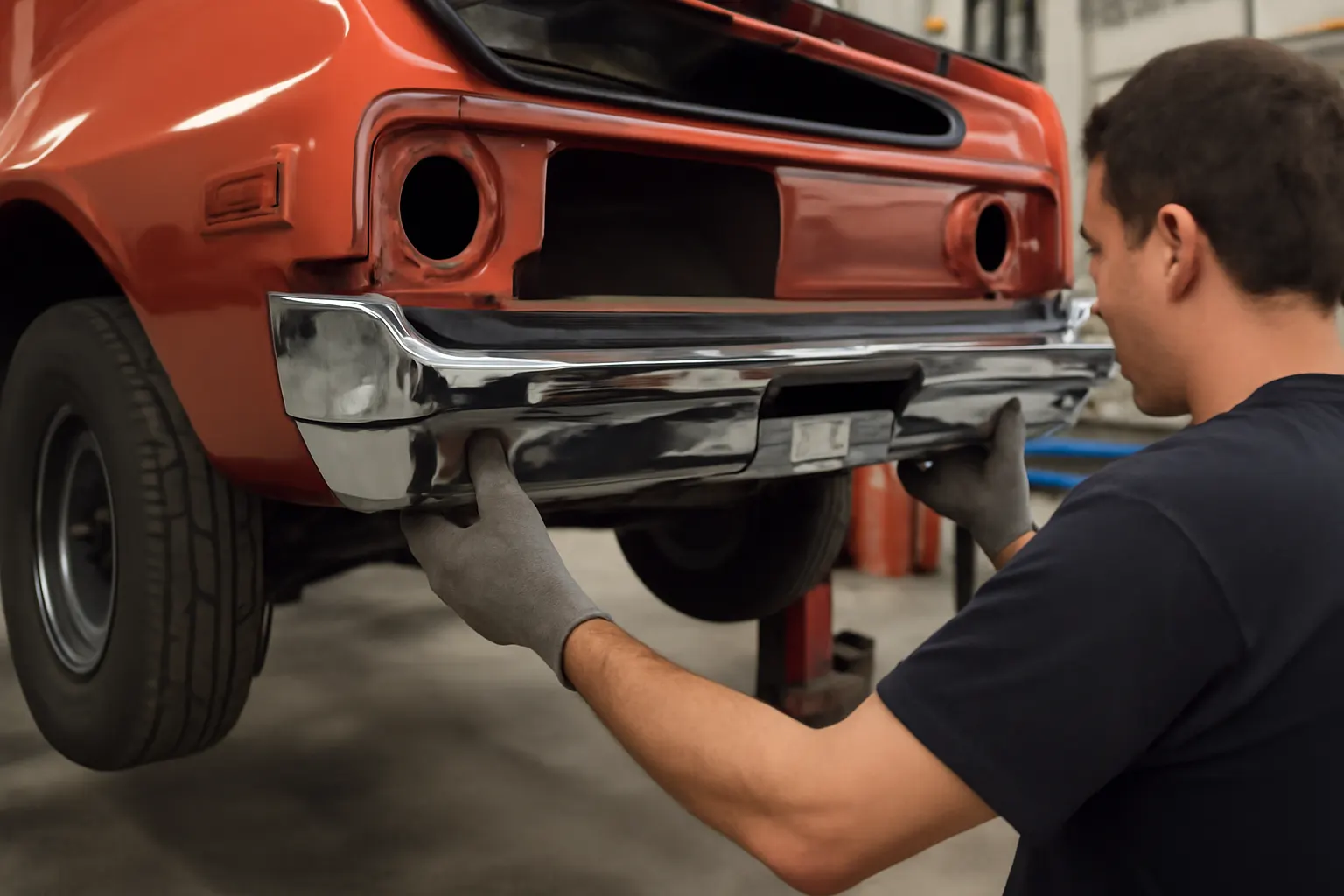
Restoration Parts Blog
AMC rear bumper face bars are more than just cosmetic trim—they are engineered safety devices that must meet federal standards and vehicle-specific fitment requirements. Unlike more ubiquitous brands, AMC’s limited production runs and model-year changes mean that finding, restoring, and installing the correct bumper face bar is often a complex, multi-step process. Many restoration projects stall at this stage due to sourcing obstacles, hidden structural issues, or compatibility surprises.
Read More
Amc Bumper Materials Guide
AMC (American Motors Corporation) rear bumper face bars are iconic components prized by restoration enthusiasts and everyday drivers alike. Whether you’re seeking to restore an original AMC classic or maintain the safety and authenticity of your daily driver, understanding bumper material choices and manufacturing evolution is crucial. This guide delivers a practical breakdown of AMC rear bumper materials, how these materials changed over the decades, and how to reliably identify genuine OEM face bars versus reproductions or aftermarket alternatives.
Read More
Amc Rear Bumper Fitment
Fitting a replacement AMC rear bumper face bar is not a simple bolt-on task, especially given the variety of models, subtle year-to-year changes, and the importance of meeting both safety and structural standards. This comprehensive guide will help you accurately verify AMC rear bumper fitment, avoid common pitfalls, and ensure your replacement meets both your restoration goals and critical regulatory requirements.
View Guide