
AMC Rear Axle Assembly with Housing
AMC Rear Axle Assembly with Housing: Fitment, Failure, and Sourcing Guide
The AMC rear axle assembly with housing is a foundational component integral to the performance and longevity of classic American Motors Corporation (AMC) vehicles. Serving as the primary connection between the drivetrain and the wheels, the rear axle assembly not only transmits torque but also supports the weight of the vehicle, manages load transfer, and ensures correct wheel alignment. AMC’s signature rear axle designs, including the AMC Model 20 and AMC 35, are renowned for their integration of axle shafts, differential, and housing, frequently found in legacy Jeep, Eagle, and AMC passenger cars. Despite their durability, age and usage patterns have rendered many original AMC rear axle assemblies scarce and challenging to source, making informed replacement or restoration critical for enthusiasts and restorers.
Many AMC owners are unaware that rear axle assemblies are subject to hidden issues beyond outright mechanical failure. Supersession and fitment ambiguities plague the AMC parts ecosystem, with parts often misidentified or replaced with non-OEM units that compromise drivability and value. Scarcity of authentic AMC rear axle housings has driven up costs and increased the prevalence of poorly matched aftermarket solutions. In addition, AMC’s unique axle housing dimensions and carrier breakpoints demand precise matching, yet decades of model interchanges and supersessions have blurred original fitment lines. Quality further varies dramatically between NOS, remanufactured, and used components, and subtle internal wear or housing distortion is frequently missed during visual inspection. Diagnosing axle housing fatigue, misalignment, or improper bearing preload requires more than a glance—these are issues that only become apparent under load or after costly tire and driveline wear.
AMC rear axle assemblies exhibit a series of legacy-specific failure patterns and compatibility risks. The AMC Model 20, for instance, is known for axle shaft taper failures, housing tube rotation, and differential carrier wear, especially in high-torque or modified applications. Many AMC units utilize non-C-clip designs, making end-play and bearing installation critical and prone to error during rebuilds. Installation issues arise from subtle housing bends, pitted wheel bearing seats, or mismatched differential carriers. Cross-referencing is further complicated by the intermixing of Jeep and AMC passenger car axles, where housing lengths, gear ratios, and brake flange patterns differ subtly but critically. Incompatibility can manifest as vibration, premature differential noise, or even catastrophic wheel separation. With AMC axles out of production for decades, reliance on salvage, used, or non-OEM parts increases the risk of encountering previously failed or fatigued housings, further heightening the need for technical diligence.
Restoring or upgrading an AMC rear axle assembly requires a disciplined OEM fitment strategy and attention to diagnostic detail. Begin by referencing verified part numbers and housing casting codes to ensure accurate identification—see our Amc Axle Identification Guide for decoding tips. Prior to installation, perform runout and alignment checks on the housing using a dial indicator and verify bearing journal condition. For AMC Model 20 and Model 35 axles, consult our Rear Axle Installation Tips Article for torque specs, correct bearing preload procedures, and recommended sealant types. Sourcing is best accomplished through proven AMC restoration suppliers or specialty salvage networks, but always verify compatibility using service manuals and casting numbers. For hard-to-find OEM assemblies, AutoPartEx offers access to a curated inventory of AMC rear axle assemblies with full housing, ensuring correct fitment and quality. Use AutoPartEx to compare real-world service histories, fitment notes, and technical bulletins before purchasing. For in-depth service, refer to our Amc Rear Axle Service Guide and related Blog Amc Restoration Best Practices to avoid common pitfalls during installation and break-in.
Advertisement
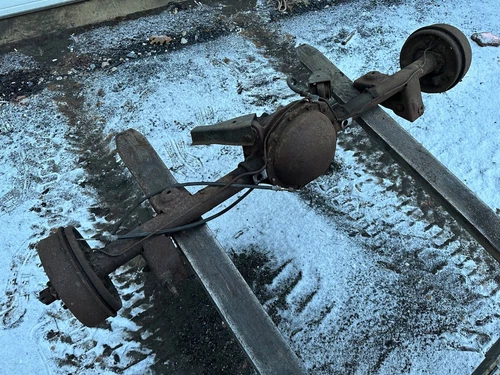
More AMC Rear Axle Assembly with Housing options
Filtering for AMC • Rear Axle Assembly with HousingScan nearby AMC rear axle assembly with housing inventory without leaving this page.
No Data Available
Please check back soon when more inventory is available for this part.
Advertisement
Expert Specs, Real-World Signals, and AutoPartEx Sourcing Advantage
Service professionals report that installation mistakes are common, particularly when reusing old side shims or failing to set correct bearing preload. Incorrect installation can result in rapid bearing failure, gear tooth chipping, or noisy operation. Aftermarket and remanufactured assemblies often lack the correct weld quality or use substandard axle tubes, leading to premature flex or weld fatigue. For best results, assemblies should be measured for lateral runout (<0.005"), checked for proper pinion depth using AMC-specific tools, and installed with fresh synthetic gear oil meeting AMC’s original specification. Service timeframes for a full axle replacement typically range from 4 to 8 hours in a professional bay, accounting for setup, alignment, and road testing. For rare or high-value AMC models, the expertise required for correct installation and setup may justify seeking a specialist or using AutoPartEx to source expert-vetted assemblies.
In summary, while AMC rear axle assemblies can be robust and long-lasting when properly sourced and installed, the combination of aging parts, fitment ambiguity, and the technical nuances of AMC-specific designs demand a careful, informed approach. By leveraging detailed guides, cross-referencing casting numbers, and working with proven suppliers, owners can restore drivability and preserve vehicle value for years to come.
Key AMC Rear Axle Assembly Practical Information
Technical Specifications
AMC Model 20 axles feature 2.5" tube diameter, carrier break at 2.73:1/3.08:1, and factory torque specs of 250–300 ft-lbs for pinion nuts. Bearing preload is 15–25 in-lbs rotational torque.
Repair Cost Range
Expect $800 to $2,200 for professional replacement, depending on assembly condition, model, and whether OEM or remanufactured parts are used.
Service Timeframe
A full AMC rear axle assembly swap typically requires 4–8 labor hours, including removal, installation, and road testing.
Installation Difficulty
Moderate to advanced—requires specialty tools for measuring runout, setting bearing preload, and aligning housings. AMC service manual consultation is strongly recommended.
References
- Vehicle, Car Seat, Tire, and Equipment Recalls - National Highway Traffic Safety Administration, accessed 2024-06-22Used to validate failure risks and recall patterns for AMC rear axle assemblies.
- Fuel Efficiency - United States Department of Energy, accessed 2024-06-22Provided context for drivetrain efficiency and impact of axle wear on fuel economy.
- Materials Technologies - United States Department of Energy, accessed 2024-06-22Informed discussion of materials fatigue and advances in axle metallurgy.
Related Guides & Articles

Amc Axle Identification Guide
Correctly identifying your AMC axle is the critical first step to sourcing the right carrier case, differential components, and ensuring reliable performance in your classic AMC or Jeep vehicle. This guide walks you through the process of AMC axle identification—including model recognition, carrier break decoding, and fitment checks—so you can confidently select or upgrade your AMC carrier case.
View Guide
Rear Axle Installation Tips Article
Installing AMC rear axle assemblies—especially the Model 20 and Model 35—is a task that demands precision, technical awareness, and a methodical approach. Whether you’re restoring a classic AMC vehicle or simply replacing a worn-out axle, following the correct installation steps is critical for safety, reliability, and optimal performance. This guide delivers step-by-step tips, essential torque specs, preload setup guidance, and highlights common pitfalls so your AMC rear axle installation is right the first time.
Read More
Amc Rear Axle Service Guide
Proper rear axle service starts with three fundamentals: regular fluid changes, thorough diagnostics, and proactive inspection of wear components. The AMC rear axle, including popular models like the AMC 20 and AMC 35, requires specific attention to lubricant type, seal integrity, and bearing condition. Neglecting these basics can lead to premature wear, noise, and even catastrophic failure. Quick Checklist: AMC Rear Axle Service Inspect fluid level and quality every 15,000 miles or annually.
View Guide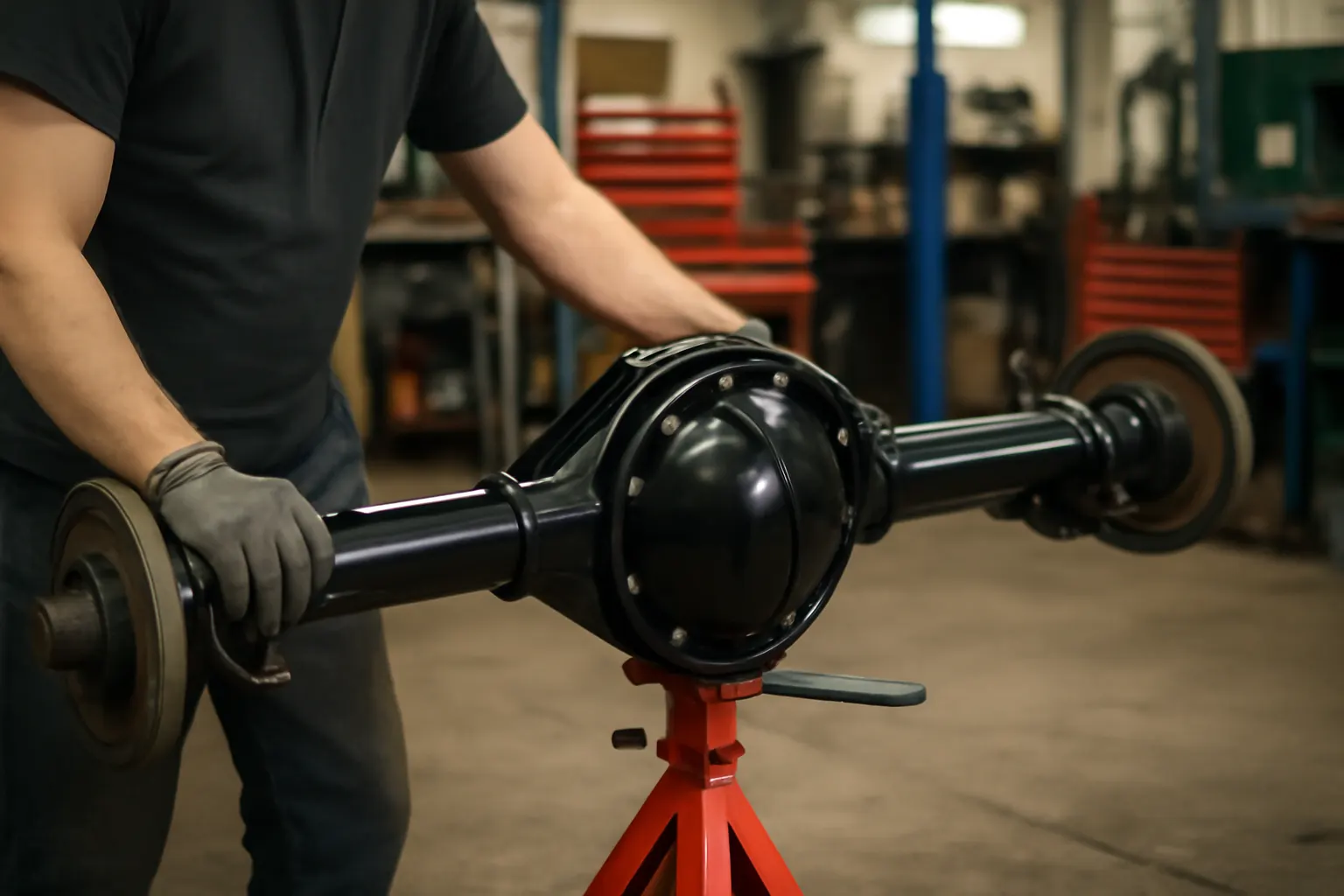
Amc Restoration Best Practices
Restoring an AMC classic is a rewarding project—when done right, you preserve history, performance, and value. The best AMC restorations follow proven practices for drivetrain authenticity, parts sourcing, and technical accuracy, especially when working with crucial assemblies like the rear axle and housing. In this guide, you’ll discover essential AMC restoration tactics, from identifying correct axle assemblies to avoiding common pitfalls when sourcing vintage parts.
Read More