
AMC Caliper
AMC Caliper Parts – OEM Fitment, Diagnosis & Sourcing | AutoPartEx
AMC calipers play a critical role in the braking system, providing essential clamping force for reliable vehicle stopping. Designed for compatibility with a range of American Motors Corporation (AMC) models from compact sedans to classic muscle cars, AMC calipers require precise fitment and material quality to ensure consistent performance and safety. Whether restoring an AMC classic or maintaining a daily driver, sourcing the correct caliper is vital for maintaining braking responsiveness and original equipment manufacturer (OEM) standards.
Many AMC owners and restorers are unaware of the subtle yet crucial challenges in sourcing and installing AMC calipers. These include hidden fitment mismatches due to model-year supersessions, discontinued part numbers, and differences in caliper casting across production runs. Scarcity of genuine AMC calipers, especially for legacy models, often leads to reliance on remanufactured or aftermarket units with varying quality standards. Additionally, incorrect caliper selection can cause uneven pad wear, compromised braking force, or even premature rotor damage. Diagnostic errors, such as misattributing pedal softness to master cylinder faults when a caliper is sticking, are common among non-specialists.
AMC calipers, particularly those from the 1970s and early 1980s, are prone to specific failure patterns rooted in their original material and design constraints. Common issues include piston corrosion due to moisture ingress, seized slide pins from inadequate lubrication, and rubber seal deterioration under high heat. Installation challenges include alignment differences between model families (e.g., AMC Javelin vs. AMC Eagle), and the risk of cross-threading mounting bolts when working with aged knuckles. Compatibility risks also stem from superseded part numbers and aftermarket variations—leading to incorrect piston bore sizes, improper brake pad fitment, or interference with wheel clearance. These factors can result in increased stopping distances, uneven braking, or system leaks if not addressed with precise component selection and thorough technical inspection.
To ensure optimal AMC caliper performance, a structured OEM fitment strategy is essential. Begin by referencing AMC-specific service bulletins and cross-checking VIN and axle codes before sourcing parts. Diagnostic best practices include measuring piston travel (targeting less than 0.5 mm free play) and verifying slide pin movement during service. When replacing calipers, always inspect mounting hardware and brake hoses for age-related cracking. Utilize AutoPartEx’s in-depth AMC Caliper Fitment Guide for model-specific fitment charts and AMC Caliper Installation Tips for step-by-step installation support. For rare or superseded AMC calipers, leverage AutoPartEx’s parts sourcing network to locate original or certified remanufactured units with verified history. Always perform a final system bleed and road-test to confirm pedal feel and stopping efficiency.
Advertisement
No AMC Caliper Found
We're currently updating our inventory for AMC caliper.
Please check back soon or contact us for specific part availability.
Advertisement
More AMC Caliper options
Filtering for AMC • CaliperScan nearby AMC caliper inventory without leaving this page.
No Data Available
Please check back soon when more inventory is available for this part.
Advertisement
Expert AMC Caliper Selection & Sourcing – Why AutoPartEx Leads
For AMC Caliper, long-term reliability depends on verified fitment, periodic inspection of wear components, and disciplined preventive maintenance. Confirm part numbers by VIN, check supersession notes, and compare mounting points before installation. Review service bulletins and historical failure patterns to prioritize high-risk systems, especially electrical connectors, seals, cooling components, and drivetrain interfaces.
For AMC Caliper, long-term reliability depends on verified fitment, periodic inspection of wear components, and disciplined preventive maintenance. Confirm part numbers by VIN, check supersession notes, and compare mounting points before installation. Review service bulletins and historical failure patterns to prioritize high-risk systems, especially electrical connectors, seals, cooling components, and drivetrain interfaces.
For AMC Caliper, long-term reliability depends on verified fitment, periodic inspection of wear components, and disciplined preventive maintenance. Confirm part numbers by VIN, check supersession notes, and compare mounting points before installation. Review service bulletins and historical failure patterns to prioritize high-risk systems, especially electrical connectors, seals, cooling components, and drivetrain interfaces.
AMC Caliper Service Quick Reference
Fitment Verification
Always cross-reference your AMC’s VIN, year, and axle code with authoritative fitment charts before ordering a caliper. Inaccurate selection can result in pad misalignment or hydraulic imbalance.
Installation Torque Specs
Typical AMC caliper bracket bolts require 85–95 ft-lbs of torque. Always use a calibrated torque wrench and new copper crush washers on banjo fittings to prevent leaks.
Diagnostic Checklist
Check for piston free play (<0.5 mm), inspect for slide pin corrosion, and verify the condition of all rubber seals during every 30,000-mile brake service.
Sourcing Strategies
For rare or discontinued AMC calipers, consider verified remanufactured units or NOS parts via AutoPartEx’s supplier network. Avoid unverified aftermarket units with unclear piston or material specs.
References
- Vehicle, Car Seat, Tire, and Equipment Recalls - National Highway Traffic Safety Administration, accessed 2024-06-01Used for recall and safety context regarding AMC braking components.
- Materials Technologies - United States Department of Energy, accessed 2024-06-01Provides material science background relevant to AMC caliper construction and longevity.
- Fuel Efficiency - United States Department of Energy, accessed 2024-06-01Supports discussion of caliper weight/material impact on vehicle performance.
Related Guides & Articles

Amc Caliper Fitment Guide
AMC (American Motors Corporation) vehicles, both classic and late-model, have unique brake caliper requirements that demand precise fitment for safe and reliable operation. Whether restoring a classic AMX, maintaining a daily-driver Eagle, or upgrading an AMC Javelin's stopping power, having the right caliper fitment information is essential for both safety and performance. This comprehensive fitment guide delivers immediate answers with detailed model charts, part number cross-references, and step-by-step installation tips for all major AMC caliper applications.
View Guide
Amc Brake System Evolution
AMC’s brake systems have progressed through several core design phases: Early Drum Brakes (Pre-1965): Relied on simple hydraulic drum systems, providing basic stopping power for low-weight vehicles. First-Generation Disc Brakes (Mid-1960s–1970s): Adoption of single-piston floating calipers and vented rotors, dramatically improving heat dissipation and fade resistance. Multi-Piston and Composite Upgrades (Late 1970s–1980s): Introduction of dual-piston calipers, lightweight composite materials, and improved pad compounds for better modulation and reduced unsprung mass.
Read More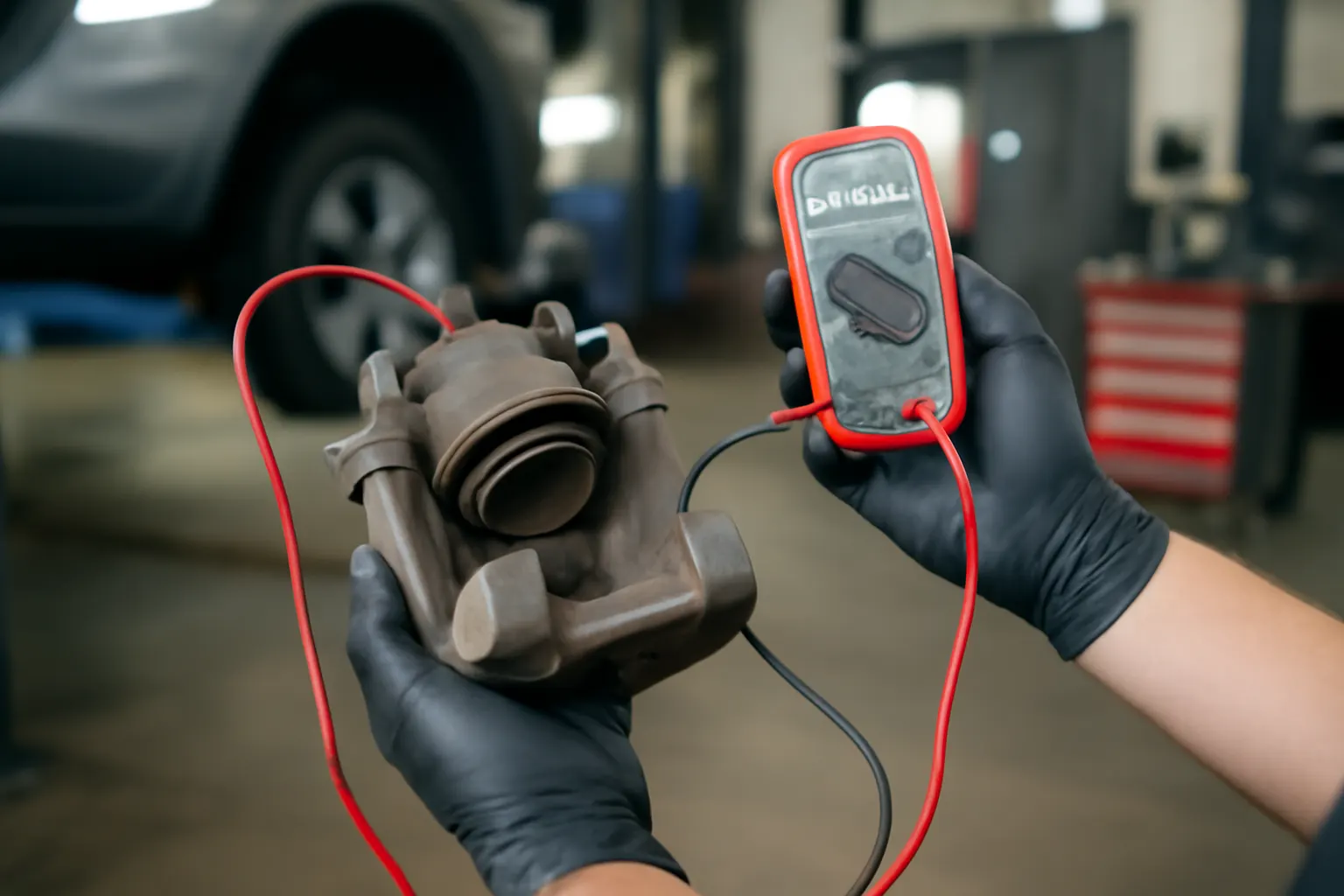
Amc Caliper Diagnostics
Diagnosing AMC caliper issues quickly and accurately is critical to ensuring safe, reliable braking performance. This guide delivers field-tested tips for identifying and resolving the most common AMC caliper problems—such as piston seizure, uneven pad wear, and hydraulic leaks—using proven diagnostic techniques and actionable checklists. Whether you’re a seasoned technician, an AMC enthusiast, or a DIY restorer, these insights will help you pinpoint caliper faults, understand their underlying causes, and restore optimal braking function with confidence.
Read More
Caliper Installation Tips Article
Despite caliper replacement being a routine brake job, many installations fail due to overlooked details: Improper torque on caliper bolts: Too loose risks caliper movement; too tight risks thread damage or warping. Inadequate brake bleeding: Air bubbles compromise pedal firmness and hydraulic effectiveness. Mismatched or contaminated hardware: Incorrect parts or dirty mating surfaces can cause leaks or misalignment. Neglecting AMC-specific fitment nuances: AMC vehicles, especially classic models, may have unique bracket, hose, or pad configurations.
View Guide