
Advertisement
Amc Caliper Diagnostics
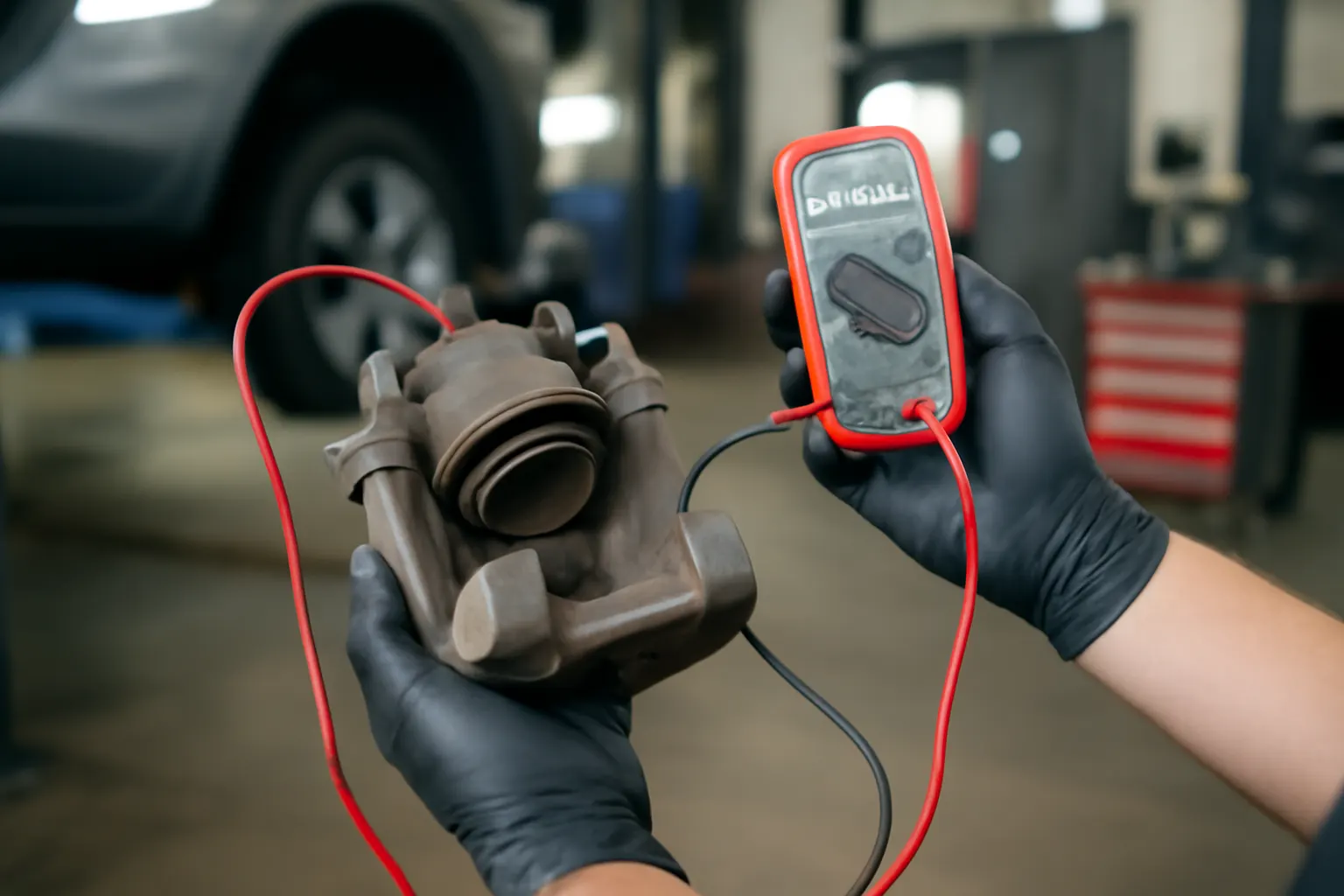
Diagnosing AMC caliper issues quickly and accurately is critical to ensuring safe, reliable braking performance. This guide delivers field-tested tips for identifying and resolving the most common AMC caliper problems—such as piston seizure, uneven pad wear, and hydraulic leaks—using proven diagnostic techniques and actionable checklists. Whether you’re a seasoned technician, an AMC enthusiast, or a DIY restorer, these insights will help you pinpoint caliper faults, understand their underlying causes, and restore optimal braking function with confidence.
If you’re seeking a broader overview of AMC caliper fitment, sourcing, or parts compatibility, visit our AMC Caliper Parts – OEM Fitment, Diagnosis & Sourcing | AutoPartEx hub for comprehensive details.
The Immediate Answer: Fast AMC Caliper Troubleshooting
Most AMC caliper failures present with clear warning signs—pulling under braking, uneven pad wear, spongy pedal feel, or visible fluid leaks. The fastest way to diagnose these faults is to:
- Visually inspect calipers and pads for leaks, corrosion, and wear patterns.
- Test caliper piston movement by gently pressing the brake pedal and watching for even extension/retraction.
- Check for stuck or seized pistons by attempting to compress the piston with a C-clamp (with the caliper off the rotor and pads removed).
- Inspect hydraulic lines and fittings for signs of fluid seepage or deterioration.
If any of these quick checks reveal issues, further diagnosis is warranted to pinpoint the root cause and prevent unsafe operation or progressive brake damage.
The Hidden Problem: Overlooked AMC Caliper Failures
While obvious symptoms like brake pull or pedal fade are hard to miss, many AMC caliper issues develop subtly over time. Hidden problems can include:
- Micro-leaks at piston seals, which may not drip visibly but allow air/moisture ingress, degrading braking performance.
- Early-stage piston corrosion that causes intermittent sticking, leading to uneven pad wear or inconsistent braking.
- Guide pin wear or contamination, resulting in caliper misalignment and pad tapering.
- Heat-induced seal hardening, increasing the risk of future leaks or piston binding.
These insidious failures often escape notice during routine pad changes or fluid top-offs. Left unaddressed, they can escalate to catastrophic brake loss or costly rotor damage.
Understanding AMC Caliper Construction and Operation
AMC calipers, like most disc brake designs, utilize a hydraulic piston (or pistons) housed within a rigid caliper body. When the driver presses the brake pedal, hydraulic pressure forces the piston outward, clamping the brake pad against the spinning rotor. Key technical features include:
- Single-piston floating calipers (common on classic AMC models), which slide laterally on guide pins to center the pads over the rotor.
- Dual or multi-piston fixed calipers (found on performance upgrades or later AMC vehicles), offering improved pad pressure distribution.
- Sealing systems: Each piston is surrounded by a fluid seal (to contain hydraulic pressure) and a dust boot (to block contaminants).
- Guide pins and bushings, which allow smooth lateral movement but are prone to corrosion or wear if not lubricated.
Understanding these fundamentals is crucial for effective diagnosis, as each failure mode often traces back to a specific component or material weakness.
Common AMC Caliper Issues and Their Causes
AMC calipers are robust, but decades of service or harsh environmental conditions can trigger several recurring problems:
- Piston Seizure: Corrosion, pitting, or old fluid can cause pistons to jam, preventing full release or application of the brake pad. This leads to dragging brakes, overheating, and uneven pad/rotor wear.
- Hydraulic Leaks: Worn piston seals or cracked caliper bodies allow brake fluid to escape, reducing hydraulic pressure and introducing air into the system.
- Uneven Pad Wear: Often results from seized guide pins, misaligned caliper brackets, or stuck pistons, causing one pad to wear faster than the other.
- Caliper Flex or Distortion: Age, heat cycling, or manufacturing defects can cause the caliper body to flex, reducing clamping force and increasing pedal travel.
- Guide Pin/Bushing Failure: Lack of lubrication or contamination causes pins to seize, leading to caliper misalignment and rapid pad taper.
Advertisement
Identifying the precise failure mode is essential for selecting the correct repair approach and avoiding repeat issues.
Diagnosing Piston Seizure in AMC Calipers
Piston seizure is among the most common and dangerous AMC caliper faults. Symptoms include:
- Vehicle pulling to one side when braking.
- Constant brake drag (wheel remains hot after driving).
- Difficult or uneven pad installation.
Diagnostic Steps:
- Lift the vehicle and safely support it.
- Remove the wheel and inspect the caliper for visible rust or fluid seepage.
- Attempt to compress the piston using a C-clamp or piston tool (pads removed). A healthy piston should retract smoothly with moderate force.
- If resistance is high or the piston will not retract, suspect internal corrosion or seal swelling.
- Check for pad glazing or discoloration, which often accompanies dragging calipers.
Tip: Always inspect both front (or rear) calipers in pairs—if one is seized, the other may be close to failure due to age or fluid contamination.
Identifying and Diagnosing Hydraulic Leaks
Hydraulic leaks undermine braking safety and can be subtle or dramatic. AMC calipers are especially prone to:
- Seal leaks (fluid visible at the piston boot).
- Bleeder screw leaks (fluid at the screw threads).
- Banjo fitting leaks (fluid at the hose connection).
Inspection Checklist:
- Wipe the caliper clean, then pump the brake pedal and observe for fresh fluid.
- Inspect the dust boot for swelling, tears, or wetness.
- Check the banjo bolt and copper washers for seepage.
- Examine brake lines for cracks or swelling near the caliper.
If leaks are found: Replace the seal kit or the entire caliper, and always use new copper washers on banjo fittings.
Diagnosing Uneven Pad Wear and Taper
Uneven pad wear is a classic indicator of deeper caliper issues. Typical causes include:
- Sticking guide pins: One pad wears faster due to caliper misalignment.
- Piston binding: The inboard pad wears rapidly if the piston does not retract fully.
- Caliper bracket wear: Allows the caliper to shift, causing pad taper.
Diagnostic Approach:
- Remove both pads and compare thickness and wear patterns.
- Slide the caliper by hand on its guide pins—should move freely.
- Inspect guide pins and bushings for corrosion, pitting, or lack of grease.
- Check the caliper bracket for grooves or excessive play.
Corrective Action: Clean and lubricate pins, replace bushings, or replace the caliper/bracket as needed.
AMC Caliper Diagnostic Checklist
Use this structured checklist to systematically diagnose AMC caliper issues before disassembly or replacement:
| Step | Inspection Point | Pass/Fail Criteria | Notes/Actions |
|---|---|---|---|
| 1 | Visual leak check | No fluid visible | Replace seals if failed |
| 2 | Piston movement (C-clamp test) | Smooth, moderate resistance | Rebuild/replace if seized |
| 3 | Guide pin movement | Slides easily, no binding | Clean/lubricate or replace |
| 4 | Pad wear comparison | Even thickness, no taper | Diagnose for misalignment |
| 5 | Dust boot condition | Intact, no cracks/tears | Replace if damaged |
| 6 | Caliper bracket play | Firm, no excessive movement | Replace bracket if worn |
| 7 | Rotor surface condition | Even, no hot spots or grooves | Replace/turn if damaged |
| 8 | Brake fluid color/clarity | Clear, not dark or contaminated | Flush system if needed |
AMC Caliper Fitment and Compatibility Challenges
AMC vehicles—particularly classic models—often present unique caliper fitment and compatibility issues due to:
- Model-year variations: Small changes in bracket design, piston diameter, or mounting hardware between years.
- Aftermarket upgrades: Swapping to dual-piston or performance calipers may require bracket or hose modifications.
- Material and technology evolution: Older cast-iron calipers may not directly interchange with newer aluminum-bodied variants, affecting both weight and performance (DOE Materials Technologies).
Before sourcing replacements, always verify:
- Caliper casting numbers and mounting ear spacing.
- Piston diameter and pad shape.
- Hose/banjo fitting thread pitch and orientation.
For in-depth guidance, refer to our Amc Caliper Fitment Guide.
Advertisement
The Impact of Caliper Health on Safety and Efficiency
Neglected caliper faults can have cascading effects on both safety and fuel efficiency:
- Reduced braking performance: Increases stopping distances and the risk of accidents (NHTSA Vehicle Safety and Equipment).
- Accelerated pad and rotor wear: Leads to more frequent, costly replacements.
- Increased rolling resistance: Dragging brakes can lower fuel economy by forcing the engine to work harder (DOE Fuel Efficiency).
- Potential for brake system contamination: Leaks allow air and moisture into the system, degrading all hydraulic components.
Routine caliper diagnostics are a critical part of safe, efficient AMC vehicle operation.
AMC Caliper Rebuild vs. Replacement: Making the Right Choice
When a caliper fault is confirmed, you must choose between rebuilding (with new seals, boots, and sometimes pistons) or replacing the caliper outright. Consider:
- Severity of damage: Extensive corrosion or a scored piston bore often requires replacement.
- Availability of rebuild kits: Some vintage AMC calipers have scarce seal kits, making replacement more practical.
- Budget and originality goals: Rebuilding preserves OEM castings for restorers, while modern replacements may offer improved materials.
Pro tip: Always replace calipers in axle pairs to ensure balanced braking and prevent side-to-side pull.
Installation and Bedding-In Best Practices
Proper installation is vital to caliper longevity and performance. Key steps include:
- Clean all mounting surfaces and use new hardware where possible.
- Lubricate guide pins with high-temperature brake grease.
- Torque all fasteners to manufacturer specifications.
- Bleed the hydraulic system thoroughly to remove air.
- Bed in new pads and rotors per manufacturer instructions to ensure optimal contact and minimize noise.
For detailed installation walkthroughs, see our Caliper Installation Tips Article.
Preventive Maintenance to Avoid Repeat Failures
Once AMC calipers are restored or replaced, ongoing maintenance is essential:
- Flush brake fluid every 2 years or as recommended, using DOT 3 or 4 fluid.
- Inspect calipers, pads, and rotors at every oil change for early signs of wear or leaks.
- Re-lubricate guide pins annually or during pad changes.
- Replace dust boots or seals at the first sign of deterioration, even if the piston is functional.
Preventive care dramatically reduces the risk of future failures and extends the life of your AMC braking system.
Sourcing Quality AMC Caliper Parts
Finding reliable AMC caliper replacements or rebuild components can be challenging, especially for rare or classic models. When sourcing:
- Prioritize OEM or OE-quality parts for guaranteed fit and material compatibility.
- Verify fitment using casting numbers and compare old vs. new units side-by-side before installation.
- Consult trusted suppliers with expertise in AMC platforms—generic parts stores may not stock the correct bracket or piston size.
- Beware of remanufactured calipers with mismatched hardware or substandard seals.
For a curated selection of AMC caliper parts and expert sourcing support, explore our AMC Caliper Parts – OEM Fitment, Diagnosis & Sourcing | AutoPartEx category.
AutoPartEx: Your Partner in AMC Caliper Diagnosis and Repair
AutoPartEx is dedicated to supporting AMC owners, restorers, and technicians with:
- Field-tested diagnostic guides tailored to AMC platforms.
- Comprehensive fitment data and sourcing solutions for hard-to-find caliper parts.
- Technical support for both OEM and performance brake upgrades.
- Editorial resources like our Amc Brake System Evolution article, which explores AMC’s braking technology history.
Our mission is to empower you with the knowledge and resources to keep your AMC braking system safe, original, and roadworthy.
Expert Action: Diagnosing and Resolving AMC Caliper Faults
To ensure safe, reliable AMC braking performance:
- Conduct a full diagnostic inspection using the provided checklist at every pad change or when symptoms arise.
- Address the root cause—don’t just replace pads if uneven wear or leaks are present.
- Source quality, application-correct caliper parts and install them using best practices.
- Adopt a preventive maintenance routine to catch early-stage failures before they escalate.
- Consult AutoPartEx resources or technical support for complex fitment or sourcing questions.
With these steps, you can restore and preserve the stopping power and safety of any AMC vehicle—whether it’s a daily driver, a show car, or a high-performance build.
References
Advertisement