
AMC Brake Shoes and Pads
AMC Brake Shoes and Pads: Fitment, Failure Patterns, and Expert Sourcing
AMC vehicles, known for their unique engineering and legacy in American automotive history, rely on robust brake shoes and pads to maintain safe, predictable stopping power. Whether you're restoring a classic AMC Javelin or keeping a daily-driver Eagle on the road, proper replacement of brake friction materials is essential to vehicle performance and occupant safety. AMC brake shoes and pads differ significantly across model years and families, requiring expert attention to fitment, material composition, and sourcing to avoid costly errors and ensure long-term reliability.
Owners and technicians often overlook the nuanced challenges of sourcing brake shoes and pads for AMC vehicles. Many parts catalogs include superseded or obsolete numbers, leading to confusion about actual compatibility. Some AMC brake systems were based on period-specific suppliers, making certain pad shapes or shoe sizes scarce in today’s aftermarket. In addition, quality and material variations—such as bonded vs. riveted linings or the use of asbestos in early models—introduce hidden risks for those unaware of AMC’s unique brake system evolution. Diagnostic routines for brake wear or noise can be misleading if AMC-specific quirks, like self-adjusting mechanisms or drum/hub integration, are ignored.
AMC brake shoes and pads exhibit distinctive failure modes related to both design legacy and component aging. Drum brakes on models like the AMC Rambler can develop uneven wear due to self-adjuster linkage corrosion, while disc brake pads on later Eagles may experience premature glazing or noise if low-quality aftermarket friction materials are installed. Cross-year fitment mismatches—such as using pre-1976 pad shapes on post-1976 calipers—can result in incomplete contact, rapid wear, or even loss of braking efficiency. Installation often requires special tools or careful alignment, and improper bedding-in processes may cause vibration or squeal. For classic AMC restorers, the scarcity of genuine replacement linings further complicates service, as incorrect friction material can alter pedal feel and braking balance.
A successful AMC brake shoe and pad replacement strategy starts with rigorous OEM fitment verification, using authoritative interchange data and model-specific diagrams. AutoPartEx provides detailed AMC brake part guides, such as AMC Brake Fitment Guide, to help decode legacy part numbers and supersessions. Field-proven diagnostic workflows, like those outlined in AMC Brake System Diagnosis Article, ensure accurate identification of wear patterns and installation errors. Sourcing steps should include material specification checks (e.g., non-asbestos organic for early models, semi-metallic for later discs) and a review of current recall and technical service bulletin data. Professional installation guidance, including torque values and bedding procedures, further reduces risk of brake noise, fade, or uneven wear.
Advertisement
Showing 0 of 0 AMC brake shoes and pads parts
No AMC Brake Shoes and Pads Found
We're currently updating our inventory for AMC brake shoes and pads.
Please check back soon or contact us for specific part availability.
Advertisement
More AMC Brake Shoes and Pads options
Filtering for AMC • Brake Shoes and PadsScan nearby AMC brake shoes and pads inventory without leaving this page.
No Data Available
Please check back soon when more inventory is available for this part.
Advertisement
Expert AMC Brake Selection: Technical Evidence and Sourcing with AutoPartEx
Fitment errors are a leading cause of premature brake wear in AMC vehicles. Field data show that improper shoe-to-drum arc matching increases the risk of hot spotting and vibration during braking, while use of incorrect pad compounds can shorten rotor life by as much as 20%. AMC drum brakes are especially sensitive to shoe lining thickness and adjustment, as under-adjusted shoes reduce rear brake contribution and can increase stopping distances beyond original FMVSS requirements.
Installation difficulty is rated moderate to high, especially for drum brake systems, due to the need for specialty tools and careful attention to hardware placement. Technicians must verify that all return springs, hold-down pins, and adjuster levers are fitted per the AMC service manual. On disc brake models, proper torque application (typically 35–60 lb-ft for caliper bolts) and correct pad abutment greasing are essential to prevent noise and uneven wear.
Service intervals for AMC brake shoes and pads vary widely with driving style and material choice. While OE-style organic pads may last 20,000–30,000 miles, semi-metallic or ceramic upgrades can extend service life up to 50,000 miles—provided correct bedding and rotor compatibility. However, sourcing genuine AMC parts is increasingly challenging; many parts listed in general catalogs are obsolete or incorrectly cross-referenced, requiring users to consult trusted resources such as AutoPartEx to verify part numbers and fitment.
Finally, technicians and owners must remain alert to recall and service bulletin information. The National Highway Traffic Safety Administration (NHTSA) provides up-to-date recall data for AMC and legacy American Motors models, which can include brake system advisories. Reviewing this information before service can prevent installation of defective or incorrectly engineered parts, safeguarding both vehicle performance and occupant safety.
AMC Brake Shoes and Pads: Service Facts
Service Timeframes
AMC disc pad replacement: 1.5–2 hours per axle; drum shoe replacement: 2–2.5 hours. Add time for hardware or drum/rotor service.
Repair Cost Range
$120–$250 for pad/shoe replacement; $400+ with drums/rotors or hardware. Scarce parts and specialty hardware can increase costs.
Installation Difficulty
Moderate to high. Drum brakes require specialty tools and careful hardware alignment. Consult AMC fitment guides for best results.
Recall and Safety Data
Check NHTSA for AMC brake system recalls and technical service bulletins before ordering or installing parts.
References
- Vehicle, Car Seat, Tire, and Equipment Recalls - National Highway Traffic Safety Administration, accessed 2024-06-30Provides recall data and technical bulletins relevant to AMC brake system safety and service.
- Materials Technologies - United States Department of Energy, accessed 2024-06-30Details on vehicle brake material evolution and impact on safety, durability, and efficiency.
- Fuel Efficiency - United States Department of Energy, accessed 2024-06-30Covers how brake system design and material selection influence overall vehicle efficiency.
Related Guides & Articles

Amc Brake Fitment Guide
AMC vehicles used a variety of brake pad and shoe designs from the 1950s through the 1980s, often changing fitment based on model, year, axle, and even trim level. The fastest way to ensure correct fitment is to consult a validated interchange chart that cross-references AMC models, model years, and brake system types. AMC’s evolving engineering standards, supplier shifts, and mid-year running changes create significant fitment pitfalls—even for experienced technicians.
View Guide
Brake Diagnosis Article
AMC vehicles—whether classic muscle, daily drivers, or restored icons—are only as safe as their brake systems. Effective brake diagnosis is the key to reliable performance, optimal stopping power, and long-term safety. This article delivers a comprehensive, technical, and practical guide to diagnosing AMC brake systems, with a sharp focus on distinguishing between friction material and hardware failures. You'll learn to spot wear patterns, interpret warning indicators, and apply proven troubleshooting strategies, ensuring your AMC stays roadworthy and responsive.
Read More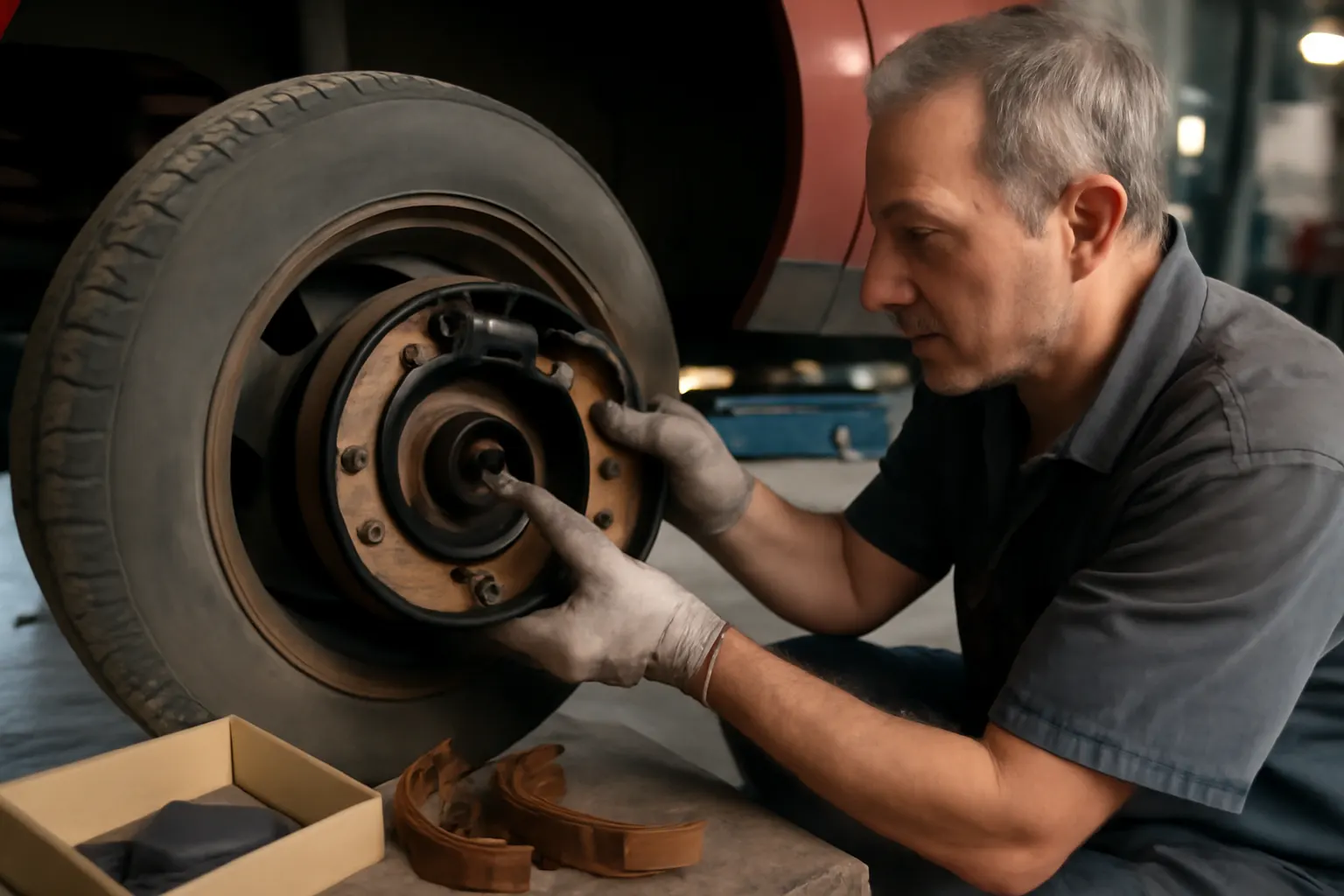
Amc Parts Restoration
If you’re restoring an AMC classic, the fastest route to safe, reliable brakes is to: Identify the exact model, year, and brake configuration. Source parts from reputable suppliers specializing in AMC or vintage brake components. Prioritize new-old-stock (NOS) or high-quality reproduction brake shoes and pads. Cross-reference part numbers and fitment guides to ensure compatibility. Inspect all hardware and hydraulics for wear before installation. Test fit and measure all components before final assembly.
Read More
Amc Drum To Disc Conversion
Swapping drum brakes for disc brakes on your AMC brings measurable improvements: Shorter Stopping Distances: Disc brakes dissipate heat more efficiently, reducing fade during repeated stops. Improved Wet Weather Performance: Discs shed water rapidly, maintaining brake effectiveness in rain. Easier Maintenance: Pad changes are simpler and faster than drum shoe replacements. Parts Availability: Disc brake components are easier to source and often interchangeable across AMC and other makes.
View Guide