
AMC Alternator
AMC Alternator Replacement & Technical Guide
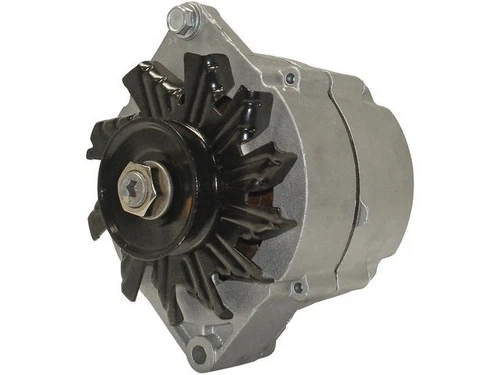
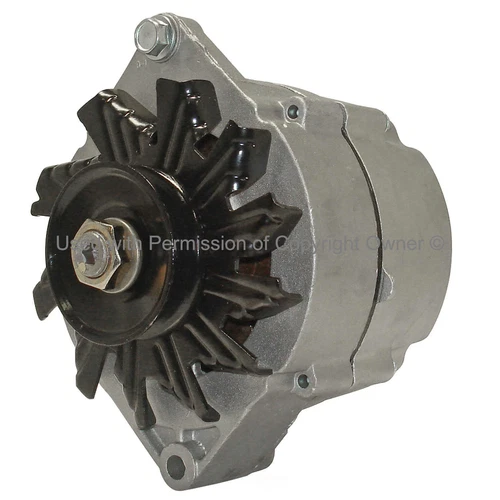
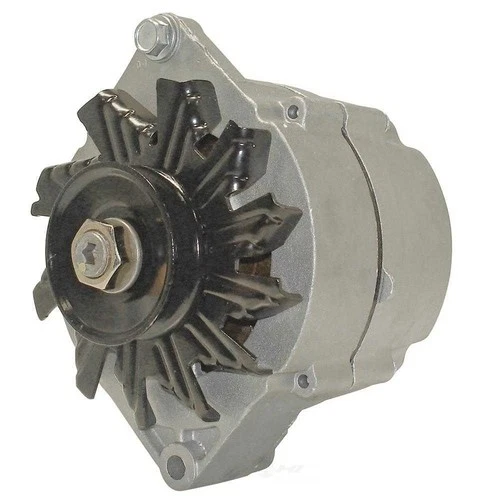
AMC vehicles, known for their distinctive engineering and legacy in American automotive history, rely on alternators that are both unique to their era and crucial for dependable operation. The alternator is the cornerstone of your AMC's electrical system, converting engine power into the precise electrical output required for ignition, lighting, and charging the battery. Whether you're maintaining a classic AMC Gremlin, Javelin, Hornet, or Eagle, sourcing and installing the correct alternator involves understanding specific AMC design standards, evolving part numbers, and the challenges presented by decades-old equipment. This guide delivers a technically rigorous overview of AMC alternator fitment, common issues, and proven solutions for both restoration and daily driving.
Many AMC owners and technicians overlook the intricate fitment requirements and hidden challenges associated with AMC alternators. AMC utilized unique mounting configurations and electrical connectors that differ not only from other domestic brands but also within their own model ranges and production years. Supersession—where part numbers were updated or replaced across production runs—has led to confusion and misidentification, especially given the scarcity of new-old-stock (NOS) or high-quality remanufactured units. Compounding the problem, aftermarket alternators marketed as 'universal fit' often fail to match the original AMC alternator's output characteristics or mounting geometry, risking suboptimal charging or mechanical misalignment. Diagnostic ambiguity is common: symptoms such as dim headlights or erratic battery charging can be misattributed to wiring or battery faults, delaying proper alternator diagnosis. As AMC alternator stocks dwindle, quality control in remanufactured units becomes critical, yet difficult to verify without technical guidance.
AMC-specific alternator failures typically present as insufficient voltage output, noisy bearings, or failure of internal voltage regulators. AMC alternators—particularly those produced during the 1970s—are notorious for their reliance on externally regulated systems, which are more susceptible to wiring degradation and connector corrosion than modern internally regulated designs. Incorrect installation, such as mismatched pulleys, improper bracket alignment, or use of non-OEM regulators, can cause premature failure or drive belt misalignment. Compatibility risks are heightened by AMC's use of Delco and Motorola alternators in different models and years, each with distinct case sizes, terminal layouts, and amperage ratings. Cross-compatibility between AMC model families (e.g., Hornet vs. Javelin vs. Eagle) is not guaranteed, and errors in fitment can lead to functional and safety-critical issues such as overcharging, battery drain, or harness damage. Restoration projects are particularly vulnerable to these pitfalls, as previous modifications, undocumented wiring changes, and part substitutions can complicate diagnostics and installation.
To ensure reliable AMC alternator replacement, it is essential to follow a systematic OEM fitment strategy. First, confirm your AMC's precise model, year, and engine configuration to identify the correct alternator type—paying close attention to regulator style, amperage rating, and mounting orientation. Use authoritative AMC parts cross-references and original service documentation to validate part numbers and avoid pitfalls of superseded or misapplied alternators. During diagnostics, employ a calibrated digital voltmeter to assess charging voltage at the battery terminals under load and inspect wiring harnesses for continuity and corrosion. If replacing with a remanufactured unit, verify that the supplier rebuilds to AMC's original mechanical and electrical specifications, including correct pulley size and field connections. Installation should adhere to AMC service manual torque specs, belt tension guidelines, and connector routing to prevent premature wear or electrical faults. For rare models or highly modified vehicles, custom bracket fabrication and wiring adaptation may be required, and sourcing from a specialized AMC parts supplier is recommended. AutoPartEx provides a curated database of AMC alternators, verified fitment data, and technical support for professional and enthusiast installations.
Advertisement


Advertisement
More AMC Alternator options
Filtering for AMC • AlternatorScan nearby AMC alternator inventory without leaving this page.
No Data Available
Please check back soon when more inventory is available for this part.
Advertisement
Expert AMC Alternator Specs & AutoPartEx Advantage
For AMC Alternator, long-term reliability depends on verified fitment, periodic inspection of wear components, and disciplined preventive maintenance. Confirm part numbers by VIN, check supersession notes, and compare mounting points before installation. Review service bulletins and historical failure patterns to prioritize high-risk systems, especially electrical connectors, seals, cooling components, and drivetrain interfaces.
AMC Alternator Practical Info & Quick Reference
Service Time
1–2 hours for common AMC alternator replacements; up to 3–4 hours for rare models or with bracket/wiring repairs.
Repair Cost Estimate
Parts: $120–$350 for quality remanufactured or NOS AMC alternators. Labor: $90–$180 depending on shop rates and vehicle accessibility.
Installation Difficulty
Moderate to high. Challenges include bracket access, wiring identification, and precise belt alignment. Professional installation recommended for non-stock or modified vehicles.
AMC Alternator Sourcing Tips
Always verify fitment by model, year, and engine. Use trusted sources for remanufactured units, confirm output ratings, and request bench test data whenever possible.
References
- Vehicle, Car Seat, Tire, and Equipment Recalls - National Highway Traffic Safety Administration, accessed 2024-06-20Provides recall and safety information about AMC alternator-related equipment and electrical system issues.
- Fuel Efficiency - United States Department of Energy, accessed 2024-06-20Details the impact of alternator performance and electrical system health on overall vehicle efficiency.
- Materials Technologies - United States Department of Energy, accessed 2024-06-20Technical insights into alternator materials, manufacturing, and their contribution to AMC vehicle performance.
Related Guides & Articles

Amc Alternator Installation
Replacing an alternator in classic AMC vehicles like the Hornet, Javelin, and Gremlin is a hands-on, achievable repair that restores charging performance, improves reliability, and ensures the safe operation of electrical systems. This guide delivers a step-by-step walk-through for AMC alternator removal and installation, focusing on bracket identification, pulley alignment, and electrical connector matching. Whether you’re reviving a daily driver or restoring a showpiece, you’ll find practical, technical advice for a trouble-free alternator install.
View Guide
Amc Alternator Types
The Delco “DN” (Direct-Current, Negative ground) alternator, used in many pre-1970 AMCs, relies on an external voltage regulator. Key characteristics include: Case style: Open frame, often with a rear-mounted fan. Regulator: External, typically mounted on the fender or firewall. Wiring: Four connections—BAT (battery), F (field), R (relay), and ground. Output: Commonly 37A to 61A, depending on application.
Read More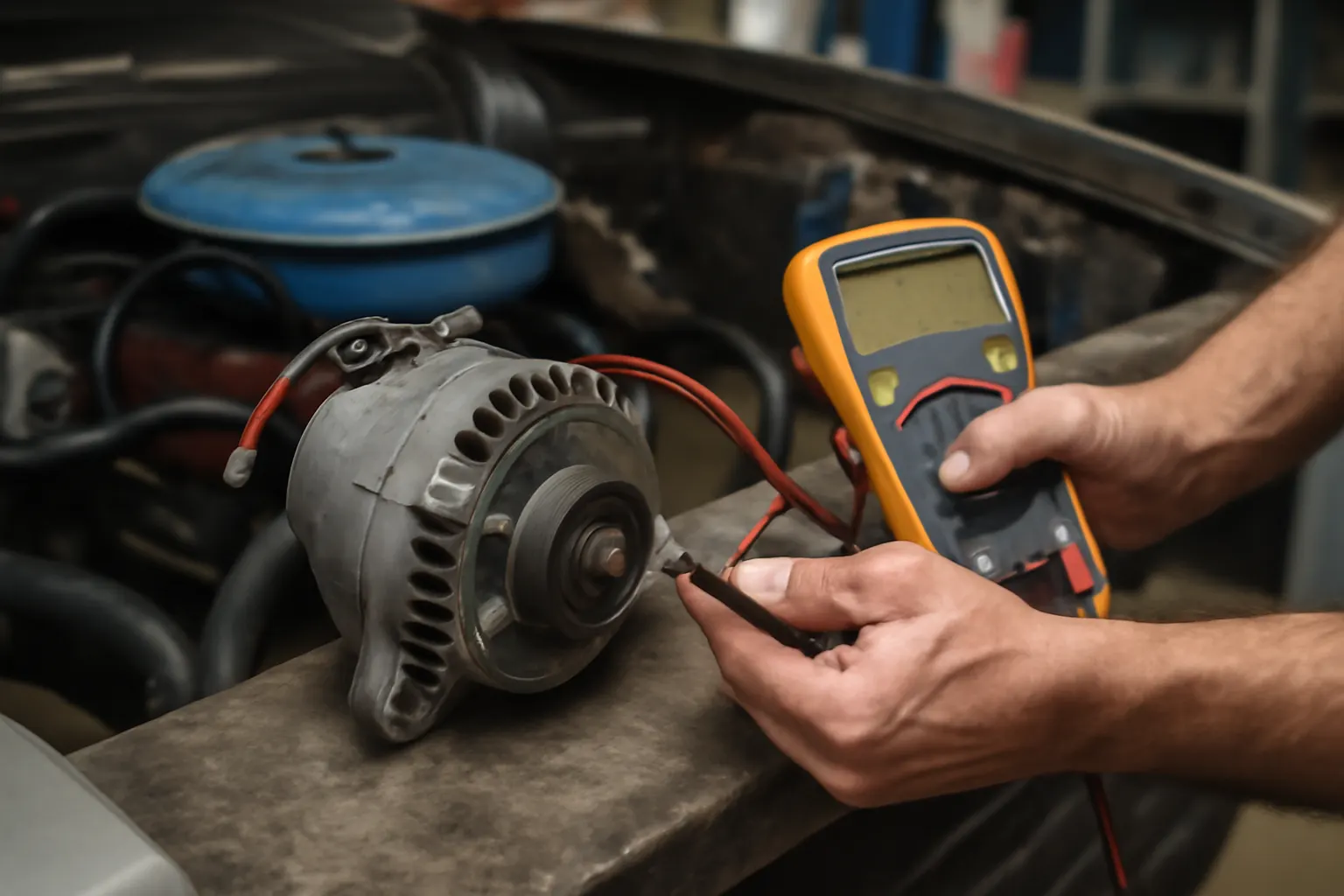
Amc Charging System Restoration
The most frequent issues encountered during AMC charging system restoration are alternator misfit, harness miswiring, and overlooked grounding. These problems result in no-charge conditions, battery drain, electrical fires, or even alternator failure. To restore your AMC’s charging system reliably, you must: Confirm alternator type and fitment for your specific AMC model and year. Inspect and repair wiring harnesses, using accurate diagrams. Test all grounds and charging voltages before finalizing installation. Use correct mounting hardware and belt alignment.
Read More
Amc Alternator Diagnostics
To quickly determine if your AMC alternator is functioning correctly, perform these three core diagnostic checks: Bench Test the Alternator: Remove the alternator and check for output voltage and amperage using a dedicated alternator test bench. Load Test While Installed: With the alternator installed, measure system voltage at the battery terminals with the engine running and under load (headlights, blower fan on). Compare readings against AMC specifications (typically 13.8–14.5 volts).
View Guide