
Dodge Auto Parts
Dodge OEM & Aftermarket Auto Parts: Technical Reference & Sourcing Guide
Dodge, an iconic American automotive manufacturer, is known for its lineage of powerful cars, trucks, and SUVs, including legendary names like Charger, Challenger, and Ram. Established in the early 20th century, Dodge’s heritage is built on performance, innovation, and rugged dependability. From muscle cars to durable pickups, Dodge vehicles demand precise-fit OEM and high-quality aftermarket parts to sustain their renowned driving experience. Whether you’re maintaining a classic Dart or servicing a modern Durango, sourcing genuine Dodge parts is essential for safety, performance, and long-term value.
Dodge owners often underestimate the risks of using generic or ill-fitting replacement parts. Many vehicles—especially aging models—are vulnerable to issues like counterfeit parts, hidden component fatigue, and supply chain shortages. As Dodge platforms evolve, certain OEM parts become scarce, and counterfeiters target high-demand items like engine sensors or suspension components. Furthermore, improper fitment can lead to poor drivability, compromised safety, or even voided warranties.
Dodge vehicles feature brand-specific engineering details such as proprietary electronics, unique engine calibrations, and chassis hardware tailored for high torque and performance. These details require exact-match parts—especially for critical systems like brakes, fuel delivery, and powertrain management. Compatibility issues arise when aftermarket solutions fail to meet Dodge’s technical specs, leading to diagnostic trouble codes, premature wear, or subpar vehicle dynamics. Even among OEM suppliers, variations in part numbers and supersessions can complicate sourcing for older or special-edition models.
AutoPartEx provides Dodge owners with a comprehensive approach to parts sourcing, emphasizing rigorous OEM fitment verification and technical research. By leveraging detailed model guides such as Dodge Maintenance Guide and platform-specific compatibility tools like Dodge Parts Catalog, users can confidently identify the correct parts for their vehicle. Our editorial resources, including in-depth guides and comparison articles, help demystify Dodge part numbers, service intervals, and engineering changes—empowering both DIYers and professionals to avoid costly mistakes and ensure reliable repairs.
Filters & Navigation
Showing 8 of 10 products
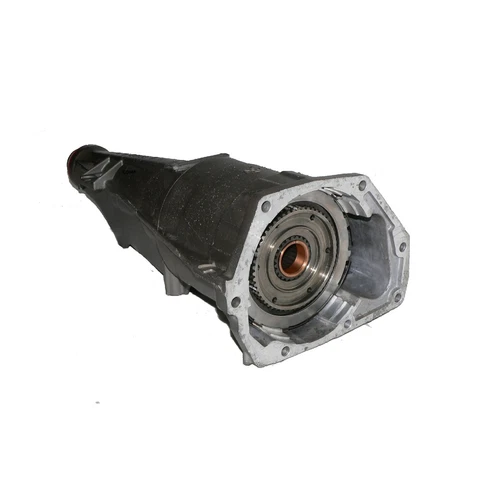
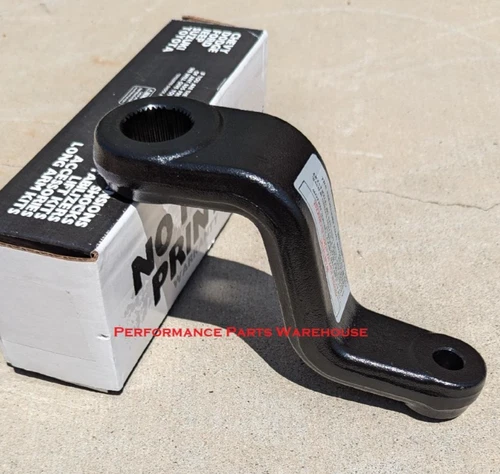
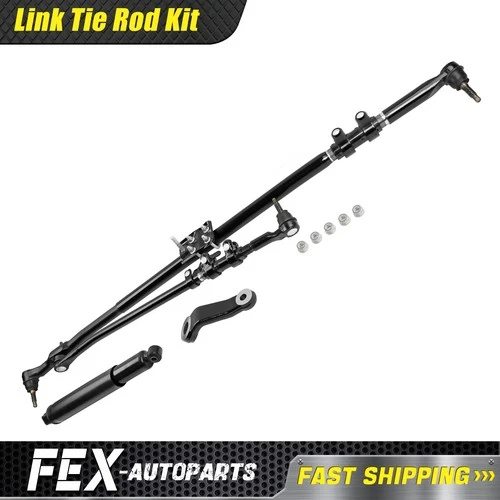
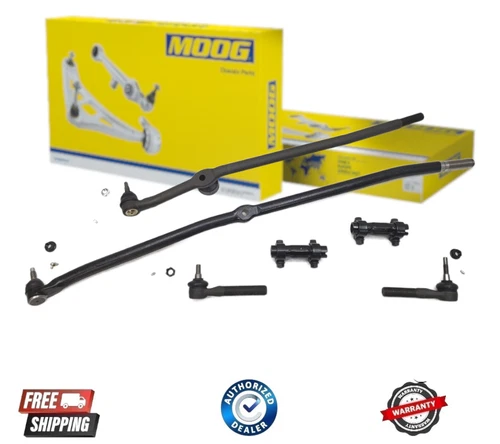


More Dodge parts
Filtering for DodgeBrowse nearby Dodge inventory without leaving this page. Use search to filter by price, part number, or city.
No Data Available
Please check back soon when more inventory is available for this part.
Engineering Excellence & Technical Specifications
When it comes to parts availability, Dodge’s expansive model range and decades-long production history introduce significant complexity. For instance, the same model name—like Charger—can encompass multiple generations with entirely different platforms, drivetrains, and electronics. Owners of older Dodge vehicles may experience scarcity of original components, as OEM suppliers shift focus to new models and discontinue legacy parts. In these cases, sourcing high-quality aftermarket alternatives becomes necessary, but requires careful vetting for compatibility and adherence to Dodge’s technical standards. Detailed VIN decoding and production date checks are critical for identifying correct part numbers, especially for models with mid-year engineering updates or special editions.
Authenticity risks are a mounting concern for Dodge owners and service professionals alike. The proliferation of counterfeit automotive parts—ranging from spark plugs to airbag modules—poses a serious threat to both safety and reliability. Counterfeiters often replicate OEM packaging and branding, making it difficult for untrained eyes to spot the difference. Genuine Dodge parts typically feature manufacturer holograms, batch tracking, and robust packaging. When in doubt, referencing official NHTSA recall lists or consulting with trusted parts distributors can provide additional assurance of authenticity and compliance with regulatory standards.
Dodge’s sourcing strategy has evolved to meet the demands of modern vehicle platforms, integrating advanced supply chain management and quality control measures. However, the shift to globalized production and multi-platform parts sharing introduces its own challenges, such as variations in supplier tolerances or regional specification differences. Owners looking to perform DIY maintenance or restoration must be prepared to cross-reference multiple data sources—parts catalogs, service bulletins, and recall databases—to ensure proper fitment. Professional shops often utilize diagnostic tools and OE-level software to validate parts compatibility, especially for electronically controlled systems.
Ultimately, a successful Dodge parts sourcing experience relies on a deep understanding of the brand’s engineering history, platform evolution, and quality assurance protocols. By leveraging resources like AutoPartEx, Dodge owners gain access to technical guides, verified fitment data, and expert support, reducing the risk of installation errors or delayed repairs. This comprehensive approach not only preserves the performance and value of Dodge vehicles but also ensures a safer, more reliable ownership experience for enthusiasts and daily drivers alike.
Dodge Parts & Service Information
VIN-Based Dodge Part Lookup
Use your vehicle identification number (VIN) to accurately identify and order Dodge parts. This ensures compatibility by matching production dates, trim options, and regional specifications.
Dodge Brake System Replacement
Replacing brake rotors and pads on a Dodge Challenger or Charger requires precise torque specs and attention to model-specific hardware. Always verify fitment and follow OE service procedures.
Diagnosing Electrical Faults in Dodge Vehicles
Advanced diagnostics for Dodge’s CAN-bus electrical systems often requires OE-level scan tools. This is critical for addressing intermittent sensor failures or module communication errors.
Sourcing Discontinued Dodge Parts
For rare or discontinued Dodge components, cross-reference OE part numbers and use trusted distributor networks. Forums and technical guides provide sourcing leads for legacy models.
References
- Vehicle, Car Seat, Tire, and Equipment Recalls - National Highway Traffic Safety Administration, accessed 2024-06-07Supports recall, safety, and authenticity verification strategies for Dodge parts.
- Fuel Efficiency - United States Department of Energy, accessed 2024-06-07Supports Dodge engineering, material technology, and fuel efficiency standards.
- Materials Technologies - United States Department of Energy, accessed 2024-06-07Supports advanced materials, lightweighting, and OEM manufacturing standards for Dodge.
Related Guides & Articles

Dodge Maintenance Intervals: Complete Model Reference
Explore factory-recommended service intervals for every major Dodge model, including spark plugs, fluids, brakes, and timing components. Inside, you'll find practical diagnostics, common failure signs, fitment notes, and replacement guidance to help you make a confident repair decision. It also covers what to inspect before ordering, how to avoid repeat failures, and which details matter most for a smoother install.
View Guide
How to Spot Counterfeit Dodge Parts: Visual & Technical Tips
Learn expert strategies for distinguishing genuine Dodge parts from counterfeits, with real-world packaging, hologram, and serial number examples. Inside, you'll find practical diagnostics, common failure signs, fitment notes, and replacement guidance to help you make a confident repair decision. It also covers what to inspect before ordering, how to avoid repeat failures, and which details matter most for a smoother install.
Read More
Dodge Platform Cross-Compatibility Guide
Understand which Dodge, Chrysler, and Jeep parts can be interchanged, and when unique calibration or programming is required. Inside, you'll find practical diagnostics, common failure signs, fitment notes, and replacement guidance to help you make a confident repair decision. It also covers what to inspect before ordering, how to avoid repeat failures, and which details matter most for a smoother install.
View Guide
Dodge Recall Trends: What Owners Need to Know
A detailed analysis of recent Dodge recalls, covering affected component types, model years, and what owners should check. Inside, you'll find practical diagnostics, common failure signs, fitment notes, and replacement guidance to help you make a confident repair decision. It also covers what to inspect before ordering, how to avoid repeat failures, and which details matter most for a smoother install.
Read More