Advertisement
Legacy White Vehicles: Maintenance and Common Pitfalls
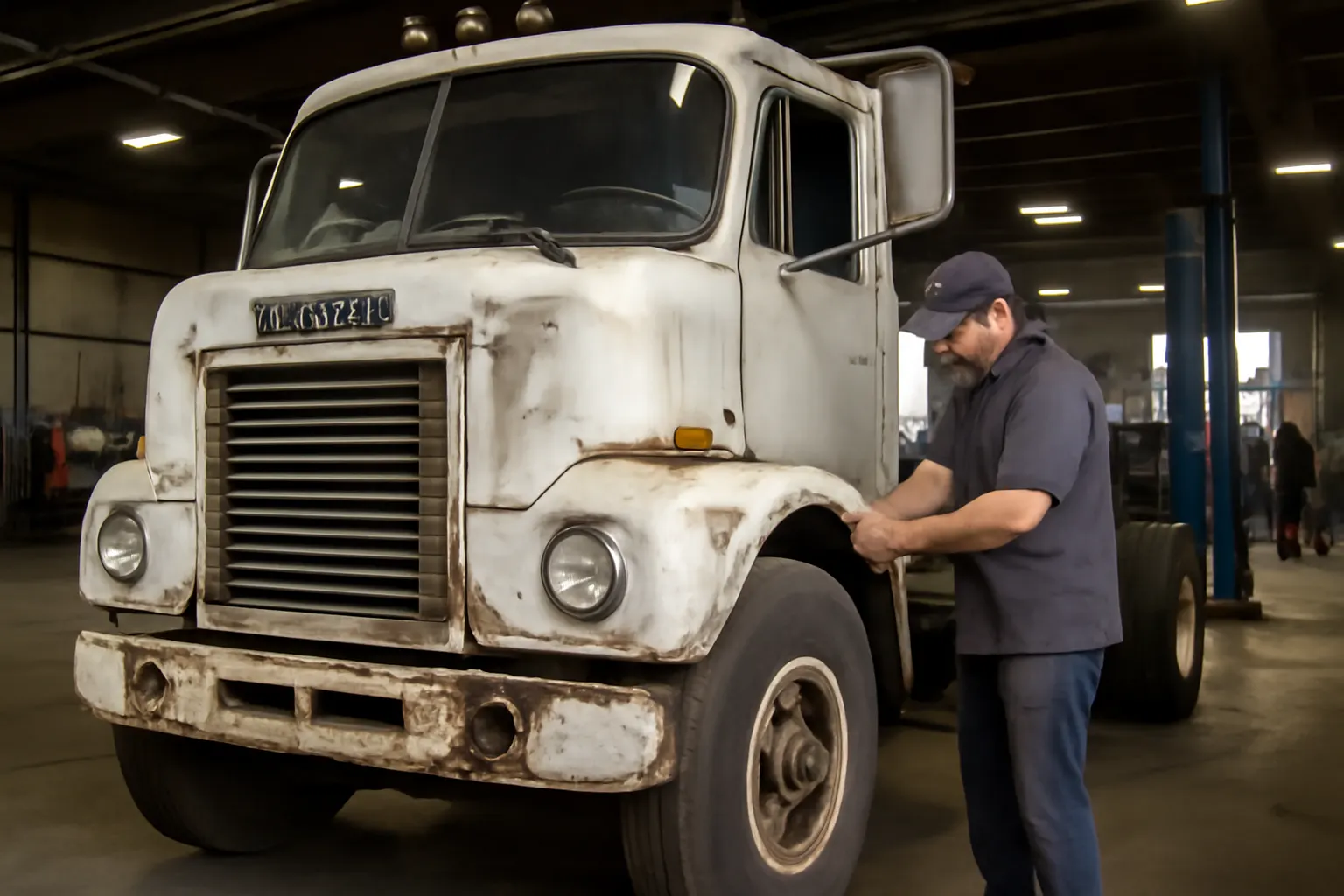
Legacy White vehicles—ranging from classic White trucks and tractors to vintage commercial rigs—are renowned for their robust engineering and historical significance. As these vehicles age, however, they present unique maintenance challenges and opportunities. This comprehensive guide from AutoPartEx delivers immediate, actionable answers for owners and restorers of White vehicles, highlighting the most common pitfalls and providing expert guidance on sourcing, diagnostics, and replacement of essential parts.
For those seeking genuine White parts and detailed technical sourcing, start with our White parts catalog to ensure authenticity and fitment from the outset.
Immediate Answer: Key Maintenance Issues and How to Avoid Costly Mistakes
If you own or manage a legacy White vehicle, the most common maintenance problems you’ll encounter include:
- Aging or incompatible replacement parts
- Electrical system degradation
- Fuel and exhaust inefficiencies
- Structural corrosion, especially in frames and cabs
- Brake system wear and fluid leaks
- Cooling system failures
- Fitment issues with non-OEM components
The best way to avoid expensive errors is to use verified OEM or high-quality aftermarket parts, follow the correct installation procedures, and consult fitment charts like the White Model Families: Compatibility and Fitment Chart. Always reference reliable sources for technical standards and safety requirements, such as the National Highway Traffic Safety Administration (NHTSA).
Hidden Problem: Why Legacy White Vehicles Are Prone to Maintenance Pitfalls
Many owners underestimate the complexity of maintaining White vehicles due to their reputation for durability. However, the age of these vehicles means that:
- Many original parts are no longer in production, making correct sourcing difficult.
- Modern materials and technologies may not be directly compatible.
- Historical repairs may have introduced non-standard modifications.
- Safety and performance standards have evolved, creating compliance gaps.
These factors combine to create a landscape where even experienced technicians can fall into traps—such as fitting an incompatible brake booster, using the wrong grade of materials, or relying on outdated wiring diagrams.
Understanding the Core Technical Challenges
1. Parts Obsolescence and Sourcing
White vehicles from the mid-20th century often require parts that are simply no longer manufactured by the original supplier. This leads to reliance on:
- Salvaged components, which may have hidden wear or corrosion
- Aftermarket alternatives, which may lack precise fitment or material equivalence
- Custom-fabricated parts, which require technical expertise
Without careful verification, using the wrong part can compromise safety or create new maintenance headaches. Always compare part numbers and technical specs using resources like the White parts catalog.
2. Material Degradation and Structural Integrity
Legacy White vehicles were built with steel frames and heavy-duty components, but decades of exposure lead to:
- Frame rust, especially at joints and mounting points
- Fatigue cracks in suspension and steering linkages
- Deterioration of body panels and floorboards
Corrosion not only weakens the structure but can also impact the performance of attached systems—fuel lines, brake lines, and electrical grounds are all at risk.
3. Electrical System Aging
Original wiring harnesses in White vehicles are often cloth-wrapped or rubber-insulated, both of which degrade over time. Common issues include:
- Brittle, cracked insulation leading to short circuits
- Poor ground connections causing intermittent faults
- Outdated fuse and relay designs incompatible with modern replacements
Advertisement
Electrical failures are not only frustrating but can also be a significant safety hazard, especially if they affect lighting or braking systems.
Expanding the Problem: Technical and Regulatory Nuances
4. Fuel System and Efficiency Concerns
Older White engines were not designed with today’s fuel blends or efficiency standards in mind. Issues to watch for:
- Carburetor wear and clogging from ethanol-blended fuels
- Deterioration of original fuel hoses and tanks
- Reduced fuel economy due to worn injectors or improper timing
Refer to the U.S. Department of Energy’s Fuel Efficiency guidelines for best practices and upgrade options.
5. Brake System Wear and Modern Safety
Brake components—master cylinders, wheel cylinders, lines, and shoes—are safety-critical. White vehicles’ original systems may not meet current NHTSA standards for stopping distance or reliability, especially after decades of service. Pitfalls include:
- Using incorrect bore sizes, causing poor pedal feel or imbalance
- Mixing old and new brake fluids, leading to seal failure
- Overlooking hidden corrosion in steel lines
NHTSA’s Vehicle Safety and Equipment resource provides up-to-date safety standards and diagnostic tips.
6. Cooling System Failures
Radiators, hoses, and water pumps degrade with age and exposure to modern coolants. Common issues:
- Blocked radiator cores from mineral deposits
- Hose swelling and cracking
- Water pump seal failures
Overheating is a frequent cause of catastrophic engine damage in legacy vehicles.
7. Fitment and Compatibility Issues
White vehicles were produced in numerous model families, each with subtle differences in mounting points, electrical connectors, and dimensions. Fitment errors occur when:
- Parts are ordered by appearance rather than exact part number
- Chassis variants (e.g., heavy-duty vs. light-duty) are not distinguished
- Aftermarket suppliers use generic templates
The White Model Families: Compatibility and Fitment Chart is essential for avoiding these mistakes.
Solution Path: Diagnosing, Sourcing, and Maintaining Legacy White Vehicles
8. Comprehensive Maintenance Checklist
Use this checklist to proactively address the most common pitfalls:
| Area | What to Inspect | Common Issues | Recommended Action |
|---|---|---|---|
| Frame & Body | Welds, joints, mounting points | Rust, cracks, loose fasteners | Clean, treat rust, weld as needed |
| Engine & Fuel | Carburetor, hoses, tank | Leaks, blockages, worn gaskets | Replace with ethanol-rated components |
| Brakes | Master/wheel cylinders, lines | Fluid leaks, corrosion | Use correct spec parts, flush system |
| Electrical | Harnesses, grounds, fuses | Brittle wires, poor connections | Rewire with modern, compatible materials |
| Cooling | Radiator, hoses, water pump | Clogs, leaks, pump failure | Flush, pressure test, replace as needed |
| Suspension | Bushings, springs, shocks | Wear, sagging, cracks | Upgrade to modern equivalents if possible |
| Drivetrain | U-joints, driveshaft, axles | Play, vibration, noise | Replace worn components, check alignment |
| Safety Equipment | Lights, mirrors, seat belts | Outdated, non-compliant | Upgrade to NHTSA-compliant equipment |
9. Sourcing Authentic and Compatible Parts
To avoid fitment and quality issues:
- Use the White parts catalog for verified listings.
- Authenticate parts using the How to Identify Authentic White Parts guide.
- Cross-reference part numbers and diagrams before ordering.
- When using aftermarket parts, check for SAE or equivalent standards compliance (SAE Standards).
If sourcing challenges arise, consider professional restoration suppliers or custom fabrication, but always verify technical specs.
10. Diagnostic Techniques for Legacy White Vehicles
- Use multimeters and test lights to trace electrical faults—don’t rely on visual inspection alone.
- Pressure test cooling and brake systems to uncover slow leaks or hidden corrosion.
- Use borescopes or inspection mirrors to check for internal rust or blockages in frames and fuel tanks.
- Test fit new parts before final installation to catch compatibility issues early.
Advertisement
Deeper Technical Guidance: Installation and Upgrades
11. Installation Best Practices
- Always torque fasteners to the manufacturer’s original specifications.
- Use modern, ethanol-safe fuel lines and gaskets when replacing engine components.
- When rewiring, use wires of the same gauge and color code as the original harness to simplify future troubleshooting.
- Pressure-bleed brake systems after any component replacement to ensure complete air removal.
12. Upgrading for Modern Performance and Safety
- Upgrade lighting to LED or halogen for improved visibility, ensuring compatibility with the vehicle’s electrical system.
- Install dual-circuit master cylinders for enhanced brake safety if the model allows.
- Consider retrofitting seat belts and mirrors to meet modern safety expectations, referencing Vehicle Safety and Equipment.
- Consult the Materials Technologies resource for information on lightweighting and corrosion-resistant materials if fabricating replacement panels or frames.
Avoiding Common Pitfalls in White Vehicle Restoration
13. The Most Frequent Restoration Mistakes
- Failing to document original part numbers and configurations before disassembly.
- Overlooking model-specific differences, especially in wiring and brake systems.
- Assuming all White vehicles use interchangeable parts—subtle changes between years and models are common.
- Using generic fasteners or bushings that don’t match the original hardness or material.
- Skipping the test-fit step, leading to installation delays or damage.
14. How to Prevent Expensive Errors
- Photograph and label every component during disassembly.
- Keep a log of part numbers, sources, and installation notes.
- Confirm compatibility using the White Model Families: Compatibility and Fitment Chart.
- When in doubt, consult a specialist or reference a real-world case study, such as Restoring a White Truck: Real-World Case Study.
Expert Action: Sustainable Ownership and Ongoing Maintenance
15. Establishing a Preventive Maintenance Routine
- Set up a maintenance schedule for critical systems—brakes, cooling, and electrical—at least annually.
- Conduct seasonal inspections for rust and corrosion, especially if the vehicle is stored outdoors.
- Use fuel stabilizers and run the engine regularly to prevent carburetor and injector clogging.
16. Staying Informed on Recalls and Safety Updates
- Regularly check the NHTSA Vehicle, Car Seat, Tire, and Equipment Recalls database for any updates affecting your White model.
- Review SAE standards for any changes in recommended practices for legacy vehicles.
17. When to Seek Professional Help
- If you encounter persistent electrical faults, unexplained vibrations, or structural rust beyond surface levels, consult a professional with experience in vintage White vehicles.
- For complex upgrades or safety equipment retrofits, professional installation ensures compliance and reliability.
Why Choose AutoPartEx for Your White Vehicle Needs
AutoPartEx specializes in sourcing, authenticating, and supplying parts for legacy White vehicles. Our technical guides, fitment charts, and verified parts catalog remove guesswork and reduce the risk of costly errors. By leveraging our resources, you can ensure your restoration or maintenance project meets both historical and modern standards.
Review our White Auto Parts: Heritage, Quality, and Technical Sourcing page for detailed background, or jump straight to our White parts catalog for the latest inventory and technical data.
Conclusion
Maintaining and restoring legacy White vehicles is a rewarding endeavor, but it comes with unique technical and sourcing challenges. By understanding the most common maintenance pitfalls, using authentic and compatible parts, and following expert diagnostic and installation guidance, you can ensure the continued reliability, safety, and historical value of your classic White machine. AutoPartEx stands ready as your partner in every step of this journey—providing the expertise, documentation, and parts you need to do the job right.
References
Advertisement